Essential Checklist for Preventing Skin Tanning Effectively


Sunscreen Spray for Body | SPF 50+ PA+++ | Sweat & Water-Resistant | Broad Spectrum UVA/UVB Protection | Clear Matte Formula | Aloe Vera | 100ml
Picture this: you've just returned from a weekend getaway, and despite your best efforts, you're sporting an uneven tan that's left you feeling less than confident. Sound familiar? You're not alone. With UV radiation levels increasing globally and our outdoor lifestyles becoming more active, preventing skin tanning has become more crucial than ever. Beyond the aesthetic concerns, understanding how to protect your skin from harmful UV rays is essential for maintaining healthy, even-toned skin and preventing long-term damage like hyperpigmentation and premature ageing.
Before diving into prevention strategies, it's worth understanding exactly what happens when your skin tans. When UV rays hit your skin, they trigger melanocytes to produce more melanin as a protective response. This process isn't just cosmetic—it's your skin's way of trying to shield itself from further damage.
UVA rays penetrate deeper into the skin and are responsible for long-term damage, including premature ageing and deeper tanning. UVB rays primarily affect the skin's surface, causing immediate burning and surface-level tanning. Both contribute to skin damage and require comprehensive UV protection.
Your skin type plays a significant role in how quickly you tan. Those with fair skin typically burn before tanning, whilst those with naturally darker skin may tan more readily. However, regardless of your skin type, consistent exposure without protection leads to cumulative damage over time.
Sun exposure isn't the only culprit behind unwanted tanning. Reflective surfaces like water, sand, and snow can intensify UV exposure by up to 15%. Even on cloudy days, up to 80% of UV rays can penetrate through clouds. High-altitude locations pose additional risks, with UV intensity increasing by 4% for every 300 metres above sea level.
Effective sun protection requires a multi-layered approach that goes beyond simply applying sunscreen. Think of it as creating a protective shield around your skin using various methods that work together.
Choose a broad-spectrum sunscreen with at least SPF 30 for daily use, and SPF 50+ for extended outdoor activities. Physical sunscreens containing zinc oxide or titanium dioxide provide immediate protection, whilst chemical sunscreens need 15-30 minutes to become effective.
Proper application is crucial: use approximately 1/4 teaspoon for your face and neck, and don't forget often-missed areas like your ears, the back of your neck, and the tops of your feet. Reapply every two hours, or immediately after swimming or sweating, regardless of water-resistance claims.

Tinted Sunscreen SPF 50 | Makeup-Friendly | No White Cast | Niacinamide + Titanium Dioxide | For Oily, Combination & Acne-Prone Skin | 40ml
The sun's rays are strongest between 10 AM and 4 PM. During these peak hours, seek shade whenever possible. Use the shadow rule: if your shadow is shorter than you are, the UV radiation is at its most intense. Monitor daily UV index forecasts and plan outdoor activities accordingly.
Your wardrobe can be your first line of defence against UV damage. Understanding which fabrics and accessories provide the best protection helps you make informed choices for daily wear.
UPF (Ultraviolet Protection Factor) clothing is specifically designed to block UV rays. Look for garments with UPF 30+ ratings. Tightly woven fabrics in darker colours generally offer better protection than light, loosely woven materials. Long-sleeved shirts and full-length trousers provide obvious coverage, but even lightweight, breathable options can offer significant protection.
A wide-brimmed hat with at least a 4-inch brim protects your face, neck, and ears effectively. UV-blocking sunglasses protect the delicate skin around your eyes and prevent squinting, which can lead to premature wrinkles. Don't overlook protective footwear—the tops of your feet are particularly vulnerable to burning and tanning.
Whilst commercial sun protection products are essential, several natural approaches can complement your preventing skin tanning routine. These methods work best as part of a comprehensive protection strategy rather than standalone solutions.
Antioxidant-rich foods like berries, leafy greens, and tomatoes help your skin defend against UV damage from within. Lycopene, found in tomatoes and watermelon, has been shown to provide modest natural sun protection. Staying well-hydrated helps maintain your skin's barrier function and resilience.
Natural ingredients like coconut oil (SPF 4-8) and shea butter (SPF 3-4) offer minimal protection but can be useful for very brief exposures. Aloe vera gel provides cooling relief and has mild protective properties. However, these should never replace proper sunscreen for extended sun exposure.

SPF 50 Sunscreen for Pigmentation | Lightweight, Non-Greasy, No White Cast | Fades Dark Spot & Acne Marks | For All Skin Types | 50g
Even with the best prevention efforts, some exposure is inevitable. Knowing how to care for your skin post-exposure can minimise tanning and support your skin's recovery process.
Cool your skin with cold compresses or cool baths immediately after sun exposure. Apply hydrating products containing ingredients like hyaluronic acid, ceramides, or aloe vera whilst your skin is still damp to lock in moisture. Avoid products with alcohol, which can further dry and irritate sun-exposed skin.
For existing tanning, gentle exfoliation helps remove the upper layer of tanned skin cells. Use mild exfoliants 2-3 times weekly, avoiding harsh scrubbing that can irritate skin. Skin brightening ingredients like vitamin C, niacinamide, and gentle AHAs can help even out skin tone over time.
Natural remedies like lemon juice mixed with honey or yogurt can provide gentle lightening effects, though results are gradual. For more significant hyperpigmentation treatment, consider professional options or products containing proven ingredients like kojic acid or arbutin.
Consistency is key when it comes to preventing skin tanning. Creating a routine that you can stick to year-round ensures your skin stays protected and maintains an even skin tone.
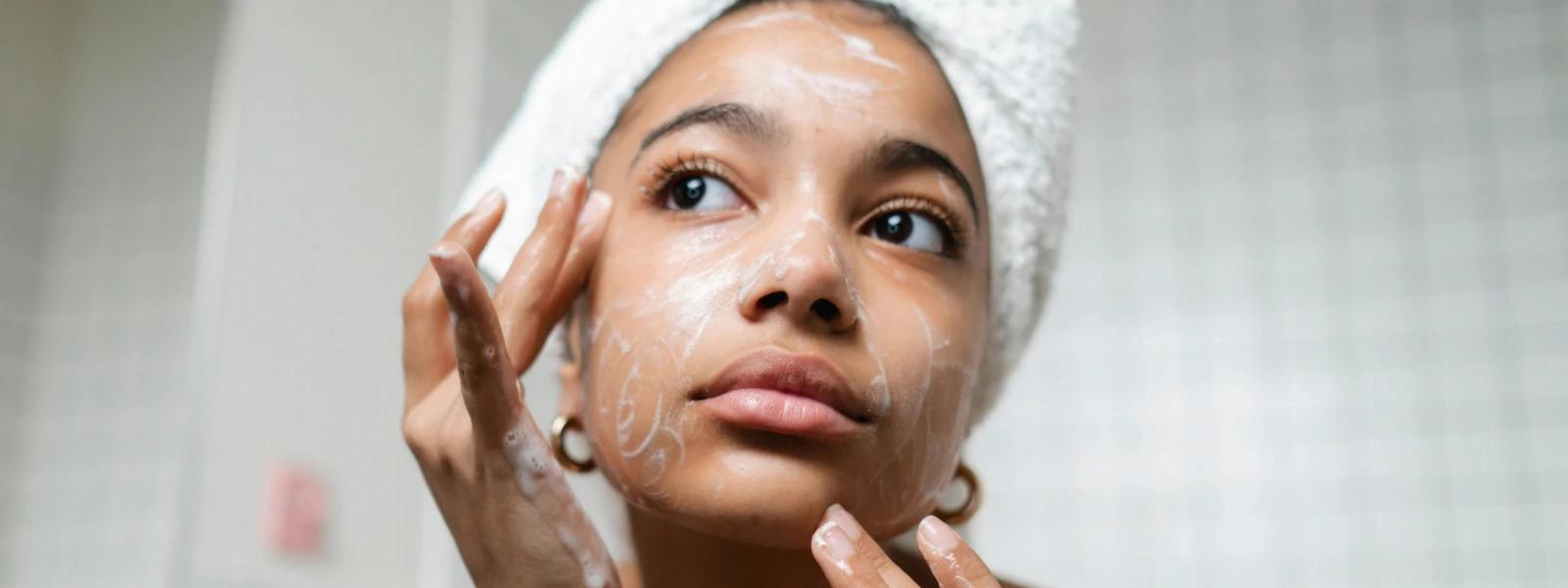
Start with a gentle cleanser, followed by an antioxidant serum containing vitamin C or niacinamide. Apply your broad-spectrum sunscreen as the final step, allowing each layer to absorb before applying the next. If you wear makeup, choose products with additional SPF for extra protection.
Thoroughly cleanse to remove sunscreen and environmental pollutants. Apply hydrating serums and moisturisers to support overnight skin repair. Once or twice weekly, incorporate gentle exfoliation or skin brightening treatments to maintain an even complexion.
Your sun protection needs change with the seasons and your activities. Winter sports require just as much attention as summer beach days, as snow reflection can intensify UV exposure significantly. Air conditioning in summer can dehydrate skin, making it more vulnerable to damage, so adjust your hydration routine accordingly.

Fluid SPF 50 Sunscreen for Oily Skin | No White Cast | Matte, Ultra-Light & Non-Greasy | Niacinamide + Vitamin C | 50ml
For those exploring new skincare products and routines, platforms like Smytten Shop offer the opportunity to try samples of various sun protection and after sun care products before committing to full sizes. This approach helps you find the perfect products for your skin type without the risk of purchasing unsuitable items.
Complete tan prevention requires consistent use of broad-spectrum SPF 30+ sunscreen, protective clothing, seeking shade during peak hours, and avoiding prolonged sun exposure. Whilst 100% prevention is challenging, following these strategies significantly reduces tanning and UV damage.
Yes, gentle exfoliation, hydrating masks, and natural ingredients like lemon juice, yogurt, and turmeric can gradually lighten existing tan. However, patience is essential as natural tan remedies work slowly and require consistent application over several weeks.
Prevention results are immediate when proper sun protection is used. For tan removal and achieving an even skin tone, expect to see gradual improvement over 4-8 weeks with consistent care and protection.
Absolutely. Layering different protection methods—sunscreen, clothing, shade, and timing—provides the most effective defence against UV damage. This comprehensive approach is recommended by dermatologists for optimal skin protection.
Preventing skin tanning effectively requires a comprehensive approach that combines proper sun protection, strategic lifestyle choices, and consistent skincare practices. Remember that protecting your skin isn't just about maintaining your desired complexion—it's about preserving your skin's health for years to come.
The key to success lies in making these protective measures part of your daily routine, regardless of the season or weather. Start with the basics: quality sunscreen, protective clothing, and smart timing. As you build these habits, you can explore additional methods like natural tan remedies and specialised after sun care products to create a routine that works perfectly for your lifestyle and skin type.
Your skin will thank you for the consistent care and attention, rewarding you with a healthy, even complexion that reflects your commitment to proper protection. Real talk: the best time to start protecting your skin was yesterday, but the second-best time is right now.
