Essential Checklist for Fading Skin Patches & Hyperpigmentation Treatment


Advanced Anti-Pigmentation Kit | Hyperpigmentation Reduction Kit | Cleanser, Serum, Moisturizer & Sunscreen | Complete Skin Care Routine
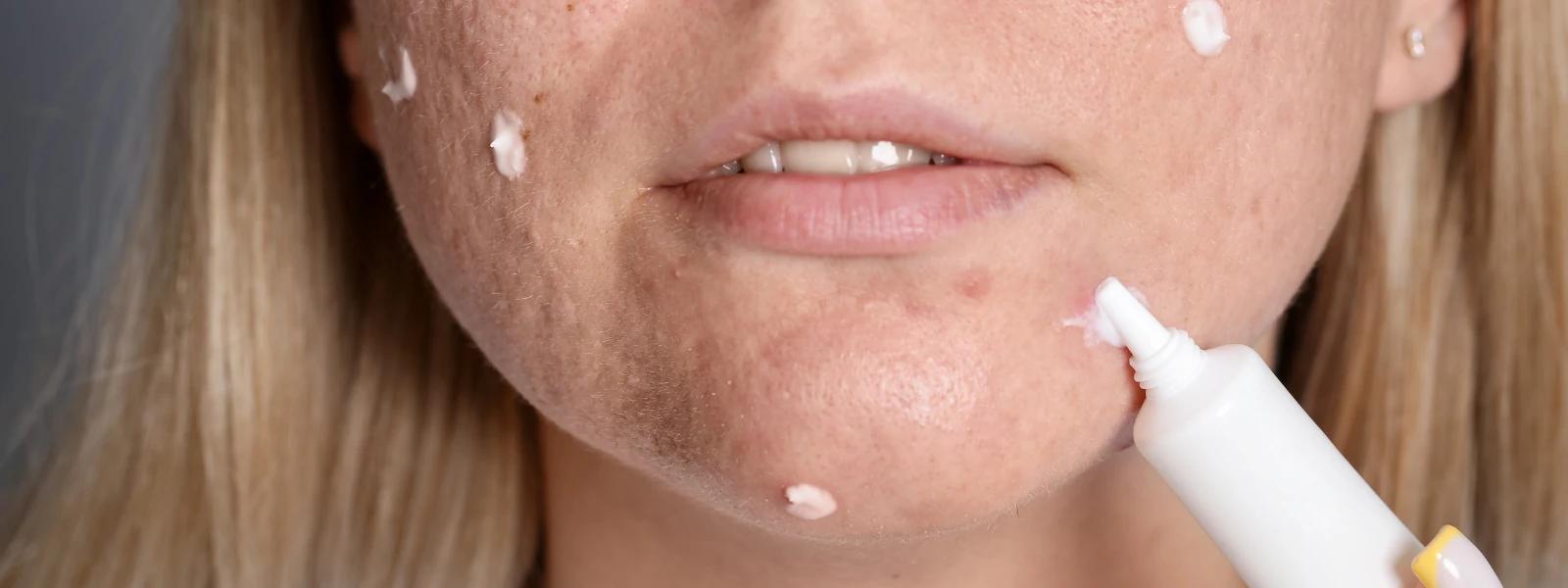
You know that moment when you catch your reflection and notice those stubborn dark patches that seem to have appeared overnight? Whether it's the aftermath of last summer's holiday glow, hormonal changes, or those pesky post-acne marks, dealing with uneven skin tone can feel overwhelming. The good news? With the right approach and consistent care, fading skin patches is absolutely achievable. Let's break down everything you need to know about tackling hyperpigmentation, from understanding what's causing those spots to creating an effective treatment plan that actually works.
Before diving into treatments, it's crucial to understand what type of hyperpigmentation you're facing. Not all dark spots are created equal, and different types respond better to specific approaches. Think of this as your detective work phase – the more you understand your skin's story, the better you can address it.
Post-inflammatory hyperpigmentation (PIH) is probably the most common culprit, especially if you've dealt with acne. These are the dark marks left behind after spots heal, ranging from red to brown depending on your skin tone. Melasma typically appears as symmetrical patches on the face, often triggered by hormonal changes during pregnancy or from birth control. Solar lentigines (age spots or sunspots) are the result of cumulative sun exposure and tend to appear on areas that see the most UV – think face, hands, and shoulders.
Understanding the root cause helps you prevent new patches whilst treating existing ones. UV exposure is the biggest trigger – even that quick dash to the shops without SPF adds up over time. Hormonal fluctuations can trigger melasma, which is why many notice changes during pregnancy or when starting new contraception. Inflammation from acne, eczema, or even aggressive skincare can leave lasting marks, particularly on deeper skin tones.
Location and pattern tell a story. Melasma often appears symmetrically across the cheeks, forehead, and upper lip. Age spots cluster on sun-exposed areas. PIH follows the exact spots where you've had breakouts or irritation. The colour also matters – newer PIH tends to be redder, whilst older hyperpigmentation appears brown or grey.
Prevention truly is better than cure when it comes to hyperpigmentation. Even the most effective treatments won't help if you're constantly creating new damage. This isn't about perfection – it's about building sustainable habits that protect your skin's future.
SPF 30 minimum, every single day – yes, even when it's cloudy, even when you're working from home. UV rays penetrate windows and clouds don't block all radiation. Reapply every two hours if you're outdoors, or after sweating. Look for broad-spectrum formulas that protect against both UVA and UVB rays. Physical sunscreens with zinc oxide or titanium dioxide are particularly effective for preventing further darkening of existing patches.
Wide-brimmed hats, sunglasses, and UV-protective clothing make a real difference, especially during peak sun hours (10am-4pm). If you're dealing with melasma, consider switching to mineral makeup with SPF for extra protection. Even your car journey matters – UV films on windows can help if you're commuting regularly.
If hormones are your trigger, work with your GP or dermatologist to understand your options. Sometimes switching contraceptive methods can help, though this obviously needs careful consideration. During pregnancy, extra vigilant sun protection becomes even more crucial as hormonal changes make your skin more reactive to UV.

Target & Fade Duo for Hyperpigmentation | Even-Tone Underarms, Inner Thighs & Bum | Refines Skin Texture | For All Skin Types
When over-the-counter options aren't cutting it, professional treatments can provide more dramatic results. The key is finding the right treatment for your specific type of hyperpigmentation and skin tone. Always consult with a qualified dermatologist or aesthetic practitioner who understands treating diverse skin tones safely.
IPL (Intense Pulsed Light) works well for sunspots and general hyperpigmentation, particularly on lighter skin tones. Q-switched lasers can target specific spots with precision. Fractional lasers work on both pigmentation and skin texture. Treatment typically requires multiple sessions spaced 4-6 weeks apart, with results becoming visible after 2-3 treatments.
Professional peels use higher concentrations of acids than home treatments. Glycolic acid peels work well for surface-level pigmentation, whilst TCA peels can address deeper discolouration. Jessner peels combine multiple acids for comprehensive treatment. Expect some downtime with deeper peels, but results can be quite dramatic.
Hydroquinone remains the gold standard for prescription lightening, though it requires careful monitoring. Tretinoin accelerates cell turnover and can significantly improve hyperpigmentation over time. Combination treatments like Tri-Luma (hydroquinone, tretinoin, and steroid) can be particularly effective but need professional supervision.
Home treatments require patience and consistency, but they can deliver impressive results over time. The key is choosing evidence-based ingredients and using them correctly. Think of this as your daily maintenance routine that gradually chips away at discolouration.
Vitamin C is your morning hero – look for L-ascorbic acid or stable derivatives like magnesium ascorbyl phosphate. Niacinamide works beautifully for post-acne marks and general tone evening. Retinoids (retinol or prescription tretinoin) accelerate cell turnover, revealing fresh skin underneath. Azelaic acid is particularly effective for acne-related hyperpigmentation and is gentler than many alternatives.
Morning routine: gentle cleanser, vitamin C serum, moisturiser, SPF. Evening routine: cleanser, treatment products (retinoid or other actives), moisturiser. Start slowly with active ingredients – use them every other night initially, then build up as your skin tolerates them. Never use multiple strong actives simultaneously without building tolerance first.
AHAs (glycolic, lactic acid) dissolve the bonds between dead skin cells, revealing brighter skin underneath. BHAs (salicylic acid) work particularly well if you're also dealing with congestion. Start with 2-3 times per week and adjust based on your skin's response. Over-exfoliation can actually worsen hyperpigmentation, so less is often more.
Whilst natural remedies work more slowly than clinical treatments, some have genuine scientific backing. The key is managing expectations – natural doesn't mean instant, but it can mean gentler and more sustainable for sensitive skin types.

Mineral Sunscreen SPF 50 | Matte Finish | No White Cast | Non-Nano Zinc Oxide | Cica | Pregnancy Safe | All Skin Types | 50ml
Aloin, found in aloe vera, has natural depigmenting properties. Apply pure aloe gel to clean skin twice daily, leaving it on for 20-30 minutes before rinsing. Fresh aloe from the plant is most potent, but quality commercial gels work too. Results typically become visible after 6-8 weeks of consistent use.
Licorice root extract contains glabridin, which inhibits melanin production without the irritation of stronger lightening agents. Kojic acid, derived from fungi, works similarly to hydroquinone but more gently. Arbutin (from bearberry) is another natural hydroquinone alternative that's well-tolerated by most skin types.
Turmeric masks (mix with yoghurt or honey) have anti-inflammatory properties that can help with PIH. Green tea compresses provide antioxidants that support skin healing. Vitamin E oil can help with scar healing, though it's not specifically a lightening agent. Use these as supportive treatments alongside your main routine, not as replacements for proven actives.
Let's be honest about timelines – whilst you might see some improvement quickly, meaningful changes in hyperpigmentation take time. However, there are ways to optimise your approach for the fastest safe results possible.
For a week-long intensive approach: double down on sun protection, use vitamin C serum twice daily, introduce a gentle AHA every other evening, and apply a hydrating mask every other day. You won't see dramatic lightening, but you might notice improved skin texture and a subtle brightening. This approach works best as a monthly intensive rather than daily routine.
Combining professional treatments with consistent home care delivers the fastest results. For example, monthly chemical peels plus daily vitamin C and retinoid use. Or IPL treatments every 6 weeks alongside prescription topicals. Always space treatments appropriately and work with a professional to avoid over-treating your skin.
Body skin is thicker and can tolerate stronger treatments than facial skin. Higher concentration AHAs (up to 20%) can be used on the body. Body brushing before applying treatments can improve penetration. Don't forget that body hyperpigmentation also needs sun protection – areas like shoulders and décolletage are particularly vulnerable.
Achieving even skin tone isn't just about treating existing patches – it's about creating a sustainable routine that prevents new issues whilst gradually improving what's already there. Think of this as your long-term skin investment strategy.
The best routine is one you'll actually stick to. Start with basics: gentle cleanser, one active ingredient, moisturiser, SPF. Add new products slowly, giving your skin 4-6 weeks to adjust before introducing anything else. Track your progress with photos taken in consistent lighting – progress is often more visible in pictures than in the mirror.

Salicylic Acid Face Cleanser | Deep Cleansing Formula for Breakouts | Unclogs Pores & Controls Oil | For Oily & Acne-Prone Skin | 100ml
Summer requires higher SPF and more frequent reapplication. Winter might allow for stronger treatments as UV exposure is typically lower. Spring is perfect for starting new active ingredients before summer sun. Autumn is ideal for more intensive treatments like peels or retinoids as your skin recovers from summer exposure.
Antioxidant-rich foods (berries, leafy greens, green tea) support skin healing from within. Adequate hydration helps with overall skin function. Quality sleep is when skin repair happens most efficiently. Stress management matters too – chronic stress can worsen inflammatory conditions that lead to hyperpigmentation.
Korean skincare emphasises gentle, consistent treatments including professional IPL therapy, regular chemical peels, and innovative topical treatments like vitamin C derivatives and niacinamide. The approach focuses on prevention through rigorous sun protection and treating hyperpigmentation early with multiple gentle methods rather than aggressive single treatments.
Complete removal isn't realistic in 7 days, but you can jumpstart the process with intensive vitamin C application twice daily, gentle daily exfoliation with AHAs, strict sun protection, and hydrating masks every other day. Expect subtle brightening rather than dramatic fading in this timeframe.
Aloe vera gel applied nightly contains natural lightening compounds, whilst licorice root extract and kojic acid provide gentle alternatives to stronger treatments. Vitamin C from natural sources and regular gentle exfoliation with oatmeal or rice water can also help gradually lighten patches over 2-3 months of consistent use.
Professional laser treatments combined with prescription topicals like tretinoin and hydroquinone offer the fastest results, typically showing improvement in 4-6 weeks. However, this approach requires professional supervision and strict sun protection to prevent worsening of pigmentation.
Complete removal in 2 days isn't possible with any treatment, natural or otherwise. However, you can begin the process with intensive natural treatments like fresh aloe vera gel, vitamin C serum, and gentle exfoliation, which may provide subtle brightening and improved skin texture as a starting point.
Post-inflammatory hyperpigmentation responds well to vitamin C, niacinamide, and retinoids applied consistently over 6-12 weeks. Gentle AHA exfoliation 2-3 times weekly can accelerate results. The key is treating spots early and maintaining strict sun protection to prevent darkening.
Fading skin patches and treating hyperpigmentation is absolutely achievable with the right approach, patience, and consistency. Remember that your skin's journey is unique – what works quickly for one person might take longer for another, and that's completely normal. The most important elements are understanding your specific type of hyperpigmentation, protecting your skin from further damage, and choosing treatments that suit your skin type and lifestyle.
Whether you're exploring gentle natural remedies or considering professional treatments, platforms like Smytten Shop make it easier to discover and try new products without the commitment of full-size purchases. With over 28 million users finding their perfect skincare matches, you can explore curated options from premium brands whilst earning cashback on your purchases. The key is finding what works for your skin and sticking with it long enough to see results.
Your skin has an incredible ability to heal and renew itself – sometimes it just needs the right support and a bit of time. Trust the process, be patient with yourself, and remember that every small step towards healthier skin is worth celebrating.
