Dry Cheeks Relief FAQ: Your Questions Answered


Ceramide Moisturizer for Pigmentation | Reduces Hyperpigmentation & Fades Spots | Targets Blemishes & Uneven Tone | For All Skin Types | 50g
You wake up, touch your cheeks, and immediately feel that familiar tightness. The skin feels rough, maybe even a bit flaky, and you're wondering how something as simple as facial dryness can be so persistently uncomfortable. Whether it's the harsh winter air, that new cleanser you tried, or just your skin acting up again, dry cheeks can leave you feeling self-conscious and searching for answers. The good news? You're not alone in this struggle, and there are proven ways to restore comfort and hydration to your skin.
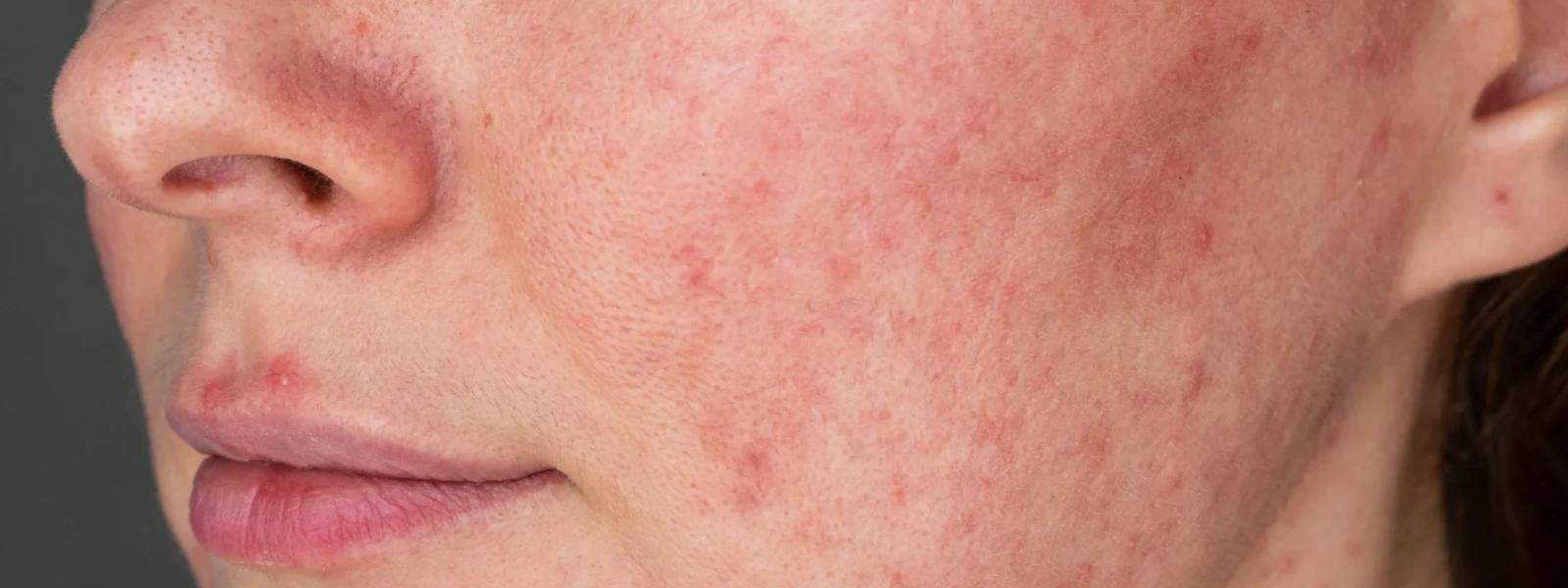
When your cheeks feel tight and look flaky, it's your skin's way of telling you that its protective barrier has been compromised. Facial dryness on the cheeks is particularly common because this area has fewer oil glands compared to your T-zone, making it more vulnerable to moisture loss.
Several factors contribute to this uncomfortable condition. Weather changes, especially during winter months, can strip moisture from your skin faster than it can replenish itself. Indoor heating and air conditioning create low-humidity environments that literally pull water from your skin. Even your skincare routine might be working against you if you're using products with harsh ingredients like alcohol-based toners or over-exfoliating acids.
Hot showers feel wonderful, but they're one of the biggest culprits behind dry skin. The high temperature strips away your skin's natural oils, leaving your cheeks feeling tight and uncomfortable. Similarly, certain medications, including some acne treatments and blood pressure medications, can cause dryness as a side effect.
Most dry cheeks respond well to gentle care and proper moisturising. However, if you're experiencing persistent red cheeks, severe itchy cheeks, or skin that cracks and bleeds, it might indicate conditions like eczema or dermatitis that require professional attention. Pay attention to whether your symptoms worsen with specific products or environmental changes.
When your cheeks are crying out for moisture, you need solutions that work quickly. The most effective immediate approach combines proper technique with the right products.
Start by gently cleansing your face with lukewarm water and a cream-based cleanser. Pat your skin dry with a soft towel, leaving it slightly damp. This residual moisture will help your face moisturiser work more effectively.
Apply your moisturiser within three minutes of cleansing while your skin is still slightly damp. This technique, called wet skin moisturising, can increase hydration levels by up to 10 times compared to applying moisturiser to completely dry skin.
Look for products containing hyaluronic acid, which can hold up to 1,000 times its weight in water. Ceramides help restore your skin barrier, whilst glycerin draws moisture from the environment into your skin. For immediate soothing of sensitive skin, ingredients like niacinamide and allantoin can reduce redness and irritation.

Target & Fade Duo for Hyperpigmentation | Even-Tone Underarms, Inner Thighs & Bum | Refines Skin Texture | For All Skin Types
Your skin does its most important repair work while you sleep, making nighttime the perfect opportunity for intensive dry cheeks relief. Creating an effective overnight routine can dramatically improve your skin's condition by morning.
Begin with a gentle, hydrating cleanser that won't strip your skin. Follow with a hydrating serum containing hyaluronic acid or sodium hyaluronate. These ingredients work throughout the night to plump your skin with moisture.
After your serum, apply a richer night moisturiser containing occlusive ingredients like shea butter, ceramides, or even a thin layer of petroleum jelly on particularly dry areas. These ingredients create a protective seal that prevents water loss whilst you sleep.
Consider using a humidifier in your bedroom, especially during winter months. Aim for humidity levels between 40-60%. This simple change can prevent your skin from losing moisture to dry indoor air whilst you sleep.
Consistency is key when it comes to managing dry skin. A well-structured daily routine addresses both immediate comfort and long-term skin health.
Morning routines should focus on protection and hydration. Use a gentle cleanser, apply a hydrating serum, follow with a moisturiser containing SPF, and don't forget to extend your skincare down to your neck. Sun protection is crucial because UV damage can worsen dryness and lead to premature ageing.
Your evening routine can be more intensive. After cleansing, consider using a gentle exfoliant once or twice a week to remove dead skin cells that can prevent moisturisers from penetrating effectively. Follow with hydrating layers: serum, treatment oils if needed, and a richer night moisturiser.
Your skin's needs change with the seasons. During summer, you might need lighter, gel-based moisturisers, whilst winter calls for richer, cream-based formulations. Pay attention to how your skin responds to environmental changes and adjust accordingly.

Mineral Sunscreen SPF 50 | Matte Finish | No White Cast | Non-Nano Zinc Oxide | Cica | Pregnancy Safe | All Skin Types | 50ml
Sometimes, despite your best efforts, dry cheeks persist or worsen. Knowing when to consult a dermatologist can save you time, money, and discomfort.
If your skin doesn't improve after 4-6 weeks of consistent care, or if you experience symptoms like persistent red cheeks, painful cracking, or signs of infection, professional help is warranted. Dermatologists can prescribe stronger moisturisers, identify underlying conditions, and recommend treatments like prescription retinoids or professional hydrating facials.
A dermatologist will examine your skin, ask about your current routine, and may perform patch testing to identify potential allergens. They might recommend prescription treatments or suggest modifications to your current routine that you hadn't considered.
The best treatment for dry cheeks is prevention. Understanding your skin's triggers and maintaining consistent care can prevent future episodes of dryness and discomfort.
Environmental factors play a huge role in skin health. Use a humidifier during dry months, avoid excessive heat exposure, and always wear SPF when outdoors. Even on cloudy days, UV rays can damage your skin barrier and contribute to dryness.
Stay hydrated by drinking adequate water throughout the day. While drinking water alone won't cure dry skin, dehydration can worsen existing dryness. Include healthy fats in your diet from sources like avocados, nuts, and fish, as these support your skin's natural oil production.
Apply a gentle, fragrance-free moisturiser immediately after cleansing whilst skin is still damp. Use products containing hyaluronic acid or ceramides, and avoid hot water when washing your face. For instant relief, try a hydrating sheet mask or apply a thin layer of facial oil under your moisturiser.
Healthy skin has natural repair mechanisms, but chronic dry skin typically requires ongoing support through proper skincare. Without intervention, dryness often worsens due to environmental factors and natural ageing processes that reduce oil production.

Salicylic Acid Face Cleanser | Deep Cleansing Formula for Breakouts | Unclogs Pores & Controls Oil | For Oily & Acne-Prone Skin | 100ml
Focus on intensive hydration: cleanse gently twice daily, apply a hydrating serum followed by a rich moisturiser, use a humidifier, and apply an overnight treatment with occlusive ingredients. Avoid any harsh products or over-cleansing during this period.
Layer your skincare products from thinnest to thickest consistency. Start with a hydrating toner or essence, follow with a serum containing hyaluronic acid, then apply a moisturiser suited to your skin type. Don't forget SPF during the day to prevent further moisture loss.
Use fragrance-free, gentle products designed for sensitive skin. Apply cool compresses for immediate relief, moisturise frequently throughout the day, and avoid scratching. If itching persists beyond a few days or worsens, consult a dermatologist as this might indicate an underlying condition.
Whilst complete healing takes time, you can immediately improve appearance by gently removing flakes with a soft, damp cloth, applying a hydrating serum, and following with a rich moisturiser. Avoid harsh scrubbing, which can worsen irritation and delay healing.
Steer clear of products containing alcohol, strong fragrances, harsh sulphates, and high concentrations of acids like salicylic acid or glycolic acid. These can strip your skin's natural oils and worsen dryness. Always patch test new products before applying them to your entire face.
At minimum, moisturise twice daily after cleansing. However, if your skin feels tight throughout the day, you can apply a light layer of moisturiser or facial mist as needed. Listen to your skin and adjust frequency based on environmental conditions and your skin's response.
Managing dry cheeks successfully comes down to understanding your skin's needs and responding with consistent, gentle care. The key is finding the right balance of cleansing, hydrating, and protecting without overwhelming your skin with too many products or harsh ingredients.
Remember that skincare is highly individual. What works for others might not work for you, and that's perfectly normal. Through platforms like Smytten Shop, you can explore curated selections of skincare products from trusted brands, often with the opportunity to try samples before committing to full sizes. This approach helps you build a routine that truly works for your unique skin needs without the frustration of purchasing products that don't deliver results.
Your skin's journey towards better hydration and comfort is a process, not a destination. Be patient with yourself, stay consistent with your routine, and don't hesitate to seek professional guidance when needed. With the right approach and products, you can achieve the healthy, comfortable skin you deserve.
