Does Shaving Cause Underarm Darkening in India? FAQ


Target & Fade Duo for Hyperpigmentation | Even-Tone Underarms, Inner Thighs & Bum | Refines Skin Texture | For All Skin Types
You've probably noticed it after months of regular shaving—those stubborn dark patches under your arms that seem to get worse with time. If you're wondering whether your razor is the culprit behind your underarm darkening, you're not alone. This concern affects millions of Indian women, and the relationship between shaving and hyperpigmentation is more complex than you might think. Let's dive into the science behind underarm darkening and discover practical solutions that actually work for Indian skin.
Underarm darkening, medically known as acanthosis nigricans, is a common skin condition that causes dark, velvety patches in body folds. For Indian women, this concern is particularly prevalent due to our naturally higher melanin content and genetic predisposition to pigmentation issues.
The science behind this darkening involves several factors working together. When your skin experiences repeated friction, irritation, or trauma, it responds by producing more melanin as a protective mechanism. This process, called post-inflammatory hyperpigmentation (PIH), is especially pronounced in melanin-rich skin types common across India.
Research shows that nearly 40% of Indian women experience some degree of underarm darkening by their mid-twenties. The condition isn't just cosmetic—it often signals underlying factors like hormonal imbalances, insulin resistance, or chronic irritation from daily habits.
Many believe that dark underarms are simply a hygiene issue, but this couldn't be further from the truth. Underarm darkening has nothing to do with cleanliness and everything to do with skin biology, genetics, and external factors that trigger melanin overproduction.
Here's the real talk: shaving doesn't directly cause underarm darkening, but it can definitely contribute to the problem. The relationship is more nuanced than a simple cause-and-effect scenario.
When you shave, you're creating micro-trauma to the skin surface. Each stroke of the razor removes not just hair but also the top layer of skin cells. For Indian skin, which tends to be more reactive to trauma, this repeated irritation can trigger an inflammatory response that leads to increased melanin production over time.
The "darkening" you notice immediately after shaving is often just stubble showing through the skin. However, frequent shaving with dull blades, improper technique, or harsh products can create chronic irritation that genuinely darkens the skin through post-inflammatory hyperpigmentation.
Indian skin contains more melanocytes (melanin-producing cells) compared to lighter skin tones. This means we're more prone to developing pigmentation in response to irritation, making proper shaving technique crucial for preventing long-term darkening.
Understanding the root causes helps you address the problem effectively. Underarm darkening rarely has a single cause—it's usually a combination of factors working together.
Tight clothing, especially synthetic fabrics, creates constant friction against delicate underarm skin. Combined with frequent shaving using dull razors or poor technique, this mechanical irritation becomes a major contributor to darkening. The constant rubbing triggers chronic inflammation, leading to increased melanin production.

Dark Spot Reduction Set | 3-Step Routine for Hyperpigmentation & Even Skin Tone | Cleanser, Serum & Moisturizer | Skin Care Routine Kit
Hormonal changes during pregnancy, PCOS, or diabetes significantly increase the likelihood of developing acanthosis nigricans. Insulin resistance, common in Indian women due to genetic predisposition, often manifests as darkening in body folds including underarms.
Many deodorants and antiperspirants contain aluminium compounds and fragrances that can irritate sensitive underarm skin. Over time, product buildup combined with inadequate cleansing creates an environment ripe for irritation and subsequent darkening.
Prevention is always better than treatment when it comes to underarm pigmentation. The right approach can help you maintain smooth, even-toned underarms while continuing to shave safely.
Start with gentle exfoliation using a soft washcloth or mild scrub 24 hours before shaving. This removes dead skin cells and helps prevent ingrown hairs. Choose a high-quality shaving cream or gel—avoid soap, which can be too drying and harsh for delicate underarm skin.
Timing matters too. Shave after a warm shower when hair is softer and skin is hydrated. This reduces the force needed and minimises trauma to the skin.
Use a sharp, clean razor—dull blades require more pressure and multiple passes, increasing irritation. Shave in the direction of hair growth first, then against it if needed for a closer shave. Apply minimal pressure and let the razor do the work.
Replace your razor blades regularly. For Indian skin, which tends to be more sensitive, using a blade more than 5-7 times can increase the risk of irritation and subsequent darkening.
Immediately after shaving, rinse with cool water to close pores and apply a gentle, fragrance-free moisturiser. Look for ingredients like niacinamide or aloe vera that soothe irritation and support skin barrier function.
Avoid deodorants or antiperspirants for at least 30 minutes post-shaving to prevent stinging and irritation. When you do apply products, choose alcohol-free formulations designed for sensitive skin.
If shaving continues to cause darkening despite proper technique, consider these alternatives that may be gentler on Indian skin.

Advanced Anti-Pigmentation Kit | Hyperpigmentation Reduction Kit | Cleanser, Serum, Moisturizer & Sunscreen | Complete Skin Care Routine
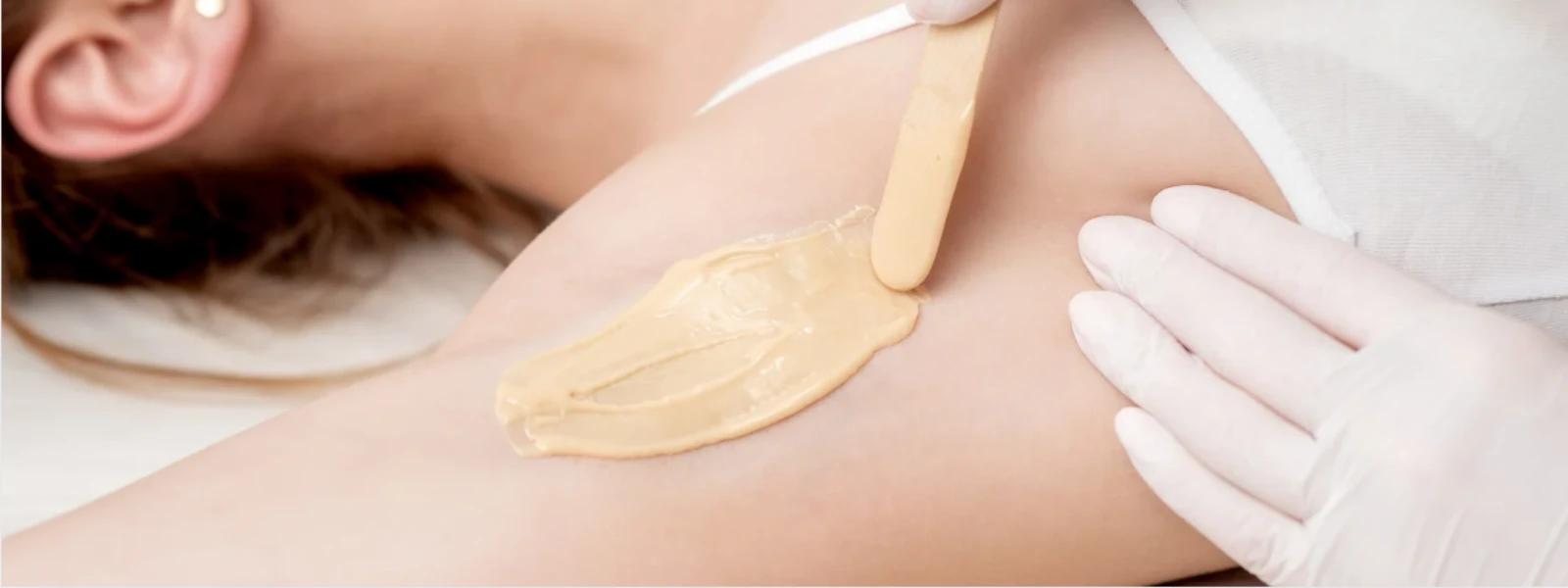
Waxing removes hair from the root, reducing the frequency of hair removal sessions. However, it can cause temporary inflammation that might worsen existing darkening in some people. The key is using high-quality wax and proper aftercare.
Modern laser technology works effectively on Indian skin tones when performed by experienced professionals. While the initial investment is higher (₹15,000-₹30,000 for a complete course), it can eliminate the need for frequent hair removal and reduce long-term irritation.
Chemical depilatories can be gentler than shaving but may cause allergic reactions. Always patch test first and choose formulations specifically designed for sensitive skin. Avoid products with harsh chemicals like thioglycolates if you have reactive skin.
Once darkening has occurred, patience and consistency are key to seeing improvement. Natural remedies can be effective, but they require regular use over several months.
A paste of turmeric and coconut oil applied 2-3 times weekly can help reduce inflammation and gradually lighten pigmentation. The anti-inflammatory properties of turmeric combined with coconut oil's moisturising benefits make this particularly suitable for Indian skin.
Fresh lemon juice mixed with a pinch of baking soda creates a gentle exfoliating treatment. However, use this sparingly (once weekly maximum) as over-exfoliation can worsen darkening.
For stubborn darkening, dermatologist-prescribed treatments containing hydroquinone, tretinoin, or kojic acid can be highly effective. Chemical peels using glycolic acid or lactic acid help accelerate cell turnover and fade pigmentation more quickly than home remedies alone.
Developing a consistent routine tailored to Indian skin needs is crucial for preventing and treating underarm darkening. Your routine should focus on gentle cleansing, regular exfoliation, and barrier protection.
Morning: Cleanse with a gentle, pH-balanced cleanser, apply a lightweight moisturiser with niacinamide, and use an aluminium-free deodorant. Evening: Remove all product buildup with a thorough cleanse, apply treatment serums if using any, and moisturise with ingredients like ceramides or hyaluronic acid.

Even Tone Underarm Mist | Brightening Spray for Dark Underarms | 48H Odour Protection | 7% Glycolic + 3% Lactic Acid | Pack of 2 | 100ml
Incorporate gentle exfoliation once or twice weekly using products with lactic acid or glycolic acid. These AHAs are particularly effective for Indian skin as they're gentler than physical scrubs while still promoting cell turnover.
Shaving-induced darkening is usually reversible with proper care and technique changes. However, chronic irritation from years of improper shaving can lead to more persistent pigmentation that requires professional treatment to fully resolve.
With consistent care, you may notice improvement in 6-8 weeks, but significant lightening typically takes 3-6 months. Indian skin tends to hold onto pigmentation longer, so patience is essential.
From a skin health perspective, not shaving eliminates the risk of irritation-induced darkening. However, personal hygiene and comfort preferences vary. If you choose not to shave, focus on keeping the area clean and dry to prevent bacterial growth.
Temporary darkening from stubble or mild irritation fades within days to weeks. Permanent darkening involves actual melanin deposition in the skin and requires active treatment to reverse.
Indian women are more susceptible to post-inflammatory hyperpigmentation due to higher melanin content. This means improper shaving techniques are more likely to cause lasting darkening compared to lighter skin tones.
Stop the irritation source first by improving shaving technique or switching hair removal methods. Then focus on gentle exfoliation, moisturising, and consider treatments with kojic acid, arbutin, or professional chemical peels.
Understanding the relationship between shaving and underarm darkening empowers you to make informed decisions about your hair removal routine. Remember, darkening is often preventable with proper technique and aftercare, and existing pigmentation can improve with patience and consistent treatment.
The key is finding what works for your individual skin type and lifestyle. Whether you continue shaving with improved technique, switch to alternative hair removal methods, or focus on treating existing darkening, consistency is crucial for seeing results.
For those exploring new skincare solutions, platforms like Smytten Shop offer access to premium brands and curated selections that can help you discover effective treatments for pigmentation concerns. With over 28 million users trusting the platform for beauty discoveries, you can explore options with confidence, often with cashback benefits that make trying new products more affordable.
Your skin journey is unique, and what works for others may not work for you. Focus on gentle, consistent care, and don't hesitate to consult a dermatologist if darkening persists or worsens despite proper care. With the right approach, achieving even-toned, healthy underarms is absolutely possible.
