Dermatologist vs DIY Skincare: Can Lemon Home Remedies Worsen Issues?
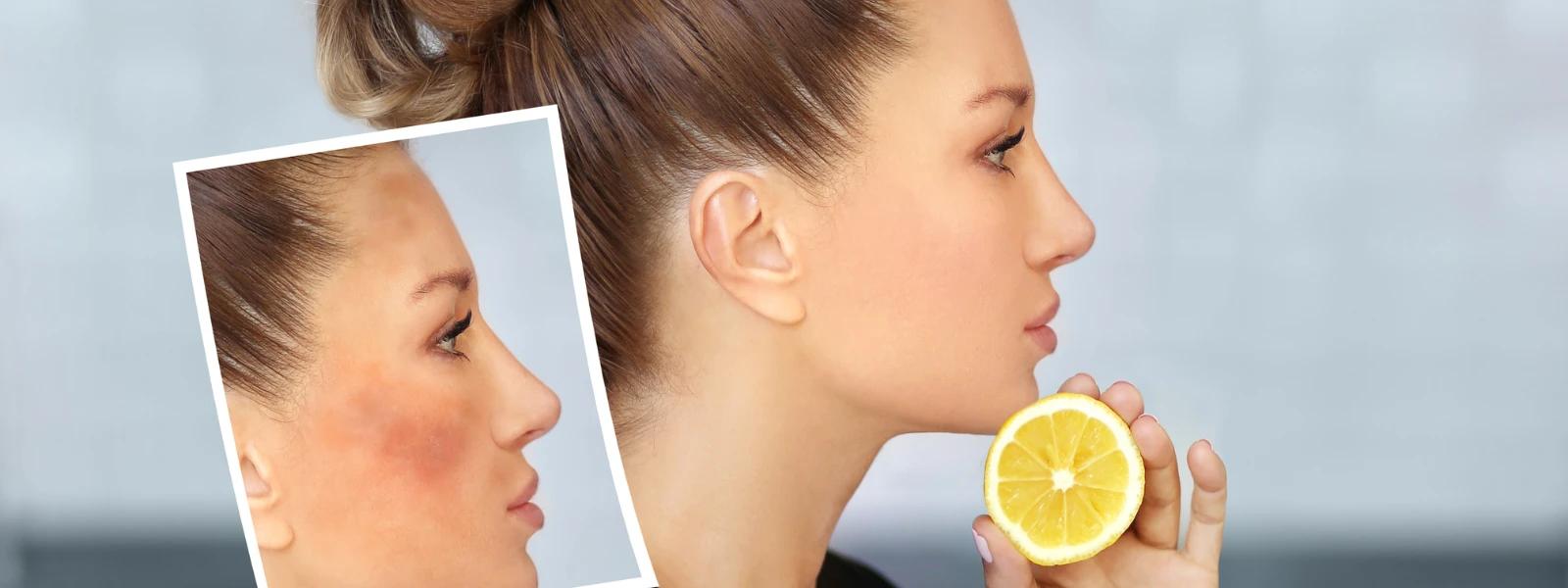

You've seen it everywhere: slice a lemon, rub it on your face, and watch your skin transform overnight. Your Instagram feed is flooded with DIY skincare tutorials promising miracle results from kitchen ingredients. But here's the thing your skin has been trying to tell you – sometimes the most natural approach isn't the safest one. When that burning sensation kicks in after applying lemon juice, or when your skin looks angrier than before, you might wonder: can home remedies like lemon actually make dermatologist vs DIY skincare worse? The short answer is yes, and the reasons might surprise you.
Real talk: your kitchen isn't a laboratory, and your skin isn't a testing ground. While the appeal of natural skincare remedies is understandable, many popular DIY treatments can cause more harm than good. The difference between professional skincare and home experiments lies in understanding how ingredients interact with your skin's delicate ecosystem.
Your skin maintains a careful pH balance between 4.5 and 6.5, creating an optimal environment for healthy function. When you disrupt this balance with harsh DIY ingredients, you're essentially compromising your skin's natural defence system. This disruption can lead to increased sensitivity, inflammation, and paradoxically, the very problems you're trying to solve.
Dermatologists report seeing an increasing number of patients with skin irritation from home remedies. The most frequent culprits include:
Chemical burns from acidic ingredients like lemon, lime, and vinegar
Allergic reactions from essential oils and plant extracts
Contact dermatitis from baking soda and other alkaline substances
Increased photosensitivity leading to severe sunburn and pigmentation
Disrupted skin barrier function causing chronic dryness and irritation
Understanding why we're drawn to home remedies for skin helps explain why they're so persistent despite their risks. The appeal often stems from cost concerns, the belief that natural equals safe, and the instant gratification promised by viral social media content. However, this mindset overlooks the complexity of skin science and the years of research behind professional formulations.
Let's address the elephant in the room: lemon juice on face side effects are far more common than any benefits. Despite countless tutorials claiming lemon can brighten skin and fade dark spots, the science tells a different story. Lemon juice has a pH of approximately 2.0, making it highly acidic and potentially damaging to your skin's natural barrier.
When you apply lemon directly to your skin, you're essentially applying a mild acid without any buffering agents or protective ingredients. This can lead to immediate irritation, burning sensations, and long-term damage including hyperpigmentation – ironically, the opposite of what most people hope to achieve.
The stark difference between lemon's pH (2.0) and your skin's natural pH (4.5-6.5) creates an environment ripe for irritation. Lemon for skin problems often becomes the problem itself. The high concentration of citric acid can cause:
Immediate burning and stinging sensations
Redness and inflammation that can last for days
Increased sensitivity to sunlight (phototoxic reactions)
Post-inflammatory hyperpigmentation, especially on darker skin tones
Compromised skin barrier leading to chronic dryness
Clinical studies have documented numerous cases of citrus-induced dermatitis, with lemon being one of the most common culprits. Research published in dermatological journals shows that citrus fruits contain compounds called furocoumarins, which become activated by UV light and can cause severe burns and permanent pigmentation changes. These aren't isolated incidents – they're predictable reactions based on the chemical composition of citrus fruits.
The fundamental difference between dermatologist vs DIY skincare lies in expertise, safety, and efficacy. While DIY approaches rely on anecdotal evidence and viral trends, dermatological care is grounded in scientific research, clinical experience, and individualised assessment. This distinction becomes crucial when dealing with persistent skin concerns or when home remedies start causing more problems than they solve.
Professional skincare isn't just about having access to stronger ingredients – it's about understanding how those ingredients work together, how they interact with different skin types, and how to monitor for adverse reactions. Dermatologists can identify underlying conditions that might be mistaken for simple skin concerns, preventing months of ineffective self-treatment.
When you choose professional care, you're investing in:
Accurate diagnosis of underlying skin conditions that might be masked by surface symptoms
Personalised treatment plans based on your specific skin type, concerns, and lifestyle
Access to prescription-strength treatments that aren't available over-the-counter
Professional monitoring to adjust treatments and prevent adverse reactions
Evidence-based approaches backed by clinical research rather than social media trends
Rather than harsh DIY treatments, dermatologists typically recommend gentle, pH-balanced formulations with proven ingredients like niacinamide for oil control, hyaluronic acid for hydration, and properly formulated AHAs for exfoliation. These ingredients are formulated at safe concentrations with supporting ingredients that minimise irritation while maximising benefits.
Not all natural skincare remedies are created equal. While many popular DIY treatments can cause harm, some natural ingredients do have scientific backing when used appropriately. The key is understanding which ingredients have proven benefits and how to use them safely, rather than following every trend that promises miraculous results.
The difference between helpful and harmful natural remedies often comes down to pH levels, concentration, and application method. Ingredients that work well in professional formulations might be too harsh or ineffective when used in their raw form at home.
Some natural ingredients have legitimate scientific backing:
Colloidal oatmeal for gentle exfoliation and soothing irritated skin
Raw honey (particularly Manuka honey) for its antimicrobial and wound-healing properties
Aloe vera gel for reducing inflammation and providing hydration
Green tea (cooled) as a gentle toner rich in antioxidants
Cucumber for temporary cooling and mild anti-inflammatory effects
These common DIY ingredients can cause significant damage:
Baking soda – too alkaline, disrupts skin's pH balance
Essential oils without proper dilution – can cause severe allergic reactions
Toothpaste – contains harsh detergents and fluoride that can burn skin
Raw citrus fruits – highly acidic and phototoxic
Apple cider vinegar (undiluted) – can cause chemical burns
Recognising when your DIY skincare routine is causing more harm than good is crucial for preventing long-term damage. Your skin communicates distress through various signals, and learning to interpret these signs can save you from weeks or months of dealing with irritation, inflammation, or scarring.
The challenge with DIY skincare dangers is that damage isn't always immediate. Some reactions, particularly those involving photosensitivity, might not become apparent until hours or even days after application, especially after sun exposure.
Watch for these red flags that indicate your home remedies are causing harm:
Persistent redness that doesn't subside within a few hours
Burning or stinging sensations during or after application
New breakouts or worsening of existing acne
Unusual dryness or flaking in areas where you've applied treatments
Changes in skin pigmentation, either darkening or lightening
Increased sensitivity to products you previously tolerated well
Some situations require immediate professional attention. Stop all DIY treatments and consult a dermatologist if you experience severe allergic reactions, signs of chemical burns (blistering, severe pain, or white/grey patches), persistent irritation lasting more than 48 hours, or any signs of infection such as pus, increased warmth, or red streaking.
Safe treating skin conditions at home focuses on supporting your skin's natural functions rather than trying to force dramatic changes with harsh ingredients. The most effective home care routines are often the simplest ones, built around gentle cleansing, appropriate moisturising, and consistent sun protection.
When transitioning from potentially harmful DIY treatments to safer practices, patience is key. Your skin needs time to recover from any damage and to respond to gentler approaches. This process might take several weeks, but the long-term benefits far outweigh the temporary adjustment period.
Focus on these dermatologist-approved home care strategies:
Gentle cleansing with lukewarm water and mild, pH-balanced cleansers
Consistent moisturising with ceramide or hyaluronic acid-containing products
Daily SPF application of at least SPF 30, even indoors
Stress management through adequate sleep, exercise, and relaxation techniques
Hydration from within by drinking adequate water throughout the day
Making the switch from DIY to professional care doesn't have to be overwhelming. Start by documenting your current routine, including any reactions you've experienced. This information helps dermatologists understand your skin's history and current state. Many platforms like Smytten Shop offer curated selections of dermatologist-recommended products, making it easier to find professional-grade skincare without the guesswork of DIY formulations.
Yes, lemon juice can cause permanent damage, particularly hyperpigmentation and scarring. The high acidity can burn skin tissue, and the phototoxic compounds can cause severe reactions when exposed to sunlight. These effects can be permanent, especially on darker skin tones.
Most professional treatments show initial improvements within 4-6 weeks, with significant results visible after 8-12 weeks of consistent use. This timeline varies depending on your specific concerns and the treatments prescribed.
Price doesn't always indicate quality, but professionally formulated products undergo safety testing and contain ingredients at proven concentrations. The key is choosing products appropriate for your skin type and concerns, whether they're budget-friendly or premium options.
Some natural ingredients can be used safely at home, but they should be properly prepared and patch-tested first. Stick to gentle options like oatmeal, honey, or aloe vera, and avoid highly acidic or alkaline substances.
Consult a dermatologist for persistent acne, unusual moles or skin changes, chronic skin conditions like eczema or rosacea, severe reactions to products, or when home treatments consistently make problems worse.
The allure of home remedies for skin is understandable – they promise quick, natural solutions to complex skin concerns. However, the reality is that effective skincare requires understanding the science behind ingredients, proper formulation, and individualised approaches. While some natural ingredients can be beneficial when used correctly, many popular DIY treatments, particularly those involving acidic ingredients like lemon, can cause significant harm.
The choice between dermatologist vs DIY skincare doesn't have to be all-or-nothing. The best approach often combines professional guidance with appropriate home care. Platforms like Smytten Shop make this easier by offering access to dermatologist-recommended brands and products, allowing you to try professional-grade formulations before committing to full sizes. With over 28 million users discovering safer, more effective skincare options, you're not alone in making the transition from potentially harmful DIY treatments to science-backed solutions.
Your skin deserves care that's both safe and effective. By understanding the risks of harsh home remedies and embracing professional guidance when needed, you're investing in long-term skin health rather than quick fixes that might leave you worse off than when you started.
