Dealing with City Dark Spots FAQ: Causes & Treatments


Target & Fade Duo for Hyperpigmentation | Even-Tone Underarms, Inner Thighs & Bum | Refines Skin Texture | For All Skin Types
Ever noticed how your skin seems to develop more dark spots since moving to the city? You're not imagining it. Urban environments create the perfect storm for hyperpigmentation – from pollution particles settling on your skin to increased UV reflection bouncing off concrete and glass. If you've been dealing with stubborn uneven skin tone that wasn't there before city life, you're definitely not alone. Let's dive into why this happens and what actually works to fade those frustrating spots.
City dark spots are a specific type of skin discoloration that develops primarily due to urban environmental factors. Unlike age spots or hormonal melasma, these spots form when your skin's melanin production goes into overdrive as a protective response to city pollutants and environmental stressors.
When pollution particles land on your skin, they create microscopic inflammation. Your skin responds by producing more melanin to protect itself, leading to those telltale dark patches. This process is accelerated in cities where UV rays bounce off buildings and pavement, creating what dermatologists call "urban UV amplification." The heat island effect in cities also plays a role – higher temperatures can trigger increased melanin production, making existing spots darker and encouraging new ones to form.
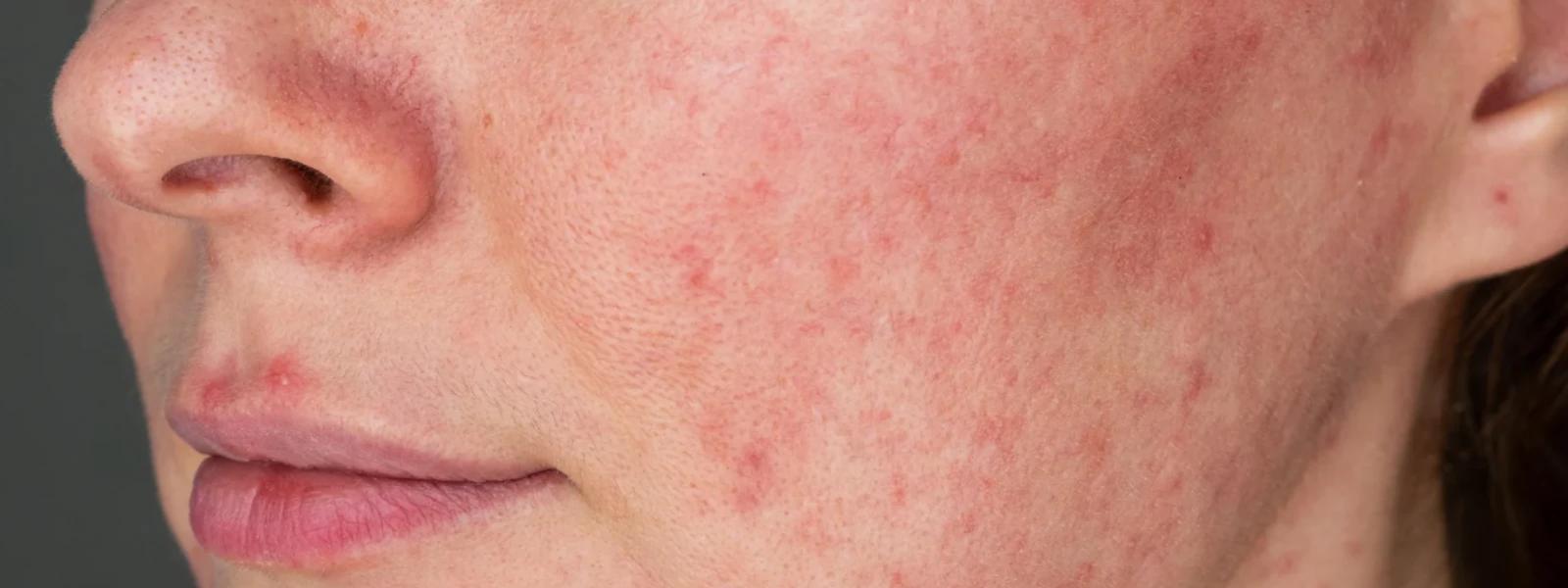
City dark spots typically appear on areas most exposed to environmental pollutants: your forehead, cheeks, and around your nose. They're often smaller and more numerous than sun spots, with irregular edges that reflect the chaotic nature of urban pollution exposure. Unlike hormonal pigmentation, these spots don't follow your natural facial contours but appear wherever pollution settles most.
Living in a city exposes your skin to a cocktail of environmental aggressors that rural dwellers simply don't face. The combination creates a perfect storm for accelerated pigmentation that can catch even skincare-savvy people off guard.
Air pollution contains particulate matter (PM2.5 and PM10) that's small enough to penetrate your skin's barrier. These particles generate free radicals that damage skin cells and trigger inflammatory responses. Your skin produces melanin as protection, but in cities, this process never really stops. The constant exposure means your skin is always in "defence mode," leading to persistent hyperpigmentation.
Urban UV exposure is also more complex than simple sun damage. Concrete, glass, and metal surfaces reflect UV rays at angles that can hit your face even when you're in shade. This scattered UV exposure contributes to uneven skin tone patterns that are distinctly urban.

Mineral Sunscreen SPF 50 | Matte Finish | No White Cast | Non-Nano Zinc Oxide | Cica | Pregnancy Safe | All Skin Types | 50ml
City living often means irregular sleep patterns, which disrupts your skin's natural repair cycle. When your skin can't properly regenerate overnight, damaged cells accumulate, making pigmentation more likely to stick around. Stress from urban life also increases cortisol levels, which can stimulate melanin production and worsen existing skin discoloration.
Treating urban-induced pigmentation requires a multi-pronged approach that addresses both existing spots and prevents new ones from forming. The key is choosing treatments that can handle the ongoing environmental assault your skin faces daily.
Vitamin C serum is your first line of defence against city dark spots. Look for stable forms like magnesium ascorbyl phosphate or sodium ascorbyl phosphate, which won't oxidise as quickly in polluted environments. Apply it in the morning under your SPF for maximum protection against free radical damage.
Exfoliating acids are crucial for city dwellers because they help remove the buildup of pollution particles and dead skin cells that can trap pigmentation. AHAs like glycolic acid work on the surface, while BHAs like salicylic acid penetrate deeper to clear pores clogged with urban grime. Start with 2-3 times per week and build up tolerance gradually.
Niacinamide is particularly effective for urban pigmentation because it addresses multiple concerns simultaneously. It reduces inflammation from pollution exposure, regulates melanin production, and strengthens your skin barrier against environmental damage. Look for concentrations between 5-10% for optimal results without irritation.
Alpha arbutin and kojic acid are gentler alternatives to hydroquinone that work well for sensitive skin dealing with city pollution. These ingredients inhibit tyrosinase, the enzyme responsible for melanin synthesis, helping to fade dark spots gradually over 8-12 weeks of consistent use.
While professional treatments are most effective, certain natural approaches can support your skin brightening routine, especially when dealing with mild city-induced discolouration.
Green tea contains powerful antioxidants that can help neutralise the free radicals generated by pollution exposure. Brew strong green tea, let it cool, and use it as a toner or compress on affected areas. The polyphenols help reduce inflammation and may slow melanin production.

Salicylic Acid Face Cleanser | Deep Cleansing Formula for Breakouts | Unclogs Pores & Controls Oil | For Oily & Acne-Prone Skin | 100ml
Liquorice root extract contains glabridin, which naturally inhibits tyrosinase activity. You can find this in many gentle skin brightening products or make a DIY treatment by steeping liquorice root tea and applying the cooled liquid to dark spots.
Natural methods work slowly and are best viewed as supportive treatments rather than primary solutions. While some people see improvement in 4-6 weeks, stubborn city dark spots typically require 3-6 months of consistent natural treatment to show significant fading. For faster results, combine natural methods with proven actives like vitamin C serum or exfoliating acids.
Creating a routine that addresses city dark spots means thinking beyond just treatment – you need protection, repair, and prevention working together daily.
Start with a gentle cleanser that removes overnight pollution buildup without stripping your skin. Follow with a vitamin C serum to create an antioxidant shield, then apply a broad-spectrum SPF 30 or higher. Choose a sunscreen with iron oxides, which provide additional protection against visible light that can worsen pigmentation.
Double cleanse in the evening to remove the day's pollution accumulation. Use an oil cleanser first to dissolve makeup and sunscreen, followed by a water-based cleanser to remove remaining impurities. This is when you'll apply your dark spot correctors and exfoliating acids, as these work best when your skin can focus on repair rather than protection.
The best approach to city dark spots is preventing them from forming in the first place. This means creating barriers against environmental damage while supporting your skin's natural defence mechanisms.
Beyond SPF, consider using products with pollution-fighting ingredients like niacinamide, vitamin E, and ceramides. These help strengthen your skin barrier and neutralise environmental damage before it can trigger pigmentation. Reapply SPF every 2-3 hours, especially if you're outdoors frequently.

Hydrating Moisturizer | Non-Comedogenic | Boosts Collagen & Hydrates Deeply | Ceramides + Niacinamide | For Normal to Dry Skin | 50g
Stay hydrated to help your skin flush out toxins more effectively. Aim for antioxidant-rich foods like berries, leafy greens, and green tea to support your skin from the inside. Regular exercise improves circulation, helping deliver nutrients to skin cells and remove waste products that could contribute to pigmentation.
Most people notice initial improvements in 4-6 weeks with consistent use of active ingredients like vitamin C serum or exfoliating acids. Significant fading typically occurs over 3-6 months, as this matches your skin's natural cell turnover cycle. City dark spots can be more stubborn than other types of pigmentation due to ongoing environmental exposure, so patience and consistency are key.
Yes, but introduce them gradually to avoid irritation. Start with one active ingredient for 2-3 weeks, then slowly add others. A typical combination might include vitamin C serum in the morning and exfoliating acids in the evening, with niacinamide used twice daily as it's generally well-tolerated with other actives.
Winter air pollution often gets trapped closer to ground level due to temperature inversions, increasing your exposure to harmful particles. Indoor heating can also dehydrate your skin, making pigmentation appear more prominent. Maintain your protective routine year-round and consider adding a humidifier to combat dry indoor air.
Not necessarily. The key is finding products with proven active ingredients at effective concentrations. A well-formulated drugstore vitamin C serum can be just as effective as a luxury version. Focus on ingredient quality and your skin's response rather than price point.
City-induced spots typically appear on the most exposed areas of your face and tend to be smaller and more numerous than hormonal or age-related pigmentation. They often develop gradually after moving to an urban area or during periods of increased pollution exposure. If you're unsure, a dermatologist can help identify the specific type of pigmentation you're dealing with.
Dealing with city dark spots requires understanding that urban environments create unique challenges for your skin. The combination of pollution, reflected UV rays, and lifestyle factors accelerates melanin production and makes pigmentation more persistent. However, with the right approach combining protective measures, targeted treatments, and consistent care, you can successfully fade dark spots and prevent new ones from forming.
Remember that treating urban pigmentation is a marathon, not a sprint. Focus on building sustainable habits that protect your skin daily while using proven actives to address existing uneven skin tone. Whether you're exploring options on platforms like Smytten Shop, where you can try products before committing to full sizes, or working with a dermatologist, the key is finding what works for your specific skin needs and sticking with it consistently. Your skin will thank you for the patience and care you invest in protecting it from city life's unique challenges.
