Dark Underarms FAQ: Causes, Remedies, and Lightening Tips


Dark Spot Reduction Set | 3-Step Routine for Hyperpigmentation & Even Skin Tone | Cleanser, Serum & Moisturizer | Skin Care Routine Kit
You've noticed it in changing room mirrors, during sleeveless outfit trials, or whilst reaching for something on a high shelf. That darker patch of skin under your arms that seems to have appeared gradually, making you second-guess your favourite summer tops. Dark underarms affect millions of people worldwide, yet it remains one of those concerns we rarely discuss openly. The good news? Underarm discoloration is typically harmless and highly treatable once you understand what's causing it. From hormonal shifts to simple friction, the reasons behind armpit darkening are more common than you might think, and the solutions are often simpler than expected.
Dark underarms occur when the delicate skin in your armpit area produces excess melanin or develops thickened patches. Unlike other areas of your body, underarm skin is particularly sensitive due to constant friction, moisture, and contact with various products. The result can range from light brown patches to deep, velvety-textured areas that feel different to the touch.
Hyperpigmentation underarms manifests as darker patches that can vary in colour from light brown to deep black. The affected area might feel thicker or rougher than surrounding skin, and in some cases, you might notice a velvety texture. This isn't just surface-level discolouration - the skin structure itself can change, creating patches that look and feel different from your normal skin tone.
The medical term for most cases of underarm discoloration is acanthosis nigricans. This condition creates thick, velvety patches of darker skin, typically in body folds like armpits, neck, and groin areas. It's often linked to insulin resistance, where your body struggles to process sugar effectively, leading to increased melanin production in these sensitive areas.
Understanding what causes dark underarms is the first step towards effective treatment. The reasons behind armpit hyperpigmentation often overlap, which explains why some people struggle with persistent discolouration despite trying various remedies.
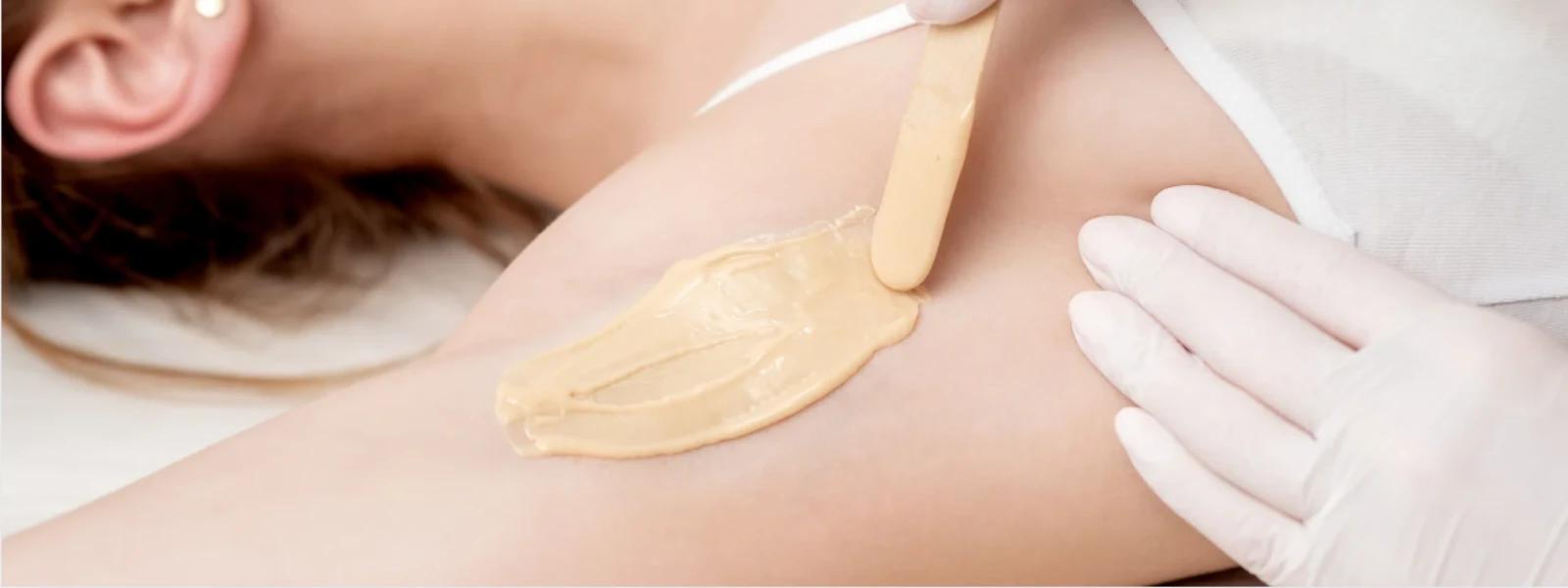
Frequent shaving tops the list of dark underarms causes. Each time you shave, you create microscopic injuries to the skin surface. Over time, this repeated trauma triggers post-inflammatory hyperpigmentation - your skin's natural response to irritation. Tight clothing compounds this problem by creating constant friction against already sensitive skin. The combination of synthetic fabrics and snug fits can trap moisture and bacteria whilst continuously rubbing against the delicate underarm area.

Even Tone Underarm Mist | Brightening Spray for Dark Underarms | 48H Odour Protection | 7% Glycolic + 3% Lactic Acid | Pack of 2 | 100ml
Your daily deodorant or antiperspirant might be contributing to armpit darkening. Many conventional products contain alcohol, aluminium salts, and synthetic fragrances that can irritate sensitive skin over time. When you don't properly cleanse these products away, they build up on your skin surface, mixing with dead skin cells and creating a perfect environment for discolouration to develop.
PCOS and insulin resistance are significant contributors to uneven skin tone armpits. When your body becomes resistant to insulin, it produces more of this hormone to compensate. Excess insulin can stimulate melanin production, leading to darker patches in fold areas. Thyroid disorders can also affect skin pigmentation, whilst pregnancy hormones often cause temporary darkening that usually resolves after delivery.
The approach to treating dark armpits depends on the underlying cause and severity of discolouration. Professional treatments offer faster results for stubborn cases, whilst gentle home remedies work well for mild discolouration caused by friction or product buildup.
Dermatologists can prescribe hydroquinone creams (typically 2-4% concentration) that gradually lighten pigmented areas over several months. Tretinoin helps accelerate skin cell turnover, revealing fresher, more evenly toned skin underneath. For severe cases, laser therapy can target deep pigmentation, though multiple sessions are usually required for optimal results.
Gentle exfoliation remains one of the most effective dark armpits remedies you can try at home. Use a soft cloth or gentle scrub 2-3 times weekly to remove dead skin buildup. Natural ingredients like lemon juice contain citric acid that can help lighten pigmentation, though you must use them carefully to avoid further irritation. Always moisturise after any lightening treatment to support your skin's healing process.
Prevention proves far easier than treatment when it comes to underarm discoloration. Simple changes to your daily routine can significantly reduce your risk of developing armpit hyperpigmentation in the first place.

Target & Fade Duo for Hyperpigmentation | Even-Tone Underarms, Inner Thighs & Bum | Refines Skin Texture | For All Skin Types
Switch to a sharp, clean razor and always shave in the direction of hair growth to minimise irritation. Consider reducing shaving frequency or exploring alternatives like laser hair removal, which can eliminate the need for regular shaving altogether. Always moisturise immediately after hair removal to soothe any irritation.
Look for aluminium-free deodorants with minimal ingredients and no synthetic fragrances. Natural options containing ingredients like coconut oil, shea butter, or zinc oxide can provide odour protection without causing irritation. Ensure you're thoroughly cleansing your underarms each evening to remove product buildup.
Maintaining a healthy weight can help reduce insulin resistance, one of the primary causes of armpit discoloration. Choose breathable, loose-fitting clothing made from natural fibres like cotton or bamboo. These materials allow better air circulation and reduce friction against sensitive skin.
Whilst most cases of dark underarms are harmless, certain signs warrant professional evaluation. Understanding when to seek medical advice can help you address underlying health conditions early.
Sudden onset of severe darkening, especially if accompanied by itching, pain, or unusual texture changes, requires prompt medical evaluation. If the discolouration spreads rapidly to other body areas or you develop additional symptoms like fatigue or unexplained weight changes, these could indicate underlying metabolic conditions that need treatment.
Your dermatologist will examine the affected area and may recommend blood tests to check for diabetes, thyroid function, or hormonal imbalances. They'll discuss your medical history, current medications, and skincare routine to identify potential triggers. Treatment plans are typically customised based on the underlying cause and your skin's response to initial interventions.

Mineral Sunscreen SPF 50 | Matte Finish | No White Cast | Non-Nano Zinc Oxide | Cica | Pregnancy Safe | All Skin Types | 50ml
Sudden armpit darkening often results from hormonal changes, new medications, rapid weight gain, or the development of insulin resistance. Pregnancy, PCOS, and certain medications like corticosteroids can trigger rapid pigmentation changes. If you notice sudden darkening, it's worth consulting a healthcare provider to rule out underlying conditions.
Yes, dark underarms can often be significantly lightened or completely resolved with proper treatment. The key is addressing the underlying cause - whether that's changing your hair removal method, switching products, or treating hormonal imbalances. Professional treatments combined with lifestyle changes typically yield the best long-term results.
Most people notice improvement within 6-12 weeks of consistent treatment. Mild discolouration from product buildup or friction may improve within a month, whilst deeper hyperpigmentation underarms linked to hormonal issues can take 3-6 months to show significant lightening. Patience and consistency are crucial for success.
Acanthosis nigricans, the condition causing most dark underarm patches, is often associated with insulin resistance - a precursor to type 2 diabetes. However, not everyone with dark underarms has diabetes. If you're concerned, ask your doctor about blood sugar testing, especially if you have other risk factors like family history or excess weight.
Gentle exfoliation with oatmeal or baking soda can help remove dead skin buildup. Lemon juice contains natural acids that may help lighten pigmentation, though it can cause irritation in some people. Coconut oil provides moisturising benefits that support skin healing. However, natural remedies work slowly and aren't suitable for everyone - patch test first.
Insulin resistance is the most common underlying factor, but vitamin deficiencies rarely directly cause underarm discoloration. However, poor nutrition can worsen insulin resistance, indirectly contributing to pigmentation issues. Maintaining a balanced diet rich in whole foods supports overall skin health and metabolic function.
Dark underarms are incredibly common and usually harmless, affecting people of all ages and skin types. The most important step is identifying what's causing your specific case of underarm discoloration - whether it's friction from shaving, product irritation, or underlying hormonal factors. With the right approach, most cases of armpit hyperpigmentation can be significantly improved or completely resolved.
Remember that treating dark underarms requires patience and consistency. Start with gentle changes like switching to fragrance-free products and improving your hair removal technique. If you don't see improvement after a few months, or if you're concerned about underlying health conditions, don't hesitate to consult a dermatologist. Your skin deserves the same care and attention you give to your face - and with the right knowledge and products, you can feel confident in any outfit you choose to wear.
