Dark Spots Remedies for Face FAQ: Your Guide to Clearer Skin


Target & Fade Duo for Hyperpigmentation | Even-Tone Underarms, Inner Thighs & Bum | Refines Skin Texture | For All Skin Types
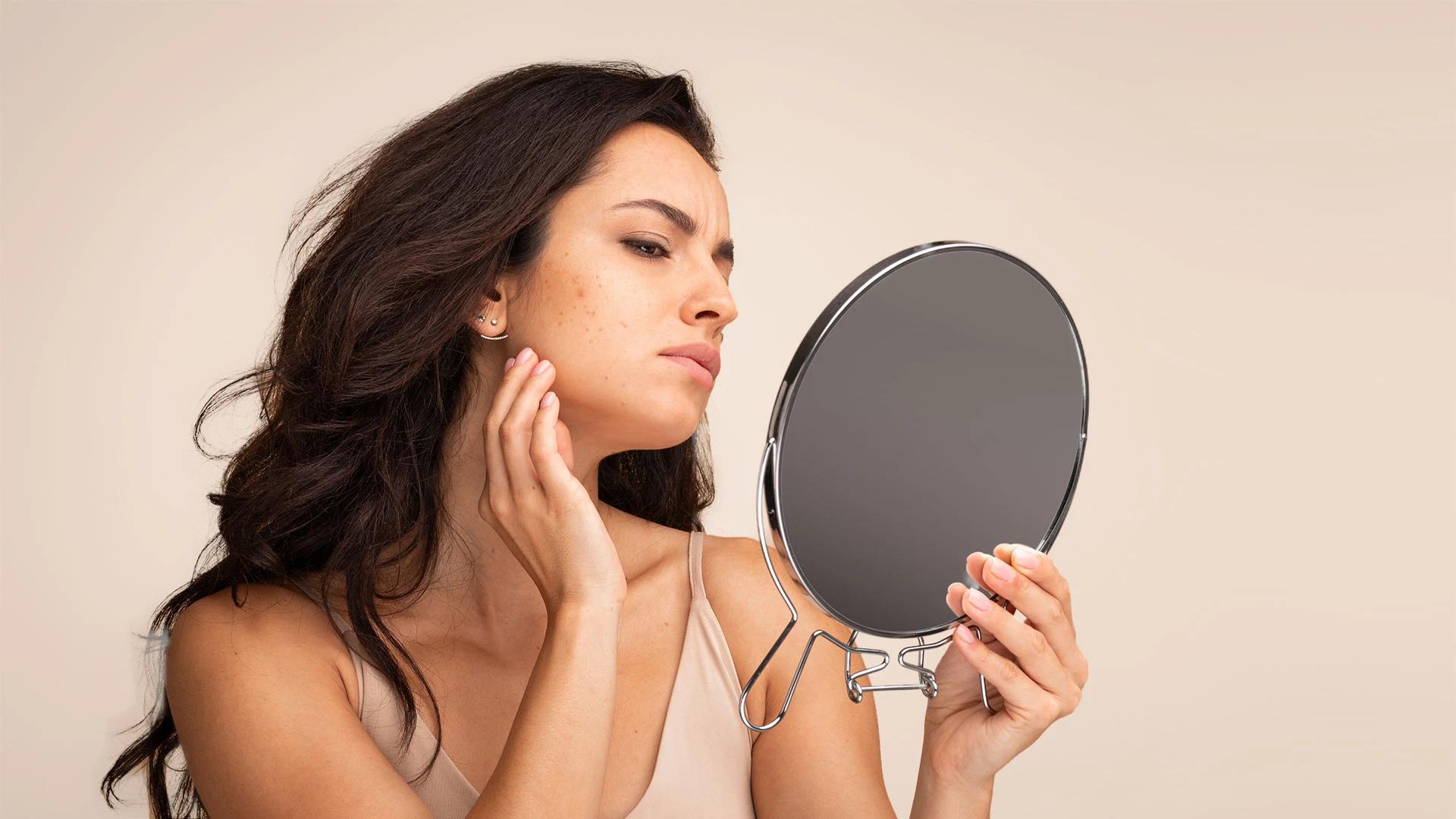
You've been staring at that stubborn dark spot on your cheek for months now, wondering if it'll ever fade. Whether it's a reminder of last summer's holiday tan, a lingering mark from that hormonal breakout, or something that appeared seemingly overnight, dark spots have a way of making us hyper-aware of our reflection. The good news? There are proven dark spots remedies for face that actually work, and you don't need to spend a fortune or wait forever to see results. Let's dive into everything you need to know about achieving clearer, more even-toned skin.
Before we jump into solutions, it's worth understanding what we're actually dealing with. Dark spots, medically known as hyperpigmentation, occur when certain areas of your skin produce more melanin than others. Think of melanin as your skin's natural defence mechanism – it's what gives your skin its colour and protects it from UV damage.
The most common types you'll encounter include melasma (those symmetrical patches that often appear during pregnancy or hormonal changes), age spots (flat brown spots that develop over time), sun spots (direct results of UV exposure), and post-inflammatory hyperpigmentation or PIH (dark marks left behind after acne or skin injury). Each type responds differently to treatment, which is why a one-size-fits-all approach rarely works.
What triggers these spots? Sun exposure is the biggest culprit – those UV rays stimulate melanin production, and sometimes the process goes a bit haywire. Hormonal fluctuations, particularly during pregnancy or when starting new contraception, can also trigger melasma. Even something as simple as picking at a spot can lead to PIH, especially if you have deeper skin tones that are naturally more prone to skin discoloration.
Let's start with natural remedies for dark spots that you can try at home. These work more gradually than professional treatments, but they're gentler and often more budget-friendly. The key is consistency – natural ingredients need time to work their magic.
Vitamin C from natural sources like lemon juice can help brighten skin, but it needs to be used carefully. Mix fresh lemon juice with honey (which has natural antibacterial properties) and apply it as a spot treatment for 10-15 minutes before rinsing off. The citric acid provides gentle exfoliation whilst honey soothes and moisturises.
Aloe vera gel contains compounds called aloesin and arbutin that may help inhibit melanin production. Apply pure aloe vera gel directly to dark spots twice daily – it's gentle enough for sensitive skin and provides hydration whilst working to fade dark spots gradually.
For a more intensive approach, try a turmeric and yoghurt mask once or twice weekly. Turmeric contains curcumin, which has anti-inflammatory properties, whilst yoghurt provides lactic acid for gentle exfoliation. Mix half a teaspoon of turmeric powder with two tablespoons of plain yoghurt, apply for 15 minutes, then rinse with lukewarm water.
Green tea isn't just for drinking – cooled green tea can be applied as a toner. The antioxidants help protect against further damage whilst the mild astringent properties may help with uneven skin tone. Brew a strong cup, let it cool completely, and apply with a cotton pad twice daily.

Mineral Sunscreen SPF 50 | Matte Finish | No White Cast | Non-Nano Zinc Oxide | Cica | Pregnancy Safe | All Skin Types | 50ml
When you're ready to step up your game, professional-grade ingredients offer faster and often more dramatic results. These are the best dark spot correctors that dermatologists recommend, and many are now available in over-the-counter formulations.
Vitamin C serum for dark spots is probably the most accessible and effective starting point. Look for serums containing 10-20% L-ascorbic acid or more stable forms like magnesium ascorbyl phosphate. Vitamin C not only helps fade existing spots but also prevents new ones from forming by neutralising free radicals.
Niacinamide (vitamin B3) is another gentle but effective option, particularly good for those with sensitive skin. It works by inhibiting the transfer of melanin to skin cells and can be used alongside other active ingredients without irritation. Look for concentrations between 5-10%.
Alpha hydroxy acids (AHAs) like glycolic acid and lactic acid work by speeding up cell turnover, essentially helping your skin shed the pigmented cells faster. Start with lower concentrations (5-10%) and use only in the evening, always followed by SPF during the day.
For stubborn spots, retinoids are often considered the gold standard. They work by accelerating cell turnover and can help with both existing pigmentation and preventing new spots. Start with over-the-counter retinol products before considering prescription-strength options.
Kojic acid and arbutin are two other ingredients worth knowing about. Both work by inhibiting tyrosinase, the enzyme responsible for melanin production. They're particularly effective for melasma treatments and can be gentler alternatives to hydroquinone.
Not all dark spots are created equal, and what works for sun spots might not be the best approach for melasma. Let's break down targeted strategies for different types of hyperpigmentation.
Melasma can be particularly tricky because it's often triggered by internal factors like hormones. The key is gentle, consistent treatment combined with religious sun protection. Vitamin C, niacinamide, and azelaic acid are excellent choices because they're effective but less likely to cause irritation that could worsen the condition.
If you're pregnant or breastfeeding, stick to natural remedies and gentle ingredients like vitamin C and niacinamide. Avoid retinoids and high-concentration acids during this time.

Salicylic Acid Face Cleanser | Deep Cleansing Formula for Breakouts | Unclogs Pores & Controls Oil | For Oily & Acne-Prone Skin | 100ml
Age spot removal often responds well to more intensive treatments because these spots are usually well-established and located in the upper layers of skin. AHAs, retinoids, and vitamin C can all be effective. Consider professional treatments like chemical peels for faster results on stubborn sun spots.
PIH from acne requires a gentle approach since the skin may still be healing. Niacinamide is particularly good here because it also helps with oil control and inflammation. Vitamin C and gentle AHAs can also help, but introduce them slowly to avoid irritation.
The most effective hyperpigmentation treatment is one that fits seamlessly into your daily routine. Here's how to build a regimen that actually works for your lifestyle and skin type.
Start with a gentle cleanser that won't strip your skin. Apply your vitamin C serum to clean skin, followed by a moisturiser and – this is non-negotiable – broad-spectrum SPF 30 or higher. Sun protection is crucial because UV exposure can darken existing spots and create new ones.
If you're using multiple serums, apply them from thinnest to thickest consistency. Vitamin C should go on first, followed by niacinamide if you're using both.
Evening is when you can use your more potent treatments. After cleansing, apply any acid treatments (AHAs, retinoids) to clean, dry skin. Wait 10-15 minutes before applying other products to ensure proper absorption.
Follow with a nourishing moisturiser to support your skin barrier. If you're using multiple active ingredients, consider alternating nights to prevent irritation – retinoids one night, AHAs the next, with gentle recovery nights in between.
Once or twice weekly, incorporate a more intensive treatment like a brightening mask or higher-concentration acid treatment. This is also when you might use natural remedies like the turmeric mask mentioned earlier.
Keep a skin diary to track what works and what doesn't. Take photos in consistent lighting to monitor progress – sometimes changes are so gradual that we don't notice them day to day.

Hydrating Moisturizer | Non-Comedogenic | Boosts Collagen & Hydrates Deeply | Ceramides + Niacinamide | For Normal to Dry Skin | 50g
Most people start noticing improvements in skin texture and brightness within 2-4 weeks of consistent treatment. However, significant fading of dark spots typically takes 6-12 weeks, with stubborn spots potentially requiring 3-6 months of consistent treatment. The key is patience and consistency – results come to those who stick with their routine.
Yes, but introduce new ingredients gradually to avoid irritation. Start with one active ingredient for 2-3 weeks, then slowly add others. Some combinations work particularly well together – vitamin C and niacinamide, for example, or gentle AHAs with hydrating ingredients. Always patch test new combinations first.
Natural remedies work more gradually and are generally gentler, making them good options for sensitive skin or those preferring a more natural approach. Professional treatments typically offer faster, more dramatic results but may cause more irritation. Many people find success combining both approaches – using gentle natural treatments daily with occasional professional treatments for faster results.
Dark spots can return if the underlying causes aren't addressed. Sun exposure is the biggest risk factor, so consistent SPF use is essential. Hormonal spots may return during times of hormonal fluctuation. The good news is that with proper prevention and maintenance, most people can keep their results long-term.
Melasma typically appears as symmetrical patches on both sides of the face and is often triggered by hormonal changes. Regular dark spots are usually more random in placement and often caused by sun damage or post-inflammatory hyperpigmentation. Melasma can be more challenging to treat and may require different approaches than other types of dark spots.
Prevention is always easier than treatment. Daily broad-spectrum SPF, antioxidant serums (like vitamin C), and avoiding picking at spots or irritating the skin can significantly reduce your risk of developing new dark spots. If you're prone to hormonal pigmentation, gentle consistent skincare becomes even more important.
Dealing with dark spots can feel frustrating, especially when you're eager to see results. Remember that effective skin discoloration correction is a marathon, not a sprint. The most successful approach combines patience, consistency, and the right products for your specific skin type and concerns.
Whether you choose natural remedies, professional treatments, or a combination of both, the key is finding a routine you can stick with long-term. Your skin will thank you for the consistent care, and those stubborn spots will gradually fade with time and dedication.
For those looking to explore curated skincare options, platforms like Smytten offer the chance to try products before committing to full sizes – particularly helpful when you're testing new dark spot correctors or building a routine that works for your unique skin needs. With over 28 million users discovering their perfect skincare matches, sometimes the best approach is trying before you buy.
