Dark Spots FAQ: Understanding How They Form & Treatment


Target & Fade Duo for Hyperpigmentation | Even-Tone Underarms, Inner Thighs & Bum | Refines Skin Texture | For All Skin Types
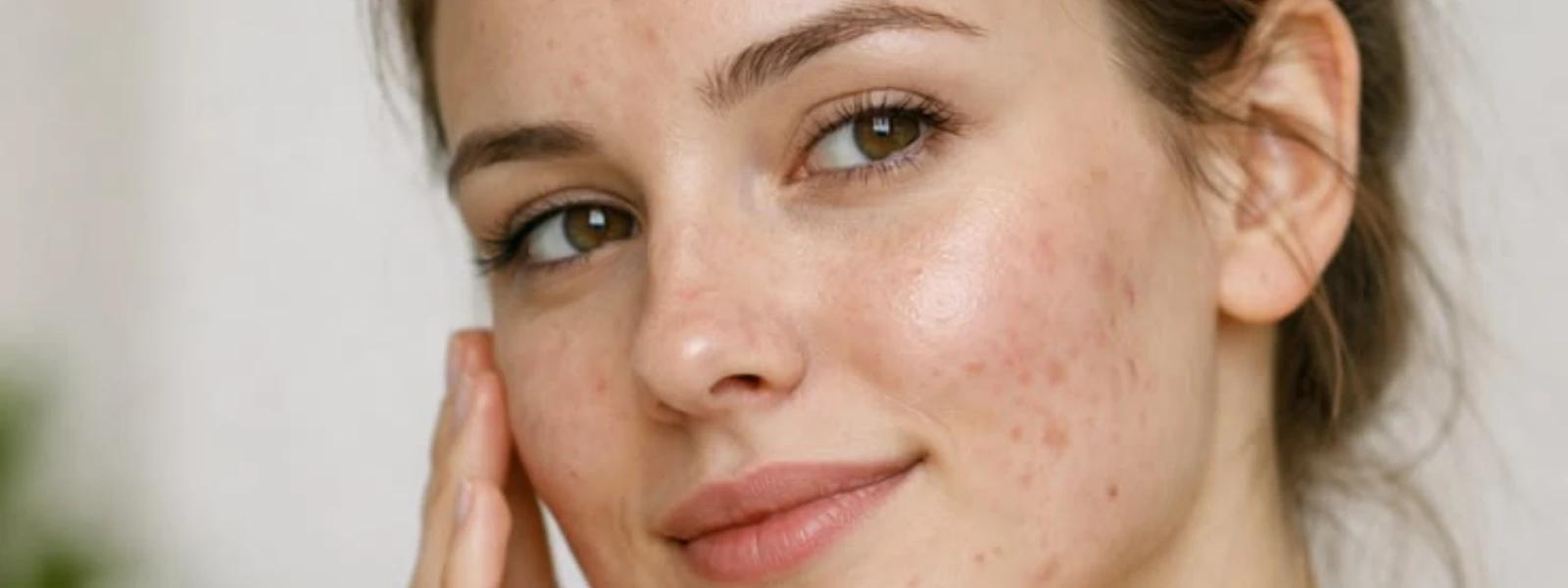
Ever noticed how that tiny spot on your cheek seems to have appeared overnight? Or wondered why some areas of your skin look darker than others, despite your best skincare efforts? You're not alone in this frustration. Dark spots are one of the most common skin concerns, affecting nearly everyone at some point. Understanding how dark spots form is the first step towards treating them effectively and preventing new ones from appearing.
Dark spots, medically known as hyperpigmentation, are areas where your skin produces more melanin than usual. Think of melanin as your skin's natural protection system - it's the pigment that gives your skin its colour and helps shield you from harmful UV rays.
The process of how dark spots form begins deep within your skin cells called melanocytes. When these cells are triggered by factors like sun exposure, inflammation, or hormonal changes, they go into overdrive, producing excess melanin. This extra pigment gets deposited in patches, creating those frustrating dark spots we see on the surface.
What makes this particularly tricky is that melanin production doesn't happen instantly. The spots you're seeing today likely started forming weeks or even months ago. This delayed appearance is why prevention is so crucial - by the time you notice a spot, the damage has already been done.
The depth of pigmentation also varies. Some spots sit close to the skin's surface and may fade more quickly, while others penetrate deeper into the dermis, making them more stubborn to treat. Understanding this helps set realistic expectations for treatment timelines.
Knowing what triggers dark spot formation helps you tackle both existing spots and prevent new ones. Here are the main culprits behind skin discoloration.
This is the number one cause of dark spots worldwide. UV radiation from the sun triggers your melanocytes to produce extra melanin as a protective response. Over time, this leads to sun spots and age spots, particularly on areas that get the most exposure like your face, hands, shoulders, and chest.
What's particularly frustrating is that sun damage is cumulative. Those childhood beach days without sunscreen are still affecting your skin decades later. Even brief daily exposure during your commute or lunch breaks adds up over time.
When your skin heals from acne, it sometimes produces excess melanin during the repair process. This creates those dark marks that linger long after the actual spot has healed. The more inflamed the original breakout, the more likely it is to leave behind post-inflammatory hyperpigmentation.
Picking or squeezing spots significantly worsens this process, as it increases inflammation and can push bacteria deeper into the skin. This is why dermatologists always stress the importance of hands-off healing.
Hormonal fluctuations, particularly during pregnancy or when taking birth control, can trigger a specific type of hyperpigmentation called melasma. Often called the "pregnancy mask," this appears as symmetrical patches on the face, typically on the cheeks, forehead, and upper lip.

Mineral Sunscreen SPF 50 | Matte Finish | No White Cast | Non-Nano Zinc Oxide | Cica | Pregnancy Safe | All Skin Types | 50ml
Women are disproportionately affected by hormonal skin discoloration, with oestrogen and progesterone playing key roles in melanin production. Even hormone replacement therapy can trigger these changes.
As we age, our skin's ability to regulate melanin production becomes less efficient. Years of cumulative sun exposure finally catch up with us, and age spots begin appearing more frequently. The skin's natural cell turnover also slows down, meaning pigmented cells stick around longer.
Certain medications can make your skin more sensitive to sun damage or directly trigger hyperpigmentation. Antibiotics, antimalarials, and some chemotherapy drugs are common culprits. Additionally, conditions like Addison's disease or insulin resistance can cause widespread skin discoloration.
Not all dark spots are created equal. Understanding what type you're dealing with helps determine the most effective treatment approach.
Solar lentigines, commonly called age spots or liver spots, are flat, brown spots that appear on sun-exposed areas. Despite the name, they have nothing to do with your liver - they're purely sun-related. These typically appear after age 40 and become more common with time.
Post-inflammatory hyperpigmentation (PIH) appears as dark marks following any skin injury or inflammation. This could be from acne, eczema, cuts, or even aggressive skincare treatments. PIH tends to be more pronounced in people with darker skin tones.
Melasma presents as larger, symmetrical patches rather than individual spots. It's hormonally driven and often worsens with sun exposure. The patches typically have irregular borders and can cover significant areas of the face.
The good news is that most dark spots can be significantly improved with the right approach. Treatment success depends on the type of pigmentation, its depth, and your skin type.
Dermatologists have access to powerful treatments that can dramatically improve hyperpigmentation. Laser therapy, particularly Q-switched lasers, can target pigmented cells with precision. Chemical peels using glycolic acid, salicylic acid, or TCA can help accelerate cell turnover and fade spots.
These treatments typically require multiple sessions and can cost anywhere from ₹5,000 to ₹25,000 per session, depending on the treatment type and clinic location. Results usually become visible after 4-6 weeks, with optimal results after 3-6 months.

Salicylic Acid Face Cleanser | Deep Cleansing Formula for Breakouts | Unclogs Pores & Controls Oil | For Oily & Acne-Prone Skin | 100ml
Several proven ingredients can help fade dark spots when used consistently. Vitamin C is a powerful antioxidant that inhibits melanin production and helps brighten existing spots. Niacinamide reduces inflammation and helps regulate melanin transfer to skin cells.
Retinoids accelerate cell turnover, helping pigmented cells shed more quickly. Alpha hydroxy acids (AHAs) like glycolic acid provide gentle exfoliation, whilst kojic acid and arbutin specifically target melanin production.
The key is consistency and patience. Most dark spot correctors require 8-12 weeks of regular use before you'll see significant improvement.
Whilst many home remedies are touted online, few have solid scientific backing. Vitamin C from natural sources like rosehip oil can be effective, though less potent than synthetic versions. Liquorice extract contains glabridin, which has melanin-inhibiting properties.
However, be cautious of harsh DIY treatments like lemon juice or baking soda scrubs, which can actually worsen hyperpigmentation by causing irritation.
Prevention is always easier than treatment when it comes to dark spots. The most crucial step is daily SPF application - and we mean every single day, regardless of weather or season.
Choose a broad-spectrum sunscreen with at least SPF 30, and reapply every two hours when outdoors. For Indian skin tones, look for formulations that don't leave a white cast. Physical sunscreens with zinc oxide or titanium dioxide are often gentler for sensitive skin.
Beyond sun protection, treat acne promptly and gently to minimise post-inflammatory hyperpigmentation. Avoid picking at spots, and consider using anti-inflammatory ingredients like niacinamide during breakouts.
If you're dealing with hormonal fluctuations, work with your healthcare provider to manage them effectively. Sometimes, adjusting birth control methods or hormone therapy can significantly impact skin pigmentation.
Most dark spots are harmless, but certain changes warrant professional attention. See a dermatologist if spots change in size, colour, or texture, develop irregular borders, or begin bleeding or itching.
Sudden appearance of multiple dark spots, especially if accompanied by other symptoms, could indicate an underlying medical condition. A dermatologist can perform a proper evaluation and recommend the most effective treatment plan for your specific situation.
Professional diagnosis is particularly important for distinguishing between different types of hyperpigmentation, as treatment approaches can vary significantly.

Hydrating Moisturizer | Non-Comedogenic | Boosts Collagen & Hydrates Deeply | Ceramides + Niacinamide | For Normal to Dry Skin | 50g
Sun exposure is the primary cause of dark spots. UV radiation triggers excess melanin production as your skin tries to protect itself from damage. This cumulative process leads to sun spots and age spots over time, particularly on frequently exposed areas like the face and hands.
Some dark spots, particularly those from recent acne or minor injuries, may fade naturally over 12-24 months. However, deeper pigmentation and sun spots typically require active treatment to see significant improvement. The natural fading process is often too slow for most people's satisfaction.
Daily SPF application is the most effective prevention method. Use broad-spectrum sunscreen with at least SPF 30, treat acne promptly without picking, and manage hormonal fluctuations with healthcare guidance. Consistent use of vitamin C and niacinamide can also help prevent new spots from forming.
Whilst dark spots seem to appear overnight, they actually develop over weeks or months. Sudden visibility often occurs due to hormonal changes, new medications, or increased sun exposure that accelerates existing melanin production. True sudden appearance of multiple spots may indicate a medical condition requiring evaluation.
The terms are often used interchangeably, as both result from cumulative sun damage. Age spots typically refer to spots that appear with advancing age, whilst sun spots can occur at any age following significant UV exposure. Both are types of solar lentigines and respond to similar treatments.
With consistent treatment, you can expect to see initial improvement in 6-8 weeks, with significant fading taking 3-6 months. Deeper pigmentation may require 6-12 months of treatment. Professional treatments can accelerate this timeline, whilst natural fading without intervention typically takes 12-24 months.
Understanding how dark spots form empowers you to make informed decisions about prevention and treatment. Remember that hyperpigmentation is incredibly common and treatable - you're not stuck with uneven skin tone forever.
The key to success lies in consistency, patience, and using the right products for your skin type. Whether you're dealing with sun spots, acne marks, or hormonal melasma, there are effective solutions available.
For those ready to tackle their dark spots, Smytten Shop offers a curated selection of proven dark spot correctors and hyperpigmentation treatments from trusted brands. With over 28 million users discovering effective skincare solutions, you can explore products with confidence, knowing that others have tried and loved them. The platform's cashback offers also make it more affordable to build an effective anti-pigmentation routine.
Your skin's journey is unique, and finding the right combination of products may take time. Be patient with the process, stay consistent with your routine, and remember that prevention through daily SPF use is your most powerful tool against future dark spots.
