Dark Spots FAQ: Understanding Causes and Treatments


Tinted Sunscreen SPF 50 | Makeup-Friendly | No White Cast | Niacinamide + Titanium Dioxide | For Oily, Combination & Acne-Prone Skin | 40ml
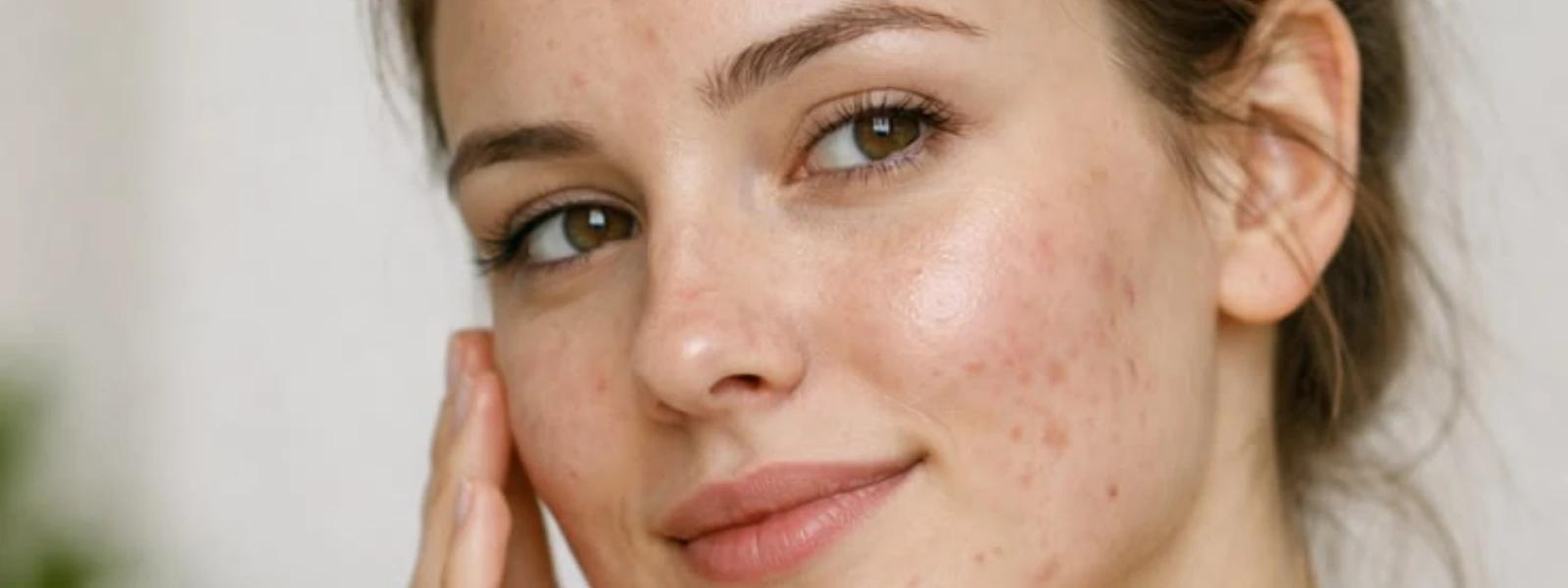
You've noticed a new dark patch on your cheek that wasn't there last month, or perhaps those post-acne marks from your teenage years are still lingering well into your twenties. Dark spots can appear seemingly overnight or develop gradually over years, leaving you wondering exactly how your skin went from clear to patchy. Understanding how dark spots form is the first step towards addressing them effectively, and the science behind melanin production reveals why some people are more prone to hyperpigmentation than others.
Dark spots, medically known as hyperpigmentation, occur when certain areas of your skin produce excess melanin – the pigment responsible for your skin's colour. Think of melanin as your skin's natural defence system against UV damage, but sometimes this system goes into overdrive.
The process begins deep within your skin cells called melanocytes. When these cells are triggered by factors like sun exposure, inflammation, or hormonal changes, they start producing more melanin than usual. Instead of distributing evenly across your skin, this excess pigment clumps together in specific areas, creating those frustrating dark patches we call age spots, sunspots, or post-inflammatory marks.
What makes this particularly tricky is that melanin production doesn't happen overnight. The pigment can take weeks or even months to travel from the deeper layers of your skin to the surface, which is why you might notice a dark spot appearing long after the initial trigger occurred. This delayed response often leaves people puzzled about what caused their skin discoloration in the first place.
The depth of pigmentation also matters significantly. Surface-level spots tend to respond better to topical treatments, whilst deeper pigmentation may require more intensive intervention. Understanding this distinction helps explain why some dark spots fade relatively quickly with consistent care, whilst others seem stubbornly persistent.
Identifying what's causing your dark spots is crucial for choosing the right treatment approach. Most hyperpigmentation falls into four main categories, each with distinct characteristics and treatment requirements.
Sun exposure remains the leading cause of dark spots, particularly on areas that see the most daylight – your face, hands, shoulders, and décolletage. When UV rays penetrate your skin, they trigger your melanocytes to produce protective melanin. However, years of cumulative sun damage can cause these cells to become hyperactive, leading to sunspots and age spots.
Solar lentigines, the medical term for sun-induced dark spots, typically appear as flat, brown patches with well-defined borders. They're more common in people with lighter skin tones, though anyone can develop them with sufficient sun exposure. Geographic location plays a role too – those living in sunny climates or at high altitudes face increased risk due to stronger UV radiation.
Your skin's inflammatory response to trauma – whether from acne, eczema, cuts, or even aggressive skincare treatments – can trigger excess melanin production. This type of hyperpigmentation is particularly common in people with deeper skin tones, as their melanocytes are naturally more reactive.

10% Vitamin C Face Serum | Brightens Dull, Uneven Skin & Boosts Glow | With 5% Niacinamide | Beginner-Friendly | For All Skin Types | 30ml
Post-acne marks are perhaps the most frustrating example of this process. Even after a spot has healed, the inflammation can leave behind a dark mark that persists for months. The severity often depends on how inflamed the original blemish was and whether it was picked or squeezed, which increases trauma to the surrounding tissue.
Hormonal fluctuations, particularly increases in oestrogen and progesterone, can stimulate melanin production in specific patterns. Melasma, often called the "mask of pregnancy," typically appears as symmetrical patches on the cheeks, forehead, nose, and upper lip.
Birth control pills, hormone replacement therapy, and pregnancy can all trigger this type of hyperpigmentation. What makes hormonal dark spots particularly challenging is that they often worsen with sun exposure, creating a compound effect that requires both hormonal management and diligent sun protection.
Certain medications, including some antibiotics, antimalarials, and chemotherapy drugs, can cause skin discoloration as a side effect. Additionally, nutritional deficiencies – particularly B12, folate, or iron – can sometimes manifest as changes in skin pigmentation.
Drug-induced hyperpigmentation often has a distinctive blue-grey tint rather than the typical brown colour of other dark spots. If you notice unusual skin discoloration after starting a new medication, it's worth discussing with your healthcare provider.
Not all dark spots are created equal, and identifying the specific type affecting your skin helps determine the most effective treatment approach. Age spots and sunspots typically appear as small, flat, brown patches with clearly defined edges, most commonly on sun-exposed areas.
Melasma presents differently, usually forming larger, symmetrical patches with irregular borders. These patches often have a distinctive pattern across the face and tend to darken during pregnancy or with increased sun exposure. Post-inflammatory hyperpigmentation follows the exact location of previous skin trauma, appearing as dark marks where acne, cuts, or other injuries once were.
Drug-induced pigmentation can appear anywhere on the body and often has that characteristic blue-grey hue. Whilst most dark spots are benign, any spot that changes rapidly in size, colour, or texture should be evaluated by a dermatologist to rule out more serious conditions.
Effective hyperpigmentation treatment often requires a multi-pronged approach, combining prevention strategies with active correction methods. The key is consistency and patience, as pigmentation correction typically takes several months to show significant results.

Target & Fade Duo for Hyperpigmentation | Even-Tone Underarms, Inner Thighs & Bum | Refines Skin Texture | For All Skin Types
Chemical peels containing glycolic acid, salicylic acid, or trichloroacetic acid can help accelerate cell turnover and fade surface-level pigmentation. Laser treatments and intense pulsed light (IPL) target melanin directly, breaking up pigment clusters for gradual fading.
Prescription treatments like hydroquinone, tretinoin, and prescription-strength kojic acid offer more potent pigmentation correction but require professional supervision. These treatments work by either inhibiting melanin production or accelerating skin cell turnover to bring pigmented cells to the surface more quickly.
Over-the-counter ingredients can be surprisingly effective for mild to moderate hyperpigmentation. Vitamin C serums work as antioxidants whilst inhibiting melanin production, making them excellent for both treatment and prevention. Niacinamide helps regulate melanin transfer within skin cells, gradually evening out skin tone.
Gentle exfoliation with alpha hydroxy acids (AHAs) or beta hydroxy acids (BHAs) helps remove pigmented surface cells whilst encouraging healthy cell turnover. The key with at-home treatments is consistency – these gentler ingredients require regular use over several months to show significant results.
Dark spot prevention is far easier than correction, making daily sun protection your most important anti-pigmentation strategy. Broad-spectrum SPF 30 or higher should be applied daily, even on cloudy days, as UV rays can penetrate clouds and trigger melanin production.
Proper wound care is equally important for preventing post-inflammatory hyperpigmentation. This means resisting the urge to pick at spots, using gentle skincare products that won't irritate your skin, and treating any inflammatory skin conditions promptly. When your skin is inflamed or injured, protecting it from sun exposure becomes even more critical, as damaged skin is more susceptible to developing dark spots.
Building a gentle, consistent skincare routine helps maintain your skin's barrier function and reduces the likelihood of inflammation that can trigger hyperpigmentation. This includes using pH-balanced cleansers, moisturising regularly, and introducing active ingredients gradually to avoid irritation.
Understanding realistic timelines for pigmentation correction helps set appropriate expectations and maintain motivation throughout the treatment process. Surface-level pigmentation typically responds to treatment within 6-12 weeks, whilst deeper pigmentation may take 3-6 months or longer to show significant improvement.
Professional treatments generally work faster than at-home options, but they also carry higher risks of side effects like irritation or temporary darkening. The key is finding the right balance between efficacy and tolerability for your specific skin type and lifestyle. Combining treatments – such as using a gentle daily serum alongside periodic professional treatments – often provides the best results.

Mineral Sunscreen SPF 50 | Matte Finish | No White Cast | Non-Nano Zinc Oxide | Cica | Pregnancy Safe | All Skin Types | 50ml
Maintenance is crucial for long-term success. Even after achieving your desired results, continued sun protection and gentle exfoliation help prevent new dark spots from forming whilst maintaining the improvements you've worked so hard to achieve.
Sun exposure is the primary cause of dark spots, accounting for the majority of hyperpigmentation cases. UV radiation triggers excess melanin production as your skin attempts to protect itself from damage. Over time, this cumulative damage leads to uneven skin tone and the formation of age spots and sunspots. People with lighter skin tones are particularly susceptible, though anyone can develop sun-induced dark spots with sufficient exposure.
Some dark spots can fade naturally over time, particularly those caused by recent inflammation or minor sun damage. However, this process is typically very slow, often taking months or years for noticeable improvement. Deeper pigmentation and long-standing spots rarely fade completely without intervention. Factors like your age, skin type, and the underlying cause of the pigmentation all influence whether natural fading will occur.
Professional treatments like chemical peels, laser therapy, and prescription medications offer the fastest results for dark spot removal, typically showing improvement within 4-8 weeks. However, "fast" is relative when it comes to pigmentation correction – even the most effective treatments require patience and consistency. Combining professional treatments with daily sun protection and appropriate at-home care maximises results whilst minimising the risk of new spots forming.
Sudden appearance of brown spots can result from recent sun exposure, hormonal changes, new medications, or delayed manifestation of previous skin damage. Remember that melanin production and migration to the skin's surface can take weeks or months, so spots appearing "suddenly" may actually be the result of triggers from months ago. If you notice rapid changes in existing spots or unusual patterns of new pigmentation, consult a dermatologist for proper evaluation.
Most dark spots are not permanent, though some types are more stubborn than others. Post-inflammatory hyperpigmentation and surface-level sun damage typically respond well to treatment, whilst deeper pigmentation like some forms of melasma may require ongoing management. The key is early intervention and consistent treatment – the longer dark spots are left untreated, the more challenging they become to address. With proper care and realistic expectations, significant improvement is possible for most types of hyperpigmentation.
Understanding how dark spots form empowers you to make informed decisions about prevention and treatment. Whether you're dealing with sun damage, post-acne marks, or hormonal melasma, the key lies in identifying your specific triggers and choosing appropriate interventions.
The journey to clearer, more even-toned skin requires patience and consistency, but the results are worth the effort. With platforms like Smytten Shop, you can explore curated skin brightening products from premium brands, trying samples before committing to full sizes. This approach helps you find the right combination of treatments for your unique skin needs without the guesswork.
Remember that dark spot prevention is always easier than correction. Daily sun protection, gentle skincare practices, and prompt treatment of skin inflammation can prevent many types of hyperpigmentation from developing in the first place. Your skin's journey towards clarity and evenness is a marathon, not a sprint – but with the right knowledge and tools, you're well-equipped for success.