Dark Spot Causes on Indian Skin FAQ: Your Questions Answered


Target & Fade Duo for Hyperpigmentation | Even-Tone Underarms, Inner Thighs & Bum | Refines Skin Texture | For All Skin Types
You've noticed those stubborn dark patches on your cheeks that seem to appear out of nowhere. Or maybe it's the acne marks that refuse to fade, leaving behind persistent reminders of past breakouts. If you're dealing with dark spots on Indian skin, you're not alone. Nearly 70% of Indians under 35 experience some form of hyperpigmentation, making it one of the most common skincare concerns across the country. The good news? Understanding what causes these spots is the first step towards addressing them effectively.
Indian skin naturally contains higher levels of melanin, the pigment responsible for our beautiful skin tones. However, this same melanin can become overactive when triggered by various factors, leading to uneven skin tone and dark patches. Our skin's melanocytes (melanin-producing cells) are particularly responsive to inflammation, hormonal changes, and environmental stressors.
The genetic makeup of Indian skin means we're predisposed to certain types of pigmentation disorders. Research shows that people with higher baseline melanin levels are more likely to develop post-inflammatory hyperpigmentation (PIH) after even minor skin injuries or breakouts. This explains why that tiny pimple can leave behind a dark mark that lingers for months.
India's intense tropical climate adds another layer of complexity. With year-round sun exposure and high humidity levels, our skin faces constant environmental challenges. The UV radiation in Indian cities can be particularly harsh, with UV index levels often reaching 11-12 during peak hours. This constant exposure triggers melanin production as a protective response, but can lead to irregular pigmentation patterns over time.
Urban pollution compounds these issues significantly. Studies have shown that particulate matter and environmental toxins can penetrate the skin barrier, causing oxidative stress that triggers inflammatory responses. This inflammation often results in skin discoloration, particularly in areas most exposed to environmental aggressors like the face, neck, and hands.
Understanding the root causes of dark spots helps you choose the right treatment approach. Here are the most common culprits behind pigmentation on Indian skin.
UV radiation remains the primary trigger for hyperpigmentation in Indian skin. When UV rays penetrate the skin, they stimulate melanocytes to produce excess melanin as a defence mechanism. Over time, this leads to solar lentigines (age spots) and general skin darkening. The challenge with Indian skin is that even brief sun exposure can trigger pigmentation responses, making daily sun protection absolutely crucial.
Melasma affects approximately 20-30% of Indian women, particularly those aged 20-40. This condition creates symmetrical brown patches, typically on the cheeks, forehead, and upper lip. Hormonal fluctuations during pregnancy, menopause, or while using hormonal contraceptives can trigger melasma. The condition is often called "the mask of pregnancy" because it's so common during this time.
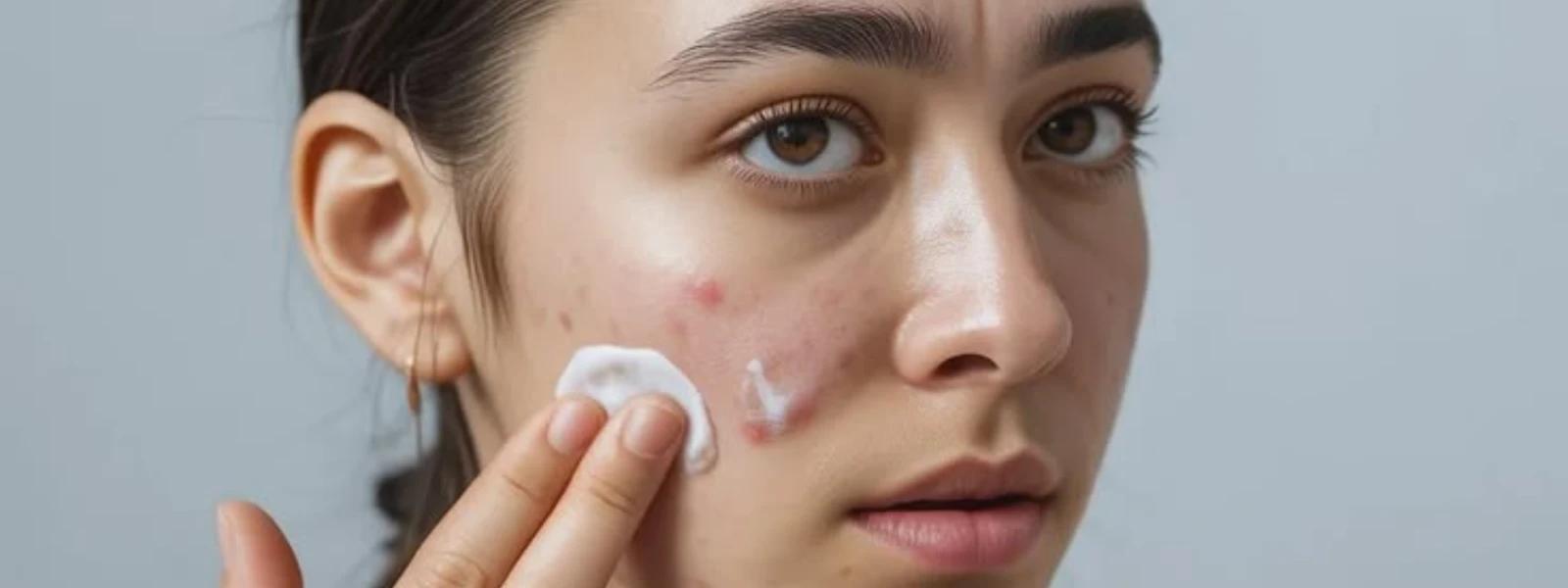
PIH is perhaps the most frustrating cause of dark spots for many Indians. Any inflammation—whether from acne, eczema, cuts, or even aggressive skincare treatments—can leave behind dark marks. Indian skin's high melanin content means these marks often appear darker and take longer to fade compared to lighter skin tones.

Mineral Sunscreen SPF 50 | Matte Finish | No White Cast | Non-Nano Zinc Oxide | Cica | Pregnancy Safe | All Skin Types | 50ml
As we age, years of cumulative sun damage manifest as discrete dark spots, particularly on areas like the hands, face, and shoulders. These age spots are essentially clusters of melanin that have accumulated over time due to repeated UV exposure.
India's urban environments expose our skin to high levels of pollution, dust, and environmental toxins. These particles can cause oxidative stress and inflammation, leading to irregular pigmentation patterns. The combination of pollution and UV exposure creates a perfect storm for skin discoloration.
Not all dark spots are created equal, and identifying the type of pigmentation you're dealing with is crucial for effective treatment. Melasma typically appears as larger, symmetrical patches with irregular borders, often described as having a "butterfly" pattern across the face.
Post-inflammatory hyperpigmentation appears as discrete spots or patches that correspond to areas of previous inflammation or injury. These spots are usually well-defined and can range from light brown to nearly black, depending on the depth of pigmentation and your natural skin tone.
Solar lentigines or age spots appear as small, round, well-defined brown spots, typically on sun-exposed areas. They're usually uniform in colour and have clear borders. Drug-induced pigmentation can occur from certain medications and typically affects larger areas of the body.
If you're unsure about the type of pigmentation you're experiencing, or if spots are changing in size, shape, or colour, it's worth consulting a dermatologist. They can perform a proper assessment and recommend the most appropriate treatment approach for your specific concerns.
Effective dark spots treatment for Indian skin requires a multi-pronged approach that addresses both existing pigmentation and prevents new spots from forming. The key is choosing treatments that are both effective and gentle enough for melanin-rich skin.
Chemical peels using glycolic acid, lactic acid, or kojic acid can be highly effective for Indian skin when performed by experienced professionals. These treatments work by removing the upper layers of pigmented skin and promoting cell turnover. However, it's crucial to choose a dermatologist experienced with Indian skin, as aggressive treatments can sometimes worsen pigmentation.

Salicylic Acid Face Cleanser | Deep Cleansing Formula for Breakouts | Unclogs Pores & Controls Oil | For Oily & Acne-Prone Skin | 100ml
Vitamin C serums are excellent for preventing and treating pigmentation. Look for stable forms like magnesium ascorbyl phosphate or sodium ascorbyl phosphate, which are less likely to cause irritation. Niacinamide is another powerhouse ingredient that helps regulate melanin production while strengthening the skin barrier.
Retinoids accelerate cell turnover and can help fade existing dark spots while preventing new ones. Start with lower concentrations and gradually increase to avoid irritation. Arbutin and kojic acid are natural melanin inhibitors that work well for Indian skin types.
The best products for dark spots often combine multiple active ingredients for synergistic effects. However, it's important to introduce new products gradually and always use sunscreen during the day, as many pigmentation treatments can increase sun sensitivity.
While professional treatments offer the most dramatic results, several home remedies for dark spots can complement your skincare routine and provide gentle, natural support for pigmentation concerns.
Turmeric has been used in Indian skincare for centuries due to its anti-inflammatory and antioxidant properties. Create a gentle mask by mixing turmeric powder with yoghurt or honey. The curcumin in turmeric can help reduce inflammation that contributes to pigmentation, though results will be gradual.
Lemon juice contains natural vitamin C and citric acid, which can provide mild exfoliation and brightening effects. However, use caution with lemon juice as it can increase photosensitivity. Always dilute it and never apply before sun exposure.
Aloe vera offers soothing and healing properties that can help with post-inflammatory hyperpigmentation. Fresh aloe gel can be applied directly to dark spots and left overnight. Its anti-inflammatory properties help calm the skin and may prevent further pigmentation.
Remember that natural remedies work slowly and may not be suitable for all skin types. Always perform a patch test before trying new ingredients, and be patient with results. Natural treatments typically take 8-12 weeks to show noticeable improvements.
Prevention remains the most effective approach to managing dark spots on Indian skin. Daily sunscreen application with at least SPF 30 is non-negotiable, even on cloudy days or when staying indoors near windows. Choose broad-spectrum formulas that protect against both UVA and UVB rays.
Gentle skincare practices are crucial for preventing post-inflammatory hyperpigmentation. Avoid picking at blemishes, use soft cleansing techniques, and introduce new products gradually. When dealing with active breakouts, treat them promptly but gently to minimise the risk of dark marks.
A diet rich in antioxidants can support your skin's natural defence mechanisms. Include plenty of vitamin C-rich fruits, leafy greens, and foods containing vitamin E and beta-carotene. Staying hydrated and managing stress levels also contribute to overall skin health and can help prevent hormonal fluctuations that trigger pigmentation.

Hydrating Moisturizer | Non-Comedogenic | Boosts Collagen & Hydrates Deeply | Ceramides + Niacinamide | For Normal to Dry Skin | 50g
Sudden appearance of dark spots is often triggered by hormonal changes, increased sun exposure, or inflammatory responses. Pregnancy, starting new medications, or experiencing stress can all cause rapid changes in melanin production. If spots appear suddenly or change quickly, consult a dermatologist to rule out any underlying conditions.
Without treatment, dark spots on Indian skin can take 6-12 months to fade naturally, and some may never completely disappear. Post-inflammatory hyperpigmentation typically fades faster than melasma or sun damage. The deeper the pigmentation, the longer it takes to resolve. Consistent use of appropriate treatments can significantly speed up this process.
Many types of dark spots can be significantly lightened or completely removed with proper treatment. Post-inflammatory hyperpigmentation often responds well to treatment, while melasma can be more challenging and may require ongoing management. Age spots and sun damage can also be effectively treated, though prevention of new spots is equally important.
Avoid harsh scrubs, high concentrations of acids without proper introduction, and ingredients that cause irritation like certain essential oils or fragrances. Be cautious with hydroquinone, which can cause rebound pigmentation in some people. Always patch test new products and introduce actives gradually to prevent inflammatory responses that could worsen pigmentation.
Combining treatments can be effective but requires careful planning to avoid irritation. Start with one active ingredient and gradually introduce others. Vitamin C can be used in the morning with sunscreen, while retinoids are best used at night. Niacinamide is generally well-tolerated and can be combined with most other ingredients. When in doubt, consult a dermatologist for a personalised routine.
Home remedies can provide gentle support for pigmentation concerns, but they work slowly and may not be sufficient for severe cases. Ingredients like turmeric, vitamin C from natural sources, and aloe vera have scientific backing for their skin benefits. However, for faster and more dramatic results, professionally formulated products with proven active ingredients are typically more effective.
Understanding the causes of dark spots on Indian skin empowers you to make informed decisions about prevention and treatment. Whether you're dealing with post-acne marks, melasma, or sun damage, remember that effective treatment takes time and consistency. The key is finding the right combination of professional treatments, quality skincare products, and preventive measures that work for your specific skin type and concerns.
For those looking to explore effective pigmentation treatments, platforms like Smytten Shop offer access to premium skincare brands with proven track records in treating hyperpigmentation. With over 28 million users discovering new products and earning cashback on their purchases, you can try different formulations to find what works best for your skin without the commitment of full-size purchases.
Remember, your skin's journey is unique, and what works for others may not work for you. Be patient with the process, consistent with your routine, and don't hesitate to seek professional guidance when needed. With the right approach, clearer, more even-toned skin is absolutely achievable.
