Dark Skin Sun Protection FAQ: Your Questions Answered
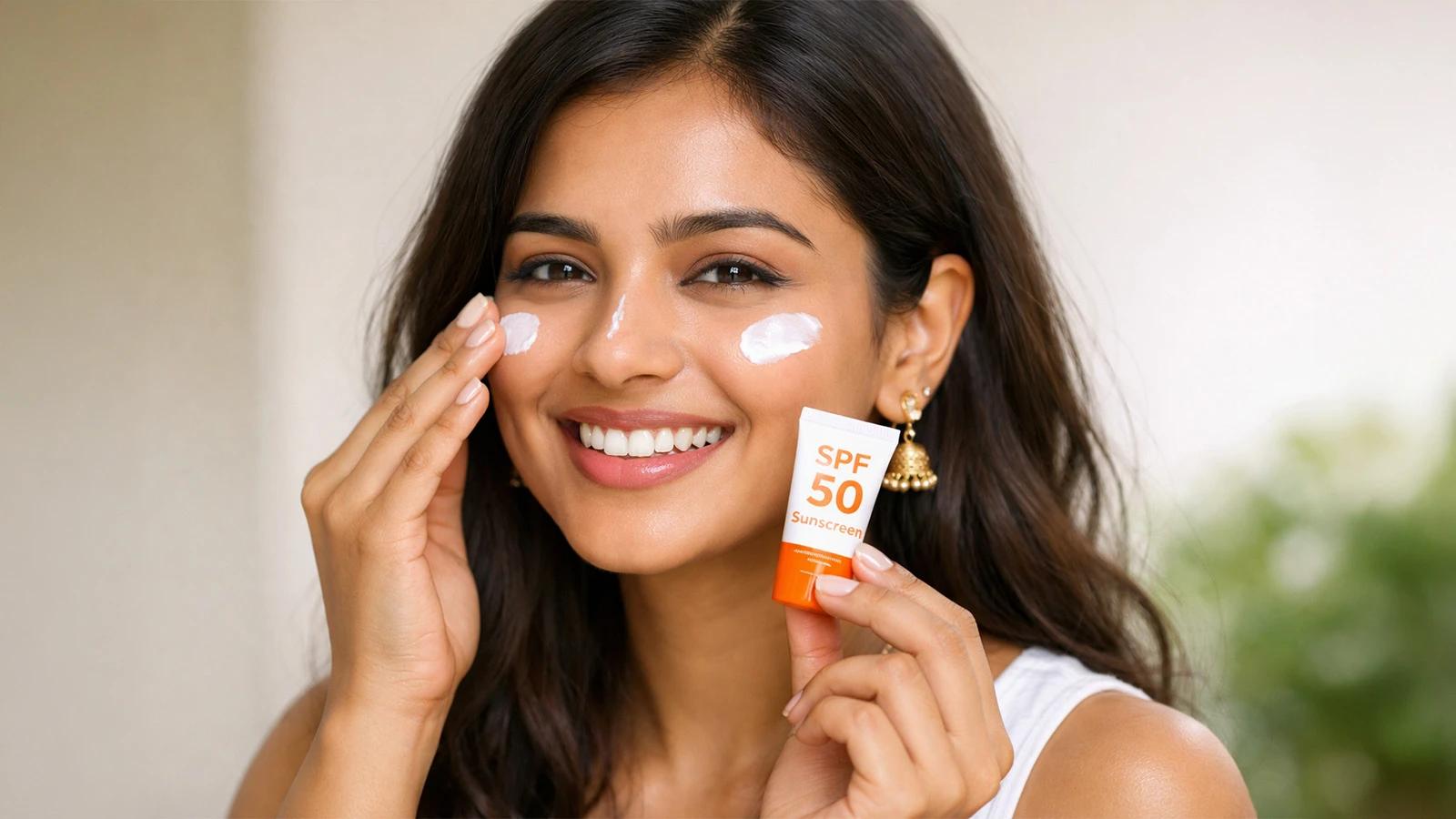


SPF 50 Sunscreen for Pigmentation | Lightweight, Non-Greasy, No White Cast | Fades Dark Spot & Acne Marks | For All Skin Types | 50g
You've heard it countless times: "Dark skin doesn't burn, so you don't need sunscreen." If you're nodding along whilst secretly wondering whether your melanin-rich skin really does need daily sun protection, you're not alone. Despite having natural protection that lighter skin tones lack, dark skin sun protection remains essential for preventing hyperpigmentation, premature ageing, and long-term skin damage. The questions around sunscreen for dark skin are real, valid, and deserve proper answers backed by dermatological science.
Your skin's melanin does provide some natural defence against UV rays—roughly equivalent to SPF 13 for very dark skin compared to SPF 3 for lighter tones. However, this built-in protection isn't nearly enough for daily exposure, especially when you consider that dermatologists recommend a minimum SPF 30 for adequate protection.
Whilst melanin does absorb and scatter UV radiation more effectively than lighter skin, it's not a substitute for proper sun protection. Think of your natural melanin as a lightweight jacket—helpful, but you wouldn't wear it in a thunderstorm. UV damage accumulates over time, and even with natural protection, your skin remains vulnerable to photoageing, DNA damage, and yes, even skin cancer.
Hyperpigmentation is often the most visible sign of sun damage on darker skin tones. Unlike lighter skin that might show redness or obvious burning, dark skin typically responds to UV exposure with increased melanin production in patches, leading to uneven skin tone. Post-inflammatory hyperpigmentation (PIH) from acne or minor injuries becomes more pronounced and persistent when exposed to UV rays without protection.
The best sunscreen for dark skin goes beyond just SPF numbers—it's about finding formulations that work with your skin's unique needs without leaving that dreaded white cast or feeling heavy and greasy.
Chemical sunscreens often blend more seamlessly into darker skin tones, but don't write off mineral options entirely. Modern formulations use micronised zinc oxide and titanium dioxide that sit more naturally on melanin-rich skin. Tinted sunscreens have become game-changers, offering shades that complement rather than clash with deeper skin tones.
Whilst your natural protection might make SPF 15 seem sufficient, dermatologists consistently recommend SPF 30 as the minimum for daily sunscreen use, regardless of skin tone. For extended outdoor activities, beach days, or particularly sunny climates, SPF 50 provides that extra security without significant drawbacks.

Tinted Sunscreen SPF 50 | Makeup-Friendly | No White Cast | Niacinamide + Titanium Dioxide | For Oily, Combination & Acne-Prone Skin | 40ml
The white cast struggle is real, but it's not insurmountable. Look for sunscreens specifically formulated for deeper skin tones, or those with iron oxides that provide natural tinting. Application technique matters too—warming the product between your palms and applying in thin, even layers helps prevent that chalky appearance.
Incorporating sun protection into your existing skincare routine doesn't require a complete overhaul. It's about finding the right products and timing that work with your lifestyle and skin concerns.
Apply your sunscreen for dark skin as the final step in your morning skincare routine, after moisturiser but before makeup. If you're using active ingredients like niacinamide or vitamin C, allow them to absorb fully before applying SPF. This prevents pilling and ensures each product can work effectively.
The two-hour reapplication rule applies to everyone, but it's particularly crucial if you're dealing with hyperpigmentation concerns. Keep a powder SPF or setting spray with sun protection handy for touch-ups over makeup, or use a lightweight fluid formula if you're makeup-free.
For many people with darker skin tones, hyperpigmentation is the primary concern that drives their interest in sun protection. Understanding how UV exposure worsens existing dark spots and prevents new ones from fading is crucial for maintaining even skin tone.
Think of sunscreen as your first line of defence against worsening pigmentation. Whilst it won't fade existing dark spots (that's where ingredients like vitamin C, kojic acid, and retinoids come in), it prevents UV rays from triggering more melanin production in already-affected areas. This gives your skin the chance to naturally shed pigmented cells without constantly producing new ones.

Fluid SPF 50 Sunscreen for Oily Skin | No White Cast | Matte, Ultra-Light & Non-Greasy | Niacinamide + Vitamin C | 50ml
If you're dealing with breakouts alongside pigmentation concerns, look for non-comedogenic, oil-free formulations. Gel-based or fluid sunscreens often work well for oily, acne-prone skin without clogging pores or adding unwanted shine. Remember, the post-inflammatory hyperpigmentation from acne becomes significantly worse with sun exposure.
Dermatologists consistently emphasise that the best sunscreen is the one you'll actually use daily. However, certain features make some formulations more suitable for dark skin tones than others.
Look for broad-spectrum protection that shields against both UVA and UVB rays. Iron oxides provide additional protection against visible light, which can worsen melasma and hyperpigmentation. Antioxidants like vitamin E or green tea extract offer bonus protection against environmental damage.
Your climate and skin type should guide your texture choice. In humid conditions, lightweight, fast-absorbing formulas prevent that sticky feeling that makes you want to skip reapplication. For drier climates or skin, cream-based sunscreens can provide hydration alongside protection.
Let's address the persistent misconceptions that prevent many people with darker skin from establishing consistent sun protection habits.
Whilst melanin does provide some natural SPF, it's nowhere near enough for modern life. Consider that even with natural protection, skin cancer rates in people of colour are rising, and when detected, are often at more advanced stages due to delayed diagnosis and the myth that darker skin is immune.
The concern about vitamin D deficiency is valid—people with darker skin do require more sun exposure to produce adequate vitamin D. However, this doesn't mean skipping sunscreen. Brief, unprotected exposure (10-15 minutes) on small areas like arms or legs can help with vitamin D synthesis, whilst protecting your face and other sensitive areas.

Sunscreen Spray for Body | SPF 50+ PA+++ | Sweat & Water-Resistant | Broad Spectrum UVA/UVB Protection | Clear Matte Formula | Aloe Vera | 100ml
Every two hours during sun exposure, just like any other skin tone. If you're swimming, sweating heavily, or towelling off, reapply immediately regardless of the time elapsed.
SPF 30 blocks about 97% of UVB rays, whilst SPF 50 blocks about 98%. The difference is minimal, but if you have existing hyperpigmentation or spend significant time outdoors, that extra 1% can matter over time.
Yes, but you might want different formulations for different seasons. A lightweight, mattifying formula might work better in summer humidity, whilst a more moisturising option could be preferable in winter.
The best indicator is prevention—no new dark spots, no worsening of existing hyperpigmentation, and no unexpected darkening after sun exposure. If you're developing new pigmentation despite consistent use, you might need a higher SPF or better application technique.
Treat it like any sunburn—cool compresses, gentle moisturising, and avoiding further sun exposure until healed. Dark skin can burn, though it might appear as darkening rather than redness. Watch for any unusual changes and consult a dermatologist if concerned.
Your skin's natural protection is a beautiful feature, but it's not a substitute for proper sun protection. Whether you're dealing with existing hyperpigmentation, trying to prevent future damage, or simply want to maintain healthy skin as you age, daily sunscreen use is non-negotiable. The key is finding formulations that work with your skin tone, lifestyle, and concerns—not against them. With platforms like Smytten Shop offering sample sizes of premium sunscreen brands, you can try different formulations before committing to full sizes, making it easier to find your perfect match. Remember, consistent protection today means healthier, more even-toned skin tomorrow.
