Dark Skin Spots Treatment FAQ: Your Questions Answered


Dark Spot Reduction Set | 3-Step Routine for Hyperpigmentation & Even Skin Tone | Cleanser, Serum & Moisturizer | Skin Care Routine Kit
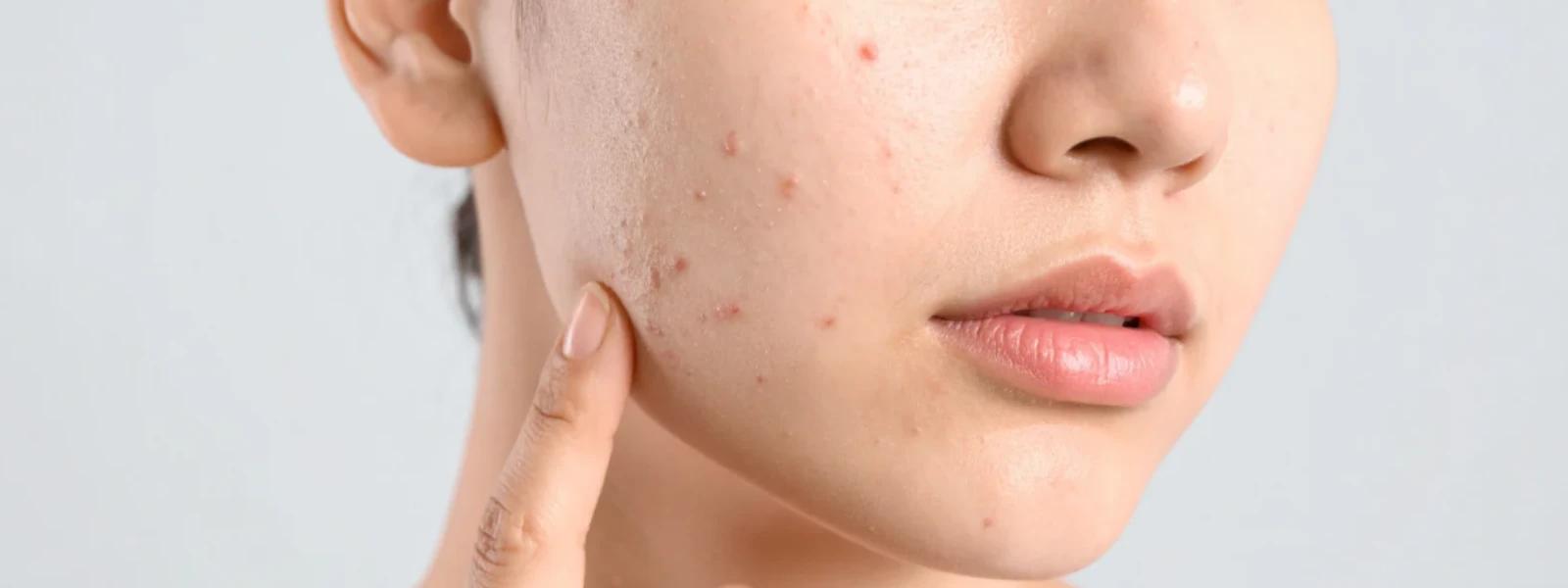
You've noticed those stubborn dark patches on your cheeks, or perhaps a few age spots have appeared seemingly overnight. You're not alone—hyperpigmentation affects nearly everyone at some point, leaving many of us searching for effective dark skin spots treatment options. Whether it's post-acne marks that refuse to fade or sun damage from years past, understanding your treatment choices can feel overwhelming. The good news? There are proven methods to address skin discoloration correction, from gentle at-home solutions to professional procedures that deliver real results.
Hyperpigmentation occurs when your skin produces excess melanin—the pigment responsible for your skin's colour. Think of melanin as your skin's natural defence mechanism; when triggered by inflammation, sun exposure, or hormonal changes, it goes into overdrive, creating those concentrated dark patches we're all too familiar with.
The most common types include age spots (also called liver spots), which typically appear on sun-exposed areas like your hands, face, and shoulders. Sun spots develop from cumulative UV damage, while post-inflammatory hyperpigmentation (PIH) forms after acne, cuts, or other skin injuries heal. Melasma, often called the "pregnancy mask," creates symmetrical patches usually triggered by hormonal fluctuations.
Several factors contribute to uneven skin tone and dark spot formation. Sun exposure remains the primary culprit—even brief, unprotected moments add up over time. Hormonal changes during pregnancy, menopause, or whilst taking contraceptives can trigger melasma. Inflammatory skin conditions like acne, eczema, or even aggressive skincare treatments can lead to PIH, particularly in darker skin tones.
Age also plays a role, as our skin's natural repair mechanisms slow down, making it harder to shed pigmented cells efficiently. Certain medications, including some antibiotics and chemotherapy drugs, can increase photosensitivity and subsequent pigmentation.
When it comes to dark skin spots treatment, you have two main paths: professional dermatological procedures and at-home treatments. The best approach often combines both, starting with consistent at-home care and adding professional treatments for stubborn spots.
Laser therapy and Intense Pulsed Light (IPL) target melanin directly, breaking down pigmented cells so your body can naturally eliminate them. These treatments work particularly well for age spot removal and sun damage, though they require careful consideration for darker skin tones to avoid creating more pigmentation.
Chemical peels use controlled acids to remove damaged skin layers, promoting fresh cell turnover. Superficial peels with glycolic or lactic acid offer gentle melanin reduction, whilst deeper peels provide more dramatic results but require longer recovery times. Cryotherapy freezes age spots with liquid nitrogen, causing them to peel away over several weeks.
Building an effective routine starts with understanding which ingredients actually work for skin discoloration correction. Prescription treatments like tretinoin and hydroquinone remain gold standards, but many over-the-counter options deliver impressive results with consistent use.
The key lies in patience and consistency. Most topical treatments require 6-12 weeks to show initial results, with full improvement taking 3-6 months. This timeline reflects your skin's natural cell turnover cycle—roughly 28 days for healthy skin, longer for damaged or mature skin.

Target & Fade Duo for Hyperpigmentation | Even-Tone Underarms, Inner Thighs & Bum | Refines Skin Texture | For All Skin Types
Understanding which ingredients actually work can save you time, money, and frustration. Not all dark spot corrector products are created equal, and knowing what to look for helps you make informed choices.
Hydroquinone remains the most clinically proven ingredient for melanin reduction. Available in 2% concentrations over-the-counter or stronger prescriptions, it works by inhibiting tyrosinase, the enzyme responsible for melanin production. However, it requires careful use and sun protection, as it can increase photosensitivity.
Retinoids, including prescription tretinoin and over-the-counter retinol, accelerate cell turnover whilst promoting collagen production. They're particularly effective for overall skin brightening and work synergistically with other lightening ingredients. Start slowly to build tolerance, as initial irritation is common.
Vitamin C serves dual purposes: antioxidant protection against future damage and gentle brightening of existing spots. L-ascorbic acid is most potent, though magnesium ascorbyl phosphate offers better stability for sensitive skin.
Kojic acid, derived from fungi, inhibits tyrosinase similarly to hydroquinone but with less irritation risk. It's particularly effective in combination formulas and works well for sensitive skin types seeking pigmentation cream alternatives.
Azelaic acid offers multiple benefits: gentle exfoliation, anti-inflammatory properties, and tyrosinase inhibition. It's especially valuable for those with acne-prone skin, as it addresses both breakouts and resulting PIH simultaneously.
Niacinamide (vitamin B3) reduces inflammation whilst gently brightening skin. It's well-tolerated by most skin types and works beautifully in combination with other active ingredients without causing irritation.
Whilst professional and clinical treatments offer the most dramatic results, several natural ingredients provide gentle blemish removal support. However, it's important to maintain realistic expectations—natural remedies work slowly and may not address severe pigmentation.
Licorice extract contains glabridin, which inhibits tyrosinase activity. Studies show it can lighten pigmentation over time, particularly when combined with other brightening ingredients. Green tea extract provides antioxidant protection whilst offering mild brightening effects through its polyphenol content.
Aloe vera contains aloin, a compound with depigmenting properties. Whilst gentle, it works best as a supporting ingredient rather than a standalone treatment. Arbutin, found in bearberry plants, converts to hydroquinone in the skin but with less irritation potential.
DIY treatments like lemon juice or baking soda scrubs are popular online, but dermatologists generally advise against them. These can cause irritation, increase photosensitivity, or even worsen pigmentation, particularly in darker skin tones.

Mineral Sunscreen SPF 50 | Matte Finish | No White Cast | Non-Nano Zinc Oxide | Cica | Pregnancy Safe | All Skin Types | 50ml
The most effective dark skin spots treatment is prevention. Once you've addressed existing pigmentation, maintaining clear, even-toned skin requires consistent protective habits.
Daily SPF 30 or higher forms the foundation of any anti-pigmentation routine. UV exposure not only creates new spots but darkens existing ones, undoing months of treatment progress. Choose broad-spectrum formulas that protect against both UVA and UVB rays, and reapply every two hours when outdoors.
Managing inflammatory skin conditions prevents post-inflammatory hyperpigmentation. This means treating acne promptly and gently, avoiding picking or squeezing spots, and using appropriate products for your skin type. Even minor inflammation can trigger pigmentation in susceptible individuals.
Antioxidant-rich skincare provides additional protection against environmental damage. Vitamin C serums, green tea extracts, and niacinamide help neutralise free radicals before they can trigger melanin production.
Darker skin tones face unique challenges with hyperpigmentation treatment. Higher melanin content means greater risk of post-inflammatory hyperpigmentation from aggressive treatments, making gentle, gradual approaches essential.
Laser treatments require careful wavelength selection and experienced practitioners familiar with darker skin. Some lasers can actually worsen pigmentation in melanin-rich skin, making thorough consultation crucial before proceeding with professional procedures.
Patch testing becomes even more important for darker skin tones. Always test new products on a small, inconspicuous area for at least 48 hours before full application. Start with lower concentrations of active ingredients and gradually increase as tolerance builds.
Chemical peels should begin with superficial options like lactic acid or mandelic acid, which are gentler on darker skin than glycolic acid. Professional supervision ensures appropriate peel selection and reduces complications risk.
The most effective approach combines daily SPF 30+, proven ingredients like retinoids or vitamin C, and professional procedures for stubborn spots. Hydroquinone remains the gold standard for prescription treatment, whilst gentler options like kojic acid and azelaic acid work well for sensitive skin. Consistency matters more than any single product—results require 3-6 months of dedicated treatment.
Most dark spots can be significantly faded or completely removed with appropriate treatment. However, the underlying tendency to develop pigmentation remains, making prevention crucial. Sun spots and age spots respond particularly well to treatment, whilst hormonal pigmentation like melasma may require ongoing management. Consistent sun protection prevents recurrence of treated spots.

Salicylic Acid Face Cleanser | Deep Cleansing Formula for Breakouts | Unclogs Pores & Controls Oil | For Oily & Acne-Prone Skin | 100ml
Initial improvements typically appear after 6-12 weeks of consistent treatment, reflecting your skin's natural cell turnover cycle. Full results require 3-6 months for topical treatments, whilst professional procedures may show faster initial results but still need time for complete healing. Patience and consistency are essential—stopping treatment too early often leads to disappointing results.
Common side effects include initial irritation, dryness, and increased sun sensitivity. Some people experience temporary darkening of spots before improvement begins—this is normal and indicates the treatment is working. Retinoids may cause peeling and redness initially, whilst hydroquinone requires careful monitoring for any signs of ochronosis (blue-black discolouration) with long-term use.
The choice depends on your skin type, spot severity, and downtime tolerance. Chemical peels offer gradual improvement with minimal downtime, making them suitable for sensitive skin or those new to professional treatments. Laser therapy provides faster, more dramatic results but requires careful consideration for darker skin tones. A dermatologist consultation helps determine the safest, most effective option for your specific needs.
Absolutely. Sensitive skin requires gentler ingredients and slower introduction protocols. Azelaic acid, kojic acid, and vitamin C derivatives offer effective skin brightening with less irritation risk. Start with lower concentrations, use products every other day initially, and always patch test. Combining gentle actives with soothing ingredients like niacinamide helps minimise irritation whilst maintaining effectiveness.
Some natural ingredients like licorice extract, arbutin, and green tea have research supporting their brightening effects. However, they work much slower than clinical treatments and may not address severe pigmentation. Natural remedies work best as supporting ingredients in a comprehensive routine rather than standalone treatments. Avoid harsh DIY remedies like lemon juice, which can worsen pigmentation.
Treatment costs vary widely. Over-the-counter products range from ₹500-3,000, whilst prescription treatments cost ₹1,000-5,000 monthly. Professional procedures range from ₹3,000-15,000 per session, with multiple sessions often needed. Many people find success with affordable drugstore options containing proven ingredients, making effective treatment accessible regardless of budget.
Addressing dark skin spots requires patience, consistency, and the right combination of treatments for your skin type and concerns. Whether you choose gentle at-home options or professional procedures, the key lies in understanding your skin's needs and maintaining realistic expectations about timelines.
Remember that prevention remains your most powerful tool—daily sun protection and gentle skincare habits prevent new spots from forming whilst you treat existing ones. For those exploring new products and treatments, platforms like Smytten Shop offer the opportunity to try samples from premium brands before committing to full sizes, helping you discover what works for your unique skin without the guesswork.
Your skin's journey to clearer, more even tone is exactly that—a journey. Celebrate small improvements along the way, and don't hesitate to consult a dermatologist if you're unsure about the best approach for your specific concerns. With the right knowledge and consistent care, achieving the clear, radiant skin you want is entirely possible.
