Dark Skin on Joints in Humid Weather: Your FAQ Answered


Even Skin Duo for Hyperpigmentation | Even-Tone Inner Thighs, Knees, Neck & Elbows | Works on High-Friction Zones | For All Skin Types
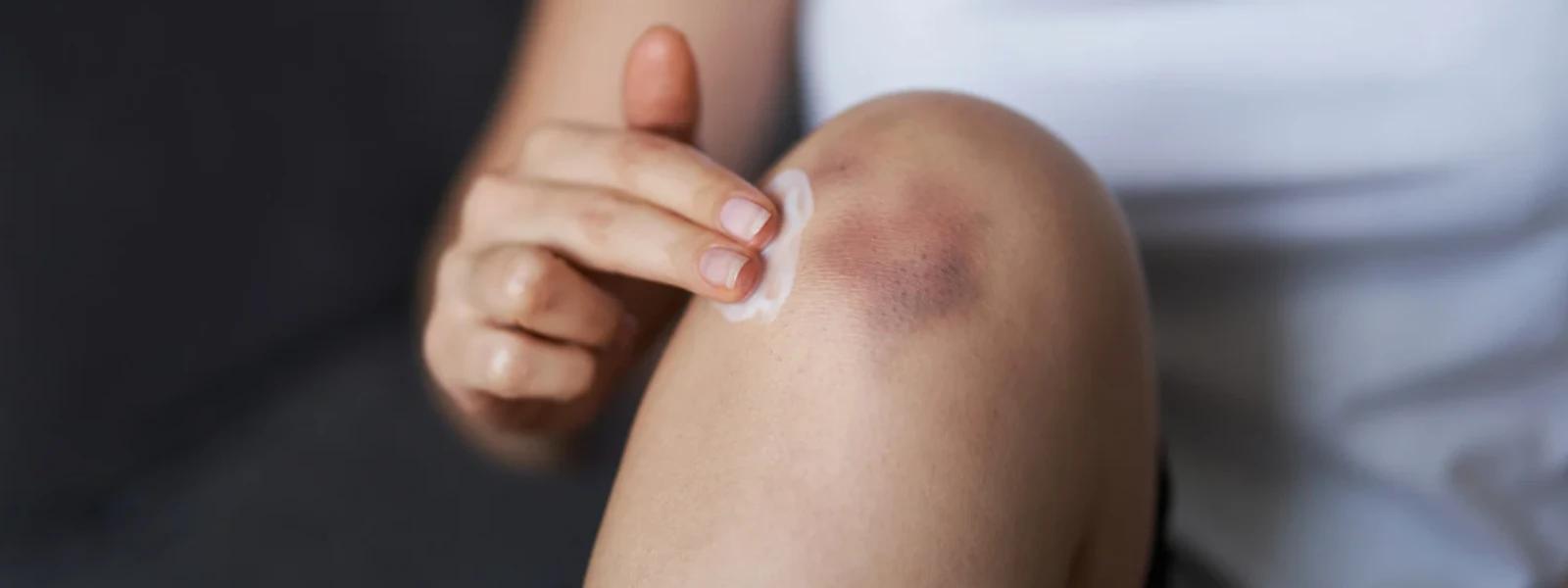
You've noticed it during the monsoon months – those stubborn dark patches on your elbows, knees, and knuckles that seem to appear out of nowhere. The humidity hits, and suddenly your joints look darker than the rest of your skin. You're not imagining it, and you're definitely not alone. This common concern affects millions, especially during India's humid seasons when our skin faces unique challenges from increased moisture, heat, and friction.
The science behind skin darkening in humid weather is fascinating yet straightforward. When humidity levels rise, your skin responds in several ways that can lead to joint discoloration. The increased moisture in the air causes your body to sweat more, creating a perfect storm for hyperpigmentation.
During humid conditions, your skin produces excess melanin as a protective response to heat and moisture. This process, called post-inflammatory hyperpigmentation, becomes more pronounced in areas where skin rubs against skin or clothing. Your elbows, knees, and knuckles bear the brunt because they're naturally thicker and experience more friction throughout the day.
The moisture retention in skin folds during humid weather also compromises your skin's natural barrier function. When your skin can't breathe properly, dead skin cells accumulate faster than usual. These cells trap moisture and bacteria, leading to inflammation that triggers melanin overproduction. Think of it as your skin's way of trying to protect itself, but the result is those unwanted dark patches.
Heat-induced hyperpigmentation mechanisms work differently than sun damage. The combination of sweat, friction, and trapped moisture creates micro-inflammation that stimulates melanocytes – the cells responsible for pigment production. This explains why your dark joints seem more noticeable after particularly humid days or during monsoon season.
Understanding the root causes of dark elbows and other joint areas helps you tackle the problem effectively. While humidity exacerbates the issue, several underlying factors contribute to this common skin concern.
Friction remains the primary culprit behind joint darkening. Your elbows rest on desks, your knees bend countless times daily, and your knuckles grip everything from steering wheels to shopping bags. This constant pressure and rubbing causes the skin to thicken and darken as a protective response. During humid weather, sweaty skin increases friction, making the problem worse.
This medical condition causes dark, velvety patches on skin folds and joints. Often linked to insulin resistance and diabetes, acanthosis nigricans affects areas like elbows, knees, neck, and armpits. If your joint darkening appeared suddenly or feels thick and velvety, it's worth discussing with a dermatologist.
Surprisingly, vitamin B12 deficiency can manifest as darkened knuckles before other symptoms appear. This deficiency affects melanin production and can cause hyperpigmentation in pressure-bearing areas. Many people don't realise their dark knuckles might be their body's first signal of nutritional imbalance.

Dark Patch Removal Cream | For Knees, Neck & Elbows | Kojic Acid, AHAs & MelaMe Complex | Fades Pigmentation | Smoothens Skin | Pack of 2 | 50g
Humid conditions slow down your skin's natural exfoliation process. Dead skin cells that should shed naturally instead accumulate on joint areas, creating a thick, dark appearance. This buildup traps moisture and bacteria, perpetuating the cycle of inflammation and darkening.
The relationship between humidity and uneven skin tone on joints involves several interconnected factors. When moisture levels in the air increase, your skin's behaviour changes dramatically, particularly in areas prone to elbow and knee discoloration.
Increased perspiration during humid weather creates an environment where bacteria thrive. These bacteria produce enzymes that can irritate your skin, leading to inflammation and subsequent pigmentation. Your joints, being natural creases and folds, trap this moisture longer than flat surfaces, creating perfect breeding grounds for bacterial overgrowth.
The compromised skin barrier function during humid weather means your skin loses its ability to regulate moisture effectively. This leads to transepidermal water loss (TEWL), where your skin simultaneously retains too much surface moisture while losing essential hydration from deeper layers. This imbalance triggers inflammatory responses that manifest as darkening.
Heat rash and secondary pigmentation often develop when humid conditions persist. What starts as simple irritation from trapped sweat can evolve into lasting hyperpigmentation if not addressed promptly. Your joints are particularly vulnerable because clothing and natural body movements increase friction in these already sensitive areas.
Effective joint hyperpigmentation treatment requires a multi-pronged approach that addresses both the underlying causes and visible symptoms. The good news is that with consistent care, you can see significant improvement in your joint discoloration.
Dermatologist-recommended procedures offer the fastest results for stubborn joint darkening. Chemical peels specifically formulated for body use can remove layers of dead, pigmented skin while stimulating cell turnover. Glycolic acid and lactic acid peels work particularly well for joint areas because they're gentle enough for regular use yet effective at breaking down accumulated pigmentation.
Laser therapy options like Q-switched lasers target melanin deposits directly without damaging surrounding tissue. These treatments work exceptionally well for post-inflammatory hyperpigmentation but require multiple sessions for optimal results. Your dermatologist might also prescribe stronger lightening agents containing hydroquinone or tretinoin for faster improvement.
Several effective ingredients can help with dark knees remedy when used consistently. Look for products containing niacinamide, which reduces inflammation while inhibiting melanin transfer to skin cells. Alpha hydroxy acids (AHAs) like glycolic and lactic acid gently exfoliate dead skin while promoting cell renewal.
Retinoid-based treatments accelerate skin turnover and can significantly improve joint discoloration over time. Start with lower concentrations to avoid irritation, especially in sensitive joint areas. Kojic acid and arbutin serve as gentler alternatives to hydroquinone for those with sensitive skin.

Dark Spot Reduction Set | 3-Step Routine for Hyperpigmentation & Even Skin Tone | Cleanser, Serum & Moisturizer | Skin Care Routine Kit
These beauty tips for dark joints focus on gentle, natural approaches that complement professional treatments. Remember, consistency matters more than intensity when dealing with joint hyperpigmentation.
Gentle exfoliation removes dead skin cells that contribute to the dark appearance of joints. Use a soft-bristled brush or exfoliating mitt in circular motions, focusing on rough areas without being too aggressive. Over-exfoliation can worsen inflammation and darken joints further.
Create an effective DIY scrub by mixing brown sugar with honey and a few drops of lemon juice. The sugar provides physical exfoliation, honey moisturises and has antibacterial properties, while lemon contains natural acids that brighten skin. Use this scrub 2-3 times weekly for best results.
Turmeric-based remedies have been used for centuries to address hyperpigmentation. Mix turmeric powder with milk or yoghurt to create a paste, apply to dark joints, and leave for 15-20 minutes before rinsing. The curcumin in turmeric has anti-inflammatory properties that can help reduce pigmentation over time.
Aloe vera applications work wonderfully for soothing inflamed skin while providing gentle lightening effects. Fresh aloe gel contains compounds that inhibit melanin production while moisturising the skin. Apply pure aloe vera gel to clean joints twice daily for gradual improvement.
Preventing joint darkening during humid weather requires proactive skincare habits that address the root causes. Focus on reducing friction, maintaining proper hygiene, and supporting your skin's natural barrier function.
Daily moisturising routines become crucial during humid months. Choose lightweight, non-comedogenic moisturisers that won't clog pores but will create a protective barrier against friction. Apply moisturiser to slightly damp skin to lock in hydration more effectively.
Friction reduction techniques include wearing breathable, loose-fitting clothing that doesn't rub against your joints. Choose natural fibres like cotton that wick moisture away from skin rather than trapping it. Consider using anti-chafing products on areas prone to rubbing, especially during exercise or long days outdoors.
Proper clothing choices extend beyond fabric selection. Avoid tight sleeves that bunch at elbows or pants that create pressure points at knees. During humid weather, change clothes more frequently to prevent prolonged contact with sweaty fabric that can irritate skin and worsen darkening.
Sun protection for joints often gets overlooked, but UV exposure can worsen existing hyperpigmentation. Apply broad-spectrum SPF to exposed joint areas, especially during outdoor activities. The combination of sun exposure and humid conditions can significantly darken already pigmented areas.

Dark Spot Serum For Pigmentation | With Niacinamide & Alpha Arbutin | Fades Melasma & Acne Marks | For Oily & Dry Skin | Pack of 2 | 30ml
Joint darkening occurs due to increased friction, pressure, and dead skin cell accumulation in these areas. Your elbows, knees, and knuckles experience more rubbing throughout daily activities, causing the skin to thicken and produce more melanin as protection. Humid weather exacerbates this process by increasing sweat and bacterial growth, leading to inflammation and further darkening.
Yes, vitamin B12 deficiency commonly causes dark knuckles and can appear before other deficiency symptoms develop. This vitamin plays a crucial role in melanin regulation, and its absence can lead to hyperpigmentation in pressure-bearing areas like knuckles. If you notice sudden darkening of your knuckles, consider getting your B12 levels checked.
Absolutely. Humid weather increases sweating, which creates more friction between skin surfaces and clothing. The excess moisture also promotes bacterial growth and compromises your skin's natural barrier function. This combination leads to inflammation and increased melanin production, making existing joint discoloration more pronounced and creating new dark patches.
With consistent treatment, you can expect to see initial improvement in 4-6 weeks. However, complete results may take 3-6 months depending on the severity of darkening and underlying causes. Professional treatments typically show faster results than home remedies, but combining both approaches often yields the best outcomes.
Dark, velvety patches on joints can indicate acanthosis nigricans, which is often associated with insulin resistance and diabetes. However, not all joint darkening is related to diabetes. If you notice sudden onset of thick, dark patches accompanied by other symptoms like increased thirst or frequent urination, consult a healthcare provider for proper evaluation.
Focus on keeping joints clean and dry, moisturising regularly with lightweight products, wearing breathable clothing, and gentle daily exfoliation. Avoid prolonged contact with wet clothing and change out of sweaty clothes promptly. Using anti-chafing products in problem areas can also help reduce friction-induced darkening.
Understanding the connection between humid weather and joint discoloration empowers you to take proactive steps in your skincare routine. Remember that hyperpigmentation on joints is incredibly common and treatable with the right approach. Whether you're dealing with friction-induced darkening or underlying conditions like vitamin deficiency, consistent care makes a real difference.
The key lies in addressing both prevention and treatment simultaneously. While you work on lightening existing dark patches, focus equally on preventing new ones from forming. This means maintaining proper hygiene during humid weather, choosing appropriate clothing, and establishing a gentle yet effective skincare routine.
For those exploring new skincare solutions, platforms like Smytten Shop offer access to premium beauty brands with the convenience of trying products before committing to full sizes. With over 28 million users discovering their perfect skincare matches, you can explore curated selections of treatments specifically designed for hyperpigmentation concerns. The cashback options make it easier to experiment with professional-grade products that might otherwise feel like a significant investment.
Your skin journey is unique, and what works for others might need adjustment for your specific needs. Be patient with the process, stay consistent with your chosen treatments, and don't hesitate to consult professionals when home remedies aren't providing the results you're seeking. With time and proper care, you can achieve the even-toned, healthy-looking joints you desire, regardless of the weather.
