Bumpy Skin: Home Remedies vs Clinical Treatments


Target & Fade Duo for Hyperpigmentation | Even-Tone Underarms, Inner Thighs & Bum | Refines Skin Texture | For All Skin Types
You've noticed those tiny bumps on your upper arms, thighs, or even your face—rough patches that feel like sandpaper and refuse to budge despite your best moisturising efforts. Whether it's the classic "chicken skin" texture of keratosis pilaris or stubborn clogged pores creating an uneven surface, bumpy skin can feel frustrating. The good news? You have options. From gentle home remedies for skin texture issues to professional clinical treatments for skin transformation, there's a path forward that suits your skin type, budget, and timeline. Let's explore what actually works.
Before diving into treatments, it's worth understanding what creates that bumpy texture in the first place. Your skin might be dealing with several different issues, each requiring a slightly different approach.
Keratosis pilaris tops the list—those small, rough bumps that appear when dead skin cells clog hair follicles. You'll typically find these on upper arms, thighs, and sometimes cheeks. Then there's folliculitis, where hair follicles become inflamed and create tender, red bumps. Post-inflammatory hyperpigmentation from old breakouts can also create an uneven texture, whilst sebaceous hyperplasia causes small, flesh-coloured bumps on the face.
The location often gives clues about the cause. Face bumps might indicate clogged pores or sebaceous issues, whilst body bumps usually point to keratosis pilaris or folliculitis. Understanding your specific type helps determine whether home remedies vs clinical treatments for bumpy skin will be more effective.
Starting with natural skin care approaches makes sense for many people. These methods are accessible, budget-friendly, and often surprisingly effective when used consistently.
Lactic acid and salicylic acid are your best friends for bumpy skin treatment at home. Lactic acid, typically used at 5-12% concentration, gently dissolves the bonds between dead skin cells whilst being kind to sensitive skin. Salicylic acid at 1-2% works brilliantly for oily skin types, diving deep into pores to clear blockages.
Apply these acids 2-3 times weekly, starting slowly to build tolerance. Always follow with a rich moisturiser and never skip SPF during the day—chemical exfoliation makes your skin more photosensitive.
Urea-based creams at 10-20% concentration work wonders for keratosis pilaris treatment. Urea naturally breaks down keratin plugs whilst providing deep hydration. Look for formulations that also include ceramides and hyaluronic acid to repair your skin barrier.
The key is consistency—apply these treatments twice daily, focusing on problem areas. Many people see improvement within 4-6 weeks of regular use.
Honey and aloe vera provide gentle anti-inflammatory benefits, perfect for soothing irritated bumpy skin. Turmeric mixed with a carrier oil can help reduce inflammation, though be mindful of temporary staining. Vitamin C serums support overall skin texture improvement by promoting cell turnover and collagen production.

Mineral Sunscreen SPF 50 | Matte Finish | No White Cast | Non-Nano Zinc Oxide | Cica | Pregnancy Safe | All Skin Types | 50ml
Cold compresses can provide immediate relief for inflamed bumps, whilst lukewarm (not hot) showers prevent further irritation. These simple adjustments often make a noticeable difference.
When home remedies for skin texture haven't delivered the results you're after, professional treatments offer more intensive options with faster timelines.
Dermatologists can prescribe stronger concentrations of active ingredients than what's available over-the-counter. Prescription retinoids, for instance, work more aggressively to increase cell turnover and prevent clogged follicles. Higher-strength chemical peels—often 20-30% glycolic acid or stronger lactic acid formulations—can tackle stubborn texture issues more effectively.
These treatments typically show results within 2-4 weeks, though initial irritation is common as your skin adjusts to the stronger formulations.
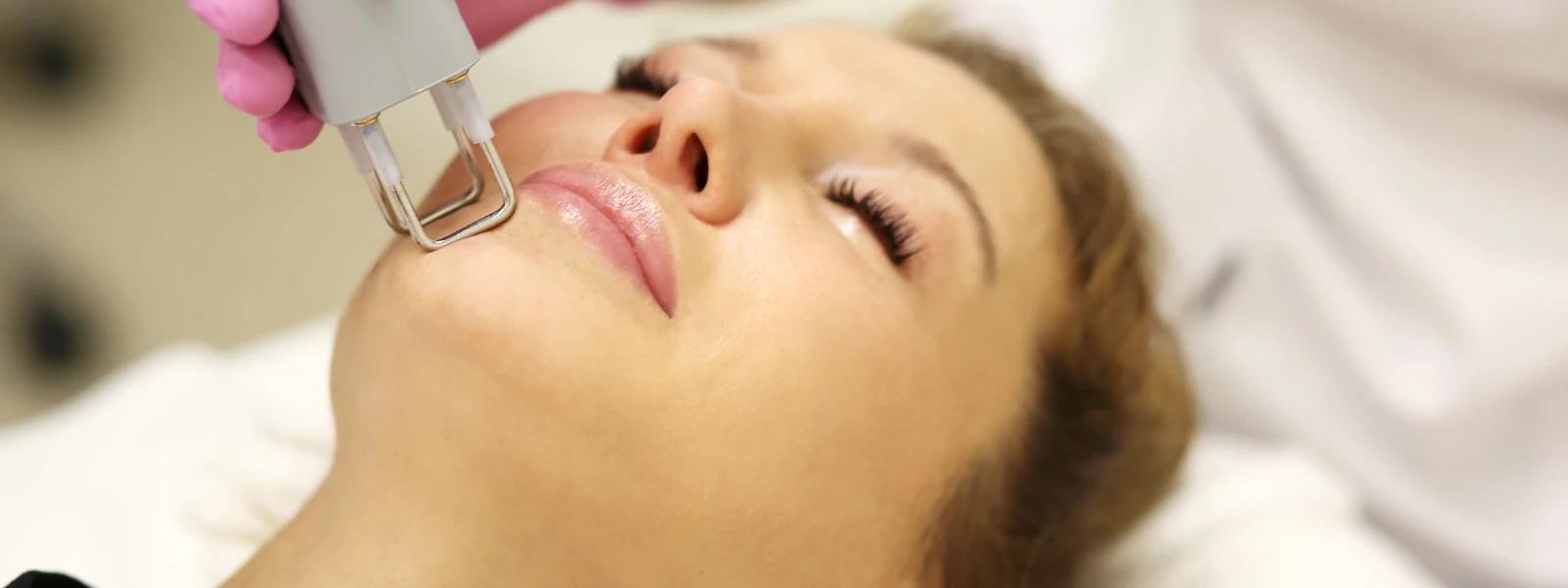
Microdermabrasion physically removes the top layer of dead skin cells, immediately improving texture. Professional chemical peels go deeper than at-home versions, addressing more severe bumpy skin concerns. Laser treatment for keratosis pilaris targets hair follicles to reduce bump formation, whilst microneedling stimulates collagen production for overall skin texture improvement.
These procedures require downtime—typically 3-7 days of redness and peeling—but results are often dramatic and long-lasting.
For severe cases, dermatologists might recommend cryotherapy (freezing individual bumps), photodynamic therapy, or even injectable treatments for specific conditions. These approaches are reserved for stubborn cases that haven't responded to gentler interventions.
Understanding the practical differences helps you make the right choice for your skin and lifestyle.
Home remedies for skin texture typically require 6-12 weeks of consistent use before you see significant improvement. The changes are gradual but often sustainable with continued maintenance. Clinical treatments for skin can deliver noticeable results in 2-4 weeks, but may require multiple sessions for optimal outcomes.
For mild to moderate bumpy skin, home remedies often achieve 60-80% improvement. Clinical treatments can reach 80-95% improvement for the same conditions, but the difference might not justify the cost and downtime for everyone.

Salicylic Acid Face Cleanser | Deep Cleansing Formula for Breakouts | Unclogs Pores & Controls Oil | For Oily & Acne-Prone Skin | 100ml
Building an effective home routine costs ₹2,000-5,000 initially, with ongoing monthly costs of ₹500-1,500. Clinical treatments range from ₹5,000-15,000 per session, with most conditions requiring 3-6 sessions. However, clinical results often last longer, potentially making them more cost-effective long-term.
Home remedies carry lower risk of severe side effects, though over-exfoliation and allergic reactions can occur. Clinical treatments have higher potential for complications—hyperpigmentation, scarring, or prolonged irritation—but these risks are minimised when performed by qualified professionals.
The best approach often combines elements from both categories, tailored to your specific skin needs and circumstances.
Begin with natural skin care approaches if you have mild bumpy skin, sensitive skin, or budget constraints. Give home remedies a proper 8-12 week trial before deciding they're not working. Many people see excellent results with consistent use of gentle chemical exfoliants and rich moisturisers.
This approach works particularly well for keratosis pilaris treatment on the body, where the skin is less sensitive than facial skin.
Professional intervention makes sense for severe bumpy skin that hasn't responded to home care, when you need rapid results for a special event, or if you're dealing with complex skin conditions that require dermatologist skin advice.
Facial bumpy skin often responds better to clinical treatments, as the skin is more responsive to professional procedures.
Many people find success using clinical treatments for initial improvement, then maintaining results with home care. This strategy maximises effectiveness whilst minimising ongoing costs. For example, you might have professional chemical peels quarterly whilst using gentle acids and rich moisturisers daily.
Regardless of which path you choose, certain principles apply to all effective bumpy skin treatment approaches.

Hydrating Moisturizer | Non-Comedogenic | Boosts Collagen & Hydrates Deeply | Ceramides + Niacinamide | For Normal to Dry Skin | 50g
Gentle, consistent care beats aggressive, sporadic treatments every time. Whether you're using home remedies or clinical treatments, stick to your routine for at least 6-8 weeks before evaluating results.
Document your progress with photos taken in consistent lighting—improvements are often gradual and easy to miss day-to-day.
Over-exfoliation is the biggest culprit in failed bumpy skin treatment. More isn't better—stick to recommended frequencies and concentrations. Skipping moisturiser after exfoliation can actually worsen bumpy texture, as dehydrated skin produces more dead cells.
Sun protection is non-negotiable. UV exposure can worsen bumpy skin and counteract your treatment efforts.
The most effective approach combines gentle chemical exfoliation using 5-10% lactic acid or 1-2% salicylic acid with rich moisturisers containing urea, ceramides, and hyaluronic acid. Apply acids 2-3 times weekly and moisturise twice daily for best results.
Most clinical treatments show initial results within 2-4 weeks, with optimal results appearing after 6-12 weeks and multiple sessions. Professional chemical peels and laser treatments typically require 3-6 sessions spaced 4-6 weeks apart.
Yes, but timing matters. Use gentle home care between professional treatments to maintain results. Avoid active ingredients for 48-72 hours before and after clinical procedures to prevent irritation.
Mild keratosis pilaris often responds well to consistent home care with urea-based creams and gentle acids. Severe cases benefit from clinical treatments like prescription retinoids or laser therapy, followed by home maintenance.
The choice between home remedies vs clinical treatments for bumpy skin isn't always either-or. Your skin's severity, your budget, timeline, and personal preferences all factor into the best approach. Many people find success starting with gentle home remedies and escalating to clinical treatments if needed.
Remember that smooth skin solutions take time regardless of which path you choose. Whether you're exploring natural skin care options or considering professional treatments, consistency and patience are your greatest allies. For those looking to experiment with different products and find what works for their unique skin needs, platforms like Smytten offer the opportunity to try various skincare solutions before committing to full sizes—helping you build an effective routine without the guesswork.
Your skin journey is unique, and the right treatment approach is the one that fits your lifestyle, budget, and delivers results you're happy with. Start where you're comfortable, be consistent, and don't hesitate to seek professional guidance when you need it.
