Body Pigmentation Home Remedies FAQ: Your Questions Answered


Dark Spot Reduction Set | 3-Step Routine for Hyperpigmentation & Even Skin Tone | Cleanser, Serum & Moisturizer | Skin Care Routine Kit
You've noticed those stubborn dark patches on your elbows, the uneven tone across your shoulders, or perhaps those persistent marks from old breakouts that just won't fade. Body pigmentation affects most of us at some point, and whilst professional treatments exist, many people turn to body pigmentation home remedies as their first line of defence. The good news? Your kitchen likely holds several ingredients that can genuinely help with dark spots removal and uneven skin tone correction. Let's dive into the most common questions about natural approaches to managing pigmentation, backed by science and real-world results.
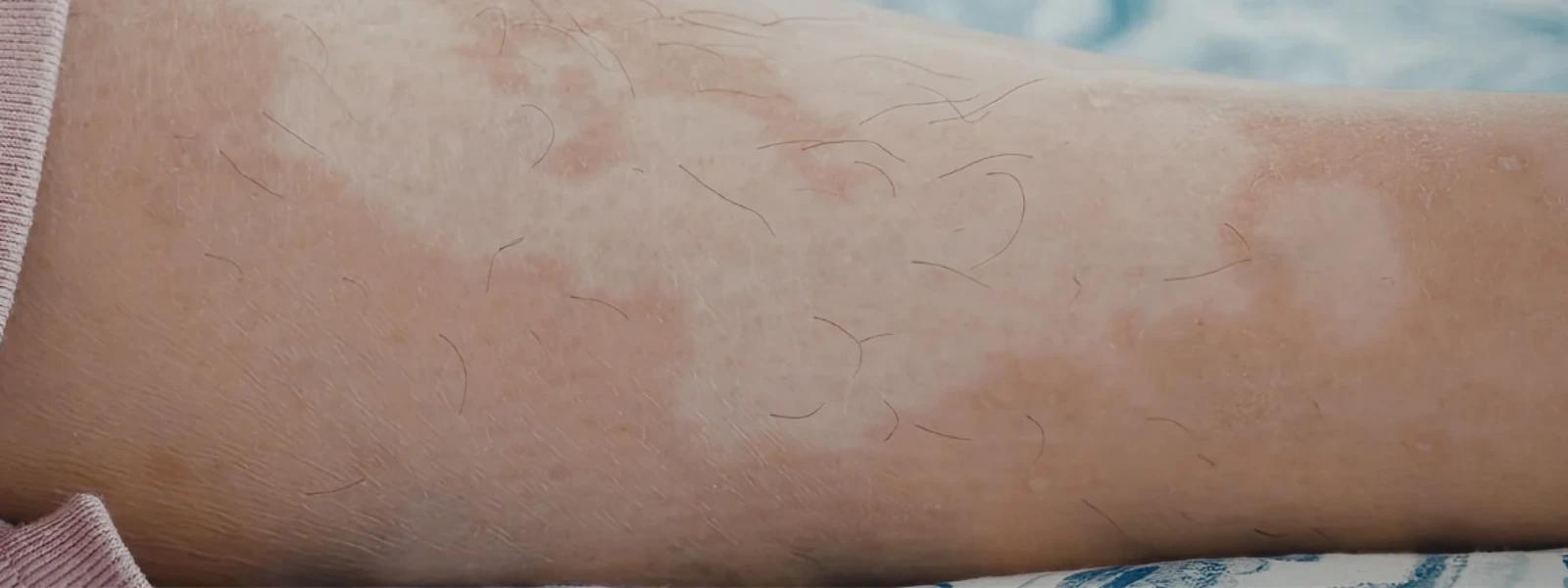
Hyperpigmentation happens when your skin produces excess melanin in certain areas, creating those frustrating dark patches. The most common types include post-inflammatory hyperpigmentation (PIH) from acne or injuries, melasma triggered by hormonal changes, and age spots from cumulative sun damage.
Several factors contribute to body pigmentation. Sun exposure remains the primary culprit, as UV rays stimulate melanin production as a protective mechanism. Hormonal fluctuations during pregnancy, menopause, or whilst taking certain medications can trigger melasma. Friction from tight clothing, particularly around the underarms and inner thighs, creates a condition called acanthosis nigricans. Even everyday activities like shaving or using harsh scrubs can lead to PIH if your skin becomes inflamed.
Understanding why natural skin brighteners work helps set realistic expectations. Many home remedies contain natural acids, antioxidants, or enzymes that gently exfoliate dead skin cells, inhibit melanin production, or provide anti-inflammatory benefits. However, these treatments work gradually—think weeks to months rather than days. The key is consistency and patience with your chosen skin pigmentation treatment approach.
Real talk: not every Pinterest remedy delivers results, but several ingredients have genuine science backing their effectiveness for pigmentation reduction. These remedies work through different mechanisms—some provide gentle chemical exfoliation, others inhibit melanin production, and many offer anti-inflammatory benefits that prevent further darkening.
Lemon juice contains natural citric acid and vitamin C, both proven to lighten dark spots over time. Always dilute fresh lemon juice with equal parts water to prevent irritation, and never apply before sun exposure as it increases photosensitivity. Turmeric offers curcumin, a compound that inhibits melanin production whilst providing anti-inflammatory benefits. Mix turmeric powder with milk or yogurt to create a paste that won't stain your skin yellow.
Apple cider vinegar provides gentle acetic acid that helps balance skin pH and promotes cell turnover. Dilute one part ACV with three parts water before application. Potato juice contains catecholase, an enzyme that naturally lightens dark patches. Simply slice a potato and rub the cut surface directly onto affected areas.
Aloe vera gel contains aloin, a compound with proven skin-lightening properties, plus it soothes inflammation that can worsen pigmentation. Use fresh gel from the plant or choose pure, preservative-free products. Green tea provides powerful antioxidants that reduce melanin production—brew strong green tea, cool it completely, then apply with cotton pads as a toner.

Rapid Dark Spot Correction Set | Reduces Dark Spots & Post-Acne Marks | Cleanser, Gel, Moisturizer & Sunscreen Kit
Yogurt contains natural lactic acid, an alpha hydroxy acid (AHA) that gently exfoliates and brightens skin. Apply plain, unsweetened yogurt as a mask for 15-20 minutes. Milk offers similar benefits with a gentler approach—soak cotton pads in cold milk and apply to dark areas for 10 minutes.
Consistency trumps intensity when it comes to home treatments for dark spots. Your morning routine should focus on protection and gentle brightening, whilst evenings are ideal for more active treatments. Start with clean skin—use a gentle cleanser that won't strip your skin's natural barrier.
Morning applications work best with soothing ingredients like aloe vera or diluted lemon juice (followed by thorough rinsing). Always finish with broad-spectrum SPF 30 or higher, as sun protection prevents new pigmentation and protects healing skin. Evening routines can incorporate stronger remedies like turmeric masks or ACV toners, as your skin repairs itself overnight.
Week-by-week progress typically follows this pattern: weeks 1-2 focus on establishing tolerance and routine consistency. Weeks 3-4 may show initial brightening, particularly with surface-level discolouration. Weeks 5-8 often reveal more significant improvement in texture and tone. Remember, deeper pigmentation requires longer treatment periods—sometimes 3-6 months for noticeable results.
Indian traditional medicine offers time-tested natural remedies for skin blemishes that modern science increasingly validates. Sandalwood paste provides cooling and brightening properties—mix sandalwood powder with rose water or milk to create a smooth paste. Apply for 20 minutes before rinsing with cool water.
Neem offers powerful anti-inflammatory and antimicrobial benefits that prevent the inflammation leading to PIH. Grind fresh neem leaves with water to create a paste, or use neem oil diluted with a carrier oil like coconut or jojoba. Rose water balances skin pH whilst providing gentle hydration—use as a toner after cleansing or mix with other ingredients for masks.
Gram flour (besan) provides gentle physical exfoliation that removes dead skin cells without harsh scrubbing. Mix with turmeric and milk for a traditional ubtan that brightens whilst nourishing skin. These remedies work particularly well for Indian skin tones, as they've been developed and refined over generations of use.
Creating effective DIY skin lightening treatments requires understanding ingredient compatibility and proper ratios. These recipes combine multiple active ingredients for enhanced results whilst maintaining safety.

Head to Toe Anti-Pigmentation Set | Brightens & Evens Skin Tone from Head to Toe | Targets Dark Spots | Nourishing & Brightening Routine
Honey-lemon brightening mask: Mix 2 tablespoons raw honey with 1 tablespoon diluted lemon juice. Honey provides antimicrobial benefits whilst lemon offers vitamin C. Oatmeal exfoliating scrub: Blend 1/4 cup oats with 2 tablespoons yogurt and 1 teaspoon turmeric for gentle physical and chemical exfoliation.
Aloe vera overnight gel: Apply pure aloe vera gel to clean skin before bed—its healing compounds work whilst you sleep. Milk and turmeric sleeping mask: Mix 2 tablespoons milk powder with 1 teaspoon turmeric and enough water to form a paste. Apply thinly and leave overnight, rinsing in the morning.
Even natural ingredients can cause reactions, making patch testing essential for any new skin discoloration solutions. Apply a small amount of your chosen remedy to your inner forearm and wait 24 hours. Look for redness, itching, burning, or swelling—any reaction means avoiding that ingredient.
Citrus-based remedies increase photosensitivity, making sun protection absolutely crucial. Never apply lemon juice or other citrus ingredients before sun exposure, and always use SPF during treatment periods. Pregnant women should avoid certain ingredients like high concentrations of vitamin A or strong acids—stick to gentle options like aloe vera or milk-based treatments.
Discontinue any treatment that causes persistent irritation, burning, or worsening pigmentation. Some initial mild tingling is normal with acid-based treatments, but severe reactions require immediate cessation and possibly medical attention.
Most people notice initial improvements within 3-4 weeks of consistent use, though significant changes typically require 2-3 months. Surface-level discolouration responds faster than deeper pigmentation. Consistency matters more than intensity—daily gentle treatments outperform occasional harsh applications.

15% Vitamin C Face Serum | Brightens & Evens Skin Tone | Boosts Collagen & Firmness | Reduces Dark Spots | Vitamin C & E + Ferulic Acid | 30ml
Yes, but introduce one ingredient at a time to identify any sensitivities. Effective combinations include turmeric with yogurt, aloe vera with lemon juice (diluted), or honey with oatmeal. Avoid mixing acids together, as this can cause irritation.
Delicate areas like underarms respond well to gentle treatments like aloe vera or milk applications. Thicker skin on elbows and knees can tolerate stronger remedies like turmeric paste or diluted ACV. Facial pigmentation requires the gentlest approach—stick to honey, yogurt, or heavily diluted lemon juice.
Avoid undiluted lemon juice, baking soda scrubs, or any remedy that causes burning or severe irritation. Never use bleach or harsh chemicals not intended for skin use. Essential oils require proper dilution—tea tree, for example, should never exceed 5% concentration.
Consistent sun protection remains crucial—UV exposure can quickly reverse months of progress. Continue gentle maintenance treatments 2-3 times weekly rather than daily intensive applications. Focus on overall skin health with proper hydration and gentle exfoliation.
Seek professional help if pigmentation worsens despite treatment, appears suddenly without clear cause, or shows irregular borders or colour changes. Deep melasma, extensive sun damage, or pigmentation that doesn't respond to 3 months of consistent home treatment may require dermatological intervention.
Body pigmentation home remedies offer a gentle, affordable approach to managing uneven skin tone and dark spots. Whilst results require patience and consistency, many people successfully improve their pigmentation using natural ingredients. The key lies in understanding your skin type, choosing appropriate remedies, and maintaining realistic expectations about timelines.
Remember that prevention remains your best strategy—consistent sun protection, gentle skincare practices, and prompt treatment of inflammation can prevent new pigmentation from forming. For those exploring professional-grade products alongside home remedies, platforms like Smytten Shop offer curated selections of dermatologist-recommended treatments, allowing you to try before committing to full sizes. Whether you choose natural remedies, professional products, or a combination approach, consistency and patience will serve you well on your journey to more even, radiant skin.
