Best Actives for Melanin FAQ: Your Guide to Brighter Skin


Target & Fade Duo for Hyperpigmentation | Even-Tone Underarms, Inner Thighs & Bum | Refines Skin Texture | For All Skin Types
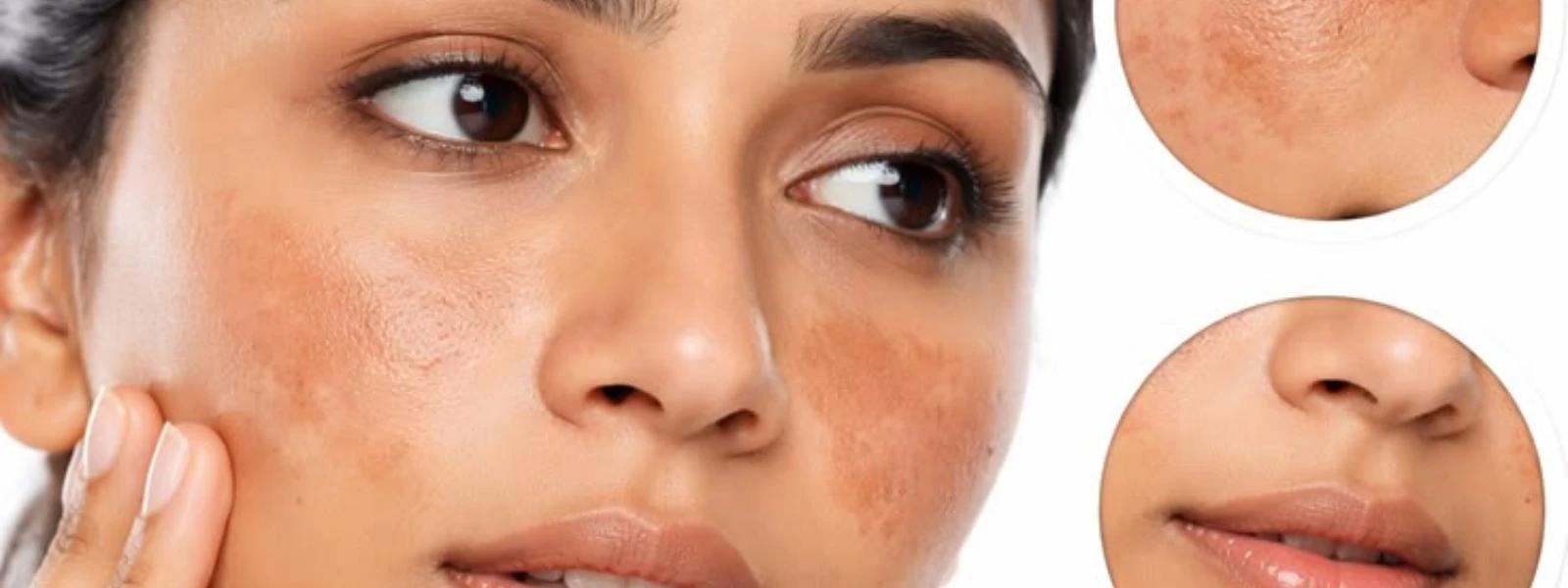
You've been dealing with those stubborn dark spots for months now, layering on concealer every morning and wondering why your expensive serums aren't delivering the results you expected. The truth is, when it comes to melanin-rich skin, not all actives are created equal. Understanding which best actives for melanin actually work for your skin tone can be the difference between continued frustration and finally achieving that even, radiant complexion you've been after. Let's dive into the science-backed ingredients that truly make a difference for hyperpigmentation treatment and explore how to build a routine that works with your skin, not against it.
Before we jump into the best actives for melanin, it's worth understanding what we're actually working with. Melanin isn't the enemy here – it's your skin's natural protection system, designed to shield you from UV damage. The challenge comes when this protective mechanism goes into overdrive, creating those uneven patches and dark spots that seem impossible to fade.
Your skin produces two main types of melanin: eumelanin (which gives brown and black pigments) and pheomelanin (responsible for red and yellow tones). When certain triggers – like sun exposure, hormonal changes, or inflammation from breakouts – activate the enzyme tyrosinase, melanin production ramps up. This is where targeted skin brightening agents come into play, working to regulate this process rather than completely shutting it down.
Many conventional brightening products are formulated with lighter skin tones in mind, which means they might not address the specific concerns that come with melanin-rich skin. Your skin requires pigmentation solutions that work gently yet effectively, without causing irritation that could lead to more dark spots – a frustrating cycle many of us know all too well.
When it comes to proven melanin boosting ingredients and regulators, certain actives have consistently shown results in clinical studies. These ingredients work through different mechanisms – some inhibit tyrosinase activity, others accelerate cell turnover, and some provide antioxidant protection to prevent future damage.
Vitamin C remains one of the most effective skin radiance boosters for melanin-rich skin. L-ascorbic acid, magnesium ascorbyl phosphate, and sodium ascorbyl phosphate each offer unique benefits. L-ascorbic acid provides the most potent results but can be irritating, whilst magnesium ascorbyl phosphate offers gentler brightening with added hydration benefits. Start with concentrations around 10-15% and gradually work your way up as your skin builds tolerance.

Mineral Sunscreen SPF 50 | Matte Finish | No White Cast | Non-Nano Zinc Oxide | Cica | Pregnancy Safe | All Skin Types | 50ml
This form of vitamin B3 is particularly brilliant for addressing multiple concerns simultaneously. Niacinamide not only helps regulate melanin transfer between cells but also strengthens your skin barrier, controls oil production, and reduces inflammation. It's one of the most well-tolerated actives, making it perfect for sensitive skin that's prone to post-inflammatory hyperpigmentation.
Derived from bearberry plants, alpha arbutin works by slowly releasing hydroquinone in controlled amounts. This makes it one of the safest uneven skin tone correctors for long-term use. Unlike synthetic hydroquinone, alpha arbutin doesn't carry the same risks of irritation or rebound hyperpigmentation, making it ideal for consistent daily use.
The debate between natural and synthetic actives isn't about one being superior to the other – it's about finding what works best for your skin's unique needs and tolerance levels. Natural melanin enhancers often provide gentler results with fewer side effects, whilst synthetic alternatives might deliver faster, more dramatic improvements.
Kojic acid, derived from fermented rice, offers excellent tyrosinase inhibition properties. Liquorice root extract contains glabridin, which helps prevent UV-induced hyperpigmentation. Mulberry extract provides gentle brightening effects whilst also offering antioxidant protection. These natural melanin enhancers work beautifully for those who prefer plant-based skincare or have sensitive skin that reacts to stronger synthetic actives.
Azelaic acid deserves special mention here – whilst naturally occurring in grains, the skincare versions are typically synthetic. This ingredient is particularly effective for those dealing with both acne and hyperpigmentation, as it addresses inflammation whilst promoting healthy cell turnover. Tranexamic acid is another synthetic option that's gained popularity for its ability to reduce melanin synthesis and improve overall skin clarity.
Creating an effective routine with best actives for melanin isn't about using every powerful ingredient at once – it's about strategic layering and consistent application. Your skin needs time to adjust to new actives, and patience is key when addressing deep-seated pigmentation concerns.

Salicylic Acid Face Cleanser | Deep Cleansing Formula for Breakouts | Unclogs Pores & Controls Oil | For Oily & Acne-Prone Skin | 100ml
Start with one active ingredient and use it consistently for 4-6 weeks before introducing another. This approach helps you identify which ingredients your skin responds to best whilst minimising the risk of irritation that could worsen hyperpigmentation.
Your morning routine should focus on protection and gentle brightening. A vitamin C serum provides antioxidant protection whilst working on existing dark spots. Follow with a niacinamide product if your skin tolerates layering actives, then always finish with a broad-spectrum SPF of at least 30. Sun protection isn't optional when you're using skin brightening agents – it's absolutely essential for preventing new pigmentation and protecting the progress you're making.
Evenings are perfect for stronger hyperpigmentation treatment actives. Retinoids accelerate cell turnover, helping fade existing spots whilst preventing new ones from forming. Alpha arbutin or kojic acid can be layered underneath for targeted brightening. Always follow with a nourishing moisturiser to support your skin barrier – healthy, hydrated skin responds better to active ingredients.
Whilst hydroquinone traditionally shows the quickest results, it's not suitable for long-term use due to potential side effects. For sustainable results, vitamin C combined with alpha arbutin typically shows visible improvements within 6-8 weeks of consistent use. Remember, faster isn't always better when it comes to skincare for dark spots – gentle, consistent treatment prevents the irritation that can worsen hyperpigmentation.
Yes, but introduce them gradually. Start with one active for several weeks, then slowly add others. Vitamin C and niacinamide work beautifully together, as do alpha arbutin and azelaic acid. Avoid combining multiple strong actives like retinoids and AHAs in the same routine until your skin has built tolerance.

Hydrating Moisturizer | Non-Comedogenic | Boosts Collagen & Hydrates Deeply | Ceramides + Niacinamide | For Normal to Dry Skin | 50g
Realistic expectations are crucial for success. Surface-level improvements like skin texture and radiance often appear within 2-4 weeks. Deeper pigmentation concerns typically require 8-12 weeks of consistent use to show significant fading. Some stubborn spots may take 6 months or longer – this is completely normal and doesn't mean your routine isn't working.
Not necessarily – they often work differently. Natural melanin enhancers like liquorice root and kojic acid provide gentler, more gradual results with fewer side effects. Synthetic actives might deliver faster results but can be more irritating. The best approach often combines both types for comprehensive pigmentation solutions.
Inconsistency and impatience are the biggest culprits. Many people switch products every few weeks when they don't see immediate results, never giving their skin enough time to respond. Another common mistake is skipping SPF – using skin brightening agents without proper sun protection can actually worsen hyperpigmentation.
Sensitive skin can absolutely benefit from best actives for melanin, but choose gentler options and introduce them slowly. Niacinamide, alpha arbutin, and vitamin C in stable forms like magnesium ascorbyl phosphate are excellent starting points. Always patch test new products and consider using actives every other day initially.
Finding the right best actives for melanin is a journey, not a destination. Your skin's needs will evolve, and what works brilliantly now might need adjusting as your concerns change or improve. The key is building a routine around proven skin brightening agents whilst maintaining realistic expectations and unwavering consistency.
Remember that effective hyperpigmentation treatment isn't just about the actives you use – it's about how you use them. Gentle introduction, consistent application, and proper sun protection form the foundation of any successful brightening routine. Whether you prefer natural melanin enhancers or synthetic alternatives, the most important factor is finding products you'll actually use every day.
At Smytten, you can explore curated selections of proven pigmentation solutions from trusted brands, with the confidence that comes from trying before committing to full sizes. With over 28 million users discovering their perfect skincare matches, you're in good company as you work towards achieving that even, radiant complexion you deserve.
