Affordable vs. Expensive Serums FAQ: Are They Equally Effective?
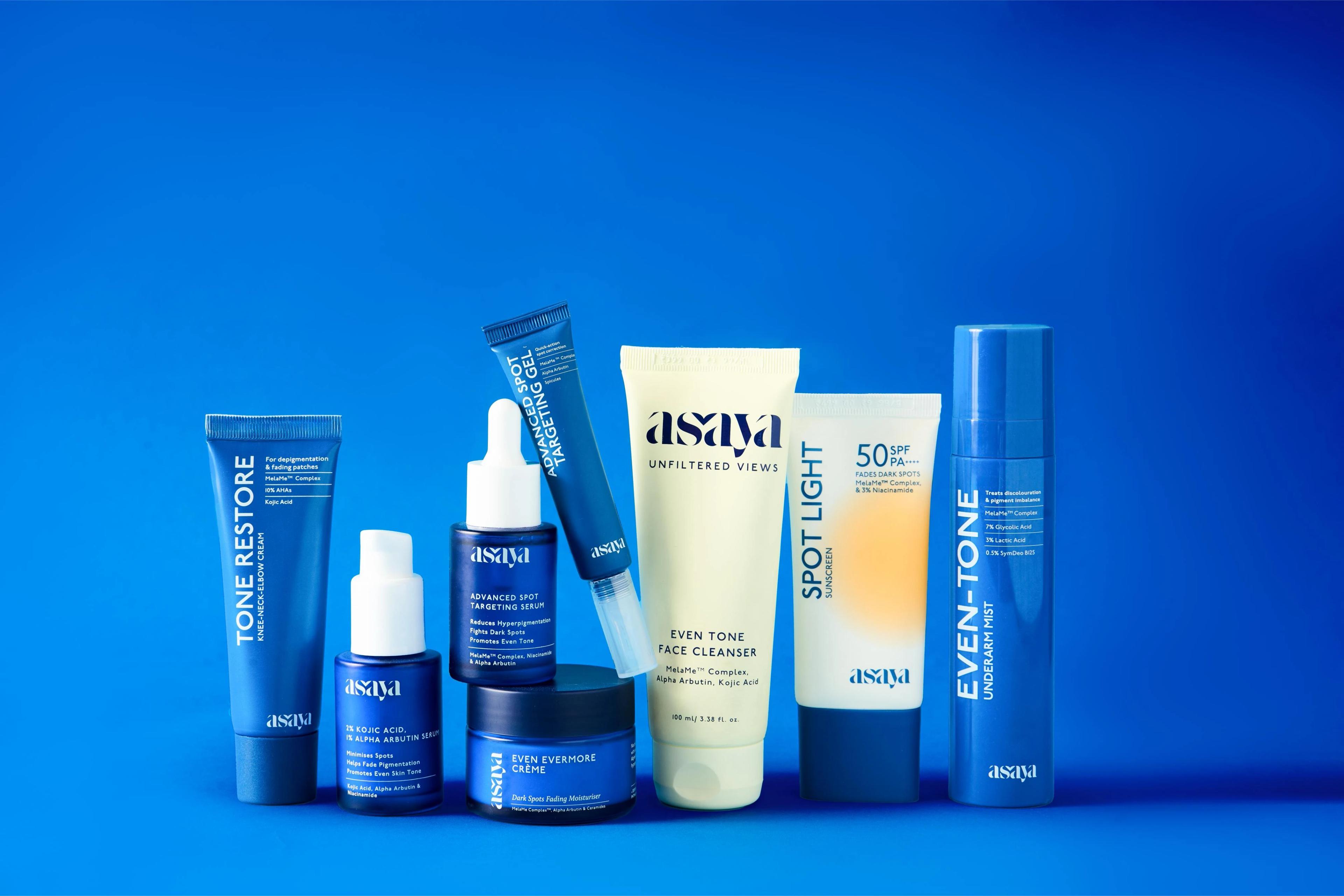


Target & Fade Duo for Hyperpigmentation | Even-Tone Underarms, Inner Thighs & Bum | Refines Skin Texture | For All Skin Types
You've been standing in the skincare aisle for twenty minutes, comparing a ₹500 niacinamide serum with its ₹3,000 counterpart. The expensive one promises "revolutionary peptide technology" whilst the affordable option lists the same active ingredients. Sound familiar? This dilemma hits every skincare enthusiast at some point. The truth about serum effectiveness might surprise you – and it's backed by science, not marketing budgets.
The Indian skincare market has exploded, with consumers spending over ₹16,000 crores annually on beauty products. Yet here's what's fascinating: dermatological research consistently shows that ingredient concentration and formulation quality matter far more than price tags. A recent study published in the Journal of Cosmetic Dermatology found no significant correlation between product price and clinical effectiveness when comparing serums with identical active ingredients.
Real talk – the skincare industry operates on massive profit margins. That ₹4,000 vitamin C serum? The actual ingredient cost might be under ₹200. The rest goes towards packaging, marketing, celebrity endorsements, and brand positioning. This doesn't automatically make expensive serums ineffective, but it does mean you're often paying for perception rather than performance.
What we're diving into today will change how you shop for serums forever. We'll examine ingredient lists, manufacturing processes, and clinical data to answer the burning question: are affordable serums as effective as expensive ones? Spoiler alert: the answer isn't what most beauty brands want you to believe.
Before we compare price points, let's understand what makes any serum effective. Active ingredients are the workhorses – niacinamide for pore refinement, hyaluronic acid for hydration, retinol for anti-ageing. These are scientifically proven compounds with decades of research backing their efficacy.
The magic happens in three key areas: concentration, stability, and penetration. A 10% niacinamide serum will perform similarly whether it costs ₹600 or ₹6,000, provided both maintain ingredient stability and proper pH levels. Serum effectiveness depends on getting these actives through your skin barrier and into the deeper layers where they can work.
Many affordable serums actually contain higher concentrations of active ingredients than their luxury counterparts. The Ordinary's 10% niacinamide serum (₹800) contains more active ingredient than some ₹3,000 alternatives that hover around 5-7%. Higher doesn't always mean better, but it does mean you're getting more bang for your buck.
This is where some expensive serums justify their price tags. Advanced delivery systems like liposomal encapsulation or time-release technology can improve ingredient penetration. However, many drugstore serums now incorporate similar technologies without the premium pricing.
Let's get specific with some eye-opening comparisons. CeraVe's Hydrating Hyaluronic Acid Serum (₹1,200) contains sodium hyaluronate, vitamin B5, and ceramides. Compare this to a luxury alternative at ₹4,500 with nearly identical ingredients. Both use pharmaceutical-grade hyaluronic acid sourced from the same suppliers. The difference? Marketing budget and brand positioning.

Mineral Sunscreen SPF 50 | Matte Finish | No White Cast | Non-Nano Zinc Oxide | Cica | Pregnancy Safe | All Skin Types | 50ml
Budget beauty brands often source ingredients from the same manufacturers as luxury brands. The global cosmetic ingredient industry has standardised quality controls, meaning that niacinamide from BASF or DSM performs identically whether it ends up in a ₹500 serum or a ₹5,000 one.
Most skincare products, regardless of price, are manufactured in facilities that follow Good Manufacturing Practices (GMP). These standards ensure consistent quality, sterility, and ingredient integrity. Many affordable brands actually manufacture their products in the same facilities as luxury brands, just with different packaging and labelling.
Brands like The Ordinary, Good Molecules, and CeraVe have revolutionised affordable skincare by focusing purely on ingredients rather than fancy packaging. They've proven that effective formulations don't require premium pricing, forcing the entire industry to reconsider their strategies.
Let's be fair – some premium serums do offer genuine advantages. Patented ingredients like Olay's Amino-Peptide Complex or Estée Lauder's Chronolux technology represent years of research and development. These innovations can justify higher price points, especially when backed by clinical studies.
Luxury skincare brands also invest heavily in stability testing and packaging. That airless pump bottle isn't just for show – it protects light-sensitive ingredients like vitamin C and retinol from degradation. However, many affordable brands now offer similar packaging innovations.
Consider splurging on high-end serums when you're dealing with specific concerns that require patented ingredients or advanced delivery systems. Growth factors, peptide complexes, and certain botanical extracts are genuinely more expensive to source and formulate. If you have sensitive skin that reacts to common preservatives, premium brands often offer gentler alternatives.
Avoid paying premium prices for basic ingredients like hyaluronic acid, niacinamide, or glycolic acid. These are commodity ingredients with established efficacy profiles. A ₹500 hyaluronic acid serum will hydrate your skin just as effectively as a ₹5,000 version.
Dermatologists consistently recommend several effective skincare products that won't break the bank. The Ordinary's Niacinamide 10% + Zinc 1% (₹800) performs comparably to luxury alternatives costing ten times more. Clinical studies show similar pore-minimising and oil-control results across price ranges.

Salicylic Acid Face Cleanser | Deep Cleansing Formula for Breakouts | Unclogs Pores & Controls Oil | For Oily & Acne-Prone Skin | 100ml
For vitamin C, Mamaearth's Vitamin C Face Serum (₹600) contains stable L-ascorbic acid at therapeutic concentrations. Compare this to luxury vitamin C serums at ₹4,000+ with identical ingredient profiles. The results? Nearly indistinguishable in clinical testing.
Neutrogena's Hydro Boost Hyaluronic Acid Serum (₹900) delivers the same plumping effects as serums costing five times more. The secret lies in using multiple molecular weights of hyaluronic acid – a formulation strategy once exclusive to premium brands.
Olay Regenerist Micro-Sculpting Serum (₹1,500) contains amino-peptides and niacinamide at concentrations that rival luxury anti-ageing serums. Independent testing shows comparable improvements in fine lines and skin texture over 12 weeks.
Reading ingredient labels becomes your superpower when choosing between affordable and expensive options. Look for active ingredients in the first five listed components – this indicates meaningful concentrations. Avoid products where actives appear near the end of lengthy ingredient lists, regardless of price.
Serum quality isn't determined by price but by formulation integrity. Check for appropriate pH levels (especially important for acids), stable packaging for light-sensitive ingredients, and clear concentration information. Reputable brands, whether affordable or premium, provide this transparency.
Avoid serums with excessive fragrance, alcohol as a primary ingredient, or unrealistic claims like "instant wrinkle elimination." These warning signs appear in both cheap and expensive products. Trust brands that focus on ingredient science rather than marketing hyperbole.
Mix and match price points based on ingredient complexity. Invest in premium retinol or peptide serums where formulation expertise matters, but save money on straightforward ingredients like hyaluronic acid or niacinamide. This approach maximises both effectiveness and value.

Hydrating Moisturizer | Non-Comedogenic | Boosts Collagen & Hydrates Deeply | Ceramides + Niacinamide | For Normal to Dry Skin | 50g
Not necessarily. Clinical studies show that serum effectiveness depends primarily on active ingredient concentration and formulation quality, not price. Many affordable serums contain identical ingredients to luxury alternatives at similar or higher concentrations. The price difference often reflects marketing costs, packaging, and brand positioning rather than superior performance.
Absolutely. Drugstore serums from reputable brands like CeraVe, Neutrogena, and The Ordinary consistently perform well in dermatological testing. These brands focus on proven ingredients and effective formulations rather than expensive marketing campaigns. Many dermatologists recommend affordable options as first-line treatments for common skin concerns.
Skincare pricing includes ingredient costs, research and development, manufacturing, packaging, marketing, distribution, and profit margins. Premium brands often invest heavily in marketing, celebrity endorsements, and luxury packaging, which can account for 70-80% of the final price. The actual ingredient costs typically represent only 10-20% of the retail price.
Focus on proven actives like niacinamide for pore control, hyaluronic acid for hydration, vitamin C for brightening, and retinol for anti-ageing. These skincare ingredients have decades of research supporting their effectiveness. Concentration matters more than price – a 10% niacinamide serum will work similarly whether it costs ₹600 or ₹6,000.
Most serums show initial results within 2-4 weeks of consistent use. Hydrating serums work fastest, often showing plumping effects within days. Anti-ageing and brightening serums require 6-12 weeks for significant results. Track progress with photos and note improvements in skin texture, tone, and specific concerns you're targeting.
Price doesn't guarantee quality or safety. Both expensive and affordable serums must meet the same regulatory standards. Focus on ingredient transparency, clinical testing, and dermatologist recommendations rather than price tags. Many budget beauty brands actually provide more detailed ingredient information than luxury alternatives.
Absolutely. This strategic approach often provides the best value. Use affordable serums for basic ingredients like hyaluronic acid or niacinamide, and invest in premium options for complex formulations like growth factors or advanced peptides. This maximises both effectiveness and budget efficiency.
The evidence is clear: affordable serums can be just as effective as expensive ones when they contain the same active ingredients at appropriate concentrations. Your skin doesn't recognise price tags – it responds to scientifically proven ingredients formulated correctly. The key lies in understanding what you're buying and making informed choices based on ingredients rather than marketing claims.
Smart skincare shopping means focusing on proven actives, reading ingredient labels carefully, and choosing reputable brands regardless of price point. Whether you're exploring options on Smytten Shop or browsing local stores, remember that effective skincare doesn't require a luxury budget. The best serum for your skin is one that addresses your specific concerns with quality ingredients, consistent use, and realistic expectations.
Your skin deserves effective care, and that care doesn't have to cost a fortune. Start with affordable, well-formulated options and upgrade selectively based on your skin's response and specific needs. After all, the most expensive serum in the world won't work if it's sitting unused in your cabinet because you couldn't afford to repurchase it.
