Acne Treatments for Indian Men with Oily Skin: Your FAQ
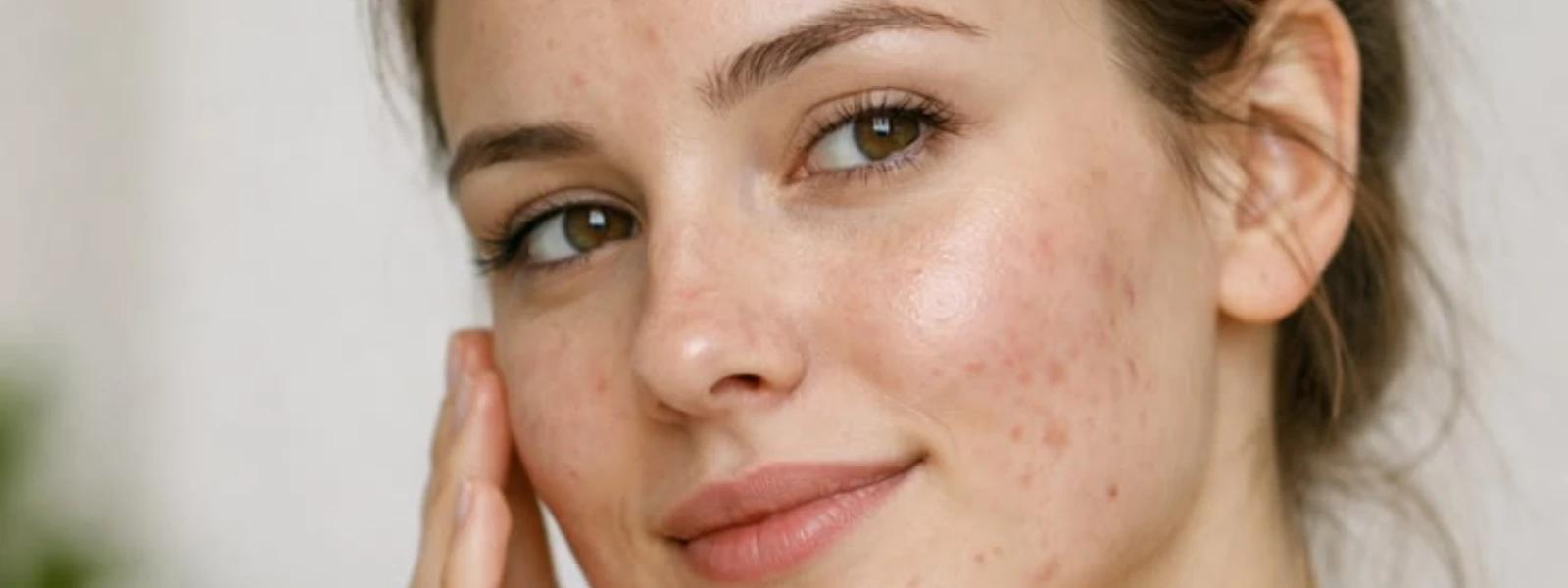

You've tried everything from harsh scrubs to expensive treatments, but those stubborn breakouts keep returning. If you're an Indian man dealing with oily skin and persistent acne, you're not alone. The combination of our humid climate, pollution, and naturally higher sebum production creates the perfect storm for acne. The good news? With the right approach and proven treatments, clear skin is absolutely achievable. Let's dive into the most effective acne solutions specifically designed for Indian men's skin needs.
Before jumping into treatments, it's worth understanding why Indian men are particularly prone to acne. Our skin produces more sebum naturally, and when you add factors like humidity, pollution, and stress, it creates an environment where acne thrives. The science behind acne involves four key factors: excess sebum production, clogged pores, bacterial growth (particularly P. acnes), and inflammation.
For Indian skin, climate plays a massive role. The combination of heat and humidity means your skin is constantly working overtime to regulate temperature, leading to increased oil production. Add pollution from urban environments, and you've got a recipe for congested pores. Men also deal with higher testosterone levels, which directly impacts sebum production – explaining why male acne often persists well into adulthood.
Many men make the mistake of over-cleansing or using harsh products, thinking they need to strip away all the oil. This actually backfires, causing your skin to produce even more sebum to compensate. The key is finding the right balance – controlling oil without completely dehydrating your skin.
When it comes to acne treatment for oily skin, certain ingredients have proven track records. Let's break down the most effective options available in India, from budget-friendly to premium choices.
Salicylic acid is brilliant for oily, acne-prone skin because it's oil-soluble, meaning it can penetrate deep into your pores to clear out debris. Look for concentrations between 0.5% to 2% – start lower if you're new to active ingredients. This ingredient works particularly well for Indian skin because it's gentle enough for daily use whilst effectively managing oil production.
For stubborn breakouts, benzoyl peroxide is incredibly effective at killing acne-causing bacteria. Start with 2.5% concentration – higher percentages aren't necessarily more effective and can cause unnecessary irritation. This is particularly important for Indian men who may be dealing with post-inflammatory hyperpigmentation, as irritation can worsen dark spots.
Niacinamide deserves special mention for Indian men's skincare. At 5-10% concentration, it regulates oil production, reduces inflammation, and helps fade post-acne marks – a common concern for our skin tone. It's also incredibly gentle, making it perfect for sensitive skin.
A proper oily skin care routine for men doesn't need to be complicated, but it does need to be consistent. Here's a realistic approach that fits into busy schedules whilst delivering real results.
Start with a face wash for oily acne prone skin – look for gel-based cleansers with salicylic acid or tea tree oil. Avoid anything that leaves your skin feeling tight or stripped. Follow with a lightweight, oil-free moisturiser containing niacinamide or hyaluronic acid. Never skip SPF – choose a broad-spectrum sunscreen with at least SPF 30 that's specifically formulated for oily skin.
Evening is when you can introduce stronger acne treatments. After cleansing, apply your chosen active ingredient – whether that's benzoyl peroxide, salicylic acid, or a prescription retinoid. Always follow with a gentle moisturiser to prevent over-drying. If you're using multiple actives, alternate them on different nights to avoid irritation.
Incorporate a clay mask once or twice weekly to deep-clean pores. Look for masks containing kaolin or bentonite clay, which are excellent for absorbing excess oil without being overly harsh. Gentle exfoliation 2-3 times per week with a BHA (salicylic acid) can also help prevent clogged pores.
Whilst modern skincare science is incredibly effective, some traditional natural acne remedies for oily skin have genuine merit when used correctly alongside your main routine.
Neem has powerful antibacterial properties that can help manage acne-causing bacteria. You can use neem oil (diluted with a carrier oil) as a spot treatment or look for cleansers containing neem extract. However, pure neem oil can be quite strong, so always patch test first.
Turmeric contains curcumin, which has proven anti-inflammatory properties. A simple face mask made with turmeric powder, honey, and a few drops of water can help calm active breakouts. Just be aware that turmeric can temporarily stain your skin yellow – use it in the evening and rinse thoroughly.
Tea tree oil at 5-10% concentration has been shown to be as effective as benzoyl peroxide for mild to moderate acne, with fewer side effects. Always dilute it properly – pure tea tree oil can cause severe irritation.
Acne scar treatment for men starts with prevention. The most important rule? Never pick or squeeze spots. This can push bacteria deeper into the skin and increase the risk of scarring. For existing scars, the approach depends on the type and severity.
For mild scarring and post-inflammatory hyperpigmentation, consistent use of vitamin C serum, niacinamide, and gentle AHAs can make a significant difference over time. More severe scarring may require professional treatments like chemical peels, microneedling, or laser therapy. The key is patience – scar improvement is measured in months, not weeks.
Look for gel-based cleansers containing salicylic acid (0.5-2%) or tea tree oil. Avoid harsh scrubs or anything that leaves your skin feeling tight. Popular options include cleansers with neem, charcoal, or clay-based formulations. The key is finding something that removes excess oil and impurities without over-drying your skin.
Most acne treatments require 6-12 weeks to show significant improvement. You might notice some changes within 2-4 weeks, but real transformation takes patience. Consistency is crucial – skipping days or constantly switching products will delay results. Some people experience an initial purging period where breakouts temporarily worsen before improving.
Yes, but introduce them gradually. Start with one active ingredient for 2-3 weeks, then slowly add others. Avoid using multiple strong actives simultaneously – for example, don't combine benzoyl peroxide with retinoids in the same routine as this can cause severe irritation. When in doubt, use different actives on alternating nights.
Adult acne in men often appears along the jawline and neck, areas frequently irritated by shaving. It's typically more persistent and can be linked to stress, diet, or hormonal fluctuations. Adult acne also tends to leave more post-inflammatory hyperpigmentation, especially on Indian skin. Treatment approaches are similar, but adult acne often requires more patience and consistency.
Whilst diet isn't the primary cause of acne, certain foods may trigger breakouts in some people. High-glycemic foods (white rice, sugary snacks) and dairy products are common culprits. Spicy foods don't directly cause acne, but they can increase inflammation in some individuals. Focus on a balanced diet rich in antioxidants, omega-3 fatty acids, and plenty of water.
Absolutely. Skipping moisturiser can actually make oily skin worse by triggering increased sebum production. Choose oil-free, non-comedogenic formulations with ingredients like hyaluronic acid or niacinamide. Even when using drying acne treatments, proper hydration is essential for maintaining your skin barrier and preventing irritation.
Consider professional help if over-the-counter treatments haven't improved your acne after 3 months of consistent use, if you're developing cysts or nodules, or if acne is significantly impacting your confidence. Dermatologists can prescribe stronger treatments like topical or oral antibiotics, retinoids, or in severe cases, isotretinoin.
Monsoon humidity can worsen oily skin and acne. Cleanse twice daily with a gentle, oil-controlling cleanser. Use a lightweight, water-based moisturiser and never skip SPF, even on cloudy days. Consider using a clay mask weekly to manage excess oil, and always shower immediately after getting caught in the rain to remove pollutants and bacteria.
For active pimples treatment for oily skin, resist the urge to pick or squeeze. Apply a spot treatment containing benzoyl peroxide or salicylic acid directly to the blemish. Ice can help reduce inflammation temporarily. If the pimple has a whitehead, you can carefully extract it using clean hands and proper technique, but it's often better to let it heal naturally.
Not necessarily. Many affordable products contain the same active ingredients as premium brands. What matters most is the concentration and formulation of key ingredients like salicylic acid, benzoyl peroxide, or niacinamide. However, expensive products might offer better textures, additional beneficial ingredients, or more elegant packaging. Focus on ingredients rather than price when choosing acne solutions for men.
Managing acne as an Indian man with oily skin requires patience, consistency, and the right approach. Remember that clear skin is a journey, not a destination – even after achieving your goals, maintenance is key. The most effective strategy combines proven active ingredients with a gentle, consistent routine that respects your skin's natural barrier.
Whether you're exploring budget-friendly options or investing in premium treatments, platforms like Smytten make it easier to discover what works for your unique skin needs. With over 28 million users and a curated selection of trusted brands, you can try products through samples before committing to full sizes – a smart approach when building your men's skincare for acne routine. The cashback offers also make it more affordable to experiment with different treatments until you find your perfect combination.
Your skin will notice the difference when you treat it with understanding rather than aggression. Real talk: the best acne treatment is the one you'll actually stick with. Start simple, be patient, and remember that every small step towards healthier skin habits is worth celebrating.
