Acne Marks Treatment Home FAQ: Your Questions Answered


Advanced Spot Targeting Gel | Fast-Acting Discolouration Care | Targets Stubborn Marks | Spicules + Biomimetic Peptides + Arbutin | 15g
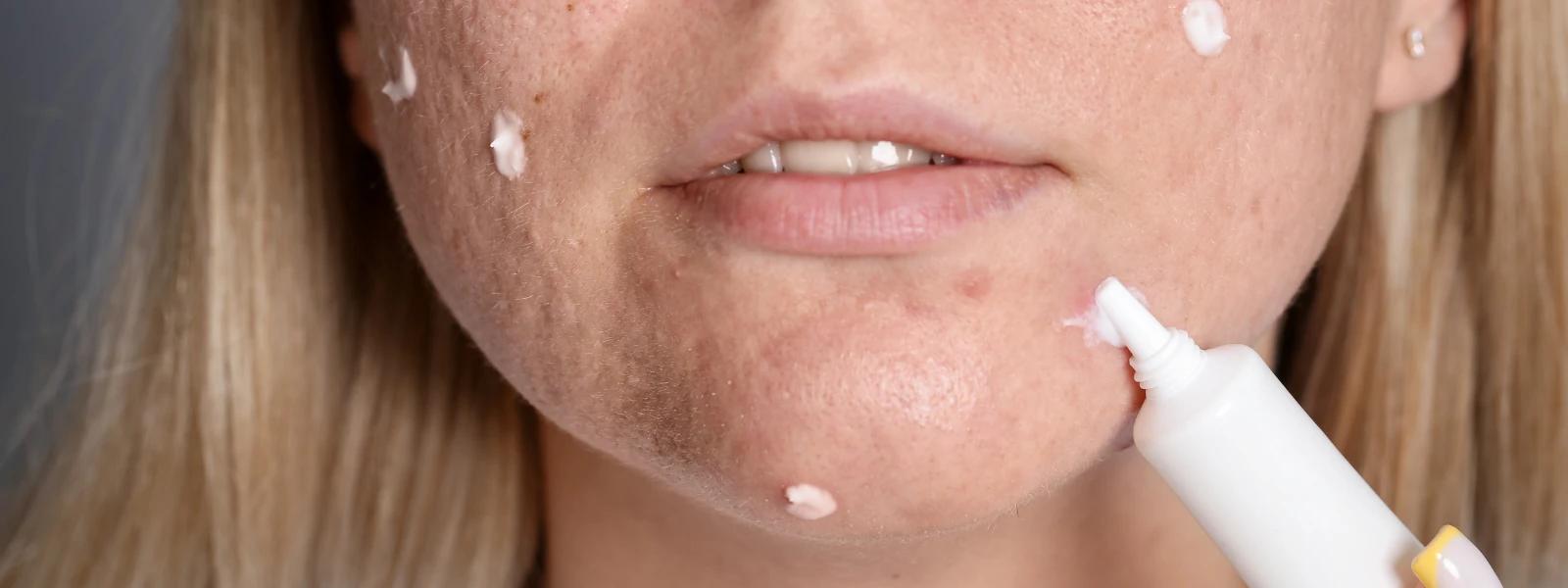
You've been diligently following your skincare routine, your active breakouts have finally calmed down, but now you're left staring at those stubborn reminders - dark spots, red marks, and uneven patches where pimples once lived. If you're wondering whether you can tackle these acne marks effectively from home without breaking the bank or your skin barrier, you're asking all the right questions. The good news? Many post acne marks respond beautifully to consistent home treatment when you know which ingredients actually work and how to use them safely.
Before diving into treatment options, let's clear up the confusion between marks and scars - because the difference determines your entire approach to acne marks treatment home strategies.
Post inflammatory hyperpigmentation (PIH) appears as flat, dark brown or black spots on deeper skin tones, whilst post inflammatory erythema (PIE) shows up as flat red or pink marks on lighter complexions. These are marks, not scars, and they're your skin's natural response to inflammation. Think of them as temporary visitors that will fade with time and the right treatment approach.
True acne scars, however, involve actual changes to your skin's texture - those depressed ice pick marks, rolling indentations, or raised bumps that create shadows and uneven surfaces. Whilst some surface-level textural changes may improve with dedicated home care, deeper scars typically require professional intervention for significant improvement.
The encouraging reality? Most of what people call "acne scars" are actually hyperpigmentation marks that respond exceptionally well to consistent home treatment. These flat discolourations can fade anywhere from 50-90% with the right ingredients and patience, typically showing noticeable improvement within 6-12 weeks of consistent use.
Real talk - not every ingredient marketed for acne scar removal delivers meaningful results. After years of research and countless user experiences, certain actives consistently prove their worth for fading marks safely at home.
Retinoids remain the gold standard for accelerating cell turnover and fading marks. Over-the-counter retinol and adapalene work by speeding up your skin's natural renewal process, helping marked skin cells shed faster whilst encouraging healthy new cell production. Start with 0.25% retinol twice weekly, gradually building tolerance.
Alpha hydroxy acids (AHAs) like glycolic and lactic acid excel at surface exfoliation, helping remove the top layer of pigmented cells whilst improving overall skin texture. Lactic acid tends to be gentler for sensitive skin, whilst glycolic acid offers more intensive results for resilient complexions.
Niacinamide deserves special mention for its dual action - it helps regulate melanin production to prevent new marks whilst reducing inflammation that can worsen existing discolouration. This B vitamin works beautifully for all skin tones and rarely causes irritation, making it perfect for daily use.
Vitamin C in stable forms like magnesium ascorbyl phosphate or sodium ascorbyl phosphate provides antioxidant protection whilst gently brightening marks over time. L-ascorbic acid offers faster results but requires careful formulation to remain stable and non-irritating.
Whilst natural ingredients work more slowly than actives, several have genuine research supporting their scar healing properties. Aloe vera gel contains compounds that reduce inflammation and support skin repair, making it excellent for calming irritated skin whilst you introduce stronger treatments.

Rapid Dark Spot Correction Set | Reduces Dark Spots & Post-Acne Marks | Cleanser, Gel, Moisturizer & Sunscreen Kit
Raw honey, particularly Manuka varieties, offers antimicrobial and wound-healing properties. Its humectant nature helps maintain skin hydration, which supports the healing process. Rosehip oil provides natural vitamin A and essential fatty acids that support skin regeneration, though results appear gradually over months of consistent use.
Creating an effective routine for skin discoloration treatment requires strategic layering and timing. Your skin needs consistent, gentle pressure rather than aggressive attacks that can worsen inflammation and slow healing.
Start with a gentle, non-stripping cleanser that removes overnight treatments without disrupting your skin barrier. Follow with a vitamin C serum on clean, dry skin - this antioxidant protection helps prevent new marks from forming whilst gradually brightening existing ones.
Layer a lightweight, non-comedogenic moisturiser to support barrier function, then finish with broad-spectrum SPF 30 or higher. This final step isn't optional - UV exposure can darken existing marks and create new ones, essentially undoing all your evening treatment work.
Double cleansing ensures complete removal of sunscreen and daily buildup without over-cleansing. Start with an oil-based cleanser or micellar water, followed by your gentle daily cleanser.
This is when you introduce your active ingredients for fade acne scars treatment. Alternate between retinol (2-3 times weekly) and AHA treatments (1-2 times weekly) initially, building frequency as your skin adapts. Always follow actives with a nourishing moisturiser to support barrier repair overnight.
Once weekly, consider a gentle exfoliating mask containing AHAs or enzymes to boost cell turnover. Clay masks with salicylic acid can help prevent new breakouts whilst you're treating existing marks. Always follow intensive treatments with extra hydration and skip actives the following evening.
For those preferring gentler approaches or wanting to supplement active treatments, several natural remedies for acne scars offer genuine benefits when used consistently and correctly.
Mix pure aloe vera gel with a few drops of vitamin E oil for a soothing treatment that reduces inflammation whilst supporting skin repair. Apply this mixture to clean skin before your regular moisturiser, focusing on marked areas.

Target & Fade Duo for Hyperpigmentation | Even-Tone Underarms, Inner Thighs & Bum | Refines Skin Texture | For All Skin Types
A simple honey and oatmeal mask provides gentle exfoliation without irritation. Blend equal parts raw honey and finely ground oats with enough water to create a paste. Leave on for 15 minutes before gently massaging off with warm water.
Create a brightening mask by mixing a pinch of turmeric powder with raw honey. The curcumin in turmeric offers anti-inflammatory benefits whilst honey provides healing support. Always patch test first, as turmeric can temporarily stain lighter skin tones.
For oily, resilient skin, a properly diluted apple cider vinegar toner (1 part vinegar to 3 parts water) can help balance pH whilst providing gentle exfoliation. Never use undiluted vinegar, and discontinue if any irritation occurs.
Understanding what to expect and when helps maintain motivation during your scar healing journey. Skin cell turnover naturally takes 28 days, but marked cells often take longer to reach the surface and shed completely.
During weeks 1-2, focus on establishing tolerance and consistency rather than expecting visible changes. Your skin may initially appear slightly irritated as it adjusts to new ingredients - this is normal provided irritation remains mild and doesn't worsen.
Months 1-3 typically bring the most encouraging changes. Red marks from acne often fade faster than dark spots, with many people seeing 30-50% improvement in PIE during this period. Dark marks require more patience, but consistent treatment usually yields 20-40% fading by month three.
The 3-6 month mark is where patience pays off significantly. Well-established routines using proven ingredients can achieve 60-80% fading of marks, with some lighter marks disappearing completely. This is also when you'll notice overall skin texture and tone improvements beyond just mark fading.
Honest assessment of your marks helps set realistic expectations for beauty treatments for acne at home. Flat hyperpigmentation and mild red marks respond excellently to consistent home care, often achieving results comparable to professional treatments with patience and proper product selection.
However, true textural scars - those ice pick indentations, rolling depressions, or raised keloid formations - require professional intervention for significant improvement. Home treatments can help prevent new marks and maintain results between professional sessions, but won't dramatically change deep textural damage.
The most effective approach often combines both strategies: professional treatments for severe scarring with dedicated home maintenance to prevent new marks and maximise professional treatment results. This combination approach proves more cost-effective long-term whilst delivering superior outcomes.

Mineral Sunscreen SPF 50 | Matte Finish | No White Cast | Non-Nano Zinc Oxide | Cica | Pregnancy Safe | All Skin Types | 50ml
Realistic improvement typically begins around 4-6 weeks with consistent use of proven ingredients. Red marks from acne often fade faster than dark spots, with some people noticing 20-30% improvement by week 6. Dark marks require more patience, usually showing meaningful fading around 8-12 weeks. Natural remedies work more slowly than active ingredients, often requiring 3-6 months for significant results.
Yes, though results appear more gradually. Gentle natural remedies for acne scars like aloe vera, honey, and rosehip oil support skin healing without irritation. However, "harsh" is relative - properly formulated AHAs and retinoids, whilst more potent, can be used gently with gradual introduction and proper moisturising. The key is building tolerance slowly rather than avoiding effective ingredients entirely.
Red marks (PIE) respond well to anti-inflammatory ingredients like niacinamide, azelaic acid, and gentle vitamin C. They often fade faster, sometimes within 2-3 months. Dark marks (PIH) require ingredients that address melanin production - retinoids, AHAs, vitamin C, and kojic acid work best. These typically take 3-6 months to fade significantly, especially on deeper skin tones.
Flat discolouration, whether red or dark, typically responds well to home treatment. If you can run your finger over the mark and feel no texture difference, home treatments can achieve 50-90% improvement with consistency. Raised or depressed marks that create shadows or catch light differently usually require professional treatment for significant improvement.
Yes, with proper layering and timing. Combine complementary ingredients like niacinamide with vitamin C in the morning, or alternate retinol and AHA treatments on different evenings. Avoid mixing acids together or using multiple strong actives simultaneously. Always introduce one new ingredient at a time and allow 2-3 weeks to assess tolerance before adding another treatment.
Several factors can slow progress: insufficient sun protection allowing marks to darken, using concentrations too low to be effective, inconsistent application, or treating true scars rather than marks. Additionally, some marks on deeper skin tones naturally take longer to fade. Consider increasing active ingredient strength gradually or consulting a dermatologist if no improvement appears after 3-4 months of consistent use.
Your journey to clearer, more even-toned skin doesn't require expensive procedures or complicated routines. The most effective acne marks treatment home approach combines proven active ingredients with patience, consistency, and realistic expectations. Whether you choose gentle natural remedies or science-backed actives, the key lies in understanding your skin's specific needs and responding accordingly.
Remember that hyperpigmentation treatment is a marathon, not a sprint. Those stubborn marks that seem permanent today can fade significantly with the right approach and time. Focus on preventing new marks through consistent sun protection and gentle skincare whilst treating existing ones with proven ingredients.
For those exploring new products and treatments, platforms like Smytten offer the perfect opportunity to try different acne scar cream formulations and serums before committing to full sizes. With access to premium brands and the ability to test products risk-free, you can build an effective routine tailored to your skin's unique needs without the guesswork or waste of purchasing unsuitable products.
