Acne Marks Fading Tips FAQ: Your Questions Answered


Target & Fade Duo for Hyperpigmentation | Even-Tone Underarms, Inner Thighs & Bum | Refines Skin Texture | For All Skin Types
You've finally cleared your breakouts, but now you're left staring at stubborn marks that seem determined to overstay their welcome. Those dark spots and red patches where pimples once lived can feel just as frustrating as the original acne itself. Whether you're dealing with fresh marks from last month's hormonal flare-up or older spots that have been camping on your cheeks for what feels like forever, you're not alone in wondering why some marks fade quickly whilst others seem permanent. The good news? Most post acne marks will fade with time and the right approach, though the timeline varies dramatically based on your skin type, the depth of the original inflammation, and how you treat them.
Before diving into acne marks fading tips, it's crucial to understand what you're actually dealing with. Not all marks left behind by acne are created equal, and knowing the difference can save you months of using the wrong treatments.
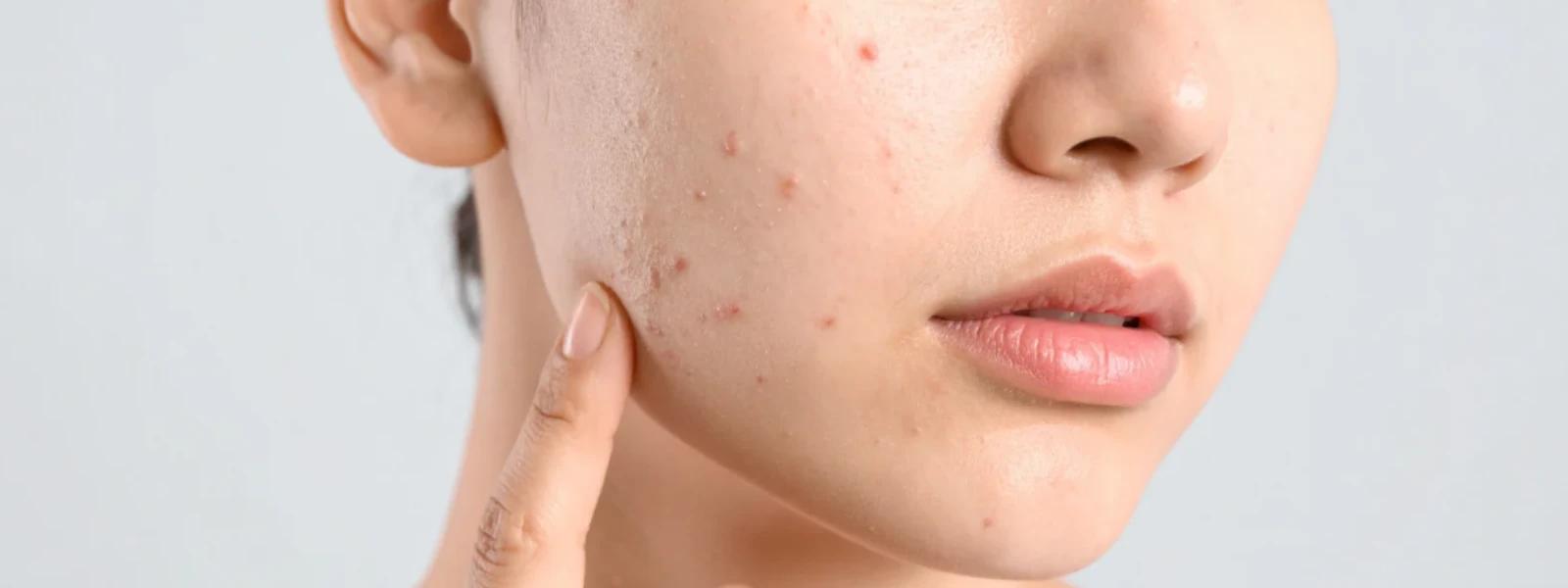
Red acne marks (medically called PIE or post-inflammatory erythema) appear as pink or red flat spots where your skin is still healing from inflammation. These marks are essentially dilated capillaries beneath the skin's surface, which is why they often look more prominent when you're warm or have been exercising. The encouraging news is that red marks typically fade faster than their darker counterparts, usually within 3-6 months with proper care.
Dark acne marks (known as PIH or post-inflammatory hyperpigmentation) show up as brown, black, or deep purple spots, particularly on medium to darker skin tones. These occur when your skin produces excess melanin in response to inflammation, essentially creating a protective response that unfortunately lingers long after the original pimple has healed.
Actual acne scar removal requires a different approach entirely because scars involve changes to your skin's texture - think ice pick indentations, rolling scars, or raised keloid tissue. These textural changes need professional intervention, whilst surface discolouration can often be addressed with consistent at-home care and patience.
The most effective acne marks fading tips combine understanding your specific mark type with consistent, gentle treatment. Your approach should be methodical rather than aggressive - harsh scrubbing or over-exfoliation will only create more inflammation and potentially worsen skin discoloration.
Chemical peels containing glycolic acid, salicylic acid, or mandelic acid can accelerate cell turnover and help surface marks fade more quickly. Professional-strength peels performed by dermatologists or trained aestheticians can show results within 4-6 sessions, though you'll need to be diligent about sun protection during treatment.
Laser treatments like IPL (intense pulsed light) or fractional lasers can target both red and dark marks effectively. These treatments work by either breaking up excess pigment or stimulating collagen production to improve overall skin texture. However, laser treatments require careful consideration of your skin tone, as some can actually worsen hyperpigmentation treatment on darker complexions if not performed correctly.

Mineral Sunscreen SPF 50 | Matte Finish | No White Cast | Non-Nano Zinc Oxide | Cica | Pregnancy Safe | All Skin Types | 50ml
A quality dark spot corrector containing ingredients like hydroquinone, kojic acid, or arbutin can help fade dark marks over time. These ingredients work by inhibiting melanin production, though they require patience - expect to see gradual improvement over 8-12 weeks of consistent use.
Retinoids (including over-the-counter retinol and prescription tretinoin) accelerate cell turnover, helping marked skin shed faster and revealing fresh, unmarked skin beneath. Start slowly with retinoids to avoid irritation, which could create new marks whilst you're trying to fade existing ones.
Vitamin C serums provide antioxidant protection whilst gently brightening skin over time. Look for stable forms like magnesium ascorbyl phosphate or sodium ascorbyl phosphate, which are less likely to cause irritation than pure L-ascorbic acid.
Whilst professional treatments and proven actives tend to work faster, several natural approaches can support your skin's healing process and complement your main treatment routine.
Niacinamide (vitamin B3) helps regulate melanin production and can reduce the appearance of both red and dark marks. It's particularly suitable for sensitive skin types who might not tolerate stronger actives well. Studies show that 5% niacinamide can be as effective as 4% hydroquinone for treating hyperpigmentation treatment, though it works more gradually.
Alpha arbutin offers a gentler alternative to hydroquinone, working to inhibit tyrosinase (the enzyme responsible for melanin production) without the potential side effects associated with stronger lightening agents.
Consistent SPF protection is non-negotiable when treating any type of mark. UV exposure can darken existing marks and create new ones, essentially undoing weeks of treatment progress. Choose a broad-spectrum SPF 30 or higher and reapply throughout the day, especially if you're using any active ingredients that increase photosensitivity.
Your diet and hydration levels affect how quickly your skin can repair itself. Foods rich in vitamin C, vitamin E, and omega-3 fatty acids support skin healing, whilst adequate water intake helps maintain the skin barrier function that's crucial for proper healing.

Salicylic Acid Face Cleanser | Deep Cleansing Formula for Breakouts | Unclogs Pores & Controls Oil | For Oily & Acne-Prone Skin | 100ml
Some marks prove more resistant to treatment than others, and understanding why can help you adjust your approach rather than giving up in frustration.
Deeper inflammation from cystic acne or repeated picking can create marks that penetrate further into the skin layers, requiring more time and potentially stronger treatments to address. Hormonal acne, in particular, tends to create deeper inflammation that can result in more persistent marking.
Your natural skin tone also affects healing time - whilst all skin types can develop post acne marks, those with higher melanin content may find that dark marks take longer to fade but are less likely to develop the red marks that affect lighter skin tones.
If you've been consistently treating marks for 6-8 months without seeing improvement, it's worth consulting a dermatologist. They can assess whether you're dealing with true scarring that requires professional intervention, or if your current routine needs adjustment.
Combination treatments often work better than single approaches - for example, using a gentle chemical peel series alongside a prescription retinoid and proper sun protection typically yields better results than any single treatment alone.
Red marks usually fade within 3-6 months, whilst dark marks can take 6-12 months or longer to fade completely without treatment. The timeline depends on your skin type, the depth of the original inflammation, and whether you're using any treatments to accelerate the process. Consistent sun protection and gentle skincare can help speed natural fading.
The fastest results typically come from combining professional treatments with consistent at-home care. Chemical peels or laser treatments can accelerate fading significantly, whilst daily use of ingredients like retinoids, vitamin C, or niacinamide supports the healing process. However, 'fast' is relative - even aggressive treatments require 8-12 weeks to show significant improvement.

Hydrating Moisturizer | Non-Comedogenic | Boosts Collagen & Hydrates Deeply | Ceramides + Niacinamide | For Normal to Dry Skin | 50g
Most surface marks (PIH and PIE) can fade significantly or completely with proper treatment and time. True acne scars that involve textural changes may improve dramatically with professional treatment but might not disappear entirely. The key is having realistic expectations and working with a dermatologist for severe scarring.
Common reasons include inconsistent product use, inadequate sun protection, using products that are too harsh (creating new inflammation), or treating true scars with surface-mark treatments. Sometimes marks that seem permanent are actually very slow to fade and need more time or stronger treatments.
Yes, darker skin tones tend to develop more prominent dark marks (PIH) that can take longer to fade, whilst lighter skin tones more commonly develop red marks that typically fade faster. However, darker skin tones are less prone to certain types of scarring. Treatment approaches may need adjustment based on skin tone to avoid worsening pigmentation.
Layering too many active ingredients can cause irritation and potentially worsen marking. Start with one treatment and add others gradually. A typical safe combination might include vitamin C in the morning, retinol at night, and niacinamide as tolerated. Always patch test new combinations and introduce products slowly.
Red marks often respond well to anti-inflammatory ingredients like niacinamide, azelaic acid, and gentle exfoliation. Dark marks typically need ingredients that address pigmentation like vitamin C, retinoids, or gentle lightening agents. Some treatments like chemical peels can address both types effectively.
Picking can definitely worsen marks by creating additional inflammation and potentially leading to true scarring. It can also introduce bacteria that causes new breakouts. If you're struggling with picking, consider using hydrocolloid patches on healing spots or keeping your hands busy with a stress ball or fidget toy.
Fading acne marks requires patience, consistency, and the right approach for your specific mark type and skin tone. Most surface marks will improve significantly with time and proper care, though the timeline varies from person to person. The combination of gentle, consistent treatment with proven ingredients and diligent sun protection forms the foundation of any successful mark-fading routine.
Remember that your skin's healing journey is unique, and what works quickly for someone else might take longer for you - this doesn't mean the treatment isn't working. For those exploring new skincare solutions, platforms like Smytten Shop offer the opportunity to try products from premium brands before committing to full sizes, helping you find the right scar treatment approach without the guesswork. With over 28 million users discovering their perfect skincare matches, you can explore curated options that address uneven skin tone and skin discoloration with confidence.
The most important thing is to start somewhere and stay consistent. Your skin has an remarkable ability to heal and renew itself - sometimes it just needs the right support and a bit more time than you'd prefer.
