Achieving Even Skin Tone FAQ: Your Questions Answered


Target & Fade Duo for Hyperpigmentation | Even-Tone Underarms, Inner Thighs & Bum | Refines Skin Texture | For All Skin Types
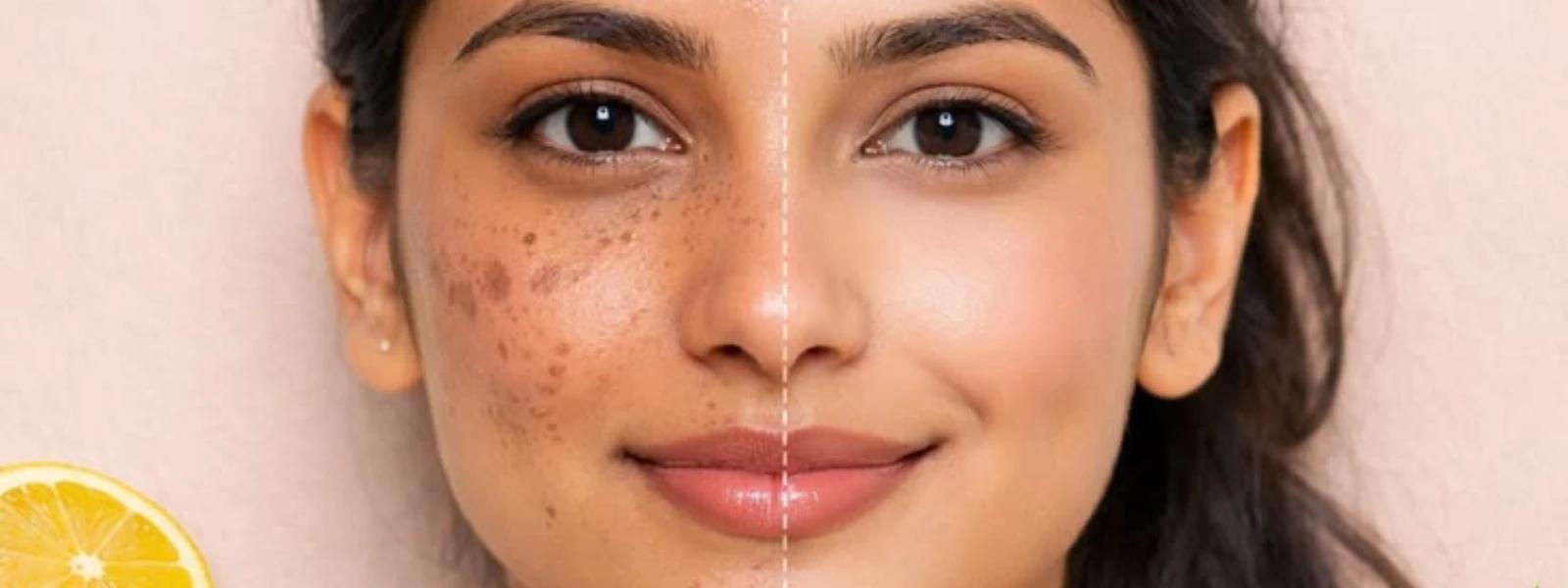
You've tried countless products, followed every skincare routine, and yet that mirror still reflects patches of discolouration, stubborn dark spots, and uneven texture. Real talk: achieving even skin tone isn't about finding one miracle product—it's about understanding what's actually happening beneath the surface and addressing it systematically. Whether you're dealing with post-acne marks, hormonal pigmentation, or sun damage from those carefree summer days, the path to complexion uniformity requires patience, the right ingredients, and realistic expectations.
Before diving into solutions, let's address the elephant in the room: why does skin discoloration happen in the first place? Your skin produces melanin as a protective response, but sometimes this process goes into overdrive or becomes patchy.
Sun damage remains the primary culprit behind uneven pigmentation. Those UV rays don't just cause immediate tanning—they trigger long-term changes in melanin production that can surface years later as age spots and patches. Even brief daily exposure without SPF adds up over time, creating the foundation for future dark spots.
Hormonal fluctuations, particularly during pregnancy, menstruation, or when starting new contraceptives, can trigger melasma—those symmetrical patches that often appear on the cheeks and forehead. This type of pigmentation is notoriously stubborn because it's driven by internal hormonal changes rather than external damage.
Post-inflammatory hyperpigmentation (PIH) occurs when your skin produces excess melanin in response to injury or inflammation. That spot where you picked at a blemish? The area that stayed red for weeks after a breakout? These become dark spots because your skin's healing response includes increased melanin production in melanin-rich skin tones.
Environmental factors like pollution and blue light exposure from screens can also contribute to uneven skin texture and discolouration. The free radicals generated by these exposures can damage skin cells and disrupt normal pigmentation processes.
The foundation of any effective hyperpigmentation treatment starts with prevention. Daily broad-spectrum SPF 30 or higher isn't negotiable—it's the single most important step in preventing further pigmentation and allowing existing treatments to work effectively.
Gentle exfoliation helps accelerate cell turnover, bringing fresh, evenly pigmented cells to the surface whilst removing the pigmented dead skin cells that contribute to dullness. Chemical exfoliants like glycolic acid and lactic acid work more effectively than physical scrubs for skin tone correction, as they don't risk creating micro-tears that could lead to more PIH.
Chemical peels performed by dermatologists can address deeper pigmentation issues that topical products can't reach. These treatments remove damaged skin layers, revealing fresher skin underneath whilst stimulating collagen production for improved texture.
Laser treatments target specific pigmented areas with concentrated light energy, breaking down melanin deposits. However, these require careful consideration for darker skin tones, as improper treatment can actually worsen pigmentation.
Vitamin C serums work as antioxidants whilst inhibiting melanin production. Look for stable forms like magnesium ascorbyl phosphate or sodium ascorbyl phosphate, which are less likely to oxidise and cause irritation.
Retinoids accelerate cell turnover and help fade existing pigmentation whilst preventing new dark spots from forming. Start with lower concentrations and gradually increase to avoid irritation that could worsen PIH.

Mineral Sunscreen SPF 50 | Matte Finish | No White Cast | Non-Nano Zinc Oxide | Cica | Pregnancy Safe | All Skin Types | 50ml
Natural approaches to achieving even skin tone focus on gentle, consistent care rather than dramatic overnight changes. These methods work best as supportive measures alongside proven active ingredients.
Green tea contains powerful antioxidants that can help reduce inflammation and protect against environmental damage. Cooled green tea can be used as a toner or incorporated into DIY face masks for its anti-inflammatory properties.
Proper hydration supports healthy cell turnover and helps maintain the skin barrier function. Aim for at least 8 glasses of water daily, and consider adding foods rich in omega-3 fatty acids to support skin health from within.
Quality sleep is crucial for skin repair processes. During deep sleep, your body produces growth hormone, which helps repair damaged skin cells and supports the natural exfoliation process that promotes complexion uniformity.
Oatmeal contains natural saponins that gently cleanse whilst providing mild exfoliation. Mix ground oatmeal with honey for a soothing mask that won't irritate sensitive or inflamed skin.
Rice water, rich in vitamins and minerals, has been used in Asian skincare for centuries. The fermented version contains additional beneficial compounds that may help brighten skin over time.
When selecting a brightening serum, understanding key ingredients helps you make informed choices. Not all brightening ingredients work the same way, and some may be more suitable for your specific skin concerns and type.
Niacinamide offers multiple benefits for redness reduction and overall skin clarity. This form of vitamin B3 helps regulate melanin transfer to skin cells whilst reducing inflammation and supporting barrier function. It's particularly effective for those dealing with both pigmentation and sensitivity.
Alpha arbutin provides a gentler alternative to hydroquinone, working by inhibiting tyrosinase, the enzyme responsible for melanin production. It's particularly suitable for sensitive skin or those new to brightening ingredients.
Azelaic acid addresses both pigmentation and blemish control simultaneously. It helps normalise cell turnover, reduces inflammation, and has antimicrobial properties that make it excellent for those dealing with both acne and PIH.

Salicylic Acid Face Cleanser | Deep Cleansing Formula for Breakouts | Unclogs Pores & Controls Oil | For Oily & Acne-Prone Skin | 100ml
Most brightening actives work best when applied to clean skin before heavier moisturisers. Start with lower concentrations and gradually increase frequency to build tolerance. Always follow with SPF during the day, as many brightening ingredients can increase photosensitivity.
The decision between professional treatments and at-home care often depends on the severity of pigmentation, your budget, and timeline expectations. Understanding when each approach is most appropriate helps you make the best choice for your situation.
Professional treatments become necessary when dealing with deep, established pigmentation that hasn't responded to consistent at-home care after 3-6 months. Melasma, in particular, often requires professional intervention due to its hormonal triggers and tendency to recur.
Seek professional help if you notice sudden changes in pigmentation, spots that are irregular in shape or colour, or if over-the-counter treatments cause persistent irritation. A dermatologist can also help identify underlying conditions that might be contributing to uneven skin texture.
Many people find success combining professional treatments with consistent at-home care. Professional treatments can address deeper pigmentation, whilst daily skincare maintains results and prevents new pigmentation from forming.
Even with the best intentions, certain habits can actually worsen skin discoloration and delay progress. Recognising these common pitfalls helps you avoid setbacks in your journey towards even skin tone.
Over-exfoliation is perhaps the most common mistake. Using multiple exfoliating products or exfoliating too frequently can damage the skin barrier, leading to increased sensitivity and potentially more PIH. Your skin should never feel raw or overly tight after exfoliation.
Skipping products when you don't see immediate results undermines the gradual process of achieving even skin tone. Most brightening ingredients require 6-12 weeks of consistent use before visible improvements appear.
Forgetting SPF on cloudy days or during brief outdoor activities can undo weeks of progress. UV exposure not only creates new pigmentation but can darken existing spots, making them more resistant to treatment.

Hydrating Moisturizer | Non-Comedogenic | Boosts Collagen & Hydrates Deeply | Ceramides + Niacinamide | For Normal to Dry Skin | 50g
Most people begin noticing subtle improvements in skin clarity after 4-6 weeks of consistent treatment. However, significant changes in pigmentation typically require 8-12 weeks, as this aligns with your skin's natural cell turnover cycle. Deeper pigmentation may take 6 months or longer to show substantial improvement. Factors like the type of pigmentation, your skin's natural renewal rate, and the strength of treatments used all influence timeline expectations.
No legitimate treatment can create permanent skin tone correction overnight. Products claiming instant results typically provide temporary effects through makeup-like coverage or temporary plumping that fades within hours. Sustainable improvement in pigmentation requires consistent care over weeks to months. Be wary of treatments promising dramatic overnight changes, as these often involve harsh ingredients that can damage your skin barrier and worsen pigmentation long-term.
An effective routine combines gentle cleansing, targeted active ingredients, moisturising, and sun protection. Morning routines should focus on antioxidants like vitamin C and broad-spectrum SPF. Evening routines can incorporate stronger actives like retinoids or AHAs. Start with one active ingredient and gradually introduce others to avoid irritation. Consistency matters more than using multiple products simultaneously.
Genetics play a significant role in melanin distribution and skin's response to triggers like sun exposure and inflammation. Some people inherit more efficient DNA repair mechanisms and better natural sun protection. Cultural skincare practices also contribute—many Asian cultures emphasise prevention from a young age, including daily SPF use and gentle skincare routines that maintain complexion uniformity over time.
Antioxidant-rich foods support skin health from within. Berries, leafy greens, and foods high in vitamin C help protect against free radical damage. Omega-3 fatty acids from fish and nuts support skin barrier function. Foods rich in lycopene, like tomatoes, may provide some natural sun protection. However, topical treatments and sun protection remain more important than dietary changes for addressing existing pigmentation.
Most skin types benefit from exfoliation 2-3 times per week. Sensitive skin may only tolerate once weekly, whilst oily skin might handle daily gentle exfoliation. Chemical exfoliants like glycolic acid or lactic acid are generally more effective and less irritating than physical scrubs for achieving even skin tone. Signs of over-exfoliation include persistent redness, increased sensitivity, or worsening of pigmentation.
Heavy, comedogenic makeup can clog pores and lead to breakouts that result in more PIH. However, mineral makeup with SPF can actually provide additional sun protection. The key is thorough cleansing each evening and choosing non-comedogenic formulas. Some tinted moisturisers and BB creams with SPF can provide coverage whilst supporting your skin tone correction goals.
Achieving even skin tone is a journey that requires patience, consistency, and realistic expectations. The most effective approach combines proven active ingredients, diligent sun protection, and gentle, consistent care. Remember that your skin's natural renewal process takes time, and sustainable results come from supporting this process rather than trying to rush it.
The beauty of modern skincare lies in having access to effective ingredients that were once only available through professional treatments. Platforms like Smytten Shop make it easier to discover and try products from premium brands without committing to full sizes immediately. With over 28 million users exploring curated selections and earning cashback on their purchases, you can experiment with different brightening serums and treatments to find what works best for your unique skin.
Your skin's journey towards complexion uniformity is uniquely yours. What works for others might not work for you, and that's perfectly normal. Focus on building a routine you can maintain consistently, protect your progress with daily SPF, and celebrate the small improvements along the way. Even skin tone isn't about perfection—it's about healthy, confident skin that reflects your natural beauty.
