Your Daily Wellness Routine Questions Answered


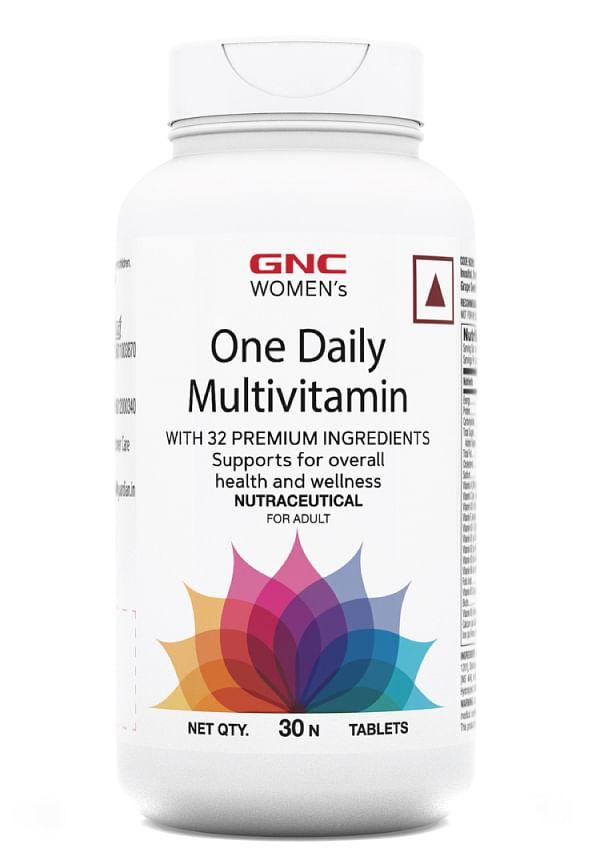
Womens One Daily Multivitamin - Improves Energy, Immunity, Skin and Overall Health
Product Effective
 5
“actually works, my mother feels healthier”
Building a daily wellness routine that actually sticks can feel like trying to solve a puzzle with missing pieces. You know you want to feel better, have more energy, and manage stress like a pro, but where do you even start? Whether you're scrolling through wellness content on social media or chatting with friends about their morning rituals, it seems like everyone has their routine figured out except you. The truth is, creating a sustainable daily wellness routine isn't about copying someone else's perfect Instagram morning—it's about finding what works for your life, schedule, and goals. From morning wellness habits that energise your day to evening self-care routines that help you unwind, we're diving into the most common questions about building a wellness routine that actually fits your real life. And yes, this includes tips you can try and test through platforms like Smytten before committing to full-size wellness products.
A daily wellness routine combines morning habits, mindful practices throughout the day, and evening self-care for holistic health
The 5-3-1 wellness rule focuses on social connections: 5 weekly contacts, 3 monthly exchanges, 1 hour daily sociability
Effective routines include hydration, movement, mindfulness, and stress management techniques tailored to your lifestyle
Consistency beats perfection—start small with 5-10 minute practices and build gradually
Personalisation is key: adapt wellness frameworks to fit your schedule, energy levels, and personal goals
Let's be real—a daily wellness routine isn't just about drinking green smoothies and doing yoga at sunrise (though if that's your vibe, go for it). An effective routine is one that supports your physical, mental, and emotional well-being whilst fitting into your actual life. Think of it as your personal toolkit for feeling good, managing stress, and maintaining energy throughout the day.
The science behind habit formation shows us that consistency trumps intensity every time. Your brain loves patterns, and when you repeat healthy behaviours regularly, they become automatic. This is why starting small with just one or two practices works better than overhauling your entire life overnight. Research suggests it takes anywhere from 18 to 254 days to form a habit, with an average of 66 days—so patience with yourself is part of the process.
A balanced daily wellness routine typically includes movement (even just stretching counts), mindfulness practices, proper hydration, and intentional rest. The key is finding versions of these that feel doable rather than overwhelming.
Your ideal routine depends on factors like your chronotype (are you naturally a morning person or night owl?), work schedule, family commitments, and current stress levels. What works for your colleague might not work for you, and that's completely normal.
Your morning sets the tone for everything that follows, but that doesn't mean you need a two-hour ritual to feel good. Effective morning wellness habits can be as simple as drinking a glass of water, taking five deep breaths, or doing some gentle stretches before checking your phone.
The magic happens when you create a buffer between waking up and diving into the day's demands. This gives your nervous system time to transition from sleep mode to active mode without immediately triggering stress responses.
Start with hydration—your body has been without water for 6-8 hours, so drinking a glass of water first thing helps kickstart your metabolism and brain function. Natural light exposure within the first 30 minutes of waking helps regulate your circadian rhythm and improves sleep quality later.
Even 10 minutes can make a difference. Try this: drink water, do 2-3 gentle stretches, and set an intention for the day. That's it. You can build from there as the habit becomes natural.

Teen Multivitamin Tablets - Daily Vitamins for Teenagers - Boost Energy & Immunity
Great Value Product
5“good quality product... affordable”
Simple breathing exercises or a few minutes of journaling can help clear mental fog and improve focus. These mental clarity exercises don't require special equipment or extensive training—just a willingness to pause and check in with yourself.
Holistic health practices recognise that your physical, mental, and emotional well-being are interconnected. When one area is out of balance, it affects the others. The good news is that small, mindful choices throughout your day can support all three areas simultaneously.
Think of your day as having natural rhythm points where you can weave in wellness practices. These might be transition moments—like the gap between meetings, your lunch break, or the commute home—where you can reset and recharge.
Physical wellness includes movement and nutrition, but also rest and recovery. Social wellness involves meaningful connections with others. Emotional wellness means acknowledging and processing your feelings rather than pushing them aside.
Mindfulness for daily life doesn't require meditation retreats or hour-long sessions. It's about bringing awareness to ordinary moments—really tasting your tea, noticing your breath whilst walking, or fully listening during conversations without planning your response.
Your body is designed to move regularly throughout the day, not sit for eight hours straight. Simple movement breaks—like standing and stretching every hour or taking the stairs instead of the lift—can significantly impact your energy levels and mood.
Your evening self-care routine is just as important as your morning habits, but it serves a different purpose. While mornings are about energising and preparing, evenings are about processing the day and preparing for restorative sleep. This transition time helps your nervous system shift from the day's activity into rest mode.
The key to effective evening routines is creating clear boundaries between your active day and your rest time. This might mean changing into comfortable clothes, dimming the lights, or doing a quick mental review of the day's highlights and challenges.
The blue light from screens can interfere with your body's natural melatonin production, making it harder to fall asleep. Try setting a "digital sunset" 1-2 hours before bed, or at least switching devices to night mode.
End-of-day stress management techniques can be as simple as writing down three things that went well or doing some gentle stretches. The goal is to process the day's experiences rather than carrying them into your sleep.

Nutritional Meal Women for Weight Management, Meal Replacement Shake, Chocolate
Great, Tasty and Effective
5“Just great. Tasty and does work”
Effective for Weight Loss
5“it's really really effective. after consuming 2 days, 3rd day, I found 1.5 kg weight loss.”
Good, but not 100% yet
5“Can't say it works 100% but I think it's good I tried a small one so this is my opinion I'll change once I'm satisfied”
Your bedroom environment significantly impacts sleep quality. Cool temperatures (around 16-19°C), minimal light, and comfortable bedding all contribute to better rest. Consider this an investment in tomorrow's energy and mood.
Wellness frameworks give you structure without being rigid. They're like having a flexible template that you can adapt to your life rather than trying to fit your life into someone else's perfect routine. The best frameworks are simple enough to remember and flexible enough to modify on busy or challenging days.
These frameworks work because they focus on consistency over perfection. They give you clear guidelines whilst leaving room for personalisation based on your schedule, energy levels, and current life circumstances.
The 5-3-1 rule focuses on social wellness: aim for 5 meaningful contacts with people each week, 3 deeper exchanges or conversations each month, and 1 hour of social connection daily. This framework recognises that relationships are fundamental to well-being and gives you concrete targets for maintaining social health.
Create a simple daily checklist with 3-5 non-negotiable wellness practices. This might include drinking enough water, moving your body, getting sunlight, and having one mindful moment. Track these without judgement—the goal is awareness, not perfection.
Regular check-ins help you notice patterns and adjust your routine as needed. Weekly reviews might focus on energy levels and stress management, whilst monthly reviews can address bigger picture goals and routine effectiveness.
Every wellness journey comes with obstacles, and knowing how to navigate them is part of building a sustainable routine. The most common challenges include time constraints, inconsistent schedules, perfectionist thinking, and life disruptions like travel or increased work demands.
The secret to overcoming these challenges isn't having more willpower—it's having flexible strategies and realistic expectations. Your routine should support you during difficult times, not add to your stress.
When time is tight, focus on micro-habits that take less than two minutes. This might be taking three deep breaths before starting your car, doing calf raises whilst brushing your teeth, or setting a positive intention whilst your coffee brews.
During stressful times, your routine becomes even more important, but it might need to look different. Have a "minimum viable routine"—the absolute essentials you can maintain even on your worst days. This might just be drinking water, taking five deep breaths, and getting to bed at a reasonable time.

Nutritional Meal Women for Weight Management, Meal Replacement Shake, Chocolate
Great for Weight Loss
5“Wonderful product for weight management,”
Great Product, Good Discount
5“loved the product.. got it in such a nice discount”
Perfectionism is the enemy of consistency. A five-minute walk is better than no walk. Drinking two glasses of water is better than none. Celebrating small wins builds momentum and makes your routine feel achievable rather than overwhelming.
The 5-3-1 rule is a framework for social wellness that suggests maintaining 5 meaningful contacts with people each week, having 3 deeper conversations or exchanges each month, and dedicating 1 hour daily to social connection. This rule recognises that relationships and social connections are fundamental to overall well-being. You can implement this by scheduling regular check-ins with friends, joining group activities, or simply being more intentional about quality time with family members.
The best daily wellness routine is one that's sustainable for your lifestyle and includes basic elements like hydration, movement, mindfulness, and adequate rest. It typically starts with morning habits like drinking water and getting natural light exposure, includes mindful breaks throughout the day, and ends with evening practices that promote good sleep. The key is starting small and building gradually rather than trying to implement everything at once.
The seven dimensions of wellness are physical (exercise, nutrition, sleep), emotional (managing feelings and stress), intellectual (learning and mental stimulation), social (relationships and community), spiritual (purpose and meaning), environmental (your surroundings), and occupational (work-life satisfaction). A holistic approach to wellness addresses all these areas, though you don't need to focus on all seven simultaneously.
Research shows that habit formation typically takes 18 to 254 days, with an average of 66 days for a behaviour to become automatic. However, you'll likely start feeling benefits much sooner—often within the first week or two. The key is consistency rather than perfection. Start with one or two simple practices and add more gradually as these become natural parts of your day.
Absolutely! The key is having a flexible approach and a "minimum viable routine" for challenging times. This might include simple practices like staying hydrated, doing basic stretches, maintaining sleep hygiene, and taking a few mindful breaths. Many wellness products are now available in travel-friendly sizes, and you can explore options through trial packs on Smytten before investing in full-size products for your travel kit.
Missing days is completely normal and doesn't mean you've failed. The goal is progress, not perfection. Simply restart the next day without guilt or self-criticism. Many people find that having a "bounce-back" strategy helps—this might be doing a shorter version of your routine or focusing on just one key practice to get back on track.
Building a sustainable daily wellness routine is about finding practices that support your well-being whilst fitting into your real life. Start small with one or two habits, focus on consistency over perfection, and be willing to adapt your routine as your life changes. Remember that wellness isn't one-size-fits-all—what matters is finding approaches that feel good and sustainable for you.
The most effective routines combine morning wellness habits that energise you, mindful practices throughout the day, and evening self-care routines that help you unwind. Whether you follow structured frameworks like the 5-3-1 rule or create your own approach, the key is regular practice and patience with yourself as new habits form.
Creating a daily wellness routine that truly works for you is a journey of discovery, and sometimes that means trying different products and approaches to see what fits. Smytten makes this exploration easier by offering curated trial packs from over 1,500 trusted wellness, beauty, and lifestyle brands. Whether you're curious about new skincare ingredients for your evening routine, want to try different aromatherapy products for stress management, or explore wellness supplements, you can discover what works through authentic brand-verified minis before committing to full-size purchases. With 100% cashback on trials and the convenience of trying before you buy, building your perfect wellness routine becomes less overwhelming and more exciting. After all, your wellness journey should feel like an adventure in self-discovery, not a source of stress—and with Smytten's trial packs available across India, you can explore endless possibilities until you find exactly what makes you feel your best.