Yoga Techniques for Anxiety FAQ: Your Questions Answered

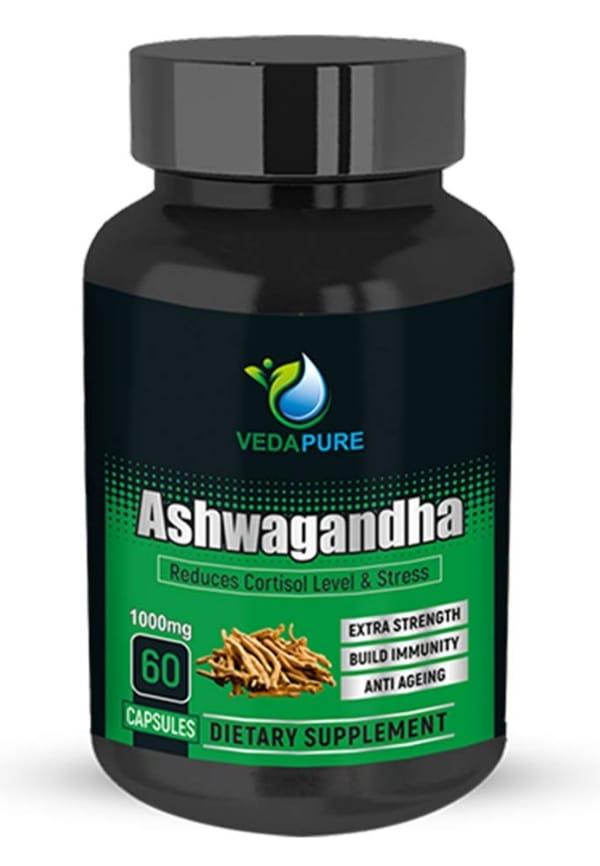
Ashwagandha Anxiety & Stress Relief
Feeling overwhelmed by anxiety and wondering if yoga might help? You're not alone. Millions of people are discovering that yoga techniques for anxiety can be game-changing for mental wellbeing. From gentle poses that calm your nervous system to breathing exercises that stop racing thoughts in their tracks, yoga offers practical tools for managing anxiety naturally. Whether you're dealing with everyday stress or more intense anxiety episodes, the right yoga practices can help you feel more grounded and in control. At Smytten, we understand that wellness is personal—that's why we offer trial packs of wellness products to help you discover what works best for your unique needs.
TL;DR
Yoga activates your parasympathetic nervous system, naturally reducing cortisol and anxiety symptoms
Gentle yoga styles like restorative and yin yoga work better for anxiety than high-intensity flows
Specific poses like Child's Pose and Legs-Up-The-Wall can provide immediate anxiety relief
Breathing exercises like alternate nostril breathing help balance your nervous system
Combining mindfulness with movement creates a powerful anxiety management practice
Let's be real—when you're anxious, the last thing you want is someone telling you to "just breathe." But here's the thing: yoga techniques for anxiety actually work because they target your body's stress response system directly. It's not just about feeling zen; there's proper science backing this up.
When anxiety hits, your sympathetic nervous system goes into overdrive, flooding your body with stress hormones like cortisol. Yoga flips this script by activating your parasympathetic nervous system—your body's "rest and digest" mode. Studies show that regular yoga practice can reduce cortisol levels by up to 23%, whilst also stimulating the vagus nerve, which helps regulate your heart rate and breathing.
The beauty of anxiety relief yoga is that it works on multiple levels. Physically, you're releasing tension stored in your muscles, especially around your shoulders, jaw, and hips where stress loves to hide. Mentally, the combination of breath awareness and gentle movement helps quiet that constant mental chatter. This isn't just temporary relief—research shows that people who practice yoga regularly experience lasting improvements in anxiety symptoms.
Not all yoga is created equal when it comes to anxiety management. Whilst a vigorous vinyasa flow might leave you feeling more wired than relaxed, certain styles are specifically designed to calm your nervous system.
Restorative yoga benefits include deep nervous system reset through supported poses held for 5-20 minutes. Think of it as giving your anxiety permission to melt away. Yin yoga works similarly, using props to support your body whilst you focus on breath and mindfulness. Even chair yoga can be incredibly effective—perfect for when you need anxiety relief but can't get on the floor.
Here's a key principle: when you're anxious, keep your body close to the mat. Grounding poses that connect you to the earth work better than inversions or arm balances that might trigger your fight-or-flight response. Save the challenging flows for when you're feeling more stable—anxiety relief yoga should feel nurturing, not demanding.
Ready for some practical magic? These yoga poses for stress have been helping people find calm for thousands of years. The best part? You don't need to be flexible or experienced to benefit from them.
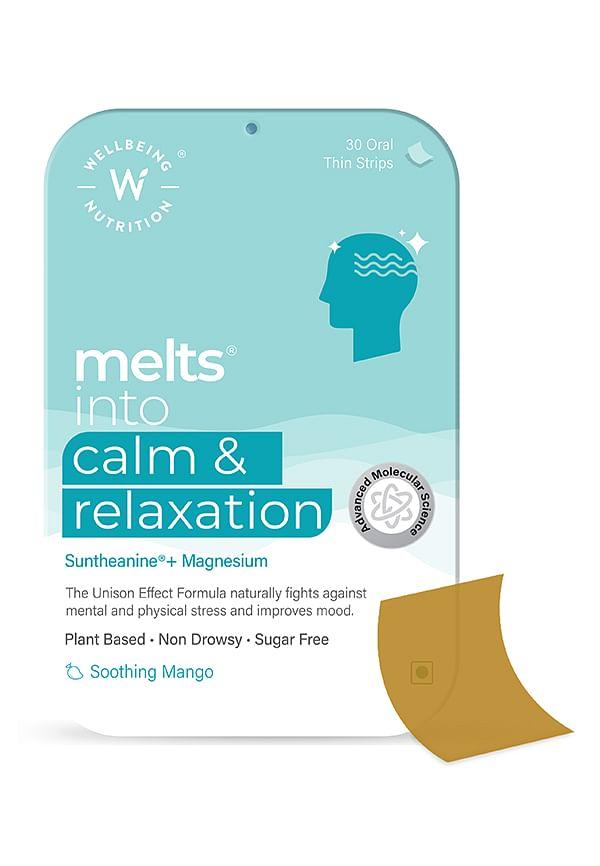
Melts Calm & Relaxation Plant Based Stress & Anxiety Reliever
Child's Pose (Balasana) is your go-to when anxiety feels overwhelming. Kneel on the floor, touch your big toes together, and sit back on your heels. Separate your knees about hip-width apart and fold forward, extending your arms in front of you or alongside your body. This pose activates your rest-and-digest response almost immediately.
Legs-Up-The-Wall Pose (Viparita Karani) is like hitting the reset button on your nervous system. Lie on your back near a wall and extend your legs up against it. This gentle inversion helps blood flow back to your heart and brain, naturally calming anxiety symptoms.
Corpse Pose (Savasana) might look like you're just lying down, but it's actually one of the most challenging poses. Lie flat on your back, arms slightly away from your body, palms facing up. Focus on releasing tension from each part of your body, starting from your toes and working up to your head.
Cat-Cow Stretch (Marjaryasana-Bitilasana) coordinates breath with movement, which is incredibly soothing for anxious minds. Start on your hands and knees, then arch and round your spine in rhythm with your breathing. This gentle movement helps release physical tension whilst giving your mind something to focus on.
Standing Forward Bend offers the calming benefits of an inversion without being too intense. Stand with feet hip-width apart and fold forward from your hips, letting your arms hang heavy. The increased blood flow to your brain can help clear mental fog and reduce anxiety.
Bridge Pose gently opens your heart space, which can help release emotional tension. Lie on your back with knees bent, feet flat on the floor. Press through your feet to lift your hips, creating a bridge shape with your body.
When panic strikes, you need poses that work fast. Child's Pose and Legs-Up-The-Wall are your emergency tools—they can help ground you within minutes. Avoid backbends, arm balances, or anything that might overstimulate your already activated nervous system. Instead, focus on poses that make you feel supported and safe.
Your breath is your most powerful tool for anxiety management, and it's always available to you. These breathing exercises for anxiety can shift your nervous system from panic mode to calm in just a few minutes.
This technique balances the left and right hemispheres of your brain, promoting emotional regulation. Using your right thumb, close your right nostril and inhale through your left nostril for four counts. Close your left nostril with your ring finger, release your thumb, and exhale through your right nostril for four counts. Continue this pattern for 5-10 rounds. Practice this twice daily for best results.
When your thoughts won't stop spinning, this technique uses vibration to quiet mental chatter. Place your thumbs in your ears and your index fingers above your eyebrows. Close your eyes and take a deep breath in. As you exhale, make a humming sound like a bee. The vibration helps activate your parasympathetic nervous system whilst giving your mind a single point of focus.
The real magic happens when you combine mindfulness and yoga into one integrated practice. This isn't about perfecting poses—it's about cultivating awareness and presence that you can carry into your daily life.
Calm Down Anxiety Relief Roll-On
Try moving meditation by focusing completely on the sensations in your body as you transition between poses. Notice how your weight shifts, how your muscles engage and release, how your breath naturally adjusts to movement. This present-moment awareness is incredibly grounding for anxious minds. You can also incorporate body scan meditation during longer holds, systematically releasing tension from each part of your body.
Consistency matters more than duration. A 10-minute morning practice of gentle stretches and breathing can set a calm tone for your entire day. Evening calming yoga practices help your nervous system transition into rest mode. Even micro-practices—like three deep breaths in Child's Pose—can interrupt anxiety spirals when you're at work or in stressful situations.
Many people experience both anxiety and depression, and yoga for mental health can address both conditions simultaneously. The key is understanding when you need energising practices versus calming ones.
Gentle backbends like Bridge Pose can lift your mood whilst still feeling safe for anxiety. Sun Salutations modified to move slowly can provide gentle energy without overstimulation. The important thing is to listen to your body and adjust accordingly. Some days you might need more grounding poses, other days you might benefit from gentle movement that builds energy.
Creating a safe space for your practice is crucial. This means keeping your eyes open if closing them feels uncomfortable, modifying poses to feel supported, and always having the option to come out of a pose. Building confidence through accessible poses helps create positive associations with movement and breath work.
Starting a yoga practice when you're dealing with anxiety can feel overwhelming, but it doesn't have to be. The key is beginning gently and building confidence gradually.
You'll need a yoga mat or soft surface, and props like pillows or blankets can make poses more comfortable. Start with a simple 15-minute sequence: 5 minutes of gentle breathing, 5 minutes of easy stretches like Cat-Cow and Child's Pose, and 5 minutes of relaxation in Corpse Pose. Avoid comparing yourself to others or pushing through discomfort—this practice is about finding ease, not achieving perfect poses.
The 3-3-3 rule involves naming 3 things you can see, 3 sounds you can hear, and moving 3 parts of your body. Yoga enhances this grounding technique by adding breath awareness and gentle movement. Try combining it with simple poses like seated spinal twists or gentle neck rolls to engage your body whilst staying present.
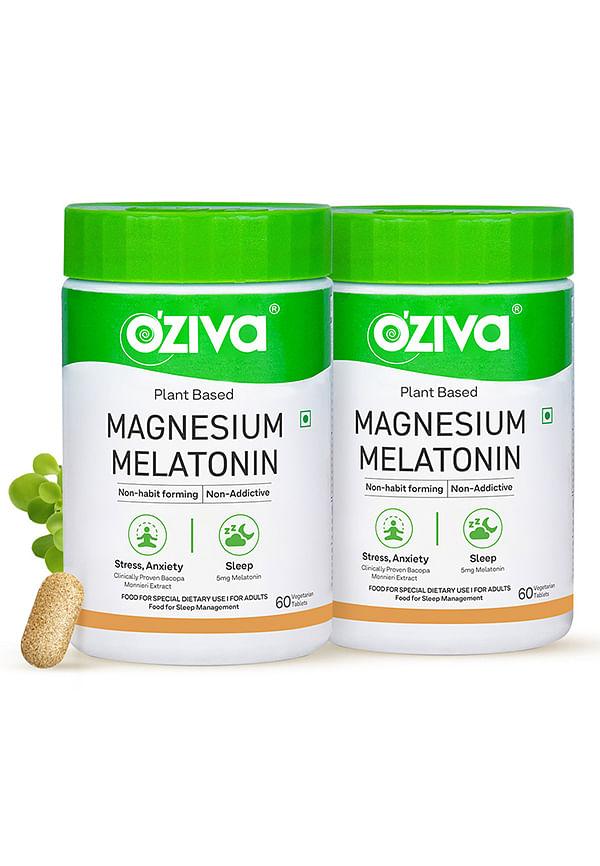
Magnesium Melatonin - Restful Sleep, Reduced Stress, Anxiety
Amazing Product, Great on Skin
 4
4“amazing product.. great on skin..I love it”
Start with just 5-10 minutes daily rather than attempting hour-long sessions. Track how you feel before and after practice to notice improvements in your anxiety levels. As you build confidence, you can gradually extend your practice time or explore different styles. Remember, even experienced practitioners have days when they only do a few minutes of breathing—consistency matters more than intensity.
Many people notice immediate calming effects during their first session, especially with breathing exercises and restorative poses. However, lasting changes in anxiety patterns typically develop over 4-8 weeks of regular practice. The key is consistency rather than intensity.
Yoga is a powerful complement to professional treatment but shouldn't replace prescribed medication without consulting your healthcare provider. Many people find that yoga helps them manage anxiety symptoms more effectively alongside other treatments.
Start incredibly small—even three deep breaths whilst sitting in a chair counts as yoga. You can begin with breathing exercises before trying any physical poses. Online classes allow you to practice privately at your own pace without feeling self-conscious.
Even 5-10 minutes can be beneficial. Research shows that 20-30 minutes of practice 3-4 times per week provides significant anxiety reduction, but daily micro-practices of 5 minutes can also be incredibly effective.
Avoid intense backbends, challenging arm balances, or rapid breathing techniques when you're feeling anxious. Stick to grounding poses that keep your body close to the earth and focus on longer, slower exhales.
Simple breathing techniques and grounding poses like Child's Pose can help during panic attacks. However, don't force yourself into any position that feels uncomfortable. Sometimes just sitting and focusing on extending your exhale is the most helpful approach. Products available on Smytten like aromatherapy oils or calming teas can also support your anxiety management routine.
Yoga techniques for anxiety offer a natural, accessible way to manage stress and calm your nervous system. The most effective approaches combine gentle movement, mindful breathing, and present-moment awareness. Remember that consistency matters more than perfection—even a few minutes of daily practice can make a significant difference in your anxiety levels. Start with simple poses like Child's Pose and basic breathing exercises, then gradually build your practice as you gain confidence. The goal isn't to eliminate anxiety completely but to develop tools that help you respond to it more skillfully.
Finding the right wellness routine is deeply personal, and what works for one person might not work for another. That's where Smytten comes in as India's largest product discovery and trial platform. Whether you're exploring aromatherapy products, calming teas, or wellness supplements to complement your yoga practice, Smytten's trial packs let you discover what truly works for your anxiety management routine. With over 1,500 trusted wellness brands available, you can try before you buy and build a personalised approach to mental wellbeing. After all, why settle for 'maybe' when you can #TryItAll and find exactly what helps you feel your best?
