Yoga Poses for Mental Wellness FAQ: Your Questions Answered



Ashwagandha Tablets,Reduce Stress & Support Sleep Cycle
Mental wellness isn't just about what happens in your head—your body plays a massive role too. That's where yoga poses for mental wellness come in, offering a science-backed way to calm your mind through mindful movement. Whether you're dealing with everyday stress, anxiety, or just need a mental reset, specific yoga poses can help regulate your nervous system and bring emotional balance. From gentle stretches that ease tension to restorative poses that promote deep relaxation, yoga offers practical tools for mental clarity. On Smytten, you'll find wellness products that complement your mindfulness journey, making it easier to create a holistic approach to mental wellbeing.
Yoga poses activate your parasympathetic nervous system, naturally reducing stress hormones like cortisol
Specific poses like Child's Pose and Bridge Pose target different mental health needs—from anxiety relief to mood elevation
Combining breathwork with gentle yoga sequences amplifies mental wellness benefits
Even 5-10 minutes of daily practice can create noticeable improvements in emotional balance
Yoga works best as part of a comprehensive wellness routine, not as a replacement for professional mental health care
Real talk—yoga isn't just fancy stretching. There's proper science behind why these ancient poses work so well for mental wellness. When you move through yoga poses mindfully, you're literally rewiring your nervous system for calm.
Your body has two main nervous system modes: fight-or-flight (sympathetic) and rest-and-digest (parasympathetic). Modern life keeps most of us stuck in fight-or-flight mode, which is why anxiety and stress feel so constant. Mindfulness yoga helps flip that switch, activating your parasympathetic nervous system through slow, controlled movements and deep breathing.
Research shows that regular yoga practice can reduce cortisol levels by up to 23%. That's your main stress hormone, and when it's high, everything feels harder—sleep, focus, emotional regulation. Meditative yoga practices work by combining physical movement with breath awareness, creating what scientists call "embodied mindfulness." This means you're not just thinking your way to calm; you're physically creating it.
The mind-body connection in yoga is particularly powerful for mental clarity. When you hold poses that require balance and focus, your brain has to coordinate multiple systems simultaneously. This integration helps quiet racing thoughts and brings you into the present moment—exactly what your anxious mind needs.
Not all yoga poses hit the same for mental wellness. Some are brilliant for immediate anxiety relief, whilst others work better for long-term emotional balance. Here's your go-to guide for the most effective anxiety reducing poses and calming yoga sequences.
Child's Pose (Balasana) is your instant reset button. Kneel on your mat, touch your big toes together, and sit back on your heels. Fold forward, extending your arms in front or resting them alongside your body. This pose activates your vagus nerve—the main pathway for your rest-and-digest response.
Mountain Pose (Tadasana) might look simple, but it's incredibly grounding. Stand tall with feet hip-width apart, arms at your sides. Feel your connection to the earth through your feet whilst lengthening through the crown of your head. This pose builds mental stability and presence.
Easy Pose (Sukhasana) creates the perfect foundation for mindfulness. Sit cross-legged with hands resting on your knees. Focus on your breath and the sensation of being supported by the ground beneath you.
Bridge Pose (Setu Bandhasana) is brilliant for mood elevation. Lie on your back, knees bent, feet flat on the floor. Lift your hips, creating a bridge shape. This heart-opening pose increases circulation and can help shift depressive feelings.
Standing Forward Bend (Uttanasana) calms racing thoughts by encouraging blood flow to your brain. Stand with feet hip-width apart, fold forward from your hips, letting your arms hang heavy. The inversion effect helps quiet mental chatter.
Cat-Cow Pose releases tension whilst improving focus. Start on hands and knees, alternate between arching your back (cow) and rounding it (cat). This gentle movement massages your spine and nervous system.
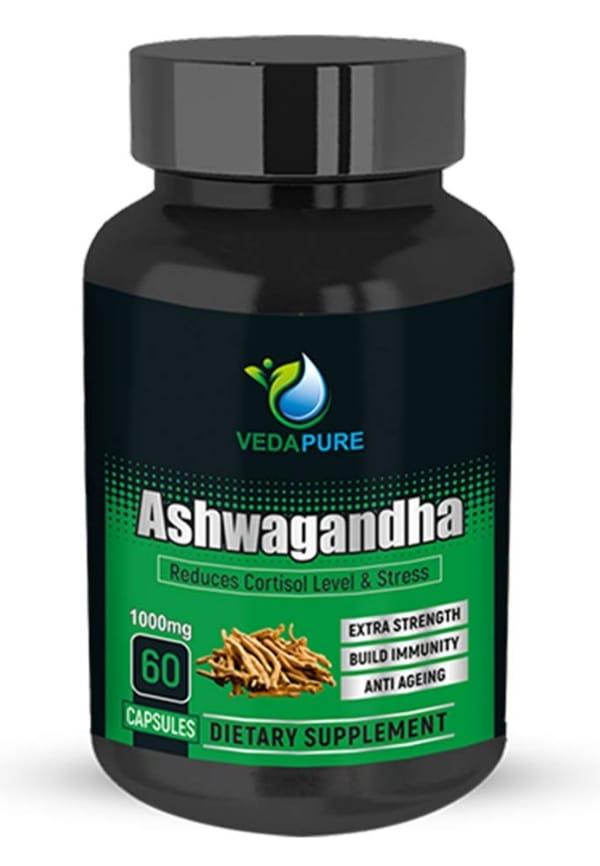
Ashwagandha Anxiety & Stress Relief
Legs-Up-the-Wall Pose (Viparita Karani) is perfect for evening wind-downs. Lie near a wall, extend your legs up against it. This gentle inversion calms your nervous system and prepares you for better sleep.
Corpse Pose (Savasana) offers complete nervous system reset. Lie flat on your back, arms slightly away from your body, palms facing up. Focus on releasing tension from each body part systematically.
Supported Fish Pose opens your heart for emotional release. Place a bolster or pillow under your shoulder blades, lie back with arms open wide. This pose counteracts the closed-off posture that often comes with stress and anxiety.
Combining breathwork with your yoga practice amplifies the mental health benefits massively. Your breath is the fastest way to signal safety to your nervous system, and when paired with gentle yoga for mood enhancement, it creates powerful stress relief.
Alternate Nostril Breathing (Nadi Shodhana) balances your brain hemispheres. Use your thumb to close your right nostril, inhale through the left. Close the left nostril with your ring finger, release the thumb, exhale right. Continue alternating for 5-10 rounds.
Humming Bee Breath (Bhramari) creates instant calm through vibration. Close your ears with your thumbs, place your fingers over your closed eyes. Inhale normally, then exhale whilst making a humming sound. The vibration stimulates your vagus nerve.
4-7-8 Breathing works brilliantly for quick anxiety relief. Inhale for 4 counts, hold for 7, exhale for 8. This pattern activates your parasympathetic nervous system almost immediately.
When you combine these breathing techniques with meditative yoga practices, you're creating a double dose of calm. Try holding each pose for 5-8 breaths, focusing on the exhale to deepen relaxation. This integration helps build yoga for inner peace that extends beyond your mat.
Consistency beats intensity when it comes to yoga for emotional balance. You don't need hour-long sessions—even 10 minutes of targeted practice can shift your mental state. The key is matching your routine to your daily rhythms and specific needs.
Start your day with 10-15 minutes of energising poses. Begin with gentle Cat-Cow stretches to wake up your spine, move into Mountain Pose for grounding, then add some Standing Forward Bends to increase circulation. Finish with a few minutes of mindful breathing to set positive intentions.
Morning anxiety responds well to grounding poses. If you wake up feeling anxious, try Child's Pose for 2-3 minutes before moving into your sequence. This helps regulate your nervous system before the day begins.
Work stress calls for quick, effective relief. Try seated spinal twists at your desk, shoulder rolls to release tension, or a standing forward bend if you have space. Even 5 minutes of conscious breathing can reset your stress levels.
These mini-sessions work brilliantly for maintaining emotional balance throughout busy days. The key is consistency—better to do 5 minutes daily than 30 minutes once a week.
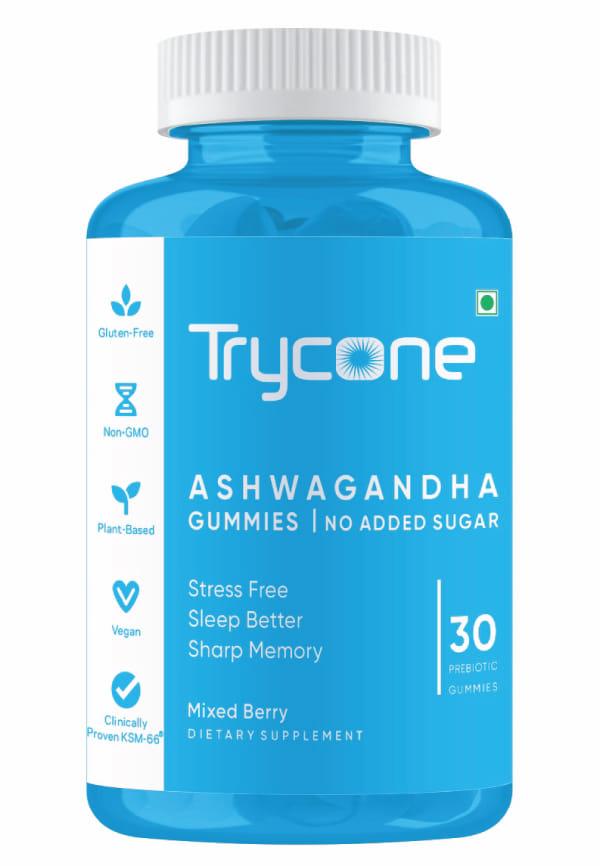
Ashwagandha KSM 66 |No Added Sugar Stress Free
Your evening practice should focus on restorative yoga benefits. Start with gentle twists to release the day's tension, move into supported poses like Legs-Up-the-Wall, and finish with extended Savasana. This sequence signals to your body that it's time to shift into rest mode.
Calming yoga sequences work best when practised 1-2 hours before bed. This gives your nervous system time to fully transition into relaxation mode for better sleep quality.
Different mental health challenges respond to different approaches. Whilst stress relief yoga shares some common elements, anxiety and depression often need tailored sequences to be most effective.
Anxiety responds brilliantly to grounding techniques. Focus on poses that create a sense of safety and stability—Child's Pose, supported forward bends, and any pose where your body feels fully supported. These positions activate your vagus nerve, which directly counters anxiety responses.
Avoid intense backbends or challenging balancing poses when anxiety is high. Instead, choose poses that feel nurturing and protective. Supported poses with props like bolsters or blankets can create the safety your nervous system needs to calm down.
Depression often responds well to heart-opening poses and gentle energising sequences. Bridge Pose, gentle backbends, and poses that encourage upward movement can help shift low moods. The key is starting small—even lifting your arms overhead in Mountain Pose can feel like a victory on difficult days.
Building self-compassion through gentle movement is crucial. Focus on what feels good rather than achieving perfect alignment. Your practice should feel supportive, not demanding.
Chronic stress needs both immediate relief techniques and long-term management strategies. Quick stress-busting combinations might include 3 minutes of Child's Pose followed by gentle spinal twists. For workplace stress, try seated breathing exercises or subtle shoulder releases.
Long-term stress management benefits from regular restorative practices. Schedule longer sessions 2-3 times per week, focusing on poses that deeply relax your nervous system.
The biggest mistake in yoga for mental wellness is forcing poses or pushing through discomfort. Your practice should feel supportive, not stressful. If a pose increases anxiety or feels overwhelming, back off or try a gentler variation.
Physical limitations don't mean you can't benefit from mindfulness yoga. Most poses can be modified for different abilities—chair yoga, wall-supported poses, or even visualising movements can still provide mental health benefits.
Creating a safe emotional space is just as important as physical safety. Some poses might bring up emotions or memories. This is normal, but if you feel overwhelmed, return to a comfortable position and focus on your breath.

Ashwagandha Max Gummies for Stress Management
Remember that yoga complements but doesn't replace professional mental health support. If you're dealing with severe anxiety, depression, or other mental health concerns, work with qualified professionals alongside your yoga practice.
Hatha, Yin, and Restorative yoga are particularly effective for mental wellness. Hatha offers gentle, accessible poses perfect for beginners. Yin yoga involves longer holds that encourage deep relaxation and introspection. Restorative yoga uses props to support your body in comfortable positions, allowing complete nervous system reset. Choose based on your energy levels and specific needs—energising styles for depression, calming styles for anxiety.
Consistency matters more than duration. Even 10 minutes daily provides more mental health benefits than one long weekly session. Aim for 3-5 times per week minimum, with at least one longer restorative session. Quality trumps quantity—a mindful 15-minute practice beats rushing through an hour-long sequence. Available on Smytten, you'll find wellness products that support your daily practice routine.
Yoga works brilliantly as complementary therapy but shouldn't replace professional mental health treatment. It's excellent for managing stress, mild anxiety, and supporting overall emotional balance. However, severe depression, anxiety disorders, or other mental health conditions need qualified professional support. Think of yoga as part of your wellness toolkit, not the entire solution.
Start incredibly small—even one conscious breath counts as practice. Try gentle movements in bed, like ankle circles or shoulder rolls. Chair yoga removes the intimidation of getting on the floor. Focus on micro-practices: 2 minutes of breathing, gentle neck stretches, or simply sitting quietly. Build confidence gradually rather than attempting full sequences immediately.
Immediate benefits include feeling more grounded and relaxed after practice. Within 2-4 weeks of regular practice, you might notice improved sleep, better stress management, and increased emotional stability. Long-term benefits like reduced anxiety and improved mood typically develop over 2-3 months. Track your progress through mood journals or simply noticing how you feel before and after practice.
A yoga mat helps but isn't essential—you can practice on carpet or even in bed. Props like bolsters, blocks, or blankets enhance comfort but household items work too. Pillows can substitute for bolsters, books for blocks, and towels for straps. The most important equipment is your willingness to be present with yourself.
Yoga poses for mental wellness offer a scientifically-backed approach to emotional balance and stress relief. The key is finding poses that feel supportive rather than challenging, focusing on consistency over intensity. Whether you're dealing with anxiety, depression, or everyday stress, there are specific sequences that can help regulate your nervous system and promote mental clarity.
Start small with just 5-10 minutes daily, choosing poses that match your current mental state and energy levels. Grounding poses work brilliantly for anxiety, heart-opening poses can lift depression, and restorative poses provide deep nervous system reset. Remember that breathwork amplifies the benefits, and creating a safe, non-judgmental practice space is essential.
Most importantly, yoga for mental wellness works best as part of a comprehensive approach to wellbeing. Combine your practice with other healthy habits, and don't hesitate to seek professional support when needed.
Your mental wellness journey deserves the same thoughtful approach you'd give to discovering the perfect skincare routine or wellness product. Just as Smytten lets you try before you buy with curated trial packs from trusted wellness brands, yoga allows you to explore different practices and find what truly works for your mind and body. With over 25 million users discovering their perfect products through authentic brand-verified minis, Smytten understands that wellness isn't one-size-fits-all. Whether you're building a yoga practice or exploring wellness products that complement your mindfulness journey, the platform's 100% cashback on trials makes it easier to discover what genuinely supports your mental wellbeing. After all, why settle for 'maybe' when you can try it all and find what truly brings you peace?
