Yoga Poses for Anxiety FAQ: Your Questions Answered

Ashwagandha Anxiety & Stress Relief
Feeling like your mind's running a marathon while you're just trying to get through the day? You're definitely not alone. With anxiety affecting millions of people worldwide, more folks are turning to yoga poses for anxiety relief as a natural way to find some peace. Unlike popping a pill or scrolling endlessly through your phone, yoga actually works with your body's natural systems to calm things down from the inside out. Whether you're dealing with everyday stress or those moments when your brain feels like it's in overdrive, specific yoga poses can help reset your nervous system and bring you back to centre. On Smytten, you'll find wellness products that complement your anxiety management journey, making it easier to create a holistic approach to feeling better. Ready to explore how gentle movement and mindful breathing can become your new go-to anxiety toolkit?
Yoga poses for anxiety work by activating your parasympathetic nervous system, which naturally calms your body and mind
Key anxiety relief poses include Child's Pose, Legs-Up-the-Wall, and gentle forward folds that promote grounding and relaxation
Breathing exercises like three-part breath and alternate nostril breathing are just as important as the physical poses for managing anxiety
You don't need to be flexible or experienced—gentle yoga for anxiety focuses on comfort and accessibility, not perfect form
Consistent practice, even just 5-10 minutes daily, can make a real difference in your overall anxiety levels and stress management
Let's get real about what's actually happening in your body when anxiety kicks in. Your sympathetic nervous system goes into overdrive, flooding you with stress hormones like cortisol and adrenaline. Your heart races, muscles tense up, and your mind starts spiralling. This is where yoga for nervous system regulation becomes your secret weapon.
When you practise yoga poses for anxiety, you're essentially hitting the reset button on your body's stress response. The combination of gentle movement, controlled breathing, and mindful awareness activates your parasympathetic nervous system—think of it as your body's built-in chill-out mode. Research shows that regular yoga practice can actually reduce cortisol levels and increase GABA, a neurotransmitter that helps calm your brain.
The magic happens when you sync your breath with movement. This mindfulness yoga approach helps pull you out of anxious thoughts about the future or past and anchors you firmly in the present moment. Studies have found that people who practise yoga for mental health see significant improvements in anxiety symptoms, often within just a few weeks of consistent practice.
Not all yoga poses are created equal when it comes to anxiety relief. The best calming yoga for stress focuses on poses that ground you, slow down your nervous system, and create a sense of safety in your body. Think gentle, supported movements rather than challenging arm balances or intense backbends.
Child's Pose (Balasana) is probably the most accessible anxiety relief pose out there. Kneel on your mat, touch your big toes together, and sit back on your heels. Then fold forward, extending your arms in front of you or resting them alongside your body. This pose literally wraps you up in a cocoon of safety, helping to quiet an overactive mind.
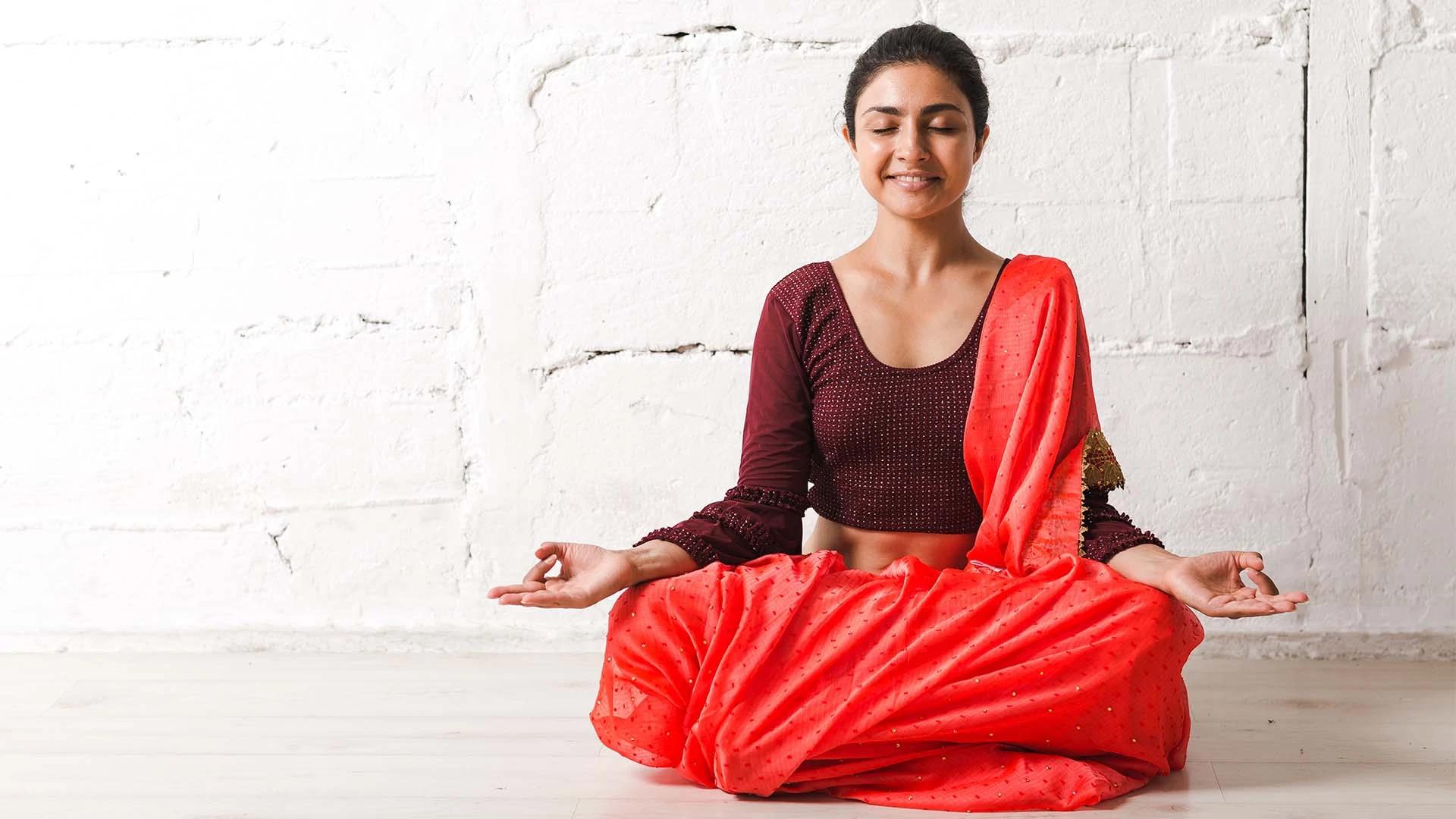
Easy Pose (Sukhasana) might look simple, but it's incredibly powerful for anxiety management. Sit cross-legged with your hands resting on your knees. Focus on lengthening your spine and deepening your breath. This becomes the foundation for meditation and breathing exercises that can stop anxiety in its tracks.
Legs-Up-the-Wall Pose is like hitting the reset button on your entire nervous system. Lie on your back near a wall and extend your legs up against it. This gentle inversion helps blood flow back to your heart and signals to your body that it's time to relax.
Standing Forward Bend works wonders when you need to turn inward and find some mental quiet. Stand with your feet hip-width apart, then fold forward from your hips, letting your arms hang heavy. The gentle compression on your torso has a naturally calming effect.
Seated Forward Fold offers similar benefits while keeping you grounded. Sit with your legs extended, then slowly fold forward over your legs. Don't worry about touching your toes—this is about finding a gentle stretch that helps quiet your mind.
Ashwagandha Tablets,Reduce Stress & Support Sleep Cycle
Savasana (Corpse Pose) might seem like you're just lying there, but it's actually one of the most challenging poses for anxious minds. Lie flat on your back, arms slightly away from your body, palms facing up. The goal is complete stillness, which gives your nervous system permission to fully relax.
Supported Fish Pose opens your heart while keeping you completely comfortable. Place a bolster or rolled blanket under your shoulder blades and lie back, letting your arms fall open. This gentle heart opener can help release emotional tension that often accompanies anxiety.
Here's the thing about breathing exercises for anxiety—they're probably the most powerful tool in your toolkit, and you can do them anywhere. Your breath is directly connected to your nervous system, so when you change how you breathe, you literally change how you feel.
Three-Part Breath (Dirga Pranayama) is your go-to foundation technique. Place one hand on your chest, one on your belly. Breathe into your belly first, then your ribs, then your chest. Exhale in reverse order. This deep, conscious breathing immediately signals to your body that you're safe.
Alternate Nostril Breathing might sound a bit woo-woo, but it's incredibly effective for balancing your nervous system. Use your thumb to close your right nostril, inhale through your left. Close your left nostril with your ring finger, release your thumb, and exhale through your right. Continue alternating for 5-10 rounds.
4-7-8 Breathing Pattern is perfect for those moments when anxiety hits hard. Inhale for 4 counts, hold for 7, exhale for 8. This pattern activates your parasympathetic nervous system almost immediately, making it brilliant for panic moments.
Not all anxiety feels the same, right? Sometimes it's that low-level hum of worry, other times it's full-blown panic. That's why having different gentle yoga for anxiety sequences in your back pocket can be a game-changer.
Start your day with a 10-15 minute sequence that sets a calm tone. Begin in Easy Pose with three-part breathing, move through some gentle neck rolls and shoulder shrugs, then flow into Cat-Cow stretches. Finish with a few minutes in Child's Pose, setting an intention for your day.
When panic strikes, you need something fast and effective. Drop into Child's Pose immediately—this helps you feel grounded and safe. Move to Legs-Up-the-Wall if possible, or simply lie on your back with your knees bent. Focus entirely on 4-7-8 breathing until the intensity passes.
Wind down with restorative yoga poses that prepare your body for rest. Try supported Fish Pose for 5 minutes, followed by gentle hip circles and a long Savasana. This sequence helps release the day's tension and signals to your body that it's time to rest.
Melts Calm & Relaxation Plant Based Stress & Anxiety Reliever
Starting yoga when you're dealing with anxiety can feel overwhelming, but it doesn't have to be. The beauty of gentle yoga for anxiety is that it meets you exactly where you are—no flexibility required, no perfect poses needed.
First things first: create a safe space for your practice. This might be a corner of your bedroom with a soft blanket, or even just a spot on your living room floor. The key is consistency, not perfection. Start with just 5-10 minutes daily—that's enough to begin rewiring your nervous system's response to stress.
Props are your best friends when you're beginning. A couple of pillows, a blanket, and maybe a yoga block can make poses infinitely more comfortable and accessible. Remember, the goal isn't to look like the people in yoga magazines—it's to feel better in your own body.
Listen to your body above all else. If a pose doesn't feel good, modify it or skip it entirely. Anxiety often makes us hyper-aware of our bodies, so use that awareness to your advantage. Notice what feels soothing and do more of that.
Restorative yoga and gentle hatha yoga are typically the most effective styles for anxiety relief. These approaches focus on slow, supported movements and longer holds that give your nervous system time to calm down. Avoid hot yoga or intense vinyasa classes when you're feeling anxious—they can actually increase stress hormones.
The 3-3-3 rule is a grounding technique where you name 3 things you can see, 3 sounds you can hear, and move 3 parts of your body. You can easily combine this with yoga by doing it in Child's Pose or Easy Pose, making it even more effective for anxiety management.
Daily practice, even if it's just 5-10 minutes, tends to be more effective than longer sessions once or twice a week. Your nervous system responds better to consistent, gentle input rather than sporadic intense sessions. Start small and build up gradually.
Yoga is a powerful complementary practice, but it shouldn't replace professional medical treatment without consulting your healthcare provider. Many people find that yoga enhances the effectiveness of other treatments and helps them feel more in control of their anxiety management.
Start with just breathing exercises while lying in bed or sitting in a comfortable chair. You don't need a mat or special clothes—just begin with three-part breathing for a few minutes. Once that feels manageable, you can gradually add gentle movements.
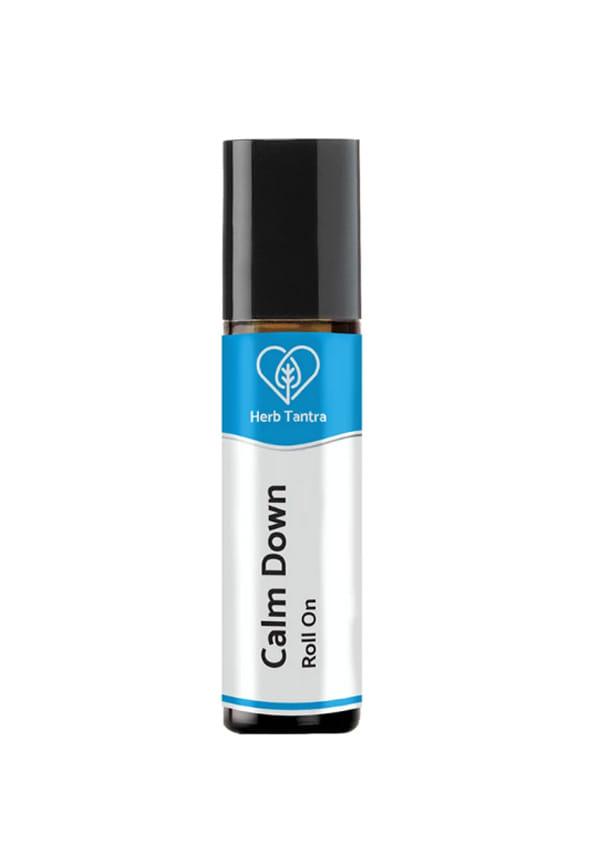
Calm Down Anxiety Relief Roll-On
Generally, avoid intense backbends, challenging arm balances, or any poses that make you feel unstable or overstimulated. Hot yoga can also increase anxiety for some people. Stick with grounding, forward-folding, and restorative poses until you build confidence in your practice.
Many people notice some immediate calming effects after their first session, especially from breathing exercises. For longer-term anxiety management, most research shows significant improvements after 6-8 weeks of consistent practice. Remember, everyone's journey is different, so be patient with yourself.
Absolutely! Home practice can actually be ideal for anxiety management because you're in a familiar, controlled environment. You can try products available on Smytten that support your wellness routine, from aromatherapy essentials to comfortable yoga wear that makes your practice more enjoyable.
Creating a sustainable yoga practice for anxiety isn't about following someone else's routine perfectly—it's about discovering what works for your unique body and mind. Start by paying attention to which poses and breathing exercises make you feel most grounded and calm.
Consistency trumps intensity every single time. A 10-minute daily practice will serve you far better than an hour-long session once a week. Set realistic goals that you can actually stick to, even on your worst anxiety days. Maybe that's just three deep breaths in Child's Pose, and that's perfectly enough.
Consider keeping a simple practice journal where you note how you felt before and after your yoga sessions. This isn't about being perfect—it's about noticing patterns and celebrating small wins. You might discover that certain restorative yoga poses work better for you in the morning, while breathing exercises are more effective in the evening.
Remember that your practice will evolve as you do. Some days you might need gentle, nurturing poses, while other days you might feel ready for slightly more active sequences. The key is staying curious and compassionate with yourself throughout the process.
Yoga poses for anxiety aren't just about stretching—they're about rewiring your nervous system's response to stress and creating a toolkit you can use anywhere, anytime. The most effective anxiety relief poses are typically grounding, gentle, and focused on turning your attention inward rather than challenging your body.
Breathing exercises are just as important as the physical poses, if not more so. Techniques like three-part breathing and 4-7-8 breathing can stop anxiety in its tracks and are available to you 24/7. The beauty of mindfulness yoga is that it teaches you to work with your body's natural calming mechanisms rather than against them.
Starting small and staying consistent will serve you better than trying to do too much too soon. Even five minutes of gentle yoga for anxiety can make a meaningful difference in how you feel and how you navigate stressful situations throughout your day.
Managing anxiety through yoga is a journey, not a destination, and having the right support makes all the difference. Smytten is India's largest product discovery and trial platform, connecting you with top wellness brands that can enhance your anxiety management routine. Whether you're looking for aromatherapy products to create a calming practice space, comfortable yoga wear, or wellness supplements that support your mental health journey, Smytten's curated trial packs let you explore what works for your unique needs. With over 1,500 trusted brands available and 100% cashback on trial purchases, you can try before you buy and build a personalised wellness toolkit without the guesswork. After all, why settle for 'maybe' when you can #TryItAll and discover what truly helps you find your calm?
