Yoga for Panic Attack Relief FAQ: Common Questions Answered

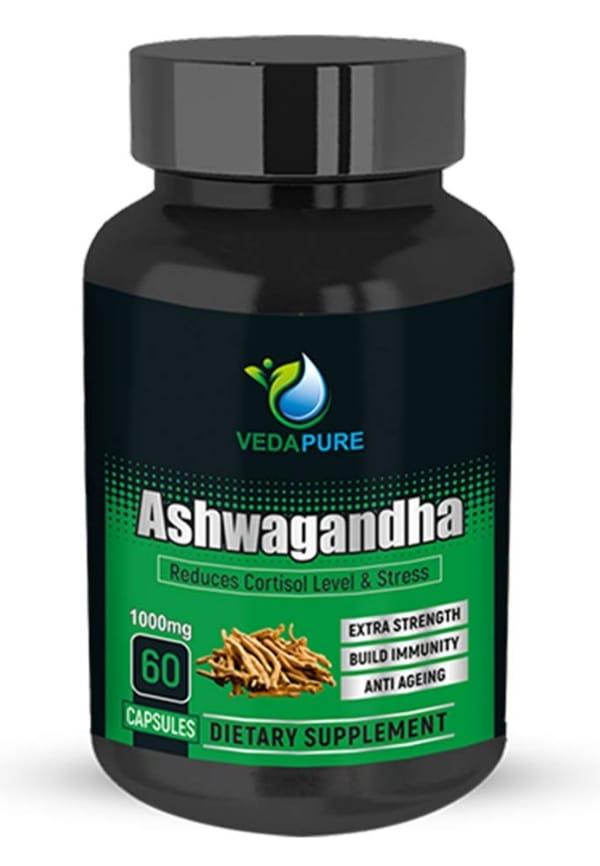
Ashwagandha Anxiety & Stress Relief
Panic attacks can feel overwhelming, but yoga for panic attack relief offers a natural, accessible way to regain control. When your heart races and breathing becomes shallow, specific yoga techniques can help calm your nervous system and restore emotional balance. Whether you're dealing with occasional anxiety or frequent panic episodes, understanding how to use yoga as a coping mechanism can be life-changing. From emergency breathing exercises to gentle poses that soothe your mind, yoga provides tools that work both in the moment and as long-term prevention. Many people find that combining mindfulness practices with movement creates a powerful foundation for mental wellness. Smytten's wellness category features various products that can support your relaxation journey, from aromatherapy essentials to stress-relief aids that complement your yoga practice.
Emergency yoga techniques like 4-7-8 breathing and Child's Pose can stop panic attacks within minutes
Regular practice of calming yoga poses helps prevent future episodes by strengthening your nervous system
Mindfulness for panic combines breathing exercises with gentle movement for maximum effectiveness
Daily 10-15 minute routines build long-term resilience against anxiety and stress
Safety considerations include knowing when to seek professional help and avoiding certain poses during active panic
When panic strikes, your body goes into fight-or-flight mode, but specific yoga techniques can quickly activate your parasympathetic nervous system to restore calm. The key is having a go-to sequence that you can use anywhere, anytime.
The 4-7-8 breathing technique is your fastest ally against panic. Inhale through your nose for 4 counts, hold for 7, then exhale through your mouth for 8 counts. This pattern slows your heart rate and signals safety to your brain. Box breathing offers another quick option: breathe in for 4, hold for 4, exhale for 4, hold for 4, and repeat.
Child's Pose (Balasana) works wonders even in a chair—simply fold forward and rest your forehead on your desk or hands. If you're standing, try a forward fold to let gravity help release tension. These poses redirect blood flow and create an instant sense of safety and grounding.
Combine the classic 3-3-3 rule (name 3 things you see, 3 sounds you hear, 3 things you can touch) with gentle neck rolls or shoulder shrugs. This mindfulness technique paired with movement helps reconnect your mind and body during overwhelming moments.
Yoga works brilliantly for panic attacks, but seek medical attention if you experience chest pain, difficulty breathing that doesn't improve, or if this is your first panic attack. Always trust your instincts about your body's signals.
Certain poses naturally calm your nervous system by activating pressure points and encouraging deeper breathing. These calming yoga poses work because they physically shift your body out of stress mode and into relaxation.
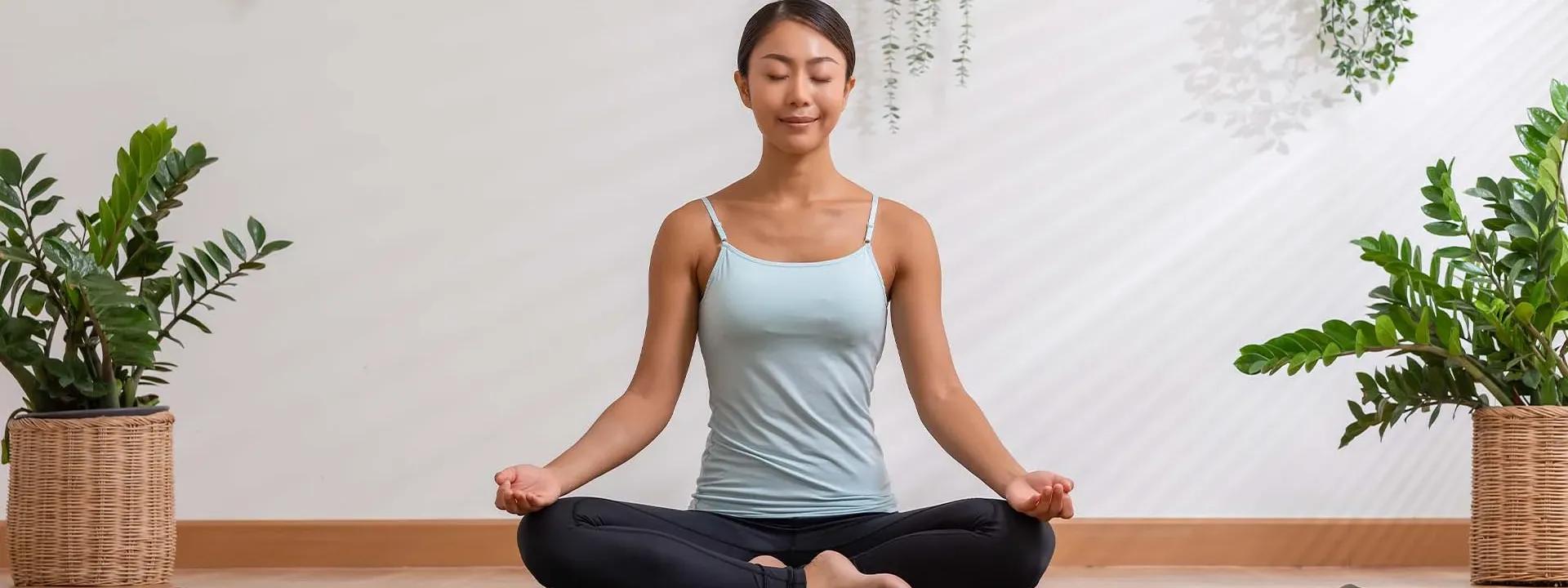
Kneel on your mat, touch your big toes together, and sit back on your heels. Open your knees hip-width apart and fold forward, extending your arms in front or resting them by your sides. This pose creates a cocoon-like feeling that instantly soothes anxiety.
Lie on your back near a wall and extend your legs up against it. This gentle inversion helps blood flow back to your heart and brain, naturally calming your entire system. Stay here for 5-15 minutes while focusing on slow, steady breathing.
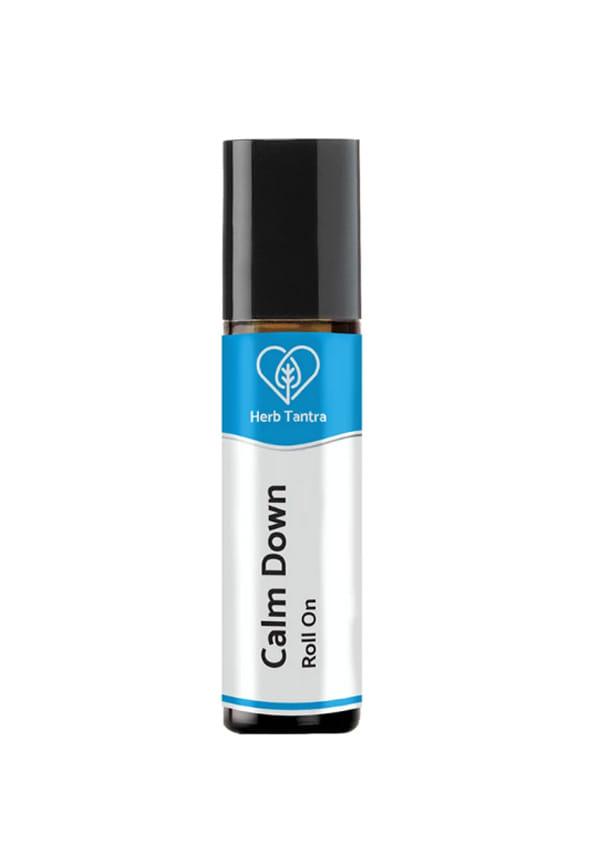
Calm Down Anxiety Relief Roll-On
Lie flat on your back with arms slightly away from your body, palms facing up. Place one hand on your chest, one on your belly, and focus on making the bottom hand rise more than the top. This weighted breathing technique enhances the relaxation response.
Start on hands and knees in tabletop position. Inhale, arch your back and look up (Cow). Exhale, round your spine and tuck your chin (Cat). This gentle movement releases tension stored in your spine and shoulders while coordinating breath with movement.
Don't have a yoga mat? No problem. Use pillows under your knees for Child's Pose, or practice Legs-Up-The-Wall on your bed. The key is adapting poses to your space and comfort level rather than forcing perfect form.
Breathing exercises for anxiety work by directly influencing your vagus nerve, which controls your body's relaxation response. When combined with mindful awareness, these techniques become powerful tools for both immediate relief and long-term emotional balance.
Place your tongue against the ridge behind your upper teeth. Exhale completely, then inhale through your nose for 4 counts. Hold your breath for 7 counts, then exhale through your mouth for 8 counts. Repeat 3-4 times maximum to avoid dizziness.
Lie down with a book or light weight on your belly. Breathe so that the object rises and falls with each breath. This trains proper diaphragmatic breathing, which naturally activates your relaxation response and reduces anxiety over time.
While practicing box breathing (4-4-4-4 pattern), add gentle arm movements. Raise your arms on the inhale, hold them up during the hold, lower on the exhale, and rest during the final hold. This combination enhances focus and effectiveness.
Try counting breaths backwards from 10 to 1, starting over if you lose count. This mindfulness technique keeps your mind occupied while naturally slowing your breathing pattern, creating space between you and anxious thoughts.
Consistency beats intensity when it comes to yoga for emotional balance. A daily practice, even just 10 minutes, builds resilience against stress and creates a foundation of calm that you can draw from during challenging moments.
Start with gentle neck rolls and shoulder shrugs in bed. Move to Cat-Cow poses, then Child's Pose, and finish with a few minutes of deep breathing. This sequence sets a calm tone for your entire day and helps prevent anxiety from building up.

Magnesium Melatonin - Restful Sleep, Reduced Stress, Anxiety
Wind down with Legs-Up-The-Wall pose, gentle spinal twists, and extended Savasana. Focus on releasing the day's tension and preparing your nervous system for restorative sleep. This routine helps break the cycle of nighttime anxiety.
Desk-based forward folds, seated spinal twists, and ankle circles can be done discreetly at work. Even 2-3 minutes of conscious breathing while sitting normally can shift your state from stressed to centered.
Start with just 5 minutes daily rather than attempting hour-long sessions sporadically. Link your practice to an existing habit, like having your morning coffee, to build consistency. Track your mood before and after practice to see the benefits clearly.
Understanding why yoga works for panic relief helps build confidence in the practice. Research consistently shows that regular yoga practice creates measurable changes in brain structure and stress hormone levels.
Yoga activates your parasympathetic nervous system through the vagus nerve, which runs from your brain to your abdomen. Specific poses and breathing patterns stimulate this nerve, sending "all clear" signals to your brain and reducing the fight-or-flight response.
Studies show that regular yoga practice reduces cortisol levels by up to 23% and increases GABA, a neurotransmitter that promotes calm. These biochemical changes explain why yoga practitioners often report feeling more resilient to stress over time.
Brain imaging studies reveal that yoga increases grey matter in areas associated with emotional regulation and decreases activity in the amygdala, your brain's alarm system. These changes become more pronounced with consistent practice.
While meditation and exercise also help anxiety, yoga uniquely combines physical movement, breathwork, and mindfulness. This triple approach addresses panic attacks from multiple angles simultaneously, often making it more effective than single-modality treatments.
While yoga is generally safe, certain considerations ensure you get maximum benefits while avoiding potential pitfalls. Understanding these guidelines helps you practice confidently and effectively.
Skip intense backbends, inversions, or heating poses during acute panic. These can increase heart rate and potentially worsen symptoms. Stick to grounding, forward-folding poses that naturally calm your nervous system instead.
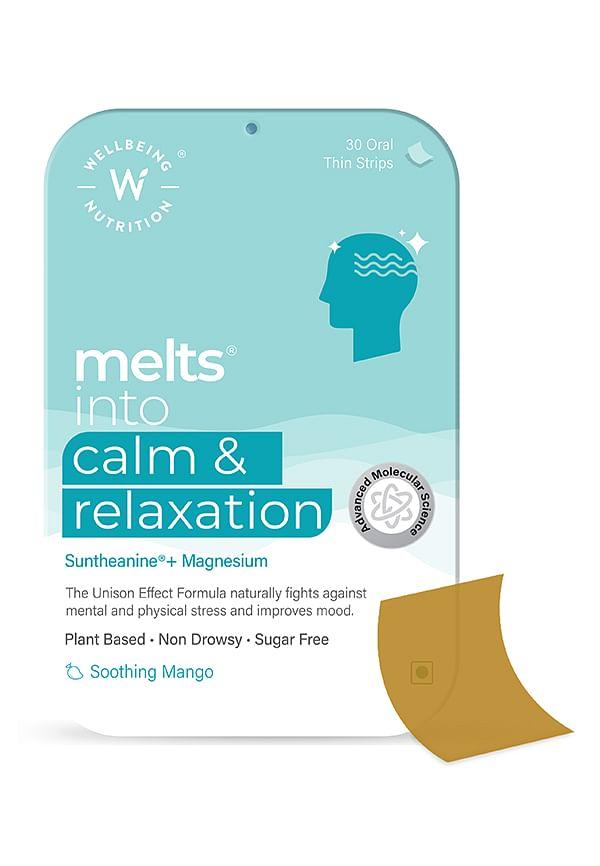
Melts Calm & Relaxation Plant Based Stress & Anxiety Reliever
If panic attacks occur frequently, interfere with daily life, or don't respond to self-care techniques, professional help is important. Yoga works brilliantly as a complement to therapy or medication, not necessarily as a replacement.
Gentle yoga for nervousness doesn't require flexibility or strength. Focus on breath awareness and simple movements rather than perfect poses. Chair yoga and wall-supported poses work just as effectively as traditional mat practice.
Designate a quiet corner with minimal distractions. Keep props like pillows, blankets, or blocks nearby for comfort and support. Having a consistent space signals to your brain that this is your sanctuary for calm.
Yoga for panic attack relief combines the best of both worlds—gentle movement and breathwork. While any exercise can help anxiety, yoga specifically targets the nervous system through poses like Child's Pose and breathing techniques like 4-7-8 breathing, making it particularly effective for immediate panic relief.
While "cure" isn't the right word, yoga significantly reduces panic attack frequency and intensity. Daily practice of calming yoga poses, breathing exercises for anxiety, and mindfulness techniques builds long-term resilience. Most people see improvements within 2-4 weeks of consistent practice.
Yoga is a powerful complement to professional treatment but shouldn't replace prescribed medication without medical supervision. Many people find that regular yoga practice allows them to reduce medication dosages over time, but this should always be done with healthcare provider guidance.
Daily practice, even just 10-15 minutes, provides the best results for anxiety relief yoga. During acute stress periods, you might practice twice daily—morning sequences for prevention and evening relaxation techniques for better sleep and recovery.
Move into Child's Pose immediately and focus on your breathing. Most yoga instructors understand anxiety and can guide you through calming techniques. Consider starting with home practice or gentle classes specifically designed for stress relief until you build confidence.
Absolutely! Gentle yoga for nervousness requires no prior experience. Start with simple breathing exercises and basic poses like Child's Pose or Legs-Up-The-Wall. Many wellness products available on Smytten, such as aromatherapy oils or relaxation aids, can enhance your beginner practice and create a more soothing environment.
Yoga for panic attack relief works by directly influencing your nervous system through targeted poses, breathing exercises, and mindfulness practices. The most effective approach combines emergency techniques for immediate relief with daily routines that build long-term resilience. Start with simple practices like 4-7-8 breathing and Child's Pose, then gradually build a consistent routine that fits your lifestyle. Remember that yoga complements professional treatment rather than replacing it, and consistency matters more than perfection. Whether you're dealing with occasional stress or frequent panic episodes, these evidence-based techniques can significantly improve your quality of life and emotional well-being.
Building a sustainable yoga practice for anxiety relief is a journey worth taking, and having the right support makes all the difference. Smytten is India's largest product discovery and trial platform, connecting you with top wellness brands that can enhance your relaxation routine. From aromatherapy essentials to stress-relief products, you can explore trial packs from over 1,500 trusted brands without the commitment of full-size purchases. With 100% cashback on trials and authentic brand-verified minis available across 27,000+ pincodes, discovering what works for your unique wellness needs has never been easier. Whether you're looking for calming essential oils, meditation aids, or other wellness products to complement your yoga practice, Smytten's curated collection helps you make confident choices. After all, when it comes to your mental wellness journey, why settle for 'maybe' when you can #TryItAll!
