Yoga Benefits for Mind FAQ: Your Questions Answered



Blissful Bhringraj Head Massage Hair Oil | Essential Ayurvedic Herb Enriched Hair Oils for Headache Relaxation & Stress | Natural Hair Growth & Shine
Ever wondered why everyone's raving about yoga's mental benefits? You're not alone. While most people know yoga can help you touch your toes, the real magic happens in your mind. From reducing anxiety to boosting focus, yoga benefits for mind go way beyond what you might expect. Whether you're dealing with stress, overthinking, or just want better mental clarity, yoga might be the game-changer you've been looking for. Let's dive into the most common questions about how yoga transforms your mental wellbeing, backed by science and real-world results. Plus, if you're curious about wellness products that complement your yoga journey, platforms like Smytten make it easy to discover what works for your unique needs.
TL;DR
Yoga literally rewires your brain, increasing grey matter and reducing stress hormones like cortisol
Regular practice can significantly reduce anxiety, improve focus, and boost mood through neurotransmitter regulation
Specific yoga styles and poses target different mental health goals - from calming anxiety to enhancing concentration
You can start seeing mental benefits within 2-4 weeks, with major brain changes happening after 12 weeks
Yoga works as both a standalone practice and powerful complement to traditional mental health approaches
Let's get real about what's happening in your brain when you roll out that yoga mat. The science behind mental health yoga is pretty mind-blowing, and it's not just about feeling zen for an hour.
Your brain literally changes structure when you practice yoga regularly. Research shows increased grey matter density in areas like the hippocampus (hello, better memory!) and prefrontal cortex (your decision-making headquarters). This isn't just feel-good fluff - it's measurable neuroplasticity in action.
Here's what's happening on a biological level:
Nervous system reset: Yoga activates your parasympathetic nervous system, switching you from fight-or-flight to rest-and-digest mode
Hormone rebalancing: Cortisol (stress hormone) drops while serotonin and dopamine (happy chemicals) increase
Brain connectivity boost: Enhanced communication between different brain regions improves emotional regulation
Blood flow enhancement: Better circulation to the brain means improved cognitive function
The yoga for emotional well-being connection isn't just about stretching - it's about creating lasting changes in how your brain processes stress, emotions, and thoughts.
Ready for some research-backed reasons to love yoga? These benefits aren't just anecdotal - they're backed by solid science that'll make you want to grab your mat right now.
Anxiety reduction yoga works by regulating GABA, your brain's primary calming neurotransmitter. Studies show yoga can be as effective as some medications for anxiety disorders, without the side effects.
Your attention span and processing speed get a serious upgrade. One study found that just 20 minutes of yoga improved cognitive performance better than aerobic exercise.
Yoga for stress relief works by optimising neurotransmitters like serotonin and dopamine. It's like giving your brain's chemistry lab a complete tune-up.

Ashwagandha Tablets | Elevates Strength, Stress Relief & Boosts Immunity
The hippocampus strengthening that happens with regular practice means better memory formation and recall. Perfect for those work presentations or study sessions.
Mental clarity yoga helps you develop interoception - awareness of your internal bodily signals. This translates to better emotional self-awareness and regulation in daily life.
Not all yoga is created equal when it comes to mental benefits. Different practices target specific aspects of mental health, so knowing what works for your goals is key.
Breath regulation techniques like alternate nostril breathing and box breathing directly impact your nervous system. These mindfulness and yoga combinations are perfect for immediate stress relief.
Combining movement with meditation amplifies mental benefits. Even five minutes of mindful breathing during practice can significantly boost focus.
Specific asanas work wonders for different mental states:
Child's Pose: Activates the parasympathetic nervous system
Forward folds: Naturally calming and introspective
Inversions: Boost blood flow to the brain
Twists: Release physical and mental tension
Morning yoga for focus sets your mental tone for the day, while evening practice helps process stress and prepare for quality sleep. Research suggests 20-30 minutes daily is the sweet spot for mental benefits.
If your mind feels like a browser with 47 tabs open, yoga might be your mental decluttering tool. The connection between yoga for mood improvement and thought regulation is fascinating.
Yoga breaks the overthinking cycle by engaging your body-mind connection. When you focus on physical sensations, breath, and movement, your brain literally doesn't have the bandwidth for mental chatter. It's like giving your overthinking mind a much-needed break.
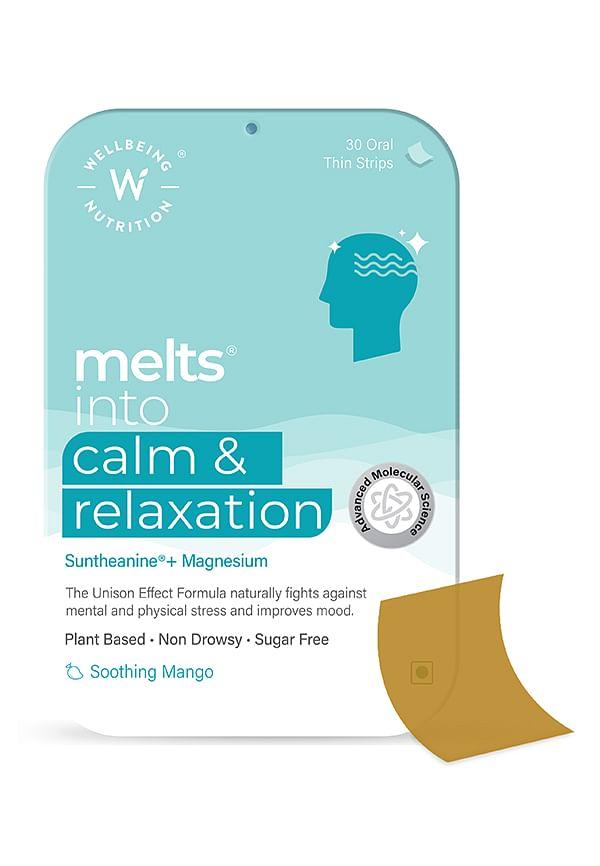
Melts Calm & Relaxation Plant Based Stress & Anxiety Reliever
Here's how it works:
Present moment awareness: Yoga anchors you in the now, interrupting worry loops
Somatic regulation: Physical movement helps process stuck emotions and thoughts
Breath focus: Controlled breathing activates the vagus nerve, promoting calm
Mindful movement: Coordinating breath and movement requires full attention
Most people notice reduced mental chatter within 2-3 weeks of consistent practice. The inner peace yoga cultivates isn't just during practice - it carries into daily life, helping you respond rather than react to stressful situations.
The 12-week mark is where yoga gets really interesting from a neuroscience perspective. This is when the most significant brain changes become measurable and lasting.
Neuroimaging studies reveal some pretty incredible transformations. After three months of regular mental health yoga practice, brain scans show increased grey matter in areas associated with learning, memory, and emotional regulation. The amygdala (your brain's alarm system) actually shrinks, making you less reactive to stress.
Timeline of changes:
Weeks 1-2: Initial stress hormone regulation and improved sleep
Weeks 3-6: Enhanced mood stability and reduced anxiety symptoms
Weeks 7-12: Structural brain changes and improved cognitive function
Beyond 12 weeks: Long-term neuroprotective effects and sustained mental resilience
GABA levels increase by up to 27% after 12 weeks, directly correlating with improved mood and reduced anxiety. Your brain becomes more efficient at processing emotions and stress, creating lasting changes in how you experience daily challenges.
How does yoga stack up against other mental health strategies? The answer might surprise you - it's not about choosing sides, but about understanding how yoga complements other approaches.
Mental health yoga works as a bottom-up intervention, meaning it starts with the body to influence the mind. Traditional therapy often works top-down, addressing thoughts to change feelings. When combined, they create a powerful synergy for mental wellness.
Comparative benefits:
Cost-effectiveness: Once learned, yoga is free and accessible anywhere
No side effects: Unlike medications, yoga only has positive side effects
Holistic approach: Addresses physical, mental, and emotional aspects simultaneously
Immediate and long-term benefits: Feel better during practice and build lasting resilience
Research shows yoga can be as effective as cognitive behavioural therapy for certain anxiety disorders, and when combined with traditional treatments, outcomes improve significantly.

Ashwagandha Tablets,Reduce Stress & Support Sleep Cycle
Yoga benefits for mind work through multiple pathways: regulating your nervous system, balancing stress hormones, and literally changing brain structure. It activates the parasympathetic nervous system, reduces cortisol, and increases GABA production. Plus, the mindful movement creates new neural pathways that support emotional regulation and mental clarity.
Different styles serve different mental health goals. Hatha yoga is perfect for beginners and stress relief, while Vinyasa builds focus through flowing sequences. Yin yoga targets deep relaxation and anxiety reduction, and Restorative yoga is ideal for nervous system reset. The best style is the one you'll actually practice consistently.
After 12 weeks, neuroimaging shows increased grey matter in the hippocampus and prefrontal cortex, reduced amygdala reactivity, and improved connectivity between brain regions. GABA levels increase significantly, cortisol decreases, and your brain becomes more efficient at emotional regulation and stress processing.
Yes, yoga interrupts overthinking patterns by engaging your body-mind connection. When you focus on breath, movement, and physical sensations, your brain doesn't have the capacity for mental chatter. Regular practice builds this skill, helping you break free from worry loops even off the mat.
Many people notice immediate stress relief after their first session. Mood improvements typically appear within 2-4 weeks of regular practice. Significant anxiety reduction and cognitive benefits usually develop around 6-8 weeks, with major brain structure changes measurable after 12 weeks.
Yoga and meditation work beautifully together rather than competing. Yoga includes meditation in movement, making it more accessible for people who struggle with sitting still. The physical component of yoga provides additional benefits like improved body awareness and stress hormone regulation that pure meditation might not offer.
Absolutely, and research strongly supports yoga for anxiety and depression management. Start gently with restorative or beginner-friendly classes. Many people find yoga complements their existing treatment beautifully. Always consult your healthcare provider about integrating yoga into your mental health care plan, especially if you're on medication.
The science is clear: yoga benefits for mind are real, measurable, and lasting. Whether you're dealing with stress, anxiety, or just want better mental clarity, yoga offers a natural, accessible path to better mental health. The beauty lies in its simplicity - you don't need expensive equipment or complicated techniques to start seeing benefits.
Remember, consistency trumps intensity. A gentle 15-minute daily practice will serve you better than sporadic hour-long sessions. Start where you are, be patient with the process, and trust that your brain is literally rewiring itself for better mental health with each practice.
The mental health benefits extend far beyond the mat, creating ripple effects in how you handle daily stress, relate to others, and navigate life's challenges. Your future self will thank you for starting today.
Your wellness journey is unique, and finding the right tools to support your mental health might take some exploration. Just like yoga practice itself, discovering what works best for your mind and body is a process worth embracing. Smytten understands this journey of discovery, offering curated trial packs from trusted wellness brands that let you explore products before committing to full sizes. With over 25 million users discovering their perfect wellness matches through authentic brand-verified minis, you can try before you buy and find what truly supports your mental wellness goals. After all, why settle for 'maybe' when you can explore, discover, and find exactly what your mind and body need to thrive?
