What Yoga Reduces Stress? Your Complete Guide

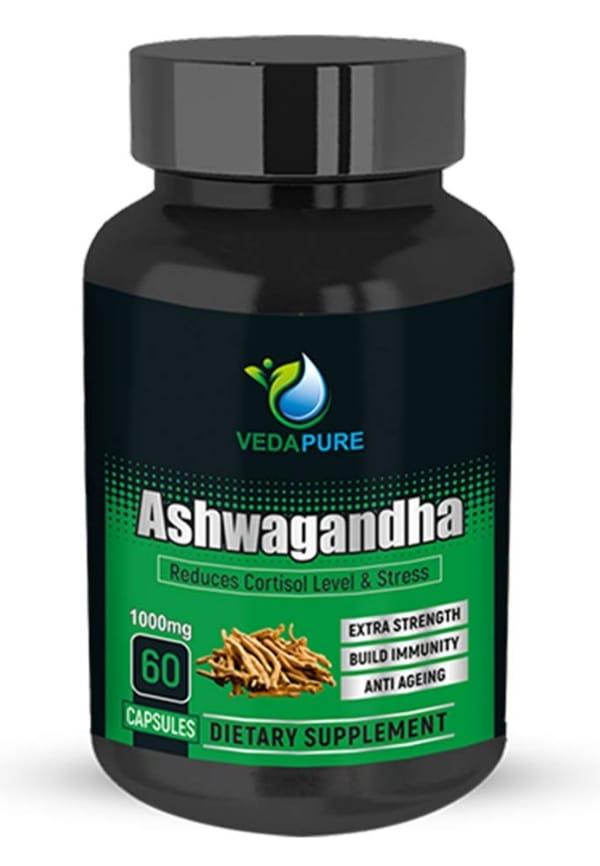
Ashwagandha Anxiety & Stress Relief
Feeling like stress is running the show in your life? You're definitely not alone. Between work deadlines, family responsibilities, and the constant buzz of notifications, finding moments of calm can feel impossible. But here's the thing—yoga might just be your secret weapon against stress. Not the intimidating, pretzel-like poses you see on social media, but gentle, accessible practices that actually work. Whether you're dealing with everyday tension or full-blown anxiety, certain types of yoga can help regulate your nervous system and bring back that sense of balance. Let's explore what yoga reduces stress most effectively, so you can find your perfect match for inner peace. Plus, with platforms like Smytten offering wellness products to support your journey, creating a holistic stress-relief routine has never been easier.
Gentle yoga styles like restorative, yin, and hatha yoga are most effective for stress reduction
Specific poses like Child's Pose, Legs-Up-the-Wall, and Corpse Pose activate your body's relaxation response
Breathing techniques (pranayama) combined with mindfulness amplify yoga's stress-busting benefits
Even 10-15 minutes of daily practice can significantly reduce cortisol levels and anxiety
The key is consistency and finding a style that feels right for your current stress level
Let's get real about what happens in your body when stress hits. Your sympathetic nervous system kicks into overdrive, flooding you with cortisol and adrenaline—basically putting you in fight-or-flight mode. Yoga works by activating the opposite: your parasympathetic nervous system, which is all about rest and digest.
When you practice yoga for nervous system regulation, you're essentially teaching your body how to chill out. The combination of controlled movement, deep breathing, and mindful awareness sends signals to your brain that it's safe to relax. Research shows that regular yoga practice can reduce cortisol levels by up to 23% and significantly lower anxiety symptoms.
Studies consistently show that yoga for mental well-being isn't just feel-good fluff—it's backed by solid science. A 2018 study found that people who practiced yoga three times a week for eight weeks showed measurable improvements in stress levels, sleep quality, and overall mood. The magic happens because yoga increases GABA (gamma-aminobutyric acid) production in your brain, which is your body's natural anxiety reducer.
Unlike other stress management methods that focus on just one aspect, yoga tackles stress from multiple angles. You're getting physical movement, breath regulation, mindfulness, and meditation all rolled into one practice. This holistic approach is why many people find yoga more effective than isolated techniques like just meditation or just exercise.
Not all yoga is created equal when it comes to stress relief. Some styles are energising and intense, whilst others are specifically designed to calm your nervous system. Here's your guide to finding the best yoga for stress management based on what your mind and body need right now.
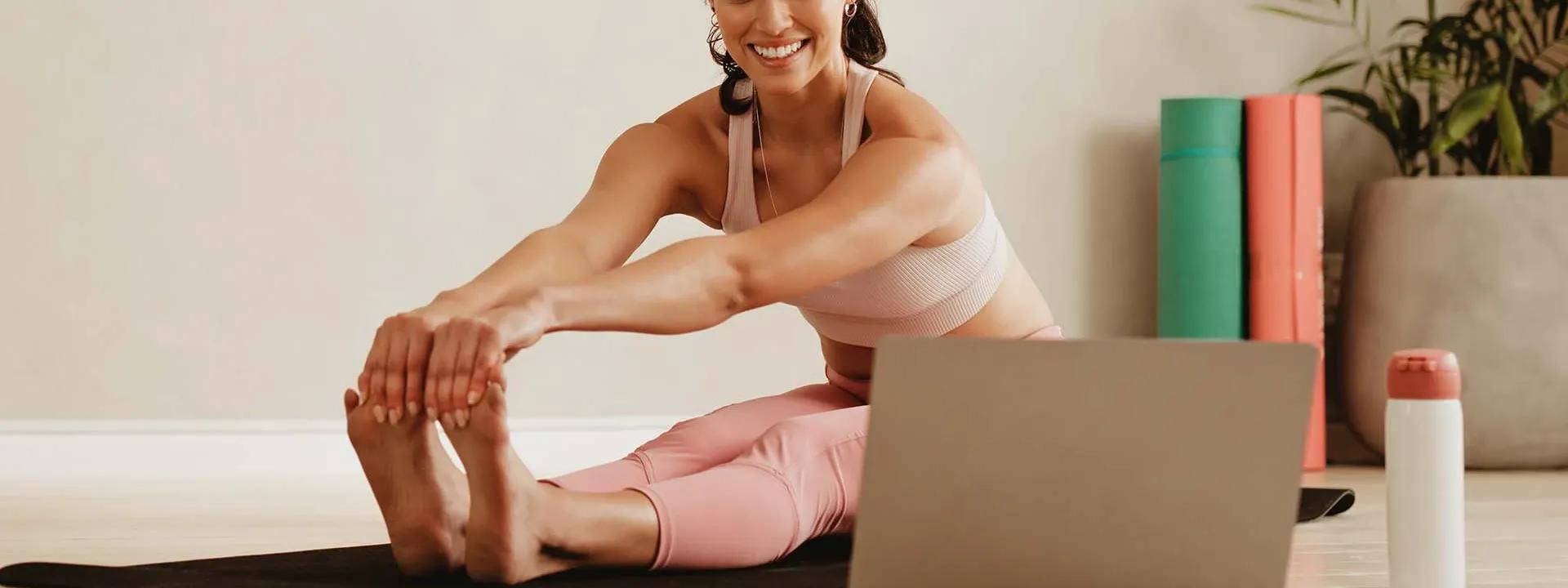
If you're new to yoga or feeling particularly overwhelmed, gentle yoga for relaxation is your best starting point. These classes focus on slow, supported movements and longer holds in comfortable positions. Think of it as yoga's equivalent of a warm hug—nurturing, safe, and accessible to everyone regardless of flexibility or experience.
Restorative yoga benefits include profound relaxation through passive poses supported by props like bolsters, blankets, and blocks. You'll hold poses for 5-20 minutes, allowing your body to completely surrender. This style is particularly effective for chronic stress, burnout, and anxiety because it gives your nervous system permission to fully reset.
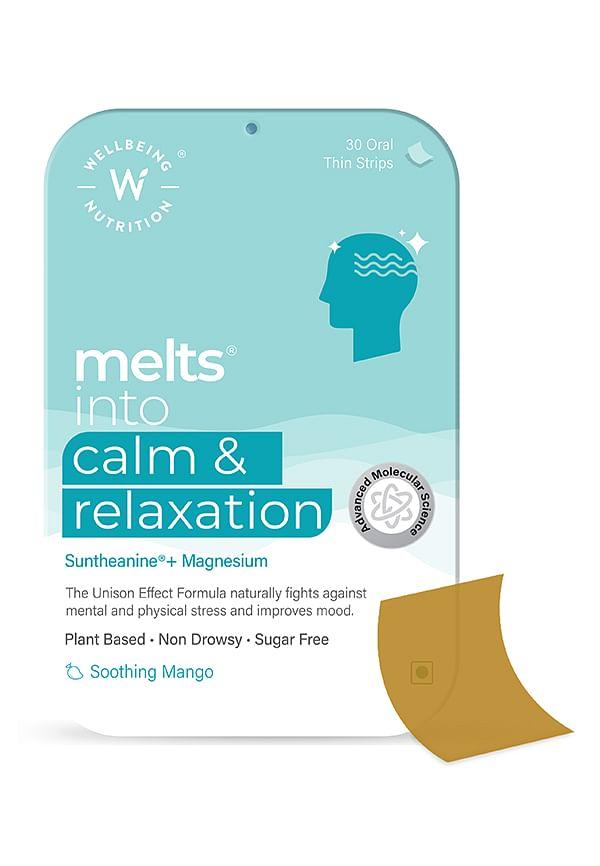
Melts Calm & Relaxation Plant Based Stress & Anxiety Reliever
Hatha yoga involves holding poses for several breaths, making it perfect for anxious minds that need grounding. The slower pace allows you to focus on alignment and breath, creating a moving meditation that calms racing thoughts. It's structured enough to keep your mind occupied but gentle enough to avoid overwhelming your system.
Yin yoga involves holding passive poses for 3-7 minutes, targeting deep connective tissues and allowing emotional tension to release. This practice teaches patience and acceptance—two qualities that are incredibly helpful for managing stress in daily life.
When stress hits hard, having a toolkit of go-to stress-reducing yoga poses can be a game-changer. These poses are specifically chosen for their ability to activate your relaxation response quickly and effectively.
Child's Pose is like hitting the reset button on your nervous system. Kneel on your mat, touch your big toes together, and sit back on your heels. Fold forward, extending your arms in front of you or alongside your body. This pose naturally slows your heart rate and creates a sense of safety and introspection.
Start on hands and knees, then alternate between arching your back (cow) and rounding it (cat). This gentle spinal movement releases tension held in your back and neck whilst coordinating breath with movement—a key component of calming yoga practices.
Lie on your back near a wall and extend your legs up against it. This inversion encourages blood flow back to your heart and brain, naturally calming your nervous system. It's particularly effective for anxiety and insomnia.
Standing or seated forward folds create introspection and naturally calm an overactive mind. The inward focus helps shift attention away from external stressors and towards internal awareness.
Lying on your back, bend your knees and lift your hips. Bridge pose opens the chest area where we often hold emotional tension, whilst the gentle backbend can help shift your mood from anxious to more optimistic.
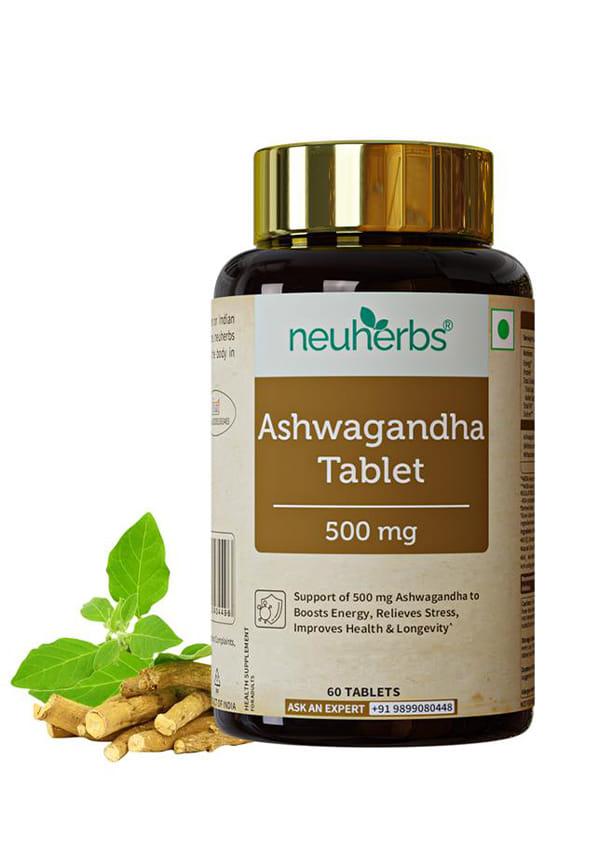
Ashwagandha Tablets,Reduce Stress & Support Sleep Cycle
Don't underestimate the power of simply lying still. Savasana teaches your body and mind how to completely let go, making it one of the most important poses for stress relief.
The breath is your most powerful tool for immediate anxiety relief. When you combine mindfulness and yoga for stress, you're creating a practice that addresses both the physical and mental aspects of anxiety.
Pranayama, or breath control, can stop a panic attack in its tracks. The 4-7-8 technique is particularly effective: inhale for 4 counts, hold for 7, exhale for 8. This pattern naturally slows your heart rate and activates your relaxation response.
Box breathing involves equal counts for inhaling, holding, exhaling, and holding empty. Start with 4 counts for each phase and gradually increase. This technique is perfect for workplace stress or any time you need to centre yourself quickly.
Combining mindfulness with physical poses amplifies the stress-relief benefits. Focus on sensations in your body, the rhythm of your breath, or the feeling of your feet on the ground. This present-moment awareness interrupts the cycle of anxious thoughts.
The best yoga practice is one you'll actually do consistently. Building sustainable calming yoga practices means starting small and gradually expanding as the habit becomes natural.
Start your day with 2-3 gentle poses and 5 minutes of breathing exercises. This sets a calm tone for the entire day and builds resilience for whatever stress comes your way. Consider poses like Cat-Cow, Child's Pose, and a seated forward fold.
Create a bedtime routine with restorative poses like Legs-Up-the-Wall, gentle twists, and extended Savasana. This signals to your body that it's time to transition from the day's activities to rest and recovery.
Desk-friendly poses can be lifesavers during stressful workdays. Seated spinal twists, neck rolls, and breathing exercises can all be done in office clothes without drawing attention. Even 2-3 minutes can shift your entire energy.
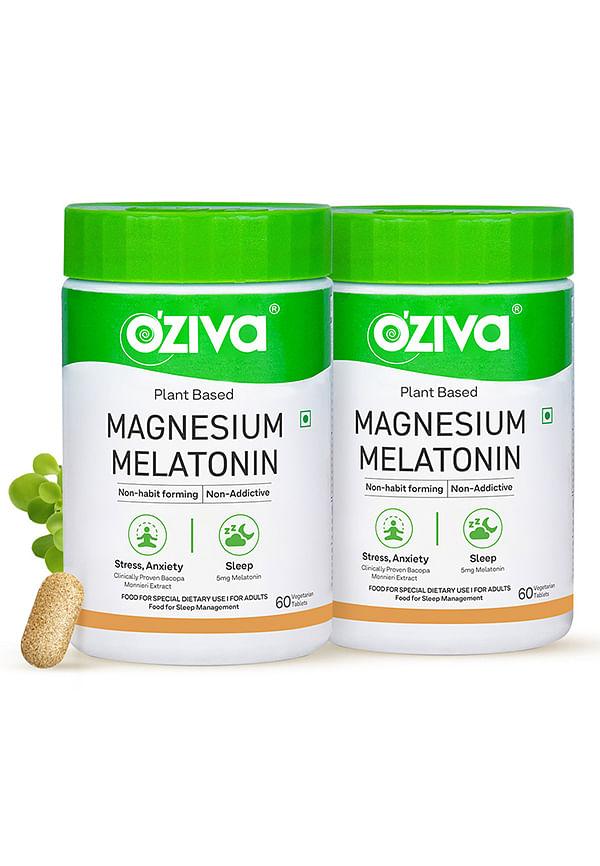
Magnesium Melatonin - Restful Sleep, Reduced Stress, Anxiety
Start with just 5-10 minutes daily rather than attempting hour-long sessions. Consistency trumps duration when it comes to stress relief. Set realistic goals and celebrate small wins to build momentum.
Restorative yoga, gentle hatha, and yin yoga are the most effective styles for stress reduction. These practices focus on slow movements, longer holds, and deep relaxation rather than challenging poses or intense flows. The key is choosing a style that feels nurturing rather than demanding.
You can feel immediate stress relief from just one yoga session, particularly through breathing exercises and relaxation poses. However, lasting changes in stress resilience typically develop after 4-6 weeks of regular practice. Even 10-15 minutes daily can create noticeable improvements in how you handle stress.
Yes, specific breathing techniques like 4-7-8 breathing and grounding poses like Child's Pose can help manage panic attacks. However, yoga should complement, not replace, professional mental health treatment for severe anxiety disorders. Many people find that regular practice reduces the frequency and intensity of panic episodes.
Whilst regular exercise releases endorphins and reduces stress hormones, yoga specifically targets the nervous system through breath control and mindfulness. This makes yoga particularly effective for anxiety and mental stress, whilst also providing physical benefits. The mindful component of yoga creates lasting changes in how you respond to stress.
Start with online videos or apps that offer beginner-friendly sequences. Focus on gentle styles and don't worry about perfect alignment—the stress-relief benefits come from mindful movement and breathing. Create a quiet space, even if it's just a corner of your bedroom, and commit to showing up consistently. You can explore wellness products on Smytten to enhance your home practice with aromatherapy or relaxation aids.
Both are effective, but yoga combines physical movement with meditation, making it easier for people who struggle to sit still. The movement helps release physical tension whilst the mindful aspect calms mental chatter. Many find yoga more accessible as a starting point, then naturally develop a separate meditation practice.
The most effective yoga for stress reduction focuses on gentle movements, deep breathing, and mindful awareness rather than challenging poses or intense flows. Restorative yoga, gentle hatha, and yin styles are particularly powerful for calming your nervous system and building long-term resilience to stress. Remember that consistency matters more than perfection—even 10 minutes of daily practice can create significant improvements in how you handle life's challenges. The key is finding a style that feels supportive rather than demanding, and building a routine that fits realistically into your lifestyle.
Your journey to stress-free living doesn't have to be complicated or overwhelming. Start where you are, with what you have, and trust that small, consistent steps will lead to meaningful change. Whether you're exploring breathing techniques, gentle poses, or restorative practices, the goal is finding what works for your unique needs and lifestyle. Smytten's extensive collection of wellness products can support your stress-relief journey, offering everything from aromatherapy essentials to relaxation aids that complement your yoga practice. With trial packs available across 1,500+ trusted brands, you can discover what enhances your personal wellness routine without the commitment of full-size purchases. After all, why settle for stress when you can try different approaches to find what truly brings you peace? Your path to inner calm is just a breath away.
