What Supplements to Take Before Running: Your FAQ


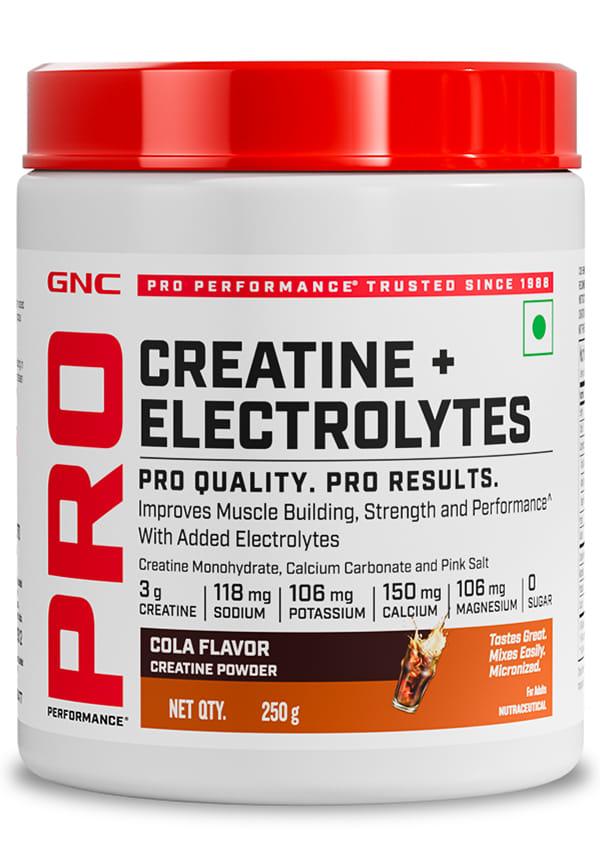
Pro Performance Creatine+ Electrolytes, Cola
Whether you're training for your first 5K or prepping for a marathon, the right pre-run nutrition can make or break your performance. Let's be real—we've all been there, wondering what supplements to take before running to avoid hitting that dreaded wall or dealing with stomach issues mid-stride. The world of running supplements can feel overwhelming, with endless options promising to boost your energy, improve endurance, and help you crush your personal bests. From caffeine to electrolytes, beta-alanine to simple carbs, finding your perfect pre-run fuel mix is like discovering your running rhythm—it takes some trial and error. That's where platforms like Smytten come in handy, letting you test different wellness products before committing to full-size purchases, so you can find what actually works for your body without the guesswork.
TL;DR
Caffeine (3-6mg per kg body weight) taken 30-60 minutes before running is the most effective single supplement for performance
Fast-digesting carbs are essential for runs longer than 60 minutes to maintain blood glucose levels
Electrolytes become crucial for hot conditions and longer distances to prevent cramping and dehydration
Beta-alanine and creatine can boost endurance and power but require consistent use for effectiveness
Timing is everything—most supplements work best when taken 30-60 minutes before your run
When it comes to pre-run nutrition, not all supplements are created equal. Some can genuinely transform your running experience, while others might just empty your wallet. The key is understanding which supplements actually deliver measurable benefits and how to use them properly.
Caffeine is hands down the most researched and effective supplement for running performance. It works by blocking adenosine receptors in your brain, reducing your perception of effort and keeping you alert when fatigue starts creeping in.
The sweet spot for dosage is 3-6mg per kilogram of body weight, taken 30-60 minutes before your run. For a 70kg runner, that's roughly 210-420mg—about 2-4 cups of coffee. But here's the thing: if you're already a regular coffee drinker, you might need slightly more to feel the same effects due to tolerance.
Not everyone handles caffeine well, especially before running. Some people experience jitters, stomach upset, or anxiety. If that sounds like you, try starting with a lower dose or switching to green tea, which provides a gentler caffeine release along with L-theanine for smoother energy.
Your muscles run on glucose, and when you're pushing through longer runs (anything over 60 minutes), your glycogen stores start running low. This is where fast-digesting carbs become your best friend.
Sports gels, chews, and drinks are designed to hit your bloodstream quickly without causing digestive drama. Look for products containing glucose, sucrose, or maltodextrin—these are absorbed faster than fructose and less likely to cause stomach issues during your run.
Timing matters here too. Take 15-30g of carbs about 15-30 minutes before your run, then continue fueling every 45-60 minutes during longer efforts. Your body can only absorb about 60g of carbs per hour, so don't overdo it.
Sweating doesn't just mean losing water—you're also losing essential minerals like sodium, potassium, and magnesium. These electrolytes help maintain proper muscle function and prevent those painful cramps that can derail your run.
For runs under an hour in moderate conditions, plain water is usually fine. But if you're running longer, in hot weather, or you're a heavy sweater, electrolyte replacement becomes crucial. Look for products with 200-300mg of sodium per serving, along with potassium and magnesium.
Natural options like coconut water can work, but they're often lower in sodium than what you actually need for running. Commercial sports drinks or electrolyte tablets tend to have better mineral ratios for athletic performance.
Once you've nailed the basics, there are some advanced supplements that can give you an extra edge. These aren't essential for every runner, but they can make a noticeable difference for those looking to optimise their performance.
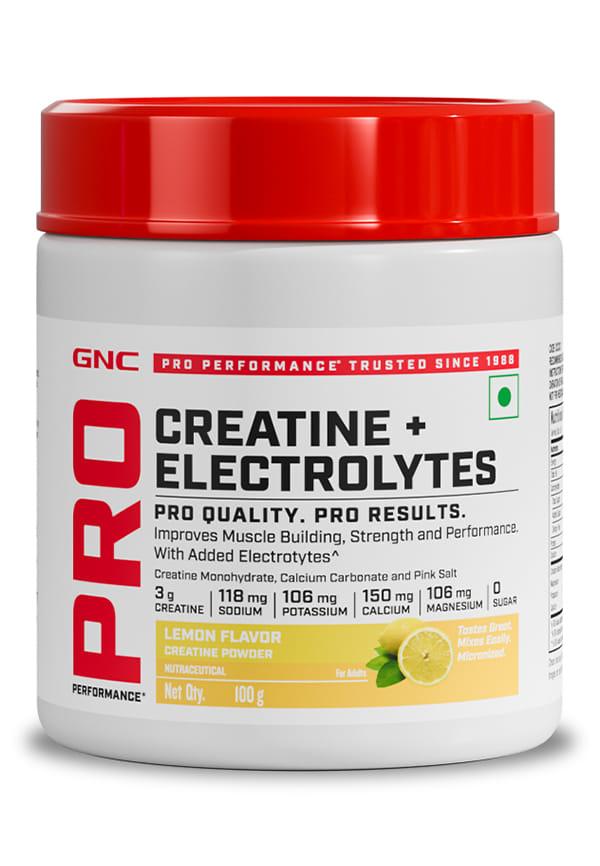
Pro Performance Creatine+ Electrolytes, Lemon
Beta-alanine is an amino acid that helps buffer lactic acid in your muscles, potentially delaying that burning sensation during high-intensity efforts. It's particularly useful for runners who do a lot of tempo work or interval training.
The catch? Beta-alanine needs to be taken consistently for 2-4 weeks before you'll notice benefits. The standard dose is 3-5g daily, split into smaller doses to avoid the harmless but annoying tingling sensation it can cause.
Some people love the performance boost, while others don't notice much difference. It's definitely worth trying if you're serious about improving your speed work, but don't expect overnight results.
Creatine isn't just for bodybuilders—it can benefit runners too, especially those who incorporate sprint intervals or hill training into their routine. It helps regenerate ATP (your muscles' immediate energy source) during short, high-intensity efforts.
You can either do a loading phase (20g daily for 5 days, then 3-5g daily) or just take 3-5g daily from the start. The loading phase gets you results faster, but both approaches work equally well long-term.
One important note: creatine draws water into your muscles, so you'll need to stay extra hydrated. Some runners also notice a slight weight gain from increased water retention, which is completely normal.
Branched-chain amino acids (BCAAs) and glutamine are often marketed for preventing muscle breakdown during long runs. The science here is mixed—if you're eating adequate protein throughout the day, you probably don't need these supplements.
Where they might be useful is during fasted morning runs or ultra-distance events where you're running for several hours. In these situations, 10-15g of BCAAs before your run could help preserve muscle mass.
Honestly, you're probably better off investing in quality whole foods and saving your money, unless you're doing extreme endurance events or training in a fasted state regularly.
Getting the timing right is just as important as choosing the right supplements. Take them too early and the effects might wear off mid-run. Take them too late and you might deal with digestive issues or not feel the benefits at all.
Most supplements hit their peak effectiveness 30-60 minutes after consumption. This gives your body time to absorb and distribute the nutrients without causing digestive upset during your run.
Caffeine typically peaks at 30-45 minutes, while carbs start working within 15-30 minutes. Electrolytes work immediately but are more about maintaining balance throughout your run rather than providing an instant boost.
Everyone's digestion works differently, so you might need to adjust these timings based on your own experience. Some runners can take supplements 15 minutes before running with no issues, while others need a full hour.
Supplements shouldn't replace real food—they should complement a solid pre-run nutrition strategy. A banana with a bit of honey can provide the same carbs as a sports gel, often at a fraction of the cost.
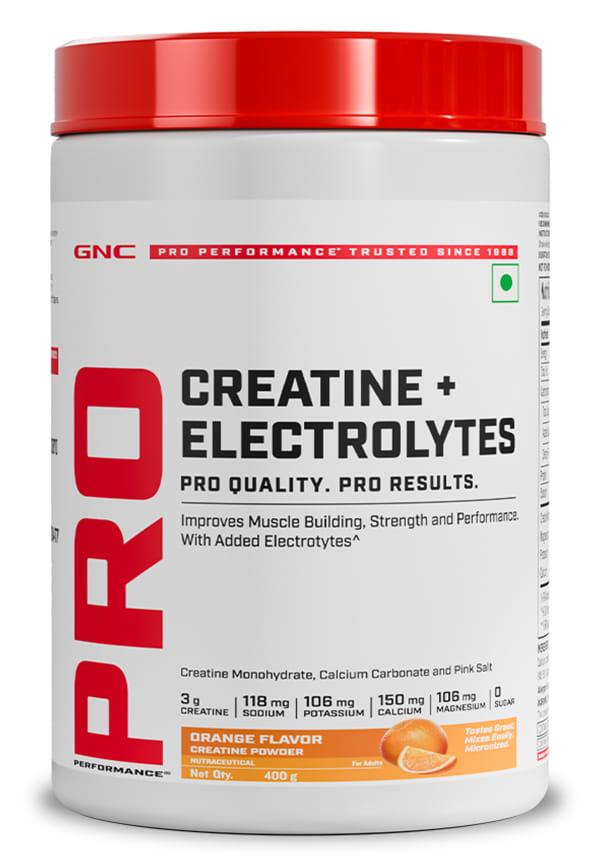
Pro Performance Creatine+ Electrolytes, Orange
The advantage of supplements is convenience and precise dosing. You know exactly how much caffeine or carbs you're getting, and they're designed to be easy on your stomach during exercise.
For budget-conscious runners, focus on getting your carbs from whole foods like dates, bananas, or oatmeal, and save supplement money for caffeine and electrolytes where the convenience factor really matters.
Just as important as knowing what to take is understanding what to avoid. Some supplements and foods can actually hurt your running performance or cause uncomfortable side effects.
High doses of vasodilators like L-arginine or citrulline might sound good in theory (better blood flow, right?), but they can actually make you feel lightheaded during intense exercise. Save these for post-run recovery.
Sugar alcohols found in some energy products can cause digestive issues, especially during running when blood flow is diverted away from your gut. Stick to regular sugars for pre-run fuel.
Heavy proteins and high-fibre foods take too much energy to digest and can cause stomach discomfort. Keep these for post-run recovery meals instead.
Taking too much of anything is a common mistake. More isn't always better—excess caffeine can cause anxiety and stomach upset, while too many carbs can lead to digestive issues.
Another mistake is trying new supplements on race day or important training runs. Your gut needs time to adapt to new products, so always test things during easy runs first.
Mixing multiple stimulants can also backfire. If you're taking caffeine, you probably don't need additional stimulants that might make you jittery or affect your heart rate.
Creating your perfect pre-run routine is a personal journey. What works for your running buddy might not work for you, and that's completely normal. The key is systematic testing and paying attention to how your body responds.
Start with one supplement at a time so you can isolate what's actually helping. Begin with caffeine since it has the strongest research backing, then gradually add other supplements based on your specific needs and goals.
Keep a simple log of what you take, when you take it, and how your run feels. Look for patterns over several weeks rather than judging based on single runs—too many variables can affect performance day to day.
Never experiment with new supplements during important races or key training sessions. Stick to what you know works, and save testing for easy training days when a bad reaction won't derail your goals.
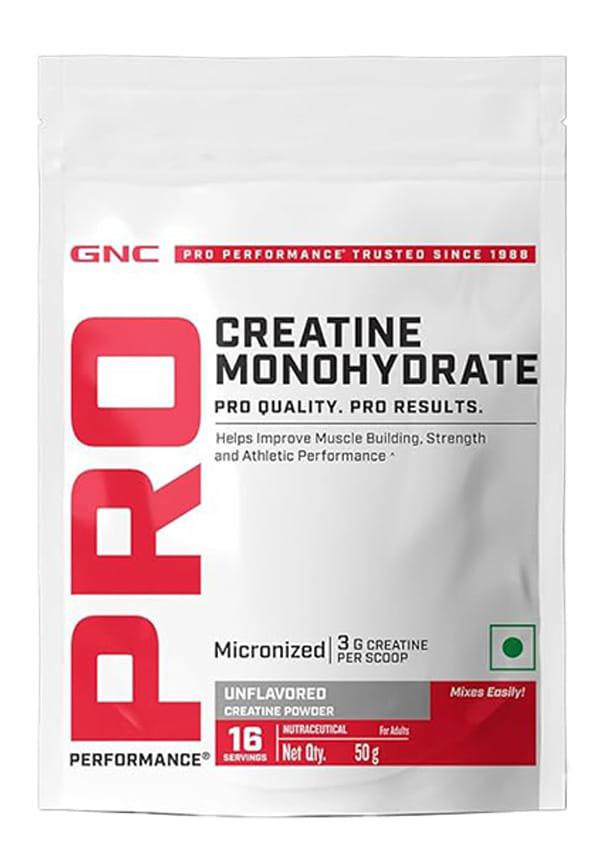
Pro Performance Creatine Monohydrate Unflavoured
If you're just starting out or working with a tight budget, prioritise caffeine and electrolytes. These give you the biggest bang for your buck and have the strongest scientific support.
You can make your own electrolyte drink with a pinch of salt, a squeeze of lemon, and a bit of honey in water. It's not as convenient as commercial products, but it works and costs pennies per serving.
As your running progresses and your budget allows, you can add more specialised supplements like beta-alanine or creatine. But remember—consistent training and good sleep will always trump any supplement.
Caffeine is the most effective single supplement for running performance. Take 3-6mg per kg of body weight about 30-60 minutes before your run for improved alertness and reduced perceived effort.
Beta-alanine, caffeine, and fast-digesting carbohydrates are the top three supplements for improving running stamina and endurance performance. Beta-alanine helps buffer lactic acid, while carbs maintain blood glucose during longer efforts.
Consume easily digestible carbohydrates (15-30g), take your caffeine if using it, hydrate with electrolytes if needed, and avoid heavy proteins or high-fibre foods that could cause digestive issues.
Caffeine for mental focus and reduced effort perception, beta-alanine for muscle fatigue resistance, and proper electrolyte balance are key supplements that can contribute to faster running times.
Most running supplements are safe when used as directed, but it's wise to cycle certain supplements like creatine and consult healthcare providers if you have any underlying health conditions. Many supplements available on Smytten come from trusted wellness brands with proper safety testing.
Most supplements should be taken 30-60 minutes before running for optimal absorption and effectiveness. This timing allows for proper digestion without causing stomach upset during your run.
The world of running supplements doesn't have to be complicated. Start with the basics—caffeine for performance, carbs for longer runs, and electrolytes for hot conditions or extended efforts. These three categories will cover 90% of your supplementation needs.
Remember that supplements are meant to supplement, not replace, a solid nutrition foundation. Focus on eating well throughout the day, staying hydrated, and getting adequate sleep. These fundamentals will have a much bigger impact on your running than any supplement ever could.
Most importantly, what works for others might not work for you. Take time to experiment during training runs, keep track of what helps, and don't be afraid to adjust your approach as your running evolves. Your perfect pre-run routine might look completely different from what you read online, and that's perfectly fine.
Finding the right supplements to take before running is just like finding your perfect running shoes—it's personal, requires some testing, and what works can change as you progress. The key is starting with evidence-based options and systematically testing what works for your body and running goals. Smytten makes this process easier by offering trial packs from trusted wellness brands, so you can test different pre-run supplements without committing to full-size purchases. With over 1,500 brands available and 100% cashback on trials, you can discover your ideal pre-run nutrition stack through authentic, brand-verified minis delivered across India. After all, why settle for guessing what might work when you can try it all and find what actually fuels your best runs?
