What is Mindful Flow? Your Questions Answered
-7941e28f-7b46-4ad1-8bd2-f19202cde11d.webp&w=3840&q=75)

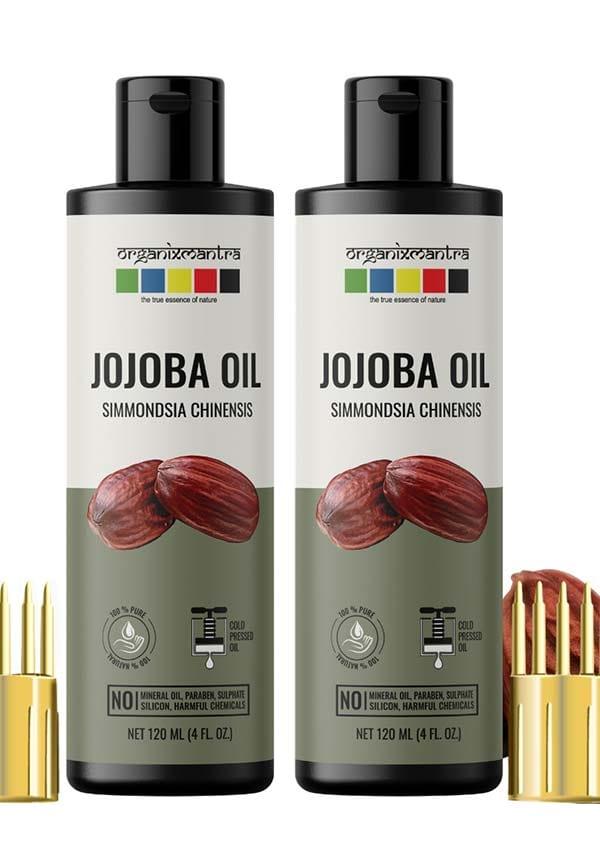
Jojoba Oil, Cold Pressed Organic Oil, 30ML x 2
Ever found yourself completely absorbed in an activity where time seems to disappear and everything just clicks? That magical state where your mind and body work in perfect harmony is what we call mindful flow. It's that sweet spot where conscious awareness meets effortless action, creating an experience that's both deeply satisfying and incredibly effective. Whether you're flowing through yoga poses, tackling a creative project, or simply walking in nature, mindful flow transforms ordinary activities into extraordinary moments of clarity and connection. At Smytten, we've noticed how wellness enthusiasts are increasingly drawn to practices that combine mindfulness with movement, seeking that perfect balance between mental clarity and physical vitality.
Mindful flow combines conscious awareness with effortless action, creating optimal performance states
Flow state benefits include enhanced focus, reduced anxiety, improved creativity, and better stress management
Key characteristics include complete absorption, altered time perception, and perfect challenge-skill balance
You can achieve flow through breath-centred movement, optimal challenge levels, and consistent practice
Mindful flow applies to everything from yoga and exercise to work tasks and creative pursuits
So what is mindful flow exactly? Think of it as the beautiful marriage between mindfulness and the psychology of flow. While traditional flow state focuses on peak performance and losing yourself in an activity, mindful flow adds a layer of conscious awareness that keeps you grounded in the present moment. It's like being the observer and the participant at the same time—fully engaged yet peacefully aware.
The mindful flow state differs from your typical zone-out moments because it requires intentional attention. You're not just going through the motions; you're consciously choosing where to place your focus. This creates a unique flow experience that's both deeply immersive and surprisingly sustainable.
Mindfulness brings a quality of gentle awareness to flow states that prevents the burnout often associated with intense performance. When you're mindfully flowing, you're tuned into your body's signals, your breath patterns, and your emotional state. This self-awareness actually helps you maintain flow longer and access it more reliably.
Present-moment awareness acts like an anchor in mindful flow. Instead of getting swept away by the activity, you remain connected to the here and now. This creates a more balanced and sustainable approach to achieving flow state, one that nourishes rather than depletes your energy reserves.
The psychology of flow has fascinated researchers for decades, ever since Mihaly Csikszentmihalyi first coined the term. Modern neuroscience has revealed some pretty amazing things about what happens in our brains during flow experiences. When you're in a mindful flow state, your brain actually downregulates the prefrontal cortex—the area responsible for self-criticism and overthinking.
This neurological shift creates space for enhanced creativity, improved problem-solving, and that wonderful sense of effortless action. The flow state benefits extend far beyond just feeling good in the moment; they create lasting changes in how your brain processes information and responds to stress.
Research consistently shows that regular flow experiences can significantly reduce anxiety and depression symptoms. The combination of focused attention and present-moment awareness creates a natural antidote to the racing thoughts and worries that often plague our minds. Plus, the sense of accomplishment and competence that comes with flow builds genuine confidence over time.
Your body loves mindful flow too. The relaxed alertness of flow states triggers the parasympathetic nervous system, promoting better recovery, improved immune function, and reduced inflammation. When you're flowing mindfully, you're essentially giving your body a mini-vacation from stress.
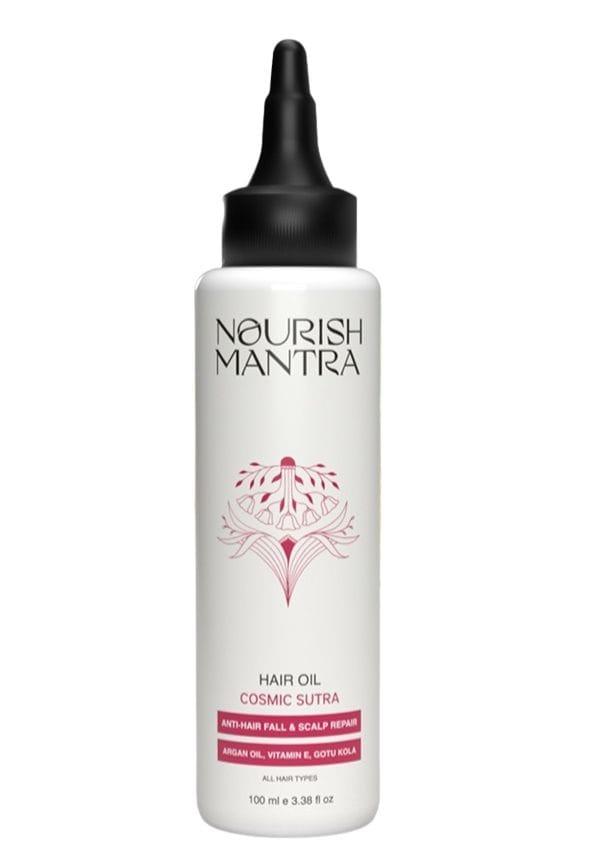
Cosmic Sutra Hair Oil for Hairfall Control - 100 ml
Understanding the characteristics of flow helps you recognise when you're in this optimal state and learn how to cultivate it more intentionally. Flow isn't just about feeling good; it has specific markers that distinguish it from other pleasant experiences.
The most obvious sign is complete absorption in what you're doing. You know you're in flow when you forget about everything else—your phone, your to-do list, even your sense of self temporarily fades into the background. Time becomes elastic; minutes can feel like hours or hours like minutes.
In mindful flow, concentration doesn't feel forced or strained. Your attention naturally gravitates toward the task at hand, and distractions seem to bounce off rather than pull you away. This effortless focus is one of the most reliable indicators that you've entered a flow state.
Flow happens in that sweet spot where the challenge level matches your skill level perfectly. Too easy, and you'll get bored; too difficult, and anxiety creeps in. Mindful flow teaches you to adjust this balance consciously, making micro-adjustments to maintain that optimal zone.
When you're in flow, you're not doing something because you have to—you're doing it because it feels inherently rewarding. There's also a paradoxical sense of control where you feel simultaneously in charge and surrendered to the process.
Learning how to enter flow isn't about forcing yourself into a particular state; it's about creating the right conditions and then allowing flow to emerge naturally. Think of it like tending a garden—you can't make plants grow, but you can provide the environment they need to flourish.
The most reliable gateway to mindful flow is breath-centred movement. When you synchronise your actions with your breathing, you create an instant connection between mind and body that naturally leads to flow states. This works whether you're doing yoga, walking, or even washing dishes.
Start by honestly assessing your current skill level in whatever activity you're pursuing. Then, gradually increase the challenge just enough to keep things interesting without overwhelming yourself. This might mean adding complexity to your yoga practice or setting slightly more ambitious goals for your work projects.
Your environment plays a huge role in supporting flow states. Minimise distractions, ensure good lighting and comfortable temperature, and consider adding elements that promote calm focus—perhaps some gentle background music or essential oils that help you feel centred.
Develop a simple ritual that signals to your mind and body that it's time to enter flow. This might be a few minutes of deep breathing, some gentle stretches, or simply setting a clear intention for your practice. Consistency helps train your nervous system to shift into flow mode more easily.

Dard Shakti Pain Relief Massage Oil
Mindful flow isn't limited to meditation cushions or yoga mats—it can transform any activity into a deeply satisfying experience. The key is bringing conscious awareness to whatever you're doing, whether it's physical movement or mental tasks like deep work flow.
In movement practices, mindful flow means paying attention to the quality of your actions rather than just going through the motions. Feel the weight of your feet on the ground, notice how your breath moves through your body, and stay curious about the sensations that arise.
Mindful flow yoga emphasises the connection between breath and movement, creating a moving meditation that naturally cultivates flow states. Unlike rigid sequences, this approach encourages you to listen to your body and move in ways that feel authentic and nourishing in each moment.
You can apply mindful flow principles to cognitive tasks too. When tackling challenging work projects, bring the same quality of present-moment awareness and breath consciousness that you'd use in physical practice. This creates a sustainable approach to productivity that doesn't leave you feeling drained.
Artists, writers, and musicians have long recognised the power of flow states for creative expression. Mindful flow adds a dimension of conscious awareness that can enhance creativity while preventing the burnout that sometimes accompanies intense creative sessions.
The real magic of mindful flow happens when you start weaving it into your everyday activities. You don't need special equipment or hours of free time—you can cultivate flow in daily life through simple practices that fit into your existing routine.
Morning routines are particularly powerful for setting a flow-friendly tone for your entire day. Even five minutes of mindful movement or breathing can create the neurological conditions that make flow more accessible throughout your day.
Busy schedules don't have to be flow killers. Micro-flow practices—brief moments of mindful awareness—can be incredibly effective. Try taking three conscious breaths before starting a new task, or spending a minute mindfully drinking your tea or coffee.
Consistency matters more than duration when building a flow practice. It's better to spend five minutes daily in mindful flow than to have one long session per week. Your nervous system learns through repetition, so regular practice creates pathways that make flow more accessible over time.
Design your spaces to support flow states. This might mean decluttering your workspace, creating a dedicated area for movement practice, or simply ensuring you have access to natural light and fresh air. Small environmental changes can have surprisingly big impacts on your ability to access flow.
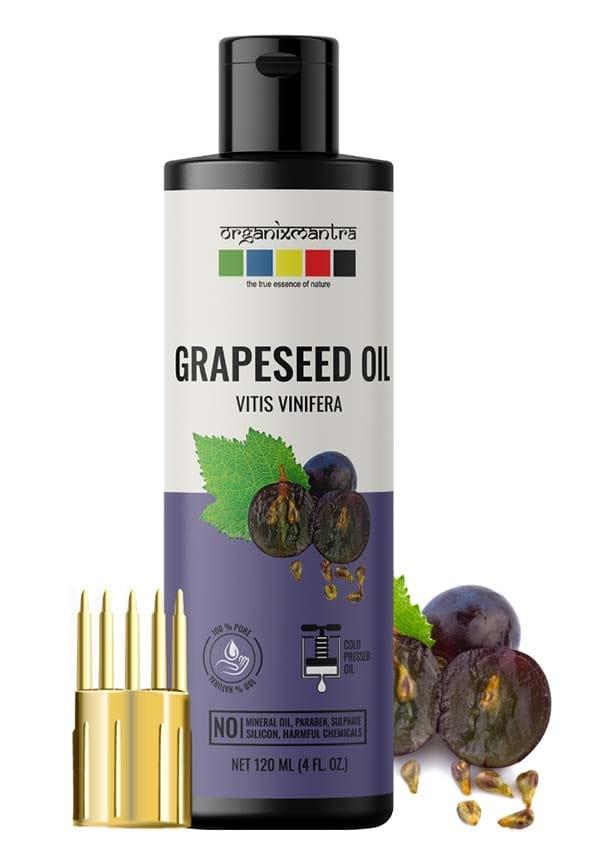
Grapeseed Oil, Cold Pressed Organic Oil, 30ML x 2
Mindful flow yoga is a practice that synchronises breath with movement, creating a moving meditation. Unlike memorised sequences, it emphasises internal awareness and responds to what your body needs in each moment. The focus is on the quality of attention rather than perfect poses.
While traditional mindfulness meditation typically involves stillness and observation, mindful flow incorporates conscious movement. It's an active practice that uses physical activity as a vehicle for present-moment awareness, making it more accessible for people who find sitting meditation challenging.
Absolutely! Beginners often have an advantage because they approach practice with fresh curiosity. Start with simple activities like mindful walking or basic breathing exercises. The key is consistency rather than complexity—even brief moments of mindful awareness can create flow-like experiences.
This varies greatly between individuals. Some people experience glimpses of flow in their first session, while others may need weeks of consistent practice. The important thing is to focus on the process rather than forcing outcomes. Flow emerges naturally when conditions are right.
Regular exercise often focuses on external metrics like speed, weight, or repetitions. Mindful flow prioritises internal awareness—how you feel, your breath patterns, and the quality of your attention. It's about conscious engagement rather than autopilot movement.
Flow states have distinct characteristics: time seems to alter, self-consciousness fades, concentration feels effortless, and you experience a sense of control without forcing. You'll often notice these qualities retrospectively—after emerging from flow, you'll realise how absorbed you were.
Yes, mindful flow is excellent for stress management. The combination of present-moment awareness and rhythmic movement naturally activates your body's relaxation response. Many wellness products that support mindful practices can be explored through trial sizes to find what works best for your flow routine.
Mindful flow represents a powerful fusion of ancient wisdom and modern performance psychology. By combining conscious awareness with effortless action, you can transform ordinary activities into extraordinary experiences of clarity and connection. The beauty of this practice lies in its accessibility—you don't need special equipment or extensive training to begin experiencing the benefits.
Remember that flow is not a destination but a way of being. It's about bringing quality attention to whatever you're doing, whether that's moving your body, tackling work projects, or simply breathing. The more you practice, the more natural it becomes to access these optimal states in daily life.
Start small, be consistent, and trust the process. Your capacity for mindful flow will develop naturally over time, creating a foundation for greater wellbeing, enhanced performance, and deeper satisfaction in all areas of life.
As you embark on your mindful flow journey, remember that exploration and experimentation are key to finding what works best for you. Just as Smytten offers curated trial packs that let you discover new wellness products before committing to full sizes, approaching mindful flow with curiosity and openness allows you to explore different techniques and find your perfect practice. With over 1,500 trusted wellness brands available on Smytten, you can trial everything from aromatherapy oils that enhance your flow sessions to mindfulness journals that help track your progress. The platform's 100% cashback on trials makes it easy to experiment with various wellness tools that support your mindful flow practice, ensuring you never have to settle for products that don't truly serve your journey. After all, why settle for 'maybe' when you can #TryItAll!
