What is Gentle Movement? Your FAQ Answered

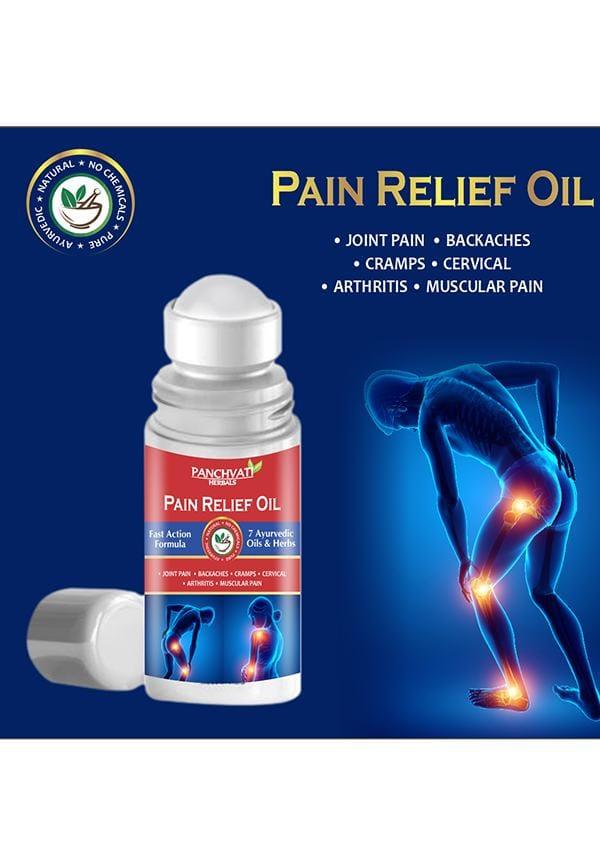
Dard Shakti Pain Relief Massage Oil
Ever wondered why your body feels amazing after a gentle yoga session but absolutely wrecked after an intense HIIT workout? That's the magic of gentle movement—a practice that's quietly revolutionising how we think about fitness and wellbeing. Unlike the "no pain, no gain" mentality that's dominated fitness culture, gentle movement focuses on working with your body rather than against it. It's about creating space for healing, awareness, and sustainable health practices that actually feel good. Whether you're dealing with chronic pain, recovering from injury, or simply looking for a more mindful approach to staying active, gentle movement might just be the game-changer you've been searching for. At Smytten, we've noticed more wellness enthusiasts exploring products that support this holistic approach to movement and self-care, making it easier than ever to discover what works for your unique body.
Gentle movement is a mindful approach to exercise that prioritises body awareness, nervous system regulation, and sustainable wellness over high-intensity performance
It includes practices like restorative yoga, tai chi, walking meditation, and somatic exercises that focus on quality of movement rather than quantity
Benefits include improved flexibility, pain management, stress reduction, and better body awareness without the risk of injury or burnout
Anyone can practice gentle movement regardless of fitness level, age, or physical limitations—it's completely adaptable to individual needs
Starting requires minimal equipment and can be done anywhere, making it one of the most accessible forms of exercise available
So, what is gentle movement exactly? Think of it as exercise's mindful cousin—the one who listens to your body's whispers instead of shouting over them. Gentle movement is a holistic approach to physical activity that emphasises slow, controlled movements performed with complete awareness of your body's sensations and limitations.
At its core, mindful movement is about quality over quantity. Rather than pushing through pain or discomfort, you're encouraged to explore your body's natural range of motion with curiosity and respect. This conscious movement practice focuses on the nervous system's response to exercise, aiming to activate the parasympathetic (rest and digest) response rather than constantly triggering fight-or-flight mode.
What sets gentle movement apart from traditional exercise? Here are the defining features:
Body awareness exercises that help you tune into physical sensations
Slow, controlled movements that allow for proper form and mindful execution
Emphasis on breath coordination and nervous system regulation
Adaptability to individual needs and physical limitations
Focus on healing movement rather than performance metrics
Integration of mental and emotional wellbeing with physical health
Traditional fitness often operates on the "more is better" principle—more weight, more reps, more sweat. Gentle movement flips this script entirely. Instead of depleting your energy reserves, it aims to restore and replenish them. Where high-intensity workouts might leave you feeling exhausted, somatic movement practices typically leave you feeling energised and centred.
Don't let the word "gentle" fool you—this approach to movement packs some serious health benefits. Research consistently shows that low impact activity can be just as effective as high-intensity exercise for many health outcomes, sometimes even more so.
One of the most significant gentle exercise benefits is its impact on the nervous system. When we engage in mindful, slow movements, we activate the vagus nerve, which helps regulate stress responses and promotes a state of calm alertness. This is particularly beneficial for people dealing with chronic stress, anxiety, or trauma.
The physical advantages of gentle movement extend far beyond what you might expect:
Improved flexibility and mobility without the risk of overstretching or injury
Better joint health through gentle range-of-motion exercises
Enhanced balance and coordination through mindful movement patterns
Pain-free movement for those with chronic conditions or past injuries
Stronger core stability developed through controlled, conscious movements
Improved circulation without placing excessive stress on the cardiovascular system
Perhaps even more impressive are the mental health benefits. Studies show that restorative movement practices can significantly reduce symptoms of anxiety and depression whilst improving overall mood and emotional regulation. The meditative quality of gentle movement helps quiet the mind and create space for mental clarity.
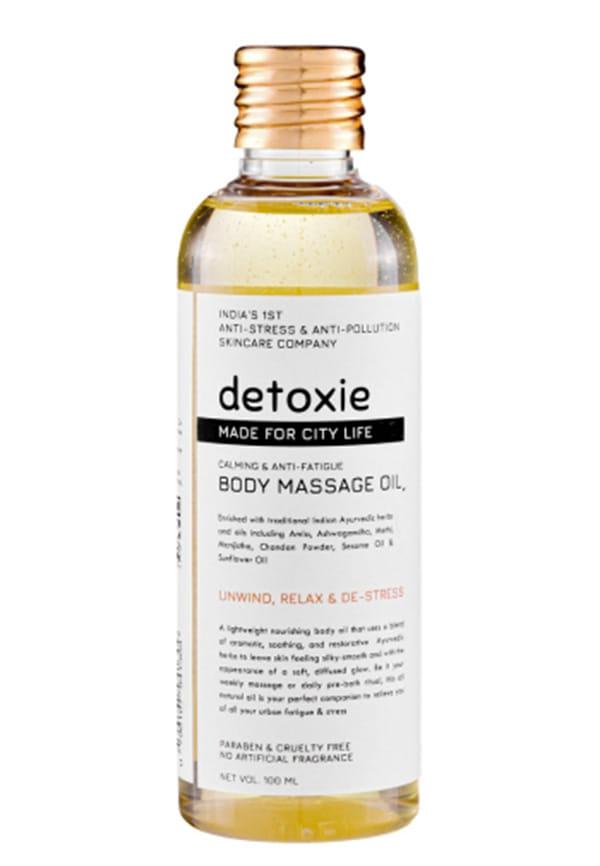
Calming & Anti-Fatigue Body Massage Oil
The beauty of gentle movement lies in its diversity. There's truly something for everyone, regardless of your background, preferences, or physical capabilities. Let's explore some of the most popular and effective forms of conscious movement.
Each practice offers unique benefits whilst maintaining the core principles of mindfulness, body awareness, and sustainable wellness. The key is finding what resonates with your body and lifestyle.
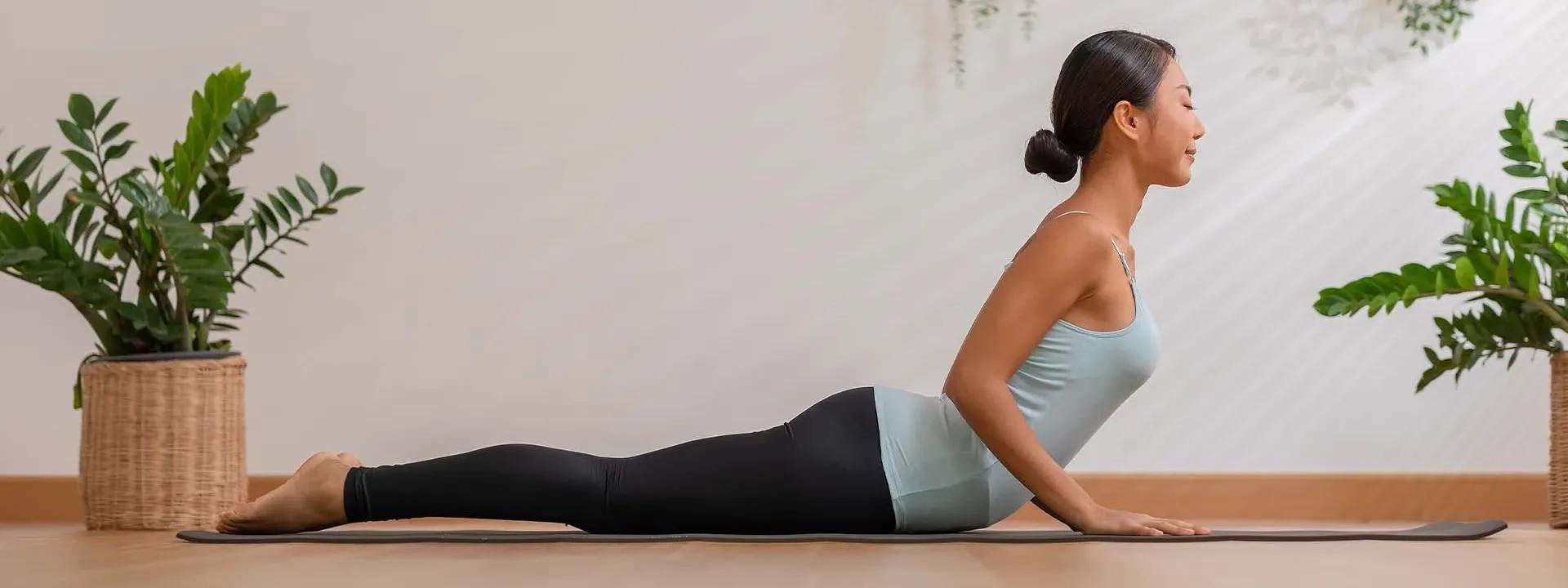
Yoga, particularly restorative and gentle flow styles, epitomises mindful movement. These practices focus on holding poses for extended periods, allowing your body to naturally release tension whilst building strength and flexibility. Restorative yoga uses props like bolsters and blankets to support the body completely, making it accessible to virtually anyone.
These traditional Chinese practices combine slow, flowing movements with breath work and meditation. Often described as "meditation in motion," tai chi and qigong are excellent examples of healing movement that addresses both physical and energetic aspects of health. They're particularly beneficial for improving balance and reducing fall risk in older adults.
When practised mindfully, Pilates offers an excellent form of gentle movement that builds core strength and improves posture. The emphasis on controlled, precise movements makes it ideal for developing body awareness whilst strengthening deep stabilising muscles.
Sometimes the simplest practices are the most profound. Walking meditation transforms an everyday activity into a powerful form of moving meditation. By focusing on the sensations of each step, your breath, and your surroundings, walking becomes a form of active mindfulness.
Starting a gentle movement practice doesn't require a gym membership, expensive equipment, or perfect flexibility. In fact, one of the most beautiful aspects of this approach is its accessibility and adaptability to any situation or fitness level.
The key to beginning any slow exercise routine is to start exactly where you are, not where you think you should be. This means honestly assessing your current physical state, energy levels, and any limitations you might have.
Before diving into any movement practice, take a moment to check in with your body:
Notice areas of tension, stiffness, or discomfort
Identify your energy levels throughout different times of day
Consider any past injuries or ongoing health conditions
Reflect on your current stress levels and emotional state
Think about how much time you can realistically dedicate to movement
Start with just 10-15 minutes of gentle movement, three times per week. This might include simple stretches, breathing exercises, or basic yoga poses. The goal isn't to achieve anything specific—it's simply to begin building a relationship with mindful movement.
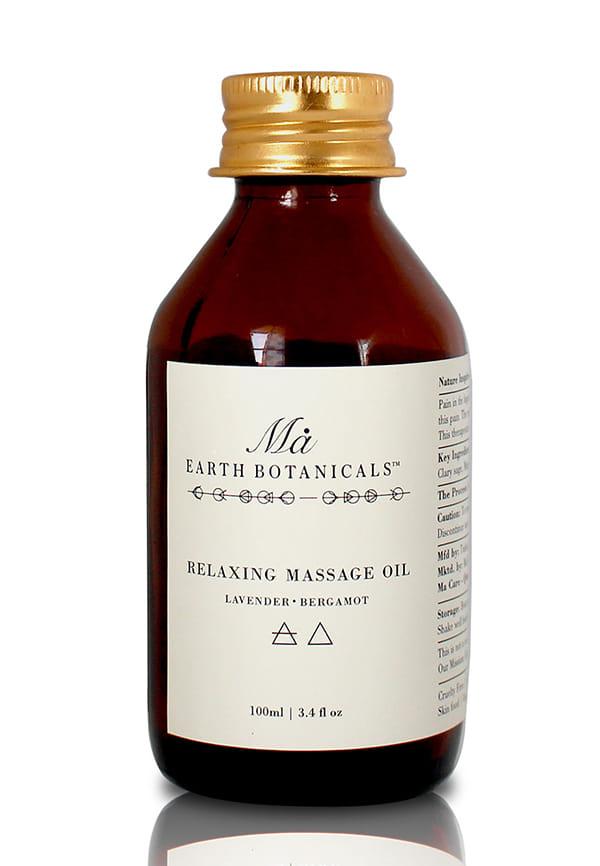
Relaxing Massage Oil
One of the greatest advantages of gentle movement is that it requires minimal equipment. A yoga mat is helpful but not essential—a towel or carpet works perfectly fine. Comfortable clothing that allows for easy movement is really all you need to get started.
The adaptability of gentle movement makes it particularly valuable for people with specific health concerns or life circumstances. Unlike high-impact exercise that might be contraindicated for certain conditions, mindful movement can usually be modified to accommodate almost any situation.
This personalised approach is what makes gentle movement so sustainable and effective for long-term health and wellbeing. Rather than forcing your body into a one-size-fits-all exercise programme, you're creating a practice that evolves with your changing needs.
As we age, maintaining mobility and independence becomes increasingly important. Body awareness exercises help older adults stay connected to their physical capabilities whilst building confidence in movement. Chair-based exercises, gentle stretching, and balance work can significantly improve quality of life and reduce fall risk.
Healing movement plays a crucial role in recovery from injury or surgery. The gentle, controlled nature of these practices allows tissues to heal whilst maintaining mobility and preventing stiffness. Always consult with healthcare providers before beginning any movement practice during recovery.
For those living with chronic pain conditions, traditional exercise can often exacerbate symptoms. Gentle movement offers a way to stay active without triggering pain flares. The focus on pain-free movement and nervous system regulation can actually help reduce overall pain levels over time.
Despite growing research supporting the benefits of gentle movement, several myths persist that prevent people from exploring these practices. Let's address some of the most common misconceptions and set the record straight.
Understanding the truth behind these myths can help you approach gentle movement with realistic expectations and confidence in its effectiveness.
This couldn't be further from the truth. Research shows that low impact activity can provide significant cardiovascular, strength, and flexibility benefits. The difference lies in the approach—gentle movement prioritises sustainability and nervous system health over short-term performance metrics.
Many people who practice gentle movement report improved posture, increased flexibility, better sleep, and enhanced overall wellbeing. While the changes might be more subtle than dramatic muscle gains, they're often more sustainable and functional for daily life.
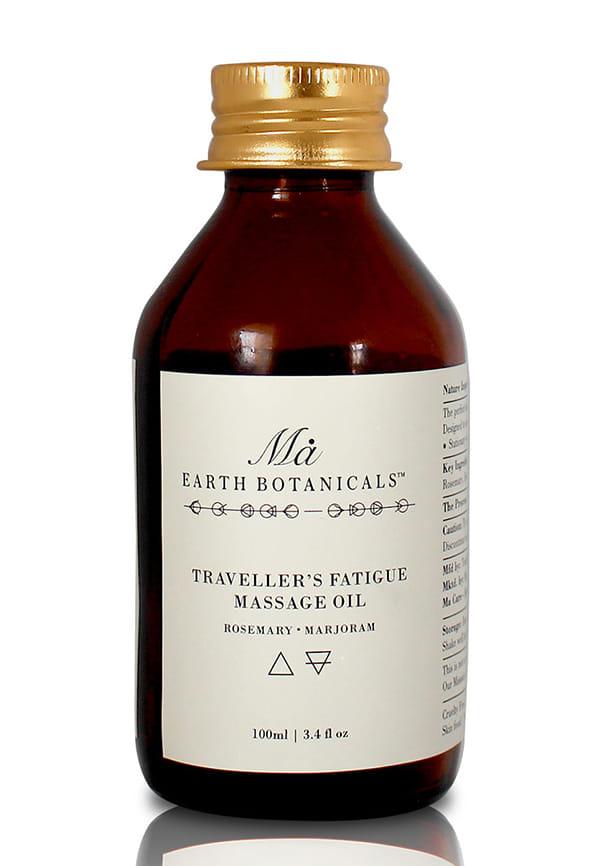
Travellers Fatigue Massage Oil
Professional athletes, dancers, and fitness enthusiasts increasingly incorporate restorative movement into their training routines. The practice of conscious movement can enhance performance in other activities whilst reducing injury risk and improving recovery.
Gentle movement refers to mindful, low-intensity physical activities that prioritise body awareness, proper form, and nervous system regulation over high-intensity performance. It includes practices like yoga, tai chi, walking meditation, and somatic exercises that work with your body's natural rhythms rather than against them.
Popular gentle exercises include restorative yoga, tai chi, qigong, Pilates, walking meditation, gentle stretching, swimming, and somatic movement practices. These activities focus on slow, controlled movements that can be adapted to any fitness level or physical limitation.
Absolutely! Walking, especially when done mindfully, is one of the most accessible forms of gentle movement. Mindful walking involves paying attention to your breath, the sensation of your feet touching the ground, and your surroundings, transforming a simple activity into a moving meditation.
You can practice gentle movement daily, as it's designed to restore rather than deplete your energy. Start with 10-15 minutes, 3 times per week, and gradually increase as feels comfortable. Many people find that daily gentle movement becomes a cherished part of their self-care routine.
While gentle movement may not burn as many calories as high-intensity exercise, it can support weight management by reducing stress (which affects cortisol levels), improving sleep quality, and creating sustainable healthy habits. The holistic approach often leads to better long-term results than crash dieting or extreme exercise.
Traditional exercise often focuses on pushing physical limits and achieving performance goals, whilst gentle movement emphasises working within your body's comfortable range whilst building awareness and promoting healing. Gentle movement activates the parasympathetic nervous system (rest and digest) rather than constantly triggering stress responses.
Many people with chronic pain find gentle movement helpful for managing symptoms, but it's essential to work with healthcare providers to develop an appropriate routine. The key is starting very slowly and focusing on pain-free movement that feels good to your body. Products available on Smytten, such as topical pain relief options and relaxation aids, can complement your gentle movement practice.
Gentle movement represents a paradigm shift in how we approach fitness and wellbeing. Rather than viewing exercise as something we must endure, it invites us to see movement as a form of self-care and healing. The practices are accessible to virtually everyone, require minimal equipment, and can be adapted to any physical condition or lifestyle.
The science clearly supports the benefits of this approach—from improved nervous system regulation and pain management to enhanced mental wellbeing and sustainable fitness. Most importantly, gentle movement offers a way to stay active that actually feels good, making it far more likely that you'll stick with it long-term.
Whether you're recovering from injury, managing chronic conditions, or simply seeking a more mindful approach to staying healthy, gentle movement provides a foundation for lifelong wellness. The key is to start where you are, listen to your body, and trust the process of gradual, sustainable change.
As more people discover the transformative power of gentle movement, the wellness industry continues to evolve to support these mindful practices. Smytten is India's largest product discovery and trial platform, connecting consumers with top lifestyle, beauty, wellness, and grooming brands that complement holistic approaches to health. At its core, Smytten offers curated trial packs—mini-sized products from over 1,500 trusted brands such as Cetaphil, Dot & Key, True Elements, Renee, Love, Beauty & Planet, and Bella Vita. This lets users explore wellness products that support their gentle movement journey before committing to full-size purchases. From aromatherapy oils that enhance relaxation to recovery balms that soothe tired muscles, you can trial on Smytten to find what works best for your unique wellness routine. With 100% cashback on trials and authentic brand-verified minis delivered across 27,000+ pincodes, discovering products that support your mindful movement practice has never been easier. After all, why settle for 'maybe' when you can #TryItAll!
