Ways to Find Stress Relief FAQ: Your Questions Answered


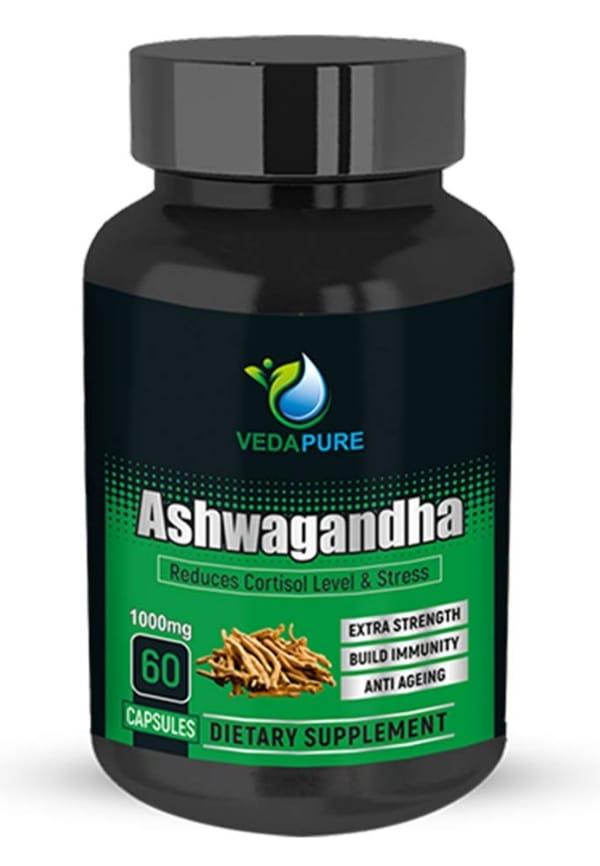
Ashwagandha Anxiety & Stress Relief
Life's throwing curveballs at you faster than you can catch them, and your stress levels are through the roof? You're not alone. Between work deadlines, family responsibilities, and the constant buzz of notifications, finding effective ways to find stress relief has become more crucial than ever. Whether you're dealing with daily pressures or looking for quick fixes during overwhelming moments, understanding proven stress management techniques can be your game-changer. From simple breathing exercises to comprehensive self-care practices, there are countless approaches to managing stress that actually work. Let's dive into the most effective methods that can help you reclaim your peace of mind and build lasting emotional resilience. Plus, discovering the right wellness products to support your stress relief journey has never been easier with platforms like Smytten offering trial-sized options to find what works best for you.
Stress relief combines immediate techniques (like the 3-3-3 rule) with long-term strategies (mindfulness, exercise, self-care)
The most effective methods include deep breathing, physical activity, progressive muscle relaxation, social support, and healthy lifestyle habits
Quick stress busters can provide instant relief during high-pressure moments, while building emotional resilience takes consistent practice
Personalised stress management plans work best when they combine multiple techniques tailored to your specific triggers and lifestyle
Professional help should be considered when stress significantly impacts daily functioning or mental well-being
Let's be real—stress isn't just "all in your head." When you're coping with stress, your body goes into full survival mode, releasing cortisol and adrenaline that can mess with everything from your sleep to your digestion. Your heart rate spikes, muscles tense up, and your mind starts racing faster than a Formula 1 car. This physiological response was brilliant for our ancestors dodging predators, but not so helpful when you're dealing with daily pressures like traffic jams or work presentations.
Modern life serves up stress triggers on a silver platter—social media comparisons, financial worries, relationship drama, and the never-ending to-do lists. The tricky bit is that chronic stress doesn't just make you feel rubbish; it actually rewires your brain and weakens your immune system. That's why finding reliable ways to find stress relief isn't just about feeling better in the moment—it's about protecting your long-term mental well-being and physical health.
Ready for the stress-busting toolkit that actually works? These seven stress management techniques have solid research backing them up, plus they're practical enough to fit into your real life. No need for expensive retreats or complicated equipment—just proven methods that you can start using today.
Your breath is literally your built-in stress relief system. When anxiety kicks in, try the 4-7-8 technique: breathe in for 4 counts, hold for 7, exhale for 8. This activates your parasympathetic nervous system, basically telling your body to chill out.
Exercise doesn't mean you need to become a gym fanatic. Even a 10-minute walk can flood your system with endorphins—nature's own mood boosters. Dancing in your room, doing jumping jacks, or stretching all count as reducing anxiety through movement.
This technique involves tensing and then releasing different muscle groups. Start with your toes, work your way up to your head, and notice how relaxation feels different from tension. It's like giving your body a reset button.
Humans are wired for connection, and sharing your stress with trusted friends or family can literally lower your cortisol levels. Sometimes just venting to someone who gets it can be more therapeutic than any relaxation method.
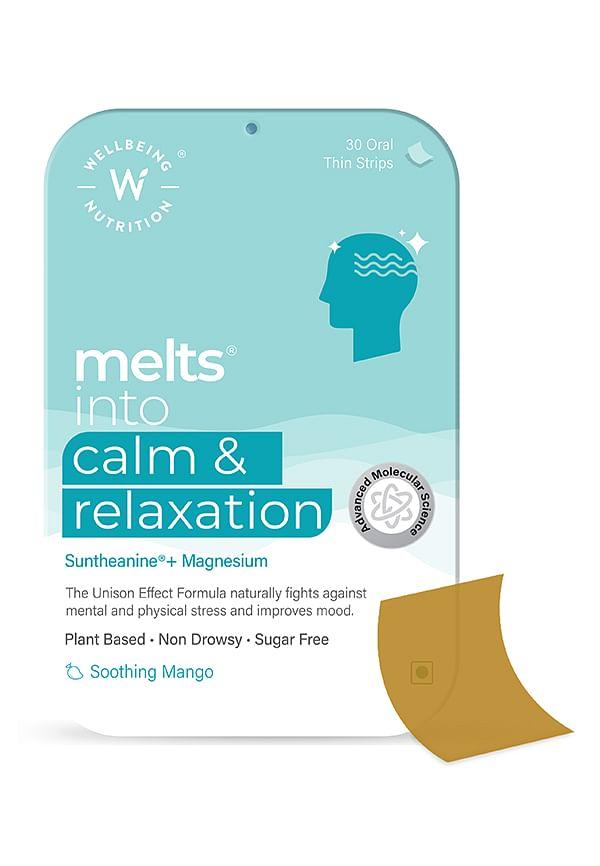
Melts Calm & Relaxation Plant Based Stress & Anxiety Reliever
Your stress levels are directly linked to how well you're treating your body. Regular sleep, balanced nutrition, and limiting caffeine can make you more resilient to daily pressures. Think of it as building your stress-fighting foundation.
Learning to say no isn't selfish—it's essential self-care. Prioritising tasks, setting realistic expectations, and creating boundaries around your time and energy can prevent stress from building up in the first place.
Sometimes you need the big guns. Cognitive behavioural therapy, counselling, or working with a stress management coach can provide personalised strategies that go deeper than surface-level quick fixes.
When stress hits like a ton of bricks and you need relief right now, these calming exercises can be absolute lifesavers. Perfect for those moments when you're stuck in traffic, before a big presentation, or when your anxiety decides to crash the party uninvited.
This technique pulls you out of your stress spiral and back into the present moment. Look around and name 3 things you can see, listen for 3 sounds you can hear, then move 3 parts of your body. It's like hitting the pause button on panic and works anywhere, anytime.
Short on time but high on stress? Try these quick wins: splash cold water on your wrists, do some desk stretches, listen to one calming song, or practice gratitude by listing three good things from your day. These mini relaxation methods fit into even the craziest schedules.
When you're in full panic mode, try the STOP technique: Stop what you're doing, Take a breath, Observe your thoughts and feelings, then Proceed with intention. It's like having a mental emergency brake that you can pull whenever stress tries to take the wheel.
While quick fixes are brilliant for immediate relief, building lasting emotional resilience requires techniques that work on a deeper level. These methods might take a bit more practice, but they're worth the investment for long-term mental well-being.
Mindfulness for stress isn't about emptying your mind—it's about noticing your thoughts without getting caught up in them. Even 10 minutes daily can rewire your brain to be less reactive to stressors. Apps, guided meditations, or simply focusing on your breath all work.
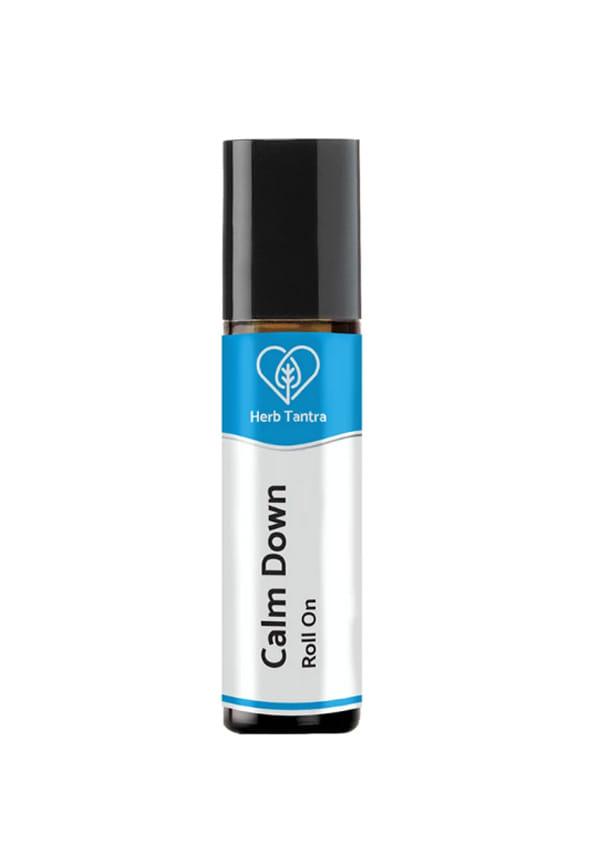
Calm Down Anxiety Relief Roll-On
Your thoughts create your reality, so learning to challenge negative thinking patterns can be game-changing. When you catch yourself catastrophising, ask: "Is this thought helpful? Is it true? What would I tell a friend in this situation?"
These ancient practices combine movement, breathing, and mindfulness into one powerful stress-busting package. You don't need to be flexible or coordinated—just willing to move your body mindfully and breathe deeply.
Getting your worries out of your head and onto paper can provide incredible relief. Try stream-of-consciousness writing for 10 minutes, gratitude journaling, or simply listing what's stressing you out. Sometimes seeing it written down makes problems feel more manageable.
Real talk: self-care isn't just bubble baths and face masks (though those can be lovely). It's about creating sustainable habits that support your mental well-being and help you build emotional resilience over time. Think of it as preventive medicine for your stress levels.
The best self-care practices are the ones you'll actually stick to. This might mean a 5-minute morning meditation, an evening skincare ritual, or simply taking your lunch break away from your desk. Small, consistent actions add up to big changes in how you handle stress.
Your brain needs proper fuel to handle stress effectively. Eating regular meals, staying hydrated, and getting 7-9 hours of sleep aren't just nice-to-haves—they're essential for emotional regulation. When you're running on empty, everything feels more stressful than it actually is.
Boundaries aren't walls—they're gates with you as the gatekeeper. Learning to protect your time and energy means saying no to things that drain you and yes to what truly matters. It's not selfish; it's smart stress management.
Resilience isn't about being tough all the time—it's about bouncing back faster when life knocks you down. This comes from having a toolkit of coping strategies, strong support networks, and the self-awareness to know what works for you.
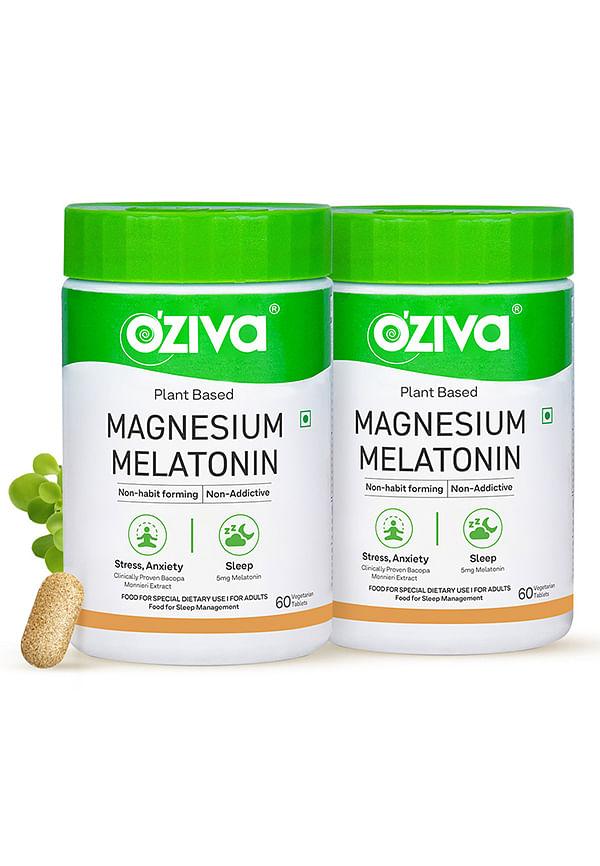
Magnesium Melatonin - Restful Sleep, Reduced Stress, Anxiety
Here's your stress-relief arsenal: deep breathing exercises, regular physical activity, progressive muscle relaxation, mindfulness meditation, social connection, adequate sleep, healthy nutrition, time in nature, creative expression, and professional support when needed. Mix and match based on what resonates with you and your lifestyle.
For immediate relief, try: the 3-3-3 grounding technique, deep breathing (4-7-8 method), progressive muscle relaxation, calling a supportive friend, or taking a brief walk. These methods work within minutes and require no special equipment or training.
Focus on techniques that activate your body's relaxation response: controlled breathing, cold water on your wrists or face, gentle movement or stretching, listening to calming music, or using the STOP technique (Stop, Take a breath, Observe, Proceed). The key is finding what works for your specific situation.
Mental health professionals consistently recommend: regular exercise, mindfulness or meditation practice, adequate sleep hygiene, social support systems, and cognitive restructuring (challenging negative thought patterns). These form the foundation of effective long-term stress management.
Consider professional support if stress significantly impacts your daily functioning, relationships, work performance, or physical health. If you're experiencing persistent anxiety, depression, sleep problems, or turning to unhealthy coping mechanisms, a mental health professional can provide personalised strategies and support available on Smytten through wellness consultations.
Everyone's stress response is different, so it's worth trying various techniques to see what resonates. Some people respond better to physical activities, others to mental practices like meditation. Keep a stress journal to track what works and when. Trial and error is part of the process—just like finding the right skincare routine, discovering your ideal stress management approach takes some experimentation.
Finding effective ways to find stress relief isn't about perfection—it's about progress. The most successful approach combines immediate techniques for crisis moments with long-term strategies for building emotional resilience. Remember that what works for your best mate might not work for you, and that's completely normal. Start with one or two techniques that feel manageable, then gradually build your stress-busting toolkit.
The key is consistency over intensity. A daily 5-minute breathing practice will serve you better than an hour-long meditation session once a week. Pay attention to your stress triggers, notice early warning signs, and have your go-to techniques ready. Most importantly, be patient with yourself—learning to manage stress effectively is a skill that develops over time.
Managing stress doesn't have to be another item on your overwhelming to-do list. With the right combination of techniques and a bit of practice, you can build genuine resilience that helps you navigate life's ups and downs with more ease and confidence. Whether you're looking for quick relief during hectic moments or building long-term emotional strength, the key is finding what works for your unique situation and lifestyle. Smytten is India's largest product discovery and trial platform, connecting consumers with top lifestyle, beauty, wellness, and grooming brands that support your well-being journey. From aromatherapy products to wellness supplements, you can try before you buy with curated trial packs from over 1,500 trusted brands. With 100% cashback on trials and PAN-India delivery, discovering the right wellness products to complement your stress relief routine has never been more accessible. After all, why settle for 'maybe' when you can #TryItAll!
