Understanding Vitamin D3 for Bone Density: Your FAQ


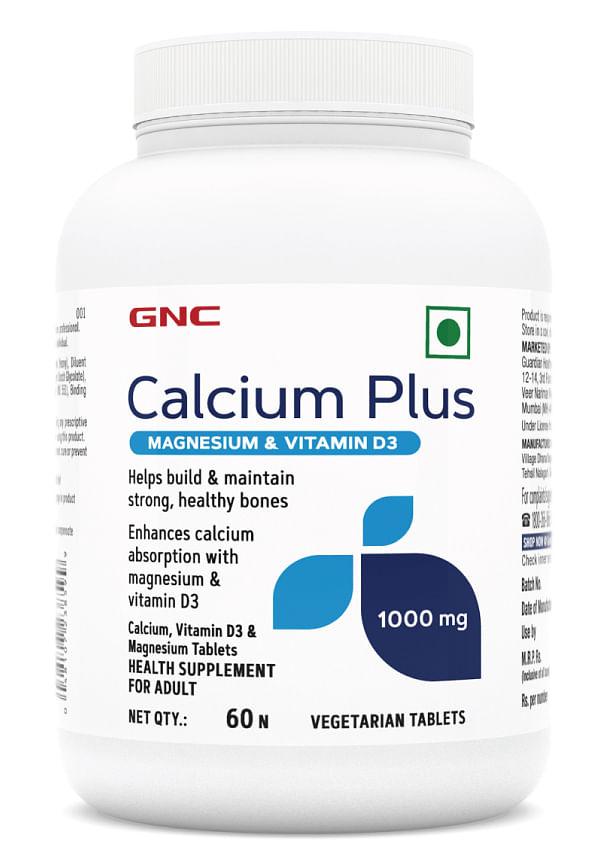
Calcium Plus 1000 mg with Magnesium and Vitamin D3 - Promotes Healthy & Strong Bones
Let's be real—understanding vitamin D3 for bone density can feel like diving into a science textbook. But here's the thing: your bones are literally the foundation of everything you do, and vitamin D3 plays a starring role in keeping them strong. Whether you're wondering about vitamin D3 benefits, trying to sort through bone health supplements, or just want to know if you're getting enough sunshine vitamin, this guide breaks it all down. From calcium absorption to osteoporosis prevention, we're covering the essentials that actually matter for your wellness journey. Plus, with platforms like Smytten making it easier to trial wellness products before committing, there's never been a better time to explore what works for your bone health routine.
Vitamin D3 is essential for calcium absorption and maintaining bone density, with adults over 50 needing 800-1000 IU daily
Deficiency symptoms include bone pain, muscle weakness, and increased fracture risk—especially common with limited sunlight exposure
Natural sources include sunlight, fatty fish, and fortified foods, but supplements are often necessary for optimal levels
Bone health supplements work best when combined with calcium, magnesium, and vitamin K2 for comprehensive support
Regular testing and proper dosing can significantly reduce osteoporosis risk and improve overall wellness
Think of vitamin D3 as your body's bone-building assistant. Unlike other vitamins that just tag along for the ride, vitamin D3 actually transforms into a hormone that tells your intestines to absorb calcium properly. Without enough of it, your body can only absorb about 10-15% of dietary calcium—but with adequate vitamin D3 levels, that jumps to 30-40%. That's a game-changer for bone density.
Here's where it gets interesting: vitamin D3 (cholecalciferol) is the most potent form of vitamin D your body can use. When you get vitamin D3 from sunlight or supplements, your liver converts it to 25-hydroxyvitamin D, then your kidneys turn it into the active hormone calcitriol. This hormone then signals your intestines to ramp up calcium absorption, ensuring your bones get the minerals they need for strength and density.
But vitamin D3 isn't just about bones—it's a wellness multitasker. Your immune system relies on adequate vitamin D levels to function properly, helping fight off infections and reducing inflammation. It also supports muscle strength and coordination, which directly impacts your ability to maintain balance and prevent falls that could lead to fractures.
The research on vitamin D3 and bone health is pretty compelling. Studies consistently show that maintaining adequate vitamin D levels can improve bone mineral density and reduce fracture risk by up to 20% in older adults. This isn't just theoretical—it's real-world protection for your skeletal system.
When it comes to osteoporosis prevention, vitamin D3 is your first line of defence. Post-menopausal women, who face the highest risk of bone loss due to declining oestrogen levels, see significant benefits from consistent vitamin D3 supplementation. Research shows that combining vitamin D3 with calcium can slow bone loss and maintain density in the spine and hips—the areas most vulnerable to osteoporotic fractures.
Your bones aren't static—they're constantly breaking down and rebuilding in a process called remodelling. As you age, this process slows down, and without adequate vitamin D3, the breakdown starts outpacing the rebuilding. Consistent vitamin D3 intake helps maintain this delicate balance, keeping your bones strong and resilient well into your later years.
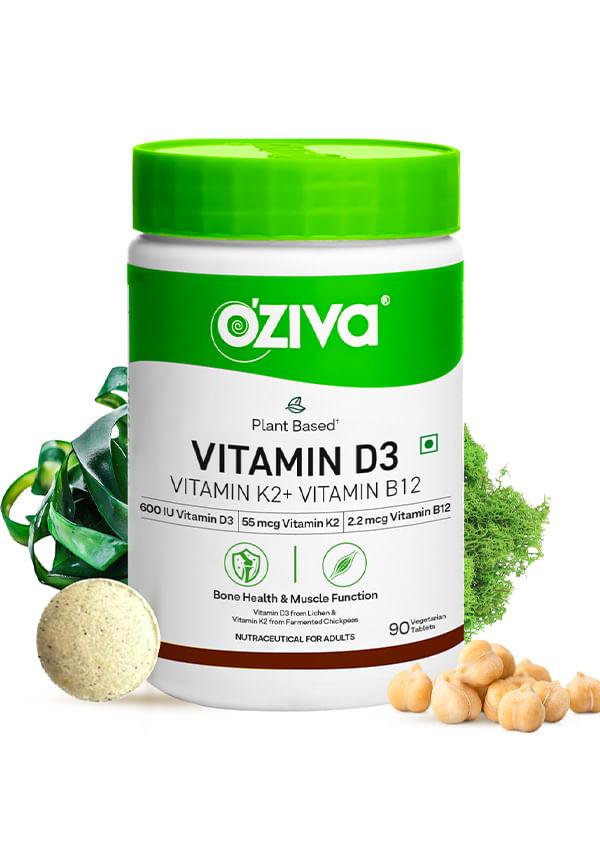
OZiva Vitamin D3+K2+B12
The dosage question is where things get personal. While general guidelines exist, your individual needs depend on factors like age, skin colour, geographic location, and current vitamin D status. Most adults need between 600-800 IU daily, but those over 50 or at risk for osteoporosis often benefit from 800-1000 IU or more.
The National Osteoporosis Foundation suggests 800-1000 IU daily for adults over 50, but some people need higher doses to reach optimal blood levels. Your target should be a 25-hydroxyvitamin D blood level between 30-50 ng/mL (75-125 nmol/L). If you're starting from a deficient state, your doctor might recommend higher initial doses—sometimes 2000-4000 IU daily—to build up your stores.
Vitamin D3 is fat-soluble, so taking it with a meal containing healthy fats improves absorption. Some people prefer morning doses to avoid any potential sleep interference, though this varies by individual. The key is consistency—pick a time that works for your routine and stick with it.
Vitamin D deficiency is sneaky—it often develops gradually, and early symptoms can be subtle. By the time you notice obvious signs, your levels might be significantly low. Understanding these warning signals can help you catch deficiency before it impacts your bone health.
Bone pain, especially in your back or legs, is often the first sign something's off. You might also notice muscle weakness, particularly in your thighs, or find yourself getting tired more easily than usual. Some people experience mood changes or feel generally unwell without being able to pinpoint why.
Limited sunlight exposure is the biggest risk factor, especially if you work indoors, live in northern climates, or wear covering clothing for cultural or religious reasons. Older adults are also at higher risk because skin becomes less efficient at producing vitamin D with age. Dark skin provides natural sun protection but also reduces vitamin D synthesis, making supplementation more important for people with higher melanin levels.
Your skin is actually a vitamin D factory when exposed to UVB rays from sunlight. Just 10-15 minutes of midday sun exposure on your arms and legs can produce about 1000 IU of vitamin D3—but this varies dramatically based on skin tone, location, season, and time of day.
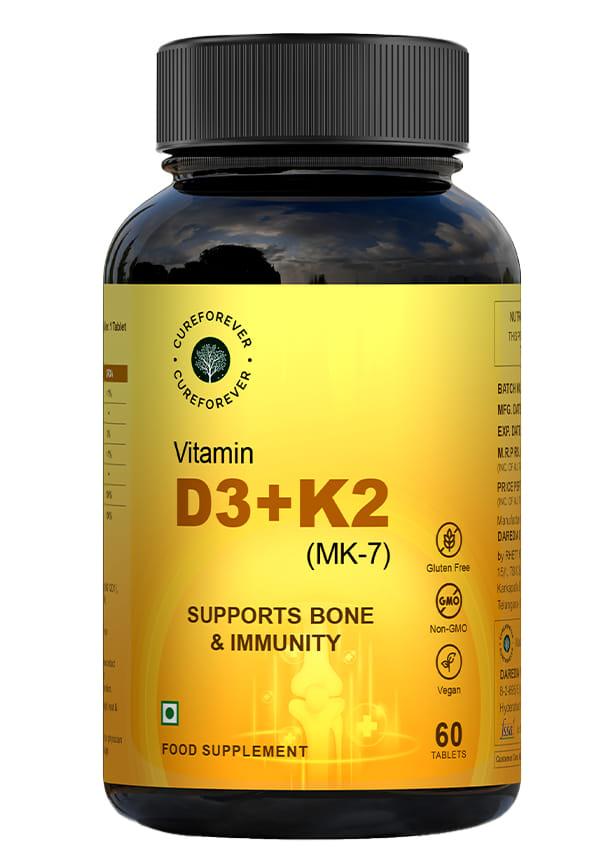
Vitamin D3 + K2 MK7
The "sunshine vitamin" nickname isn't just cute—it's accurate. Your skin synthesises vitamin D3 when UVB rays hit 7-dehydrocholesterol in your skin cells. However, factors like sunscreen (which blocks UVB), window glass, pollution, and cloud cover can significantly reduce production. In winter months or northern latitudes, sunlight might not be strong enough for adequate vitamin D synthesis.
Food sources are limited but valuable. Fatty fish like salmon, mackerel, and sardines are your best bets, providing 400-1000 IU per serving. Fortified dairy products, cereals, and egg yolks from pasture-raised chickens also contribute. However, it's nearly impossible to get enough vitamin D from food alone—most people need supplements to reach optimal levels.
Not all vitamin D supplements are created equal. Vitamin D3 (cholecalciferol) is more effective than vitamin D2 (ergocalciferol) at raising and maintaining blood levels. Look for third-party tested products that clearly state the amount of vitamin D3 per serving, and consider combination formulas that include complementary nutrients.
Quality matters when it comes to bone health supplements. Choose products that have been independently tested for purity and potency. Some supplements combine vitamin D3 with calcium, magnesium, and vitamin K2—nutrients that work synergistically to support bone health. However, be mindful of calcium timing, as large doses can interfere with the absorption of other minerals.
Vitamin D3 works best as part of a bone-supporting team. Magnesium helps convert vitamin D to its active form and is essential for bone structure. Vitamin K2 directs calcium to your bones rather than soft tissues, while vitamin C supports collagen production. A comprehensive approach often yields better results than single-nutrient supplementation.
Most adults benefit from 800-1000 IU daily, but individual needs vary. People with osteoporosis or significant deficiency might need 2000-4000 IU daily under medical supervision. The goal is achieving a blood level of 30-50 ng/mL (75-125 nmol/L).
Yes, though toxicity is rare with reasonable doses. Symptoms of excess include nausea, vomiting, weakness, and kidney problems. Staying under 4000 IU daily is generally safe for most adults, but higher doses should be medically supervised with regular blood testing.
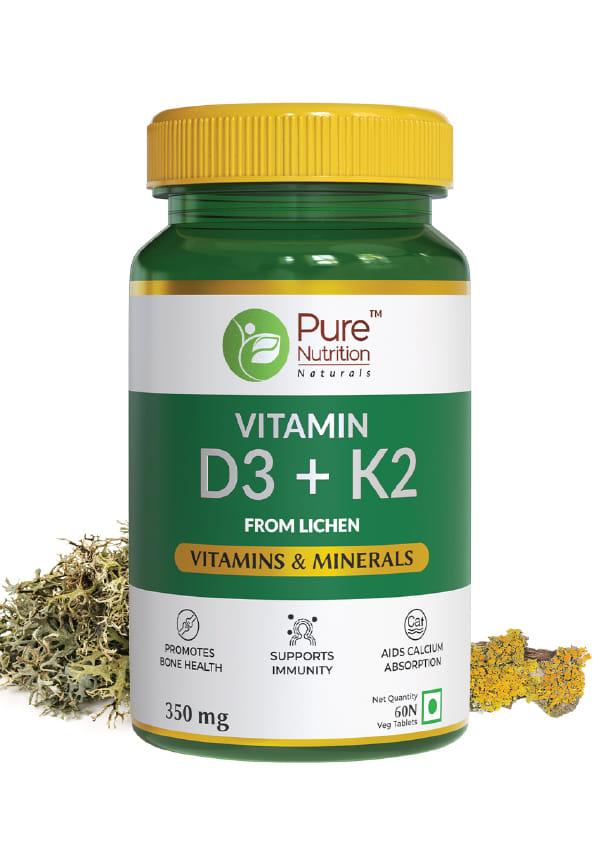
Vitamin D3 (Lichen Source) + Vitamin K2 (Mk-7 55Mcg) 600 IU Daily Wellness Supplement For Strong Bones, Immunity, Joint & Heart Health For Men & Wome
This is actually a myth—calcium and vitamin D work better together. However, taking large amounts of calcium (over 500mg) at once can reduce absorption of other nutrients like iron and zinc. Splitting doses throughout the day optimises absorption.
Bone remodelling is slow—measurable changes in bone density typically take 6-12 months of consistent supplementation. However, improvements in muscle strength and balance can occur within weeks, reducing fall risk immediately.
It depends on where you live, your skin tone, and lifestyle. People in sunny climates with regular outdoor exposure might maintain adequate levels, but most people in temperate climates need supplements, especially during winter months.
Take vitamin D3 with a meal containing fat for better absorption. Morning is often preferred to avoid any potential sleep interference, though this varies by individual. Consistency matters more than specific timing.
Vitamin D helps regulate immune cell function, supporting your body's ability to fight infections while preventing excessive inflammation. Adequate levels are associated with reduced risk of respiratory infections and autoimmune conditions.
Vitamin D can enhance calcium absorption, potentially affecting medications like thiazide diuretics or digoxin. It may also interact with steroids and weight-loss drugs. Always consult your healthcare provider about potential interactions with your specific medications available on Smytten.
Understanding vitamin D3 for bone density isn't just about preventing fractures—it's about maintaining your foundation for an active, healthy life. The science is clear: adequate vitamin D3 levels support calcium absorption, reduce osteoporosis risk, and contribute to overall wellness. Most adults need 800-1000 IU daily, though individual requirements vary based on factors like age, sun exposure, and current vitamin D status.
Don't wait for symptoms to appear—vitamin D deficiency often develops silently over time. Regular testing, consistent supplementation, and a comprehensive approach that includes complementary nutrients like magnesium and vitamin K2 offer the best protection for your bones. Remember, bone health is a long-term investment that pays dividends in mobility, independence, and quality of life as you age.
Your bone health journey doesn't have to be overwhelming or expensive. Smytten is India's largest product discovery and trial platform, connecting you with top wellness brands that offer quality bone health supplements. With curated trial packs from over 1,500 trusted brands, you can explore different vitamin D3 formulations and bone support supplements before committing to full-size purchases. Each mini is linked with Trial Points, and you can get up to 8 minis for just ₹249, plus 100% cashback on trials redeemable for future orders. This try-before-you-buy approach makes it easier to find the right supplements for your bone health needs without the guesswork. With over 25 million users trusting Smytten for authentic, brand-verified products delivered across 27,000+ pincodes, you can confidently explore what works best for your wellness routine. After all, why settle for 'maybe' when you can #TryItAll!
