Understanding Sleep Science FAQ: Your Questions Answered



Melatonin With Vitamin B6 - Tablets Promotes Restful Sleep & Relaxation
Ever wondered why you feel groggy after a poor night's sleep or why your brain feels foggy when you're running on empty? Understanding sleep science isn't just about knowing when to hit the pillow—it's about grasping how this fascinating biological process affects everything from your memory to your mood. Sleep research has exploded in recent years, revealing just how crucial those eight hours really are for your physical and mental wellbeing. Whether you're curious about sleep cycles, wondering how your brain repairs itself during rest, or looking for science-backed ways to improve your sleep quality, you've come to the right place. At Smytten, we know that wellness starts with understanding your body's needs, and sleep is absolutely fundamental to feeling your best.
Sleep science reveals that rest involves complex brain processes including memory consolidation, cellular repair, and toxin removal
Your sleep cycle consists of four distinct stages that repeat every 90 minutes throughout the night
Poor sleep affects your brain function, immune system, metabolism, and mental health in measurable ways
Circadian rhythms act as your body's internal clock, regulating when you feel sleepy or alert
Evidence-based sleep hygiene practices can significantly improve your sleep quality and overall health
Sleep science is the study of how and why we sleep, examining the complex biological processes that occur when we rest. Far from being a passive state, sleep is an active period where your body and brain perform essential maintenance tasks that keep you functioning optimally.
Two key systems control your sleep patterns. First, your circadian rhythm basics involve an internal biological clock that runs on roughly a 24-hour cycle, responding to light and darkness cues. Second, the sleep-wake homeostat tracks how long you've been awake, building up sleep pressure through a chemical called adenosine that accumulates in your brain throughout the day.
Science explains sleep through measurable brain wave activity and physiological changes. During sleep, your brain waves shift from the rapid, irregular patterns of wakefulness to slower, more synchronised waves. Your body temperature drops, heart rate slows, and various hormones are released to support growth and repair processes.
What makes sleep so crucial is that it affects nearly every organ and tissue in your body. From your immune system to your metabolism, from your cardiovascular health to your cognitive function, sleep influences how well your entire body operates.
Your nightly rest isn't just one long stretch of unconsciousness—it's actually a carefully orchestrated series of sleep stages that your brain cycles through multiple times each night. Understanding these stages of sleep helps explain why some nights feel more restorative than others.
Sleep scientists divide sleep into four distinct stages. Stage 1 is the lightest phase, lasting just a few minutes as you transition from wakefulness to sleep. Stage 2 represents deeper light sleep, where your brain waves slow down and your body temperature drops.
Stage 3 is deep sleep, also called slow-wave sleep, characterised by the slowest brain waves. This is when your body does most of its physical repair work. Finally, REM sleep (Rapid Eye Movement) is when most vivid dreaming occurs, and your brain processes emotions and consolidates memories.
These four stages repeat in cycles lasting approximately 90 minutes throughout the night. Early in the night, you spend more time in deep sleep stages, whilst REM periods become longer and more frequent towards morning. This is why waking up naturally often feels easier than being jolted awake by an alarm mid-cycle.

Ashwagandha Tablets,Reduce Stress & Support Sleep Cycle
Each sleep stage has distinct brain wave signatures. Stage 1 shows alpha and theta waves, Stage 2 features sleep spindles and K-complexes, Stage 3 displays slow delta waves, and REM sleep paradoxically shows brain activity similar to wakefulness despite deep sleep.
During these cycles, your brain activates its glymphatic system—essentially a waste removal service that clears out toxins and metabolic byproducts that accumulate during waking hours. This restorative sleep science explains why you wake up feeling refreshed after quality sleep.
Your brain doesn't just rest during sleep—it's incredibly active, performing crucial maintenance and processing tasks that directly impact your cognitive abilities and emotional wellbeing. Understanding how sleep affects the brain reveals why quality rest is non-negotiable for optimal mental function.
During sleep, your brain consolidates memories from the day, transferring important information from temporary storage to long-term memory networks. This process, called memory consolidation, literally rewires your brain to help you learn and remember more effectively.
The connection between sleep and mental health is profound. Poor sleep disrupts the brain's emotional regulation centres, making you more reactive to stress and less able to cope with daily challenges. Research shows that chronic sleep deprivation increases the risk of depression, anxiety, and other mental health conditions.
Sleep also supports brain plasticity—your brain's ability to form new neural connections and adapt to new experiences. This is why getting adequate rest is crucial for learning new skills, whether you're studying for exams or picking up a new hobby.
The consequences of insufficient sleep extend far beyond feeling tired the next day. Sleep deprivation effects cascade through multiple body systems, creating both immediate and long-term health impacts that science is only beginning to fully understand.
Short-term effects hit your cognitive function first. After just one night of poor sleep, your attention span decreases, reaction times slow, and decision-making abilities suffer. Your brain struggles to filter out irrelevant information, making it harder to focus on important tasks.
Long-term sleep deprivation creates more serious health consequences. Chronic sleep loss weakens your immune system, making you more susceptible to infections. It disrupts hormones that regulate hunger and metabolism, contributing to weight gain and increased diabetes risk. Your cardiovascular system also suffers, with poor sleep linked to higher blood pressure and heart disease risk.
The benefits of good sleep become clear when you consider these risks. Quality rest supports immune function, maintains healthy metabolism, stabilises mood, and keeps your cognitive abilities sharp. Recovery sleep can help restore some functions, but it takes time to fully bounce back from chronic sleep debt.
Your circadian rhythm is like having a sophisticated internal timekeeper that regulates when you feel alert or sleepy throughout the day. These circadian rhythm basics explain why you naturally feel tired at certain times and energised at others, even without looking at a clock.
Light exposure plays a crucial role in maintaining healthy circadian rhythms. When light hits your eyes, it signals your brain to suppress melatonin production, keeping you alert. As darkness falls, melatonin levels rise, promoting sleepiness. This is why bright screens before bedtime can disrupt your natural sleep patterns.
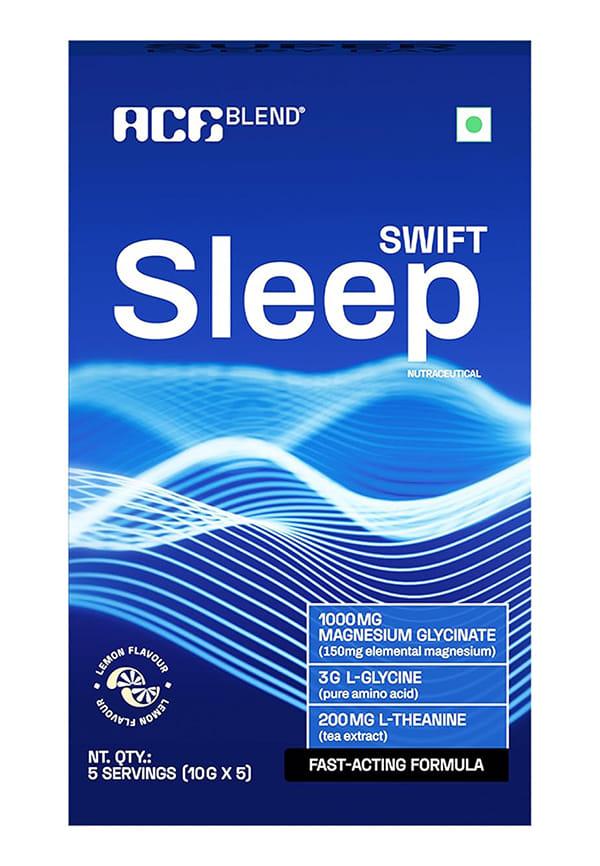
Swift Sleep, Natural Sleep Supplement With Magnesium, L-Theanine And Glycine
Several factors can throw your circadian rhythms off balance. Shift work, jet lag, irregular sleep schedules, and excessive artificial light exposure all confuse your internal clock. When your circadian rhythms are disrupted, you might experience difficulty falling asleep, staying asleep, or feeling rested upon waking.
Your body produces various natural sleep chemicals beyond melatonin. Adenosine builds up during wakefulness, creating sleep pressure. Growth hormone is released during deep sleep to support tissue repair. Cortisol naturally peaks in the morning to help you wake up and gradually decreases throughout the day.
Science has identified numerous strategies for improving sleep quality that go beyond simply spending more time in bed. These evidence-based approaches focus on creating optimal conditions for restorative sleep and supporting your natural sleep-wake cycles.
The 3-3-3 rule helps calm an anxious mind before sleep by identifying 3 things you can see, 3 sounds you can hear, and moving 3 parts of your body. This grounding technique redirects racing thoughts and promotes relaxation.
Your sleep environment significantly impacts sleep quality. Keep your bedroom cool (around 16-19°C), dark, and quiet. Invest in blackout curtains, consider a white noise machine, and ensure your mattress and pillows provide adequate support for comfortable rest.
Establishing a consistent bedtime routine signals your brain that it's time to wind down. Activities like reading, gentle stretching, or practising relaxation techniques help transition your body from wakefulness to sleep. Avoid stimulating activities, large meals, and caffeine for several hours before bedtime.
Blue light from screens can suppress melatonin production, making it harder to fall asleep. Use blue light filters on devices, avoid screens for at least an hour before bed, or consider blue light blocking glasses if you must use technology in the evening.
Regular physical activity improves sleep quality, but avoid vigorous exercise close to bedtime. What you eat also matters—avoid heavy meals, spicy foods, and alcohol before sleep, as these can disrupt your rest. Light snacks containing tryptophan or magnesium might promote better sleep.

SOMNI Natural Sleep Aid Daily Herbal Supplement for Men & Women
The 3-3-3 rule is an anxiety-reducing technique that involves identifying 3 things you can see, 3 sounds you can hear, and moving 3 parts of your body when you're struggling to fall asleep. This mindfulness practice helps ground your thoughts and redirect focus away from worries that might keep you awake. It's particularly helpful for people whose minds race at bedtime.
The four main sleep stages include Stage 1 (light sleep transition lasting a few minutes), Stage 2 (deeper light sleep with slower brain waves), Stage 3 (deep slow-wave sleep for physical restoration), and REM sleep (when most vivid dreaming occurs and memories are processed). These stages cycle approximately every 90 minutes throughout the night.
Science explains sleep through two interacting biological systems: your circadian rhythm (internal 24-hour clock) and the sleep-wake homeostat (which tracks how long you've been awake). These systems work together with brain chemistry, including the buildup of adenosine and release of melatonin, to regulate when you feel sleepy or alert.
Scientific research shows sleep is essential for memory consolidation, cellular repair, immune function, and brain detoxification through the glymphatic system. During sleep, your body releases growth hormones, processes emotions, and clears metabolic waste from brain tissue. Without adequate sleep, these crucial processes can't occur properly.
Natural sleep is induced by melatonin production, adenosine buildup throughout the day, and circadian rhythm signals telling your brain it's time to rest. However, no healthy method creates truly "instant" sleep—quality rest requires proper sleep hygiene and allowing your natural biological processes to work. Quick fixes often disrupt natural sleep patterns.
Natural sleep quality improvements include maintaining consistent sleep and wake times, creating a cool, dark, quiet sleep environment, avoiding screens before bedtime, getting regular exercise (but not close to bedtime), and establishing a relaxing bedtime routine. Many people find success with products available on Smytten that support relaxation and wellness routines.
During REM sleep, your brain becomes highly active, processing emotions and consolidating memories from the day. Brain waves during REM sleep look similar to waking patterns, which is why this stage is associated with vivid dreams. Your brain also strengthens important neural connections whilst weakening unnecessary ones during this crucial sleep stage.
Understanding sleep science reveals that quality rest is far more complex and crucial than simply "switching off" for eight hours. Your brain actively cycles through distinct sleep stages, each serving specific functions from memory consolidation to physical repair. The intricate interplay between circadian rhythms, sleep pressure, and brain chemistry determines how well you sleep and how refreshed you feel upon waking.
Sleep deprivation effects extend throughout your body, impacting everything from immune function to emotional regulation. Conversely, the benefits of good sleep include enhanced cognitive performance, better mental health, stronger immunity, and improved overall wellbeing. By implementing evidence-based sleep hygiene tips and respecting your body's natural sleep-wake cycles, you can significantly improve your sleep quality and, consequently, your quality of life.
Quality sleep forms the foundation of overall wellness, influencing everything from your cognitive performance to your physical health. Just as you wouldn't compromise on the quality of products you use for your skincare or wellness routine, your sleep deserves the same attention and care. Smytten understands that wellness is about making informed choices across all aspects of your lifestyle. As India's largest product discovery and trial platform, Smytten connects you with over 1,500 trusted wellness brands through curated trial packs, letting you explore products that support better sleep and overall wellbeing before committing to full-size purchases. With 100% cashback on trials and authentic brand-verified minis available across 27,000+ pincodes, you can discover what works best for your unique wellness needs. After all, why settle for 'maybe' when you can #TryItAll and find the perfect products to support your journey to better sleep and optimal health!
