Understanding Prenatal Vitamins for Wellness: Your FAQ

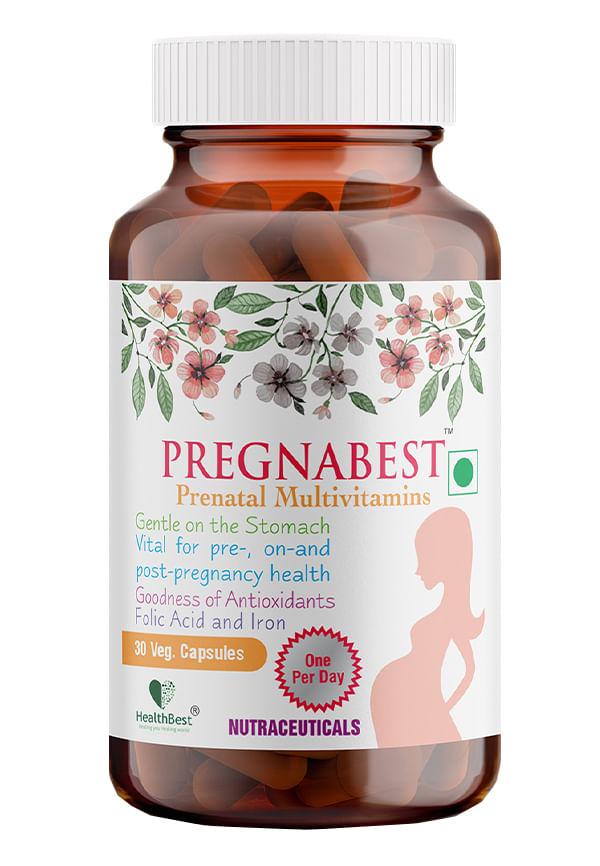
Pregnabest Prenatal Multivitamins for Women – Folic Acid, Iron, Zinc, Vitamin D3
Pregnancy brings a whirlwind of changes, and understanding prenatal vitamins for wellness becomes one of the most important conversations you'll have with your healthcare provider. These specially formulated supplements aren't just another health trend—they're scientifically designed to bridge nutritional gaps during one of the most demanding times in your life. While a balanced diet forms the foundation of prenatal care nutrition, even the most mindful eating habits can fall short of meeting the increased nutrient demands of pregnancy. That's where prenatal vitamins step in, offering targeted support for both maternal health and baby's development. Whether you're planning to conceive or already expecting, navigating the world of prenatal supplements can feel overwhelming with countless options available on Smytten and other platforms. Let's break down everything you need to know about these essential wellness companions.
Prenatal vitamins are specially formulated supplements that provide essential nutrients for pregnancy, including folic acid, iron, calcium, and vitamin D
These supplements support both maternal wellness and foetal development, helping prevent birth defects and pregnancy complications
Key nutrients like folic acid during pregnancy reduce neural tube defect risks by up to 70% when taken before conception
Iron for pregnant women becomes crucial as blood volume increases by 50%, requiring 27mg daily compared to 18mg for non-pregnant women
Choosing prenatal supplements involves looking for third-party testing, appropriate dosages, and consulting healthcare providers for personalised recommendations
Prenatal vitamins are specialised multivitamin supplements designed specifically for women who are pregnant, trying to conceive, or breastfeeding. Unlike regular multivitamins, these formulations contain higher levels of certain nutrients that support the unique demands of pregnancy. The importance of prenatal vitamins extends beyond just filling nutritional gaps—they're your insurance policy against deficiencies that could impact both your health and your baby's development.
The key difference lies in the nutrient profile. Regular multivitamins typically contain lower doses of folic acid, iron, and calcium—nutrients that become absolutely critical during pregnancy. Prenatal supplements benefits include supporting increased blood volume, preventing neural tube defects, and ensuring proper bone development. Most healthcare providers recommend starting prenatal vitamins at least one month before trying to conceive, as many crucial developmental processes happen in the earliest weeks of pregnancy, often before you even know you're expecting.
When it comes to prenatal vitamin ingredients, certain nutrients take centre stage for their critical roles in maternal and foetal health. Understanding these essential nutrients for pregnancy helps you make informed choices about supplementation and ensures you're getting the right support for this transformative time.
Folic Acid (400-800 mcg) stands as the superstar of prenatal nutrition. This B vitamin prevents neural tube defects, which affect the brain and spinal cord development in the first month of pregnancy. The synthetic form, folic acid, is more easily absorbed than naturally occurring folate from foods.
Iron (27 mg) becomes absolutely essential as your blood volume increases by nearly 50% during pregnancy. This mineral prevents anaemia and supports the increased oxygen demands of both you and your growing baby. Iron deficiency during pregnancy can lead to premature birth and low birth weight.
Calcium (1000-1300 mg) supports your baby's developing bones and teeth whilst protecting your own bone density. If you don't consume enough calcium, your body will pull it from your bones to meet your baby's needs.
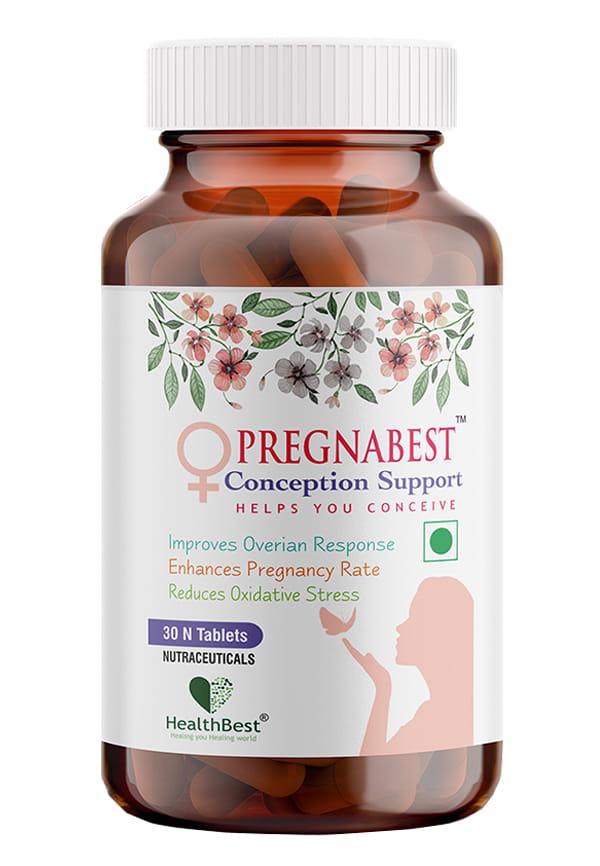
Pregnabest Conception Support Supplement Tablets for Women Enhanced Pregnancy Rate
Vitamin D (600 IU) works hand-in-hand with calcium for proper bone development and supports immune function. Many women are deficient in vitamin D, making supplementation particularly important.
Beyond the core four, vitamins for expecting mothers should include vitamin C for immune support and iron absorption, vitamin A for vision and immune development, and B-complex vitamins for energy metabolism. Zinc supports immune function and wound healing, whilst iodine ensures proper thyroid function—crucial for brain development.
The prenatal supplements benefits extend far beyond preventing deficiencies. These carefully formulated vitamins for expecting mothers support your overall wellness throughout pregnancy and beyond. Many women notice improved energy levels when taking prenatal vitamins, particularly due to the iron and B-vitamin content that supports healthy blood formation and energy metabolism.
Research shows that consistent prenatal vitamin use reduces the risk of pregnancy complications, including preeclampsia and gestational diabetes. The antioxidants in these supplements support immune function, helping your body cope with the increased demands of pregnancy. Additionally, many nutrients continue supporting your health postpartum, particularly if you're breastfeeding, as your nutritional needs remain elevated during this period.
Folic acid during pregnancy deserves special attention as it's considered the most critical prenatal nutrient. This B vitamin plays a fundamental role in DNA synthesis and cell division—processes that are incredibly active during early pregnancy. The recommended dosage is 400-800 mcg daily, starting at least one month before conception and continuing through the first trimester.
What makes folic acid so crucial is its role in preventing neural tube defects, which occur when the neural tube fails to close properly during the first 28 days of pregnancy. These defects can result in conditions like spina bifida or anencephaly. Studies show that adequate folic acid intake can reduce the risk of these defects by up to 70%. For women with a history of neural tube defects or certain medical conditions, healthcare providers may recommend higher doses of up to 4000 mcg daily.
Iron for pregnant women becomes increasingly important as pregnancy progresses. Your iron needs nearly double during pregnancy, jumping from 18 mg to 27 mg daily. This increase supports the 50% increase in blood volume, the development of the placenta, and your growing baby's iron stores for the first six months of life.
Iron deficiency anaemia affects up to 20% of pregnant women and can lead to serious complications including premature birth, low birth weight, and increased risk of postpartum depression. Signs of iron deficiency include fatigue, weakness, pale skin, and restless leg syndrome. To optimise absorption, take iron supplements on an empty stomach with vitamin C-rich foods or drinks, and avoid consuming them with calcium, coffee, or tea.
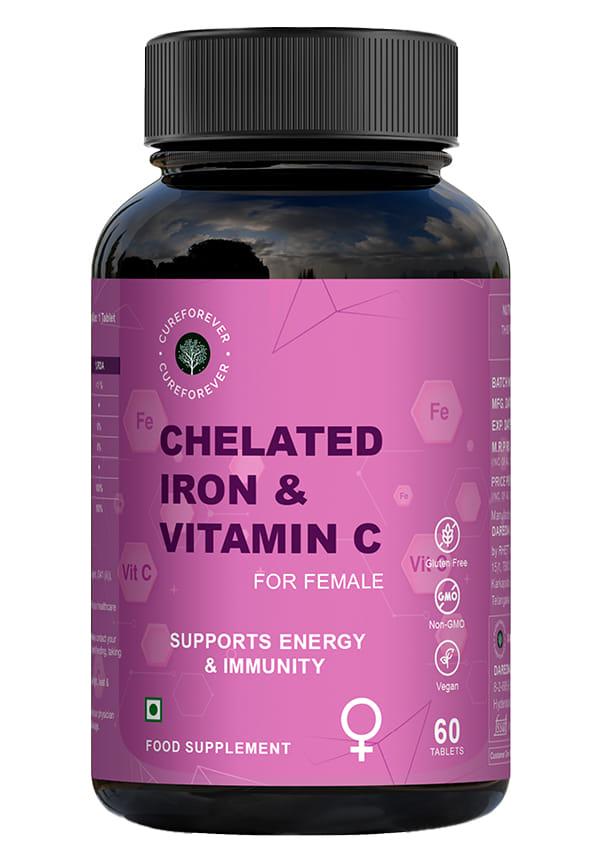
Women Chelated Iron with Vitamin C
Choosing prenatal supplements can feel overwhelming with countless options available. The key is understanding what to look for and what to avoid when selecting the right formula for your needs. Quality should be your top priority, followed by appropriate nutrient levels and your individual health requirements.
Third-party testing ensures that what's on the label matches what's in the bottle. Look for certifications from organisations like USP, NSF, or ConsumerLab. The nutrient forms matter too—seek methylfolate instead of folic acid if you have MTHFR gene variants, and chelated minerals for better absorption.
Steer clear of prenatal vitamins containing excessive vitamin A in the retinol form (more than 3000 IU), as this can cause birth defects. Avoid supplements with herbs like dong quai, goldenseal, or high doses of vitamin E. Always check for allergens if you have sensitivities to gluten, dairy, or other common allergens.
The best approach is consulting your healthcare provider who can assess your individual needs based on your diet, health history, and blood work. Generally, look for prenatal vitamins containing 400-800 mcg folic acid, 27 mg iron, 1000-1300 mg calcium, and 600 IU vitamin D. Your doctor might recommend specific brands or formulations based on your unique requirements.
Basic prenatal vitamins should contain the four essential nutrients: folic acid for neural tube defect prevention, iron for blood health, calcium for bone development, and vitamin D for calcium absorption. Additional beneficial nutrients include vitamin C, B-complex vitamins, zinc, and iodine. The key is consistent daily intake starting before conception when possible.
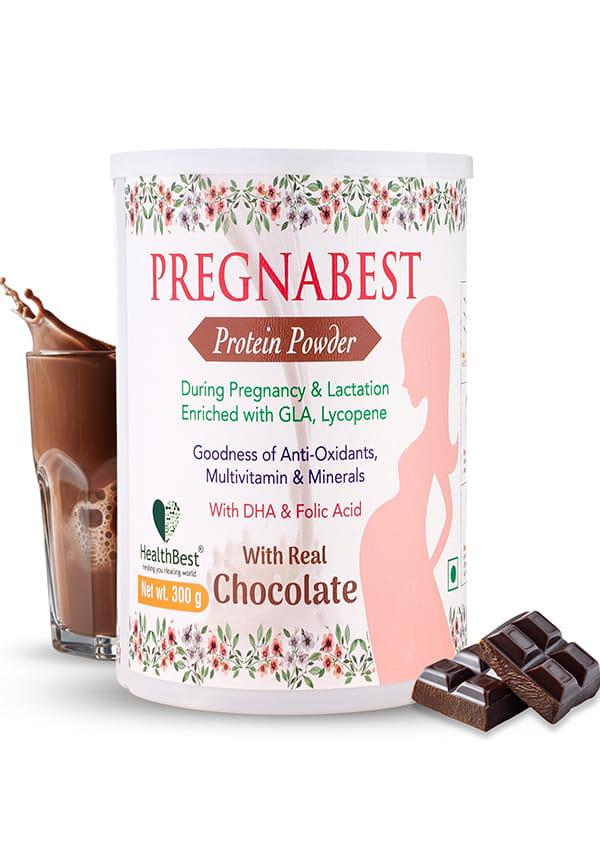
Pregnabest Protein Powder for Women | Prenatal, Pregnancy & Lactation | Anti-Oxidants | Multivitamin & Minerals with DHA & Folic Acid | Chocolate Fla
Most prenatal vitamins can be safely combined with other supplements, but timing and interactions matter. Omega-3 supplements are often recommended alongside prenatals for brain development. However, avoid taking additional iron or vitamin A unless specifically recommended by your healthcare provider. Always space calcium and iron supplements at least two hours apart for optimal absorption.
Folic acid tops the list for preventing birth defects, followed by iron for preventing anaemia and supporting increased blood volume. Calcium and vitamin D work together for bone health, whilst vitamin C supports immune function and iron absorption. B-complex vitamins support energy metabolism, and omega-3 fatty acids promote brain and eye development.
Avoid prenatal vitamins with excessive vitamin A (retinol form), herbs like dong quai or goldenseal, and high doses of vitamin E. Be cautious with supplements containing artificial colours, excessive fillers, or allergens you're sensitive to. Always read labels carefully and consult your healthcare provider about any concerns.
Even with the healthiest diet, meeting all increased nutritional needs during pregnancy can be challenging. Prenatal vitamins available on Smytten and other platforms help bridge nutritional gaps that are difficult to fill through food alone. Nutrients like folic acid and iron are particularly hard to obtain in adequate amounts from diet alone, making supplementation essential for most women.
A healthy pregnancy diet works synergistically with prenatal supplements to support optimal wellness. Prenatal care nutrition involves more than just taking vitamins—it's about creating a comprehensive approach that includes whole foods, proper hydration, and mindful eating patterns. Focus on nutrient-dense foods like leafy greens, lean proteins, whole grains, and colourful fruits and vegetables.
Meal timing can affect nutrient absorption, particularly for iron and calcium. Take iron supplements between meals when possible, and separate calcium-rich foods or supplements from iron by at least two hours. Stay hydrated with plenty of water, as this supports nutrient transport and helps manage common pregnancy symptoms like constipation. If morning sickness affects your eating, try smaller, frequent meals and consider ginger supplements to help manage nausea whilst maintaining nutrition.
Understanding prenatal vitamins for wellness empowers you to make informed decisions about your health during pregnancy. These specialised supplements provide essential nutrients that support both maternal wellness and foetal development, with folic acid, iron, calcium, and vitamin D forming the foundation of any quality prenatal formula. Starting supplementation before conception offers the best protection against birth defects and pregnancy complications.
Remember that prenatal vitamins complement, not replace, a healthy diet. Work with your healthcare provider to choose the right supplements for your individual needs, considering factors like your diet, health history, and any existing deficiencies. Quality matters when selecting prenatal vitamins, so look for third-party tested products with appropriate nutrient levels and bioavailable forms.
Navigating pregnancy wellness doesn't have to be overwhelming when you have the right information and support. Smytten is India's largest product discovery and trial platform, connecting consumers with top lifestyle, beauty, wellness, and grooming brands. With curated trial packs from over 1,500 trusted brands, you can explore wellness products before committing to full-size purchases. The platform covers a wide range of categories, including prenatal and wellness supplements, allowing you to try before you buy with 100% cashback on trial minis. With over 25 million users and authentic brand-verified minis delivered across 27,000+ pincodes, Smytten helps you make smarter, more confident choices for your wellness journey. After all, why settle for 'maybe' when you can #TryItAll!
