Understanding Male Fertility Supplements: Your FAQ

When it comes to male fertility health, the supplement aisle can feel overwhelming. With countless options promising to boost sperm quality and support reproductive wellness, it's natural to wonder what actually works. Understanding male fertility supplements for wellness isn't just about picking the most expensive bottle—it's about knowing which nutrients your body needs, how they work, and what realistic expectations look like. Whether you're planning to start a family or simply want to support your reproductive health, having the right information makes all the difference. That's where platforms like Smytten come in handy, offering trial packs of wellness products so you can explore what works for your body without the commitment of full-size purchases.
TL;DR
Male fertility supplements work by providing essential nutrients like CoQ10, zinc, and antioxidants that support sperm production and quality
Evidence shows supplements can improve sperm parameters, but results typically take 2-3 months to show due to sperm development cycles
Key nutrients for male fertility include folic acid, vitamin D, selenium, and L-carnitine, which support different aspects of reproductive health
Natural approaches like proper diet, exercise, and stress management enhance supplement effectiveness
Quality matters—look for third-party tested supplements and consult healthcare providers for personalised guidance
Male fertility supplements are specially formulated nutritional products designed to support male reproductive wellness and sperm health. Unlike general multivitamins, these supplements contain targeted nutrients in specific dosages that research suggests may improve various aspects of male fertility. They work by addressing nutritional gaps that could impact sperm production, quality, and overall reproductive function.
The science behind supplements for male reproductive health centres on the fact that sperm development takes approximately 74 days. During this time, developing sperm cells are particularly vulnerable to oxidative stress, nutritional deficiencies, and environmental factors. Quality supplements provide antioxidants and essential nutrients that protect sperm DNA, support healthy hormone production, and optimise the cellular processes involved in sperm creation.
It's worth noting that male fertility supplements differ significantly from fertility medications. While medications are prescribed for specific medical conditions and can have immediate effects on hormone levels, supplements work more gradually by supporting the body's natural processes. They're generally considered safe for most men but work best as part of a comprehensive approach to reproductive health rather than a quick fix.
The evidence supporting male fertility supplements is quite promising, though it's important to have realistic expectations. Multiple clinical studies and meta-analyses have shown that certain nutrients can significantly improve sperm quality enhancement parameters, including concentration, motility, and morphology.
A comprehensive review of randomised controlled trials found that antioxidant supplementation improved pregnancy rates by up to 23% in couples undergoing fertility treatment. Another large-scale study demonstrated that men taking specific combinations of vitamins and minerals saw improvements in sperm concentration and motility within three months of consistent use.
However, supplement effectiveness depends on several factors. Men with existing nutritional deficiencies tend to see more dramatic improvements than those with adequate baseline nutrition. Age, lifestyle factors, underlying health conditions, and the quality of supplements used all influence outcomes. The key is understanding that improving sperm health naturally is a gradual process that requires patience and consistency.
Research consistently highlights several vitamins for male fertility as particularly effective. Coenzyme Q10 stands out for its ability to improve sperm motility and concentration, with studies showing significant improvements after 3-6 months of supplementation. Zinc and folic acid combinations have demonstrated remarkable results in improving sperm concentration and DNA integrity.
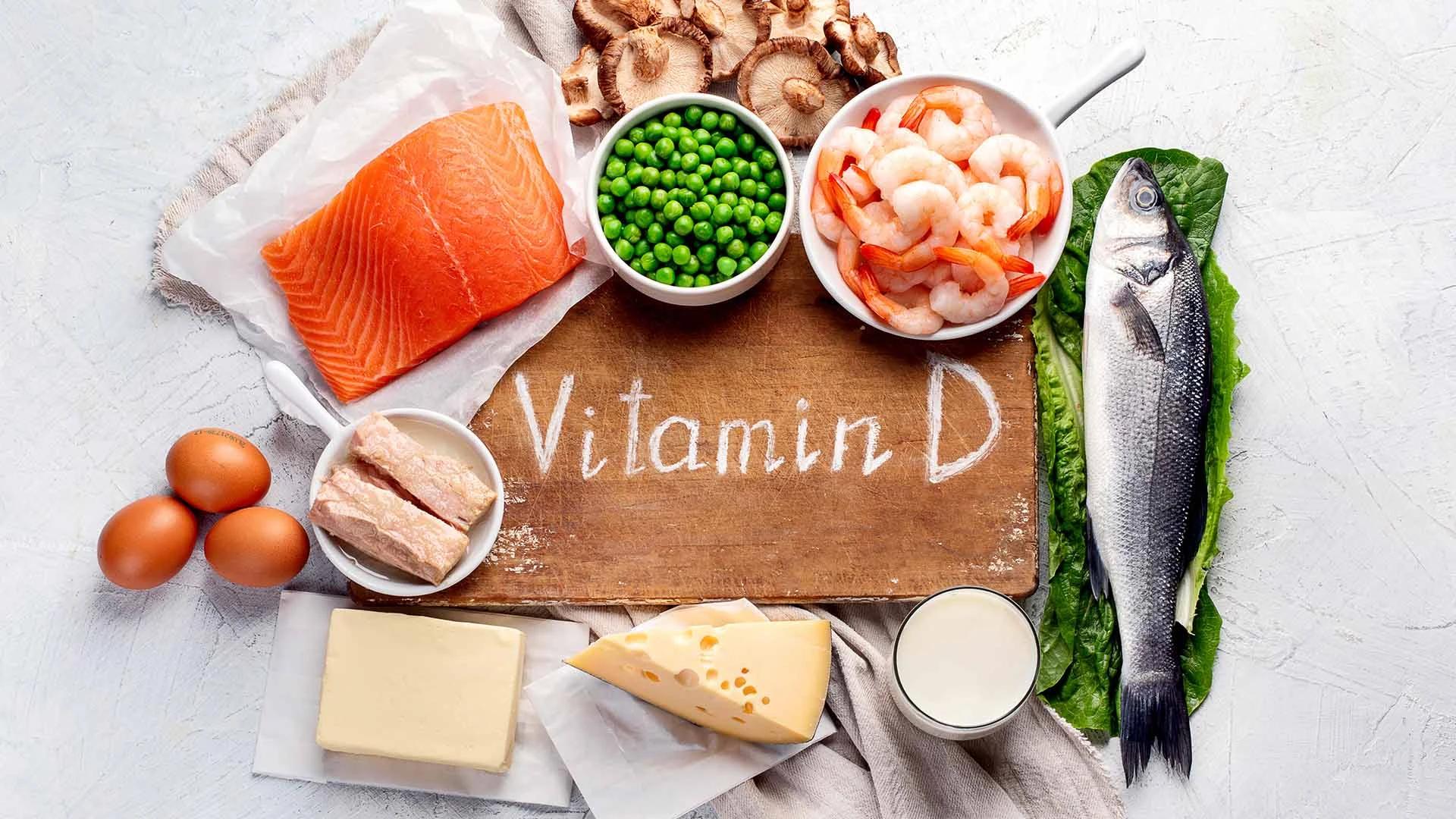
Vitamin D deficiency, surprisingly common among men, has been linked to poor sperm quality. Supplementation can help regulate hormone production and improve overall sperm parameters. Antioxidants like vitamin C, vitamin E, and selenium work together to protect sperm from oxidative damage, which is a major cause of male fertility issues.
Understanding which nutrients for male fertility are most important helps you make informed choices about supplementation. The male reproductive system has specific nutritional requirements that differ from general health needs, and deficiencies in key areas can significantly impact fertility outcomes.
Micronutrients play crucial roles in hormone production, sperm development, and DNA protection. Zinc is perhaps the most critical, as it's involved in testosterone production and sperm formation. Even mild zinc deficiency can reduce sperm count and motility. Selenium works as a powerful antioxidant, protecting sperm membranes from damage, while also supporting sperm motility.
Folate isn't just important for women—men with higher folate levels show significantly better sperm DNA integrity. This B-vitamin helps prevent chromosomal abnormalities in sperm, which can affect both conception rates and pregnancy outcomes. L-carnitine supports energy metabolism in sperm cells, helping them swim more effectively towards the egg.
While supplements can fill nutritional gaps, a well-planned male fertility diet provides the foundation for reproductive health. Foods rich in omega-3 fatty acids, like fatty fish and walnuts, support hormone production and reduce inflammation. Colourful fruits and vegetables provide antioxidants that protect sperm from oxidative stress.
Whole grains, lean proteins, and healthy fats create an optimal environment for sperm production. Limiting processed foods, excessive alcohol, and trans fats can prevent factors that negatively impact sperm quality. The Mediterranean diet pattern has shown particular promise for supporting male reproductive system health.
While supplements provide targeted nutritional support, natural ways to boost male fertility extend far beyond what you take in pill form. Lifestyle factors play an enormous role in reproductive health, and addressing these areas can significantly enhance the effectiveness of any supplementation programme.
Regular exercise improves blood flow to reproductive organs, helps maintain healthy weight, and supports optimal hormone production. However, balance is key—excessive high-intensity exercise can actually decrease testosterone levels and negatively impact sperm production. Moderate cardio combined with strength training appears to be the sweet spot for supporting male fertility health.
Sleep quality directly affects hormone production, particularly testosterone, which peaks during deep sleep phases. Men who consistently get 7-9 hours of quality sleep show better sperm parameters than those who are sleep-deprived. Creating a sleep-friendly environment and maintaining consistent sleep schedules can significantly impact reproductive wellness.
Chronic stress elevates cortisol levels, which can suppress testosterone production and negatively impact sperm quality. Stress management techniques like meditation, yoga, or regular relaxation practices can help maintain hormonal balance. Even simple breathing exercises practiced daily can make a meaningful difference.
Environmental toxins pose a significant threat to male fertility. Reducing exposure to pesticides, heavy metals, and endocrine-disrupting chemicals supports the body's natural reproductive processes. This might mean choosing organic foods when possible, using natural cleaning products, and being mindful of plastic use, especially for food storage.
Many men have specific concerns about their fertility parameters, and understanding when supplements might help versus when medical intervention is needed is crucial. Sperm motility is one of the most common concerns, with many men wondering if their levels are adequate for conception.
Normal sperm motility ranges from 40-81%, so a reading of 38% motility falls just below the lower threshold but isn't necessarily cause for panic. This level might benefit significantly from targeted supplementation, particularly with CoQ10 and L-carnitine, which specifically support sperm movement. However, it's important to look at the complete picture, including sperm concentration and morphology.
Varicocele, enlarged veins in the scrotum, affects about 15% of men and can impact sperm quality enhancement efforts. While supplements can provide supportive benefits by reducing oxidative stress and supporting overall sperm health, varicocele often requires medical evaluation and potentially surgical intervention for optimal results.
Supplements work best as part of a comprehensive approach to male reproductive wellness, but they have limitations. If you've been trying to conceive for over a year (or six months if your partner is over 35), it's time to consult a fertility specialist. Similarly, if you have known health conditions affecting fertility, supplements should complement, not replace, medical treatment.
Professional semen analysis provides valuable baseline information and helps determine whether supplements are likely to be beneficial. Some fertility issues require medical intervention, and delaying appropriate treatment while relying solely on supplements can reduce your chances of success.
Most men see improvements in sperm parameters after 2-3 months of consistent supplementation. This timeline reflects the natural sperm development cycle, which takes approximately 74 days. Some men notice changes in energy levels or general wellbeing sooner, but measurable improvements in sperm quality typically require at least two complete cycles.
Yes, many nutrients work synergistically to support male reproductive health. However, it's important to avoid exceeding recommended dosages, particularly for fat-soluble vitamins and minerals like zinc. Consider choosing a comprehensive fertility supplement rather than taking multiple individual products to avoid potential interactions or overdosing.
High-quality supplements are generally well-tolerated, but some men may experience mild digestive upset, especially when starting supplementation. Taking supplements with food usually minimises these effects. Excessive doses of certain nutrients can cause problems—too much zinc can interfere with copper absorption, while high-dose antioxidants might actually become pro-oxidant.
Look for supplements that are third-party tested for purity and potency. Check for proper dosages based on research—many products contain insufficient amounts of active ingredients. Choose reputable brands with transparent labelling and avoid products making unrealistic claims. Smytten's trial packs let you test different brands before committing to full-size purchases.
Many couples wonder about this, but male fertility supplements primarily benefit sperm quality, which is determined months before conception occurs. Once pregnancy is confirmed, the focus typically shifts to supporting your partner's nutritional needs. However, maintaining good nutritional status supports overall health and future fertility.
While supplements can't reverse aging, they may help mitigate some age-related changes in sperm quality. Antioxidants become increasingly important as men age, as oxidative stress tends to increase over time. CoQ10 and other nutrients that support cellular energy production may be particularly beneficial for older men.
The most reliable way to assess supplement effectiveness is through follow-up semen analysis after 3-4 months of consistent use. Some men notice improvements in energy levels, libido, or general wellbeing before formal testing shows sperm parameter improvements. Keep a simple log of any changes you notice.
Understanding male fertility supplements for wellness requires a balanced, evidence-based approach. The research clearly shows that targeted supplementation can improve sperm quality and support reproductive health, but success depends on choosing the right nutrients, maintaining realistic expectations, and addressing lifestyle factors that impact fertility.
Quality matters enormously when selecting supplements. Look for products with clinically relevant dosages of proven ingredients like CoQ10, zinc, folic acid, and antioxidants. Remember that improving sperm health naturally is a gradual process that requires patience and consistency—most men need at least 2-3 months to see meaningful improvements.
The most effective approach combines targeted supplementation with a fertility-supporting lifestyle. This means maintaining a nutritious diet, exercising regularly, managing stress, getting adequate sleep, and minimising exposure to environmental toxins. When these elements work together, they create optimal conditions for reproductive wellness.
Navigating the world of male fertility supplements doesn't have to be overwhelming when you have access to the right resources and information. Smytten is India's largest product discovery and trial platform, connecting consumers with top lifestyle, beauty, wellness, and grooming brands. With curated trial packs from over 1,500 trusted brands, you can explore different wellness supplements before committing to full-size purchases. Each mini is linked with Trial Points, and users can get up to 8 minis for just ₹249, plus Smytten offers 100% cashback on the purchase of these minis, redeemable for future orders. This makes discovering the right fertility supplements both affordable and risk-free. With over 25 million users and authentic brand-verified minis delivered across 27,000+ pincodes, Smytten helps you make smarter, more confident choices about your reproductive wellness journey. After all, why settle for 'maybe' when you can try before you buy and find what truly works for your body?
