Understanding Iron Supplements for Active Men: FAQ

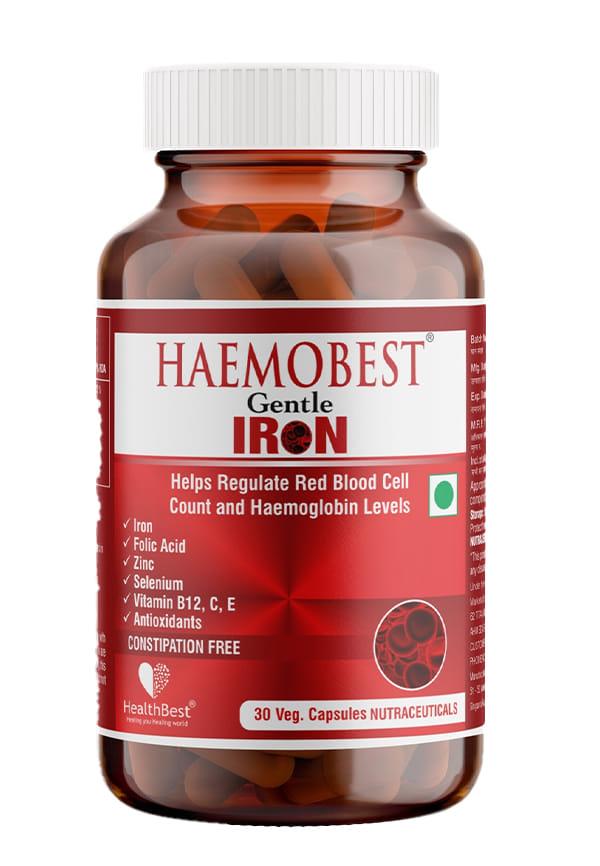
Haemobest Iron Supplement for Hemoglobin Support, Energy & Immunity, Men & Women
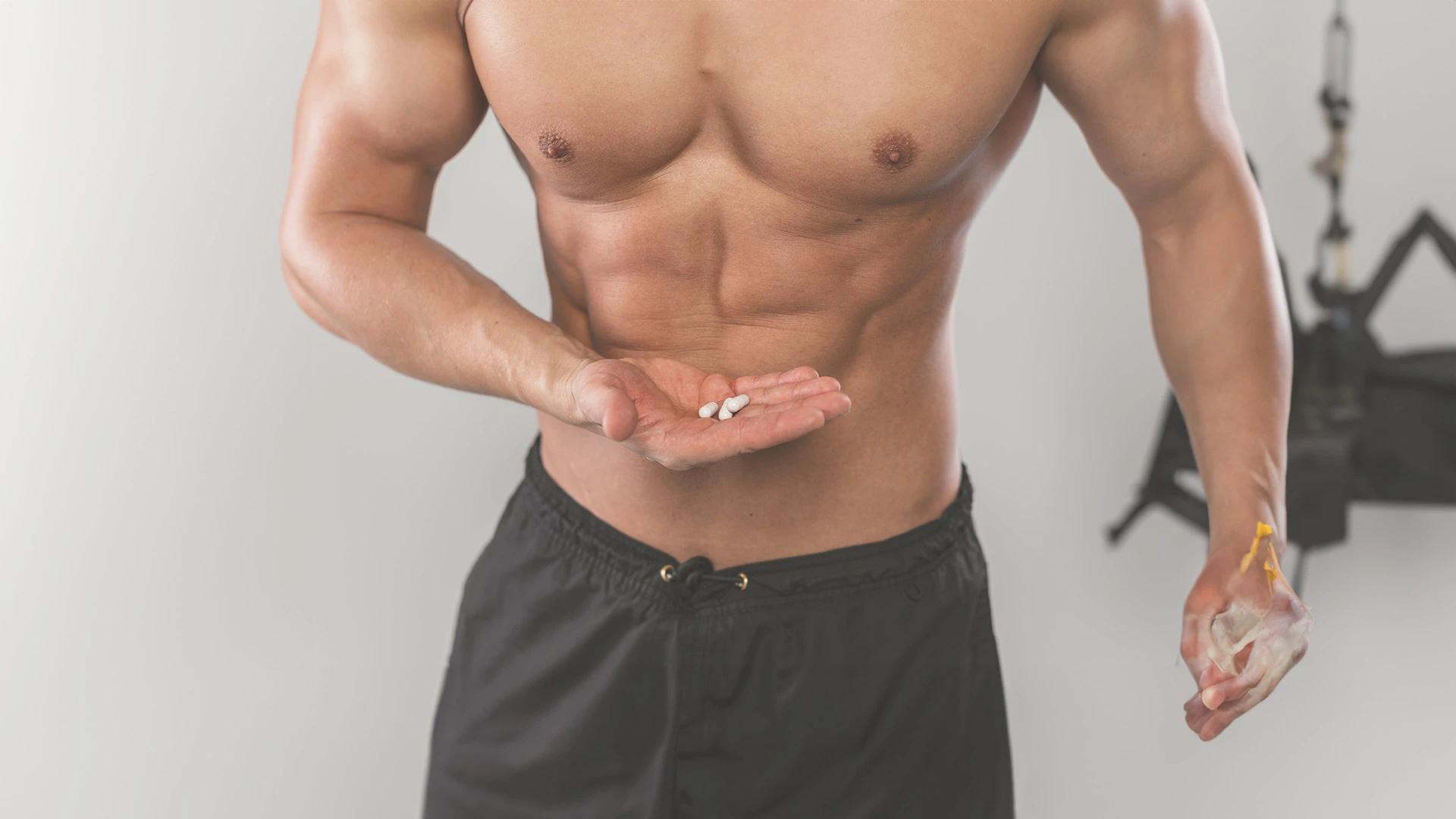
Let's be real—when you think about iron supplements, you probably picture tired women reaching for a bottle after their monthly cycle. But here's the thing: active men need iron just as much, if not more, than anyone else. Whether you're smashing personal records at the gym, training for a marathon, or just trying to keep up with your fitness goals, understanding iron supplements for active men for wellness isn't just helpful—it's essential. Your body's working overtime when you're active, and iron plays a starring role in keeping everything running smoothly. From oxygen transport to muscle function, this mineral is basically your body's unsung hero. And with Smytten's wellness category offering trial-sized supplements, you can explore what works for your body without the commitment of full-size bottles.
Active men need more iron than sedentary guys due to increased demands from exercise and sweat loss
Iron deficiency in men shows up as decreased endurance, fatigue, and poor recovery—not just general tiredness
Food sources are ideal, but supplements might be necessary for men with high training loads
Proper timing and absorption strategies can make or break your iron supplementation success
Testing your iron levels is crucial before starting any supplement routine
Here's something that might surprise you: iron isn't just about preventing anaemia. For active men, iron and muscle function go hand in hand in ways that can make or break your performance. When you're pushing your body through intense workouts, iron becomes the MVP of your internal team, carrying oxygen from your lungs to every working muscle.
Think of iron as your body's delivery service. Every time you take a breath during that killer HIIT session, iron-rich red blood cells are frantically shuttling oxygen to your muscles. Without enough iron, it's like having a delivery truck with a broken engine—the goods (oxygen) just can't get where they need to go efficiently.
Your iron needs for fitness go way beyond what sedentary men require. Regular exercise increases iron demands through several pathways: foot strike haemolysis (yes, your feet literally break down red blood cells when they hit the ground), increased red blood cell production, and iron loss through sweat. Male athletes can lose up to 1.5mg of iron daily through sweat alone—that's nearly 20% of the recommended daily intake.
The benefits of iron for active men extend far beyond just feeling less tired. Iron supports the production of myoglobin, a protein that stores oxygen in muscle tissue. It's also crucial for the electron transport chain in your mitochondria—basically, the powerhouses that fuel your workouts. Low iron means less efficient energy production, which translates to that frustrating feeling when you know you should be able to push harder but just can't.
Iron deficiency in men often flies under the radar because it doesn't always look like the textbook symptoms you'd expect. For active guys, the signs are often performance-related rather than just general fatigue.
The early warning signs are sneaky. You might notice your usual 5K time creeping up, or that last set of squats feeling impossibly heavy when it used to be manageable. Your heart rate might spike higher than normal during workouts, and recovery between sets takes longer than it should.
Male athletic performance iron deficiency shows up in specific ways. Your VO2 max might plateau or even decrease despite consistent training. You might find yourself getting winded during activities that used to feel easy, or notice that your endurance tanks earlier in longer workouts.
Outside of training, iron deficiency can mess with your focus and mood. That brain fog during important meetings or difficulty concentrating on tasks that require mental stamina? It might not just be stress—it could be your iron levels talking.
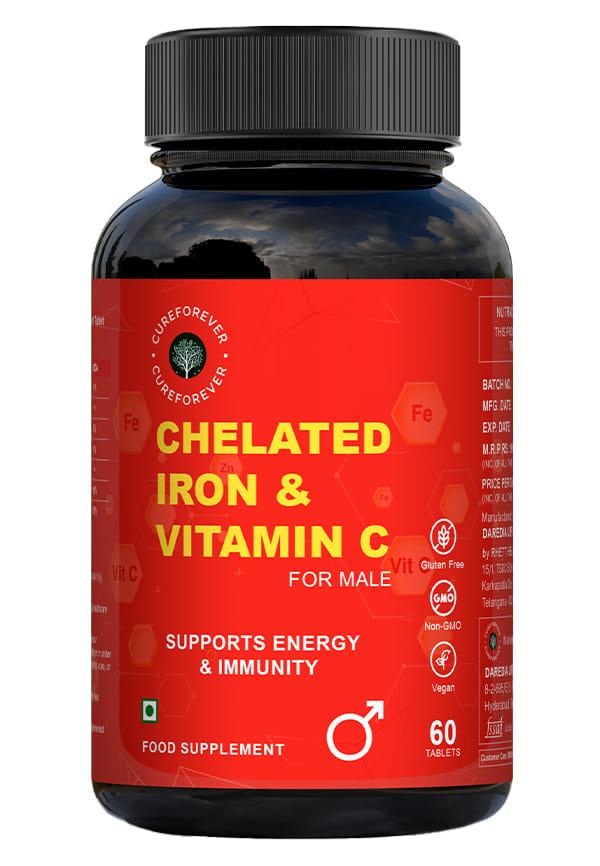
Chelated Iron with Vitamin C for Men
The standard recommendation of 8.7mg daily for men assumes you're living a relatively sedentary lifestyle. But if you're training regularly, especially if you're doing endurance work or high-intensity sessions, your needs can jump significantly.
Iron for male athletes typically ranges from 10-15mg daily, depending on training volume, intensity, and individual factors like body size and sweat rate. Endurance athletes, in particular, might need even more due to the combination of foot strike haemolysis and increased red blood cell turnover.
Your iron needs aren't just about how much you exercise. Factors like your baseline iron stores, dietary patterns, and even your genetics play a role. Some men have genetic variations that affect iron absorption, meaning they need higher intakes to maintain optimal levels.
High-intensity training creates a perfect storm for increased iron needs. Not only are you producing more red blood cells to meet oxygen demands, but you're also losing iron through increased sweat production and the mechanical stress of intense exercise.
When it comes to the best iron sources for men, food should always be your first line of defence. Heme iron from animal sources like lean red meat, poultry, and fish is absorbed much more efficiently than non-heme iron from plant sources.
A 100g serving of lean beef provides about 3.5mg of highly absorbable heme iron, while the same amount of spinach gives you 2.7mg of non-heme iron that your body absorbs at a much lower rate. For active men, incorporating iron-rich animal proteins into post-workout meals can be a game-changer.
If you're following a plant-based diet, you'll need to be more strategic. Combine iron-rich foods like lentils, quinoa, and dark leafy greens with vitamin C sources to boost absorption. A squeeze of lemon on your spinach salad isn't just for flavour—it can double the iron absorption.
Sometimes, even the best dietary strategies aren't enough. If you're training intensively, following a restricted diet, or have confirmed iron deficiency, supplements might be necessary. The key is choosing the right type and timing it properly.
Iron absorption for men can be tricky because your body tightly regulates how much iron it takes in. Understanding the enhancers and inhibitors can help you get the most from both food and supplements.
Vitamin C is your best friend when it comes to iron absorption. Taking your iron supplement with orange juice or eating iron-rich foods alongside bell peppers, strawberries, or citrus fruits can significantly boost uptake. Meat proteins also enhance iron absorption, which is why that post-workout steak isn't just satisfying—it's strategic.
For iron supplements for energy, timing matters. Taking iron on an empty stomach maximises absorption, but it can cause stomach upset. If you're sensitive, take it with a small amount of food that includes vitamin C. Avoid taking iron with calcium-rich foods, coffee, or tea, as these can significantly reduce absorption.
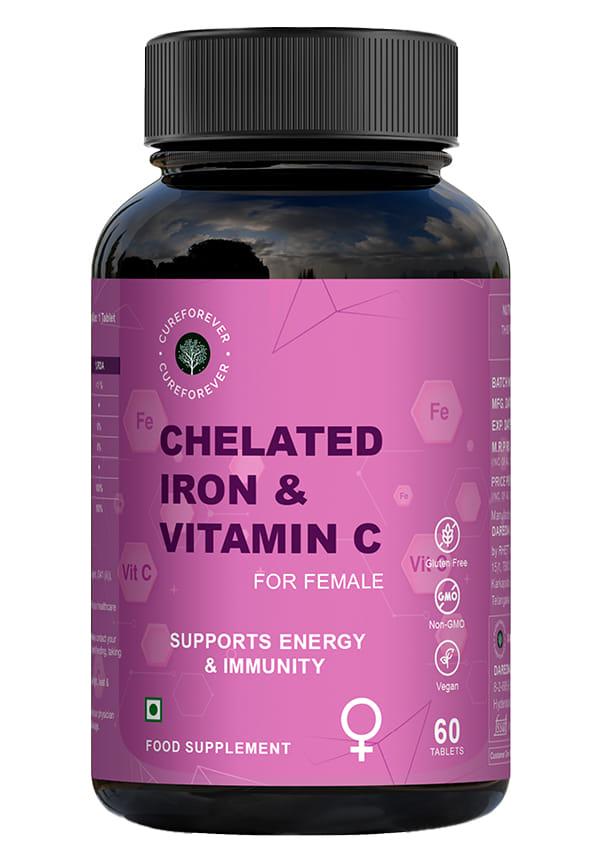
Women Chelated Iron with Vitamin C
Your morning coffee habit might be sabotaging your iron levels. Tannins in coffee and tea can reduce iron absorption by up to 60%. If you're supplementing with iron, wait at least two hours after your morning brew before taking your supplement.
The benefits of iron for active men go far beyond just preventing that sluggish feeling. Iron is integral to oxygen transport, but it's also crucial for energy metabolism at the cellular level.
When your iron levels are optimal, you'll notice improvements in endurance, faster recovery between training sessions, and better overall exercise tolerance. Your muscles can work more efficiently because they're getting the oxygen they need, when they need it.
Iron doesn't just fuel your muscles—it feeds your brain too. Adequate iron levels support cognitive function, helping you stay focused during long training sessions and maintain the mental stamina needed for complex movement patterns or strategic thinking in sports.
Heavy training can suppress your immune system, but iron plays a role in immune function too. Maintaining adequate iron levels helps support your body's defence mechanisms, potentially reducing the risk of those annoying colds that derail your training schedule.
Not all iron supplements are created equal. Ferrous sulfate is the most common and cheapest option, but it's also the most likely to cause stomach upset. Chelated forms like iron bisglycinate are gentler on the stomach and often better absorbed.
Managing iron levels in men requires a careful approach because too much iron can be just as problematic as too little. Men are actually more prone to iron overload than women because they don't have the natural monthly iron loss that women experience.
Start with the lowest effective dose and work up if needed. For most active men, 10-18mg of elemental iron daily is sufficient. Always check the label carefully—iron supplements list both the total compound weight and the elemental iron content, and it's the elemental iron that matters.
Regular monitoring is crucial when supplementing with iron. Get your iron levels checked before starting supplementation and recheck after 8-12 weeks. This includes not just haemoglobin, but also ferritin (your iron stores) and transferrin saturation.
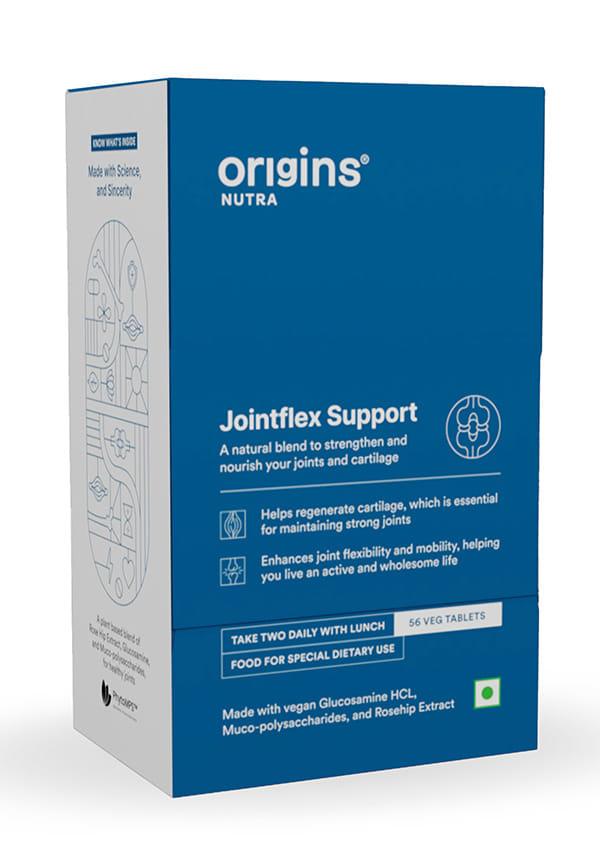
Origins Nutra Jointflex Support For Men & Women|56 Veg Tablets Pack of 1
Most healthy men don't need iron supplements due to efficient iron storage and lack of monthly iron loss. However, active men with high training loads, those following restrictive diets, or men with confirmed iron deficiency may benefit from targeted supplementation under medical guidance.
While the standard recommendation is 8.7mg daily for men, active men typically need 10-15mg daily depending on training intensity, sweat rate, and individual factors. Endurance athletes may require even higher amounts due to increased red blood cell turnover.
Iron deficiency in active men often presents as decreased endurance, longer recovery times between sets, elevated heart rate during exercise, and plateauing or declining performance despite consistent training. General fatigue and difficulty concentrating may also occur.
Iron supplements can significantly improve aerobic performance and reduce exercise-related fatigue in iron-deficient active men. However, supplementation won't provide performance benefits for men with normal iron levels and may even be harmful if it leads to iron overload.
Iron supplements are best absorbed on an empty stomach, ideally 1-2 hours before or after meals. For active men, taking iron supplements 2-3 hours before training can help avoid stomach upset during exercise while maximising absorption.
Coffee, tea, dairy products, whole grains, and foods high in calcium or zinc can significantly reduce iron absorption. It's best to avoid these foods for at least 2 hours before and after taking iron supplements or eating iron-rich meals.
Yes, Smytten's wellness section offers various iron supplement options in trial sizes, allowing you to test different formulations like ferrous sulfate, iron bisglycinate, or iron fumarate to see which works best for your body before committing to full-size bottles.
Understanding iron supplements for active men isn't just about popping a pill and hoping for the best. It's about recognising that your iron needs are different from sedentary men, knowing how to spot the signs of deficiency before they tank your performance, and implementing a strategic approach to both dietary and supplemental iron.
The most important takeaway? Get tested before you supplement. Iron deficiency and iron overload can both mess with your performance and health, so knowing where you stand is crucial. Focus on iron-rich foods first, optimise absorption through smart food combining, and only consider supplements if dietary strategies aren't enough or if you have confirmed deficiency.
Remember that iron supplementation isn't a quick fix—it takes weeks to months to rebuild iron stores and see performance improvements. Be patient, stay consistent, and work with a healthcare provider to monitor your progress.
Your fitness journey is all about making informed choices that support your goals, and understanding your iron needs is a crucial part of that puzzle. Whether you're exploring different supplement options or fine-tuning your nutrition strategy, having access to trial-sized products can make all the difference. Smytten's wellness category offers curated trial packs from trusted brands, letting you discover what works for your body without the commitment of full-size purchases. With 100% cashback on trials and authentic brand-verified minis available across India, you can explore iron supplements and other wellness products with confidence. After all, why settle for guessing when you can try before you buy and find exactly what your active lifestyle needs?
