Understanding Gut Health Issues: Your FAQ


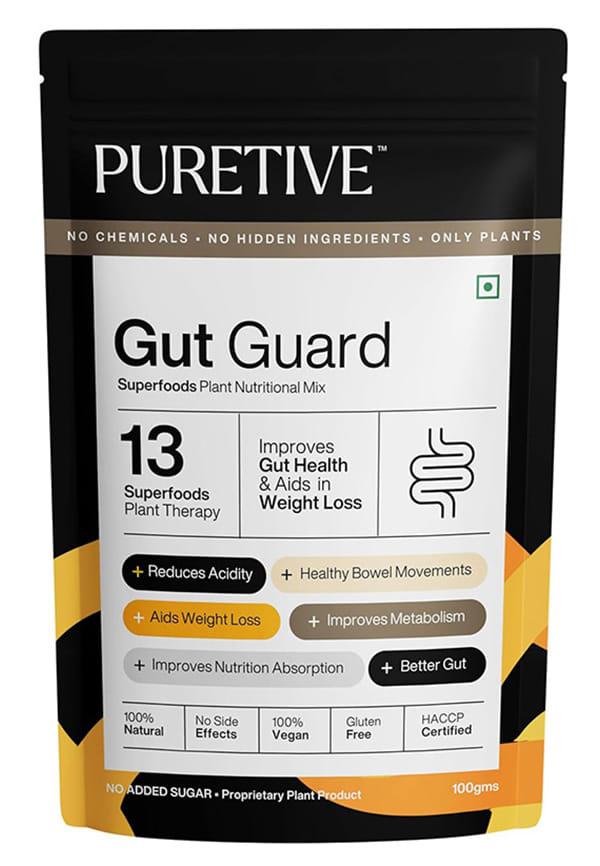
Gut Health Superfoods Nutritional Mix
Your gut is basically your body's second brain, and when it's not happy, you'll definitely know about it. From that uncomfortable bloating after meals to feeling constantly tired despite getting enough sleep, understanding gut health issues has become more important than ever. With research showing that 70% of your immune system lives in your gut, it's no wonder that digestive problems can affect everything from your mood to your energy levels. Whether you're dealing with persistent stomach troubles or just want to optimise your overall wellness, getting to grips with how your gut works is the first step towards feeling your best. At Smytten, we've noticed more people exploring wellness products that support digestive health, and honestly, it makes perfect sense when you realise just how connected your gut is to your entire wellbeing.
Your gut health affects everything from immunity to mood, with 70% of immune cells living in your digestive system
Common signs of poor gut health include bloating, irregular bowel movements, fatigue, and frequent infections
Gut issues like inflammation and leaky gut can be triggered by stress, processed foods, and lifestyle factors
Natural healing involves eating diverse, fibre-rich foods, managing stress, and incorporating probiotics
Seek professional help for severe symptoms like persistent pain, blood in stool, or unexplained weight loss
Let's start with the basics. Your gut health refers to the balance of microorganisms living in your digestive tract, collectively known as your gut microbiome. Think of it as a bustling city where trillions of bacteria, fungi, and other microbes work together to keep your body functioning properly. When this ecosystem is balanced, you feel energetic, digest food easily, and rarely get sick.
The gut microbiome isn't just about digestion though. These tiny residents produce vitamins, regulate hormones, and communicate directly with your brain through what scientists call the gut-brain axis. This connection explains why you might feel butterflies when nervous or experience brain fog when your digestive health is off. Your gut bacteria also play a crucial role in training your immune system, helping it distinguish between harmful invaders and harmless substances.
Your body has its own way of telling you when something's not quite right with your digestive system. These gut health symptoms often start subtly but can become more noticeable over time if left unaddressed.
The most obvious signs usually show up in your digestive system first. Persistent bloating that makes your jeans feel tight, especially after eating, is often one of the first red flags. You might also notice irregular bowel movements—either struggling with constipation or dealing with loose stools more frequently than usual.
Heartburn and acid reflux that occur regularly, not just after spicy meals, can indicate gut inflammation. Abdominal pain and cramping, particularly if it's become your new normal, shouldn't be ignored either.
Here's where it gets interesting—poor gut health doesn't just stay in your stomach. Chronic fatigue that doesn't improve with rest often points to nutrient absorption issues or inflammation affecting your energy production.
Sleep disturbances and frequent headaches can also be linked to gut problems, as can mood changes like increased anxiety or that frustrating brain fog that makes concentrating difficult. If you've suddenly developed food intolerances or find yourself getting sick more often than usual, your gut bacteria balance might be off.
Understanding the specific problems that can affect your digestive system helps you recognise what might be happening in your own body. These conditions often overlap and can trigger each other, creating a cycle that's important to break.

Gut Cleansner
Gut inflammation occurs when your intestinal lining becomes irritated and swollen, often due to poor diet choices, chronic stress, or exposure to toxins. This inflammation can disrupt the delicate balance of your gut microbiome and interfere with proper digestion.
Common triggers include processed foods high in sugar and artificial additives, excessive alcohol consumption, certain medications like NSAIDs, and even chronic stress that keeps your body in fight-or-flight mode.
Also known as increased intestinal permeability, leaky gut happens when the tight junctions in your intestinal wall become loose, allowing toxins, bacteria, and undigested food particles to escape into your bloodstream. This can trigger immune responses and inflammation throughout your body.
While controversial in some medical circles, many functional medicine practitioners recognise leaky gut as a real condition that can contribute to autoimmune disorders, allergies, and chronic inflammation.
Dysbiosis refers to an imbalance in your gut bacteria, where harmful microorganisms outnumber the beneficial ones. This can lead to conditions like SIBO (Small Intestinal Bacterial Overgrowth) or candida overgrowth, both of which can cause significant digestive discomfort and systemic symptoms.
Getting to the bottom of what's causing your gut issues is crucial for finding the right solution. Most gut problems stem from a combination of factors rather than a single cause.
Your diet has the most direct impact on your gut bacteria. Ultra-processed foods containing artificial preservatives, colours, and flavours can disrupt your microbiome balance. Excessive sugar and refined carbohydrates feed harmful bacteria, allowing them to multiply rapidly.
A lack of diverse plant foods means your beneficial bacteria don't get the variety of fibres they need to thrive. Even seemingly healthy habits like drinking too much coffee or alcohol can irritate your gut lining over time.
Chronic stress is a major gut health disruptor, as it diverts blood flow away from digestion and alters the gut microbiome composition. Poor sleep quality affects the production of hormones that regulate digestion and immune function.
Overuse of antibiotics, while sometimes necessary, can wipe out beneficial bacteria along with harmful ones. Environmental toxins from cleaning products, pesticides, and pollution can also negatively impact your gut bacteria.
Certain medical conditions like IBS (Irritable Bowel Syndrome), IBD (Inflammatory Bowel Disease), and GERD (Gastroesophageal Reflux Disease) can create ongoing gut health challenges. Autoimmune disorders and hormonal imbalances also play a role in digestive function.
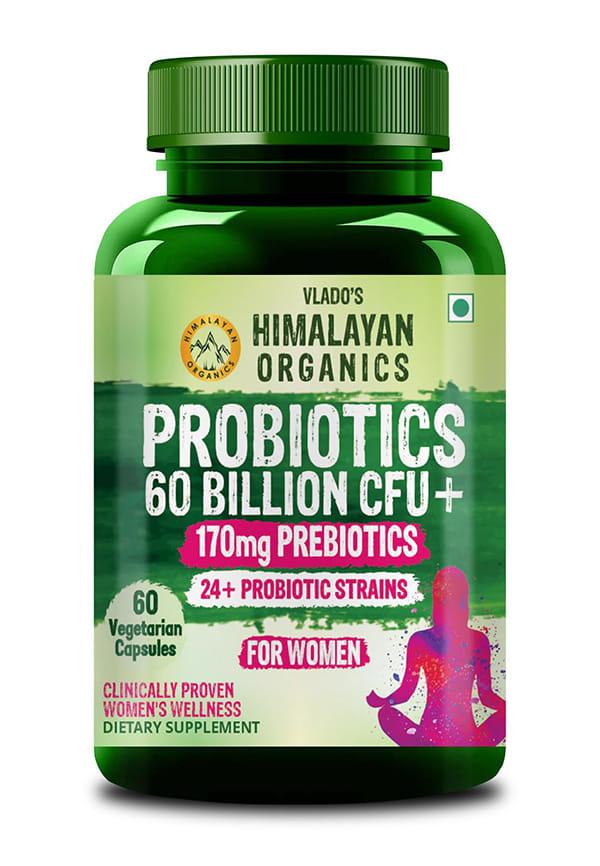
Probiotics Supplement 60 Billion CFU+ Gut Health Supplements
The good news is that improving gut health doesn't require expensive supplements or extreme diets. Small, consistent changes to your daily routine can make a significant difference in how your digestive system functions.
Focus on feeding your beneficial bacteria with prebiotic-rich foods like garlic, onions, asparagus, and bananas. These foods contain fibres that your good bacteria love to eat, helping them multiply and strengthen your gut barrier.
Fermented foods like yoghurt, kefir, sauerkraut, and kimchi provide probiotics benefits by introducing beneficial bacteria directly into your system. Anti-inflammatory foods rich in polyphenols—think berries, green tea, and dark leafy greens—help reduce gut inflammation and support healing.
Managing stress through techniques like meditation, deep breathing, or regular exercise can significantly improve your gut health. Aim for 7-9 hours of quality sleep each night, as this is when your body repairs and regenerates, including your gut lining.
Regular physical activity helps stimulate healthy digestion and promotes beneficial bacteria growth. Practising mindful eating—chewing slowly and avoiding distractions during meals—can improve nutrient absorption and reduce digestive stress.
Limit processed foods, excessive sugar, and artificial additives that can feed harmful bacteria. Be cautious with unnecessary antibiotic use and discuss alternatives with your healthcare provider when possible. Reduce alcohol consumption and avoid NSAIDs unless medically necessary, as both can damage your gut lining.
Gut healing is a gradual process that varies from person to person. You might notice some improvements in bloating and energy within 2-4 weeks of making dietary changes, but complete microbiome restoration can take several months. Factors like the severity of your gut issues, consistency with healthy habits, and individual genetics all affect healing speed. Look for signs like improved digestion, better sleep, and increased energy as indicators that you're on the right track.
Both have their place in supporting gut health. Fermented foods provide a variety of beneficial bacteria along with nutrients and enzymes that support digestion. Probiotic supplements can be helpful for specific conditions or when you need higher concentrations of particular strains. Many people benefit from combining both approaches, but it's worth consulting a healthcare provider if you have serious digestive issues or are taking medications that might interact with probiotics.
Absolutely. Your gut bacteria play a crucial role in metabolism, nutrient absorption, and even appetite regulation. An imbalanced microbiome can contribute to inflammation, insulin resistance, and changes in hormones that control hunger and satiety. Some studies suggest that people with diverse, healthy gut bacteria tend to maintain healthier weights more easily.
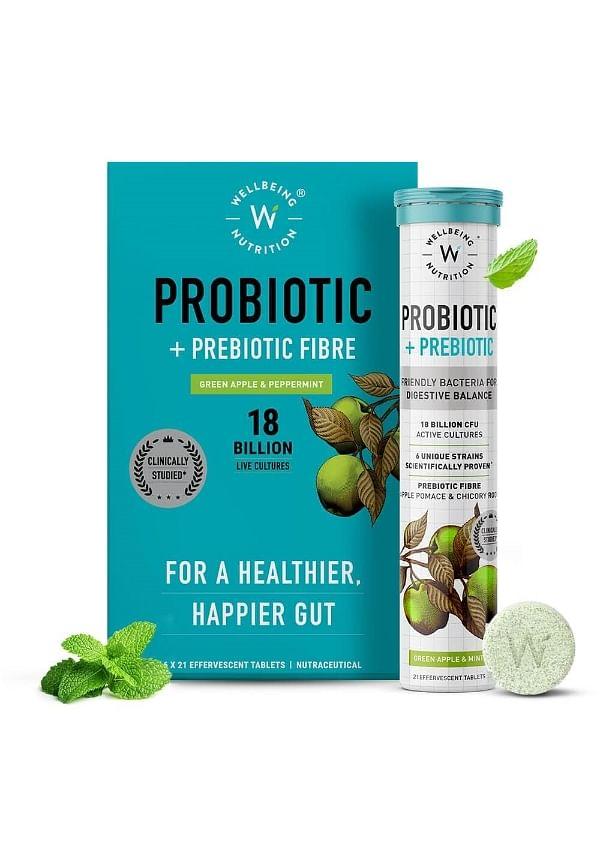
Probiotic + Prebiotic - Complete Digestive Balance - (Pack Of 6 )
Yes, this is quite common when you start making significant dietary changes or taking probiotics. As harmful bacteria die off, they can release toxins that temporarily make you feel worse—this is sometimes called a "die-off reaction." Symptoms like mild headaches, fatigue, or digestive changes usually improve within a few days to a week. However, if symptoms are severe or persist, it's worth checking with a healthcare provider.
The gut-brain axis is a real phenomenon where your gut bacteria communicate with your brain through various pathways, including the vagus nerve and neurotransmitter production. Many neurotransmitters, including serotonin (which affects mood), are actually produced in the gut. This explains why digestive issues often coincide with mood changes, anxiety, or brain fog. Improving gut health through diet and lifestyle changes can positively impact mental wellbeing for many people.
While individual triggers vary, common culprits include highly processed foods, excessive sugar, artificial sweeteners, and foods high in unhealthy fats. Some people also need to temporarily avoid high-FODMAP foods (certain fruits, vegetables, and grains) if they have SIBO or severe IBS. Keeping a food diary can help you identify your personal triggers. Working with a qualified nutritionist who understands gut health can be invaluable for creating a personalised approach.
While many gut health issues can be improved with lifestyle changes, some symptoms require medical attention. Knowing when to seek help can prevent minor issues from becoming serious problems.
Severe or persistent abdominal pain that doesn't improve with basic dietary changes should be evaluated by a healthcare provider. Blood in your stool, black tarry stools, or unexplained weight loss are particularly concerning and require immediate medical attention.
If you've developed severe food allergies or intolerances that are significantly limiting your diet, professional guidance can help you maintain proper nutrition while healing your gut.
Gastroenterologists specialise in digestive disorders and can diagnose conditions like IBD or perform necessary procedures. Functional medicine doctors take a more holistic approach, looking at root causes and often incorporating nutritional therapy.
Registered dietitians who specialise in gut health can help you create a personalised eating plan that supports healing while ensuring you get all necessary nutrients. Comprehensive stool testing might be recommended to assess your microbiome composition and identify specific imbalances.
Understanding gut health issues is the first step towards taking control of your digestive wellness and overall health. Your gut microbiome affects everything from immunity to mood, so maintaining its balance should be a priority in your wellness routine. The warning signs of poor gut health often extend beyond digestive symptoms, manifesting as fatigue, mood changes, and frequent infections.
Most gut health problems stem from a combination of dietary, lifestyle, and environmental factors that can be addressed through natural approaches. Focus on eating diverse, fibre-rich foods, managing stress effectively, and avoiding processed foods and unnecessary medications. Remember that healing takes time—be patient with your body as it works to restore balance.
While many gut issues can be improved with lifestyle changes, don't hesitate to seek professional help for severe or persistent symptoms. A healthcare provider can help rule out serious conditions and guide you towards the most effective treatment approach for your specific situation.
Taking care of your gut health is an investment in your overall wellbeing that pays dividends in energy, mood, and long-term health. As you explore different approaches to supporting your digestive system, remember that what works for one person might not work for another—it's all about finding your personal path to wellness. Smytten's extensive collection of wellness products includes various options for supporting digestive health, from probiotics to herbal supplements, all available in convenient trial sizes. With India's largest minis collection and 100% cashback on trials, you can explore different gut health solutions without the commitment of full-size purchases. Whether you're looking to try a new probiotic brand or explore natural digestive aids, Smytten's authentic brand-verified minis make it easy to discover what works best for your unique needs through their try before you buy approach available across PAN-India delivery.
