Ultimate Guide: Sustainable Beauty Tips Step-by-Step

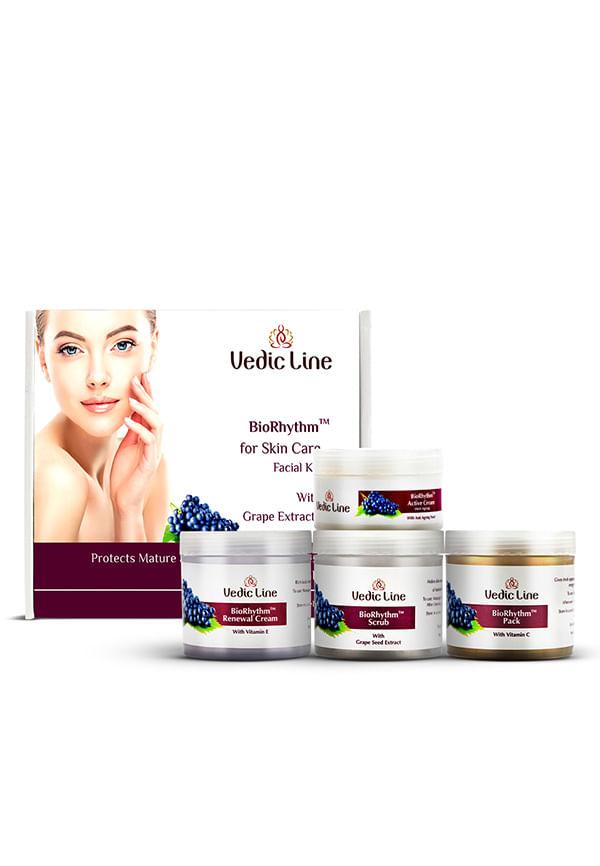
Bio Rhythm facial Kit
Smooth with Great Results
 4
4“it's smooth on skin and leave great results”
Let's be real—sustainable beauty isn't just another trend that'll fade away. It's actually about making choices that work for your skin, your wallet, and the planet. Whether you're tired of harsh chemicals or just want to reduce your environmental footprint, switching to eco-friendly beauty doesn't have to be overwhelming. Think of it as upgrading your routine with products that actually care about what goes on your face and where the packaging ends up. The best part? You don't need to throw out everything you own tomorrow. Small, smart swaps can make a massive difference, and we're here to walk you through exactly how to do it.
Sustainable beauty is all about choosing products and practices that don't harm the environment or your health. It covers everything from clean beauty products with safe ingredients to brands that use recyclable packaging and ethical sourcing. Real talk—the conventional beauty industry produces over 120 billion units of packaging annually, and most of it isn't recyclable. The shift towards eco-friendly beauty isn't just good for the planet. These products often contain fewer synthetic chemicals, which means less irritation and better long-term skin health. Plus, many sustainable brands focus on multi-purpose products, so you're actually getting more value for your money. Studies show that 73% of consumers are willing to pay more for sustainable products, proving this isn't just a passing phase. What makes this movement even more exciting is how accessible it's become. You can now find sustainable beauty tips that work for every budget and skin type. From drugstore finds to luxury clean brands, there's something for everyone who wants to make the switch.
Creating a green beauty routine starts with understanding what your skin actually needs. Most of us have been convinced we need 10+ products, but sustainable beauty is about quality over quantity.
Start with a gentle cleanser that doesn't strip your skin. Look for plant-based formulas with ingredients like chamomile or green tea. Follow with a vitamin C serum from brands that use recyclable glass bottles, then moisturise with something that contains natural oils like jojoba or argan.
Double cleanse if you wear makeup—use an oil-based cleanser first, then your regular gentle cleanser. Apply a retinol alternative like bakuchiol or rosehip oil. These natural options give you similar benefits without the harsh side effects.
Once a week, treat your skin to a clay mask or gentle exfoliation. DIY options work brilliantly here—mix oatmeal with honey for a gentle scrub, or use pure clay powder mixed with water. Your skin gets the treatment it needs without unnecessary packaging waste. The key to a successful sustainable skincare routine is patience. Natural ingredients work differently than synthetic ones, so give your skin 6-8 weeks to adjust. During this transition, you might experience some changes as your skin detoxes from previous products.
Not all natural skincare tips work for everyone, which is why understanding your skin type matters. The good news? Nature has solutions for every concern.
If your skin feels tight or flaky, focus on oils and butters. Rosehip oil is brilliant for hydration and contains natural vitamin A. Shea butter works as both a moisturiser and barrier protection. Look for products with hyaluronic acid derived from plants rather than synthetic sources.
Contrary to popular belief, oily skin needs hydration too. Tea tree oil (always diluted) helps control excess sebum without over-drying. Clay masks once or twice a week can absorb excess oil, whilst niacinamide from natural sources helps regulate oil production.
Sensitive skin loves simple, fragrance-free formulas. Aloe vera, calendula, and oat-based products are your best friends. Always patch test new products, even natural ones, as some people can be allergic to botanical ingredients.
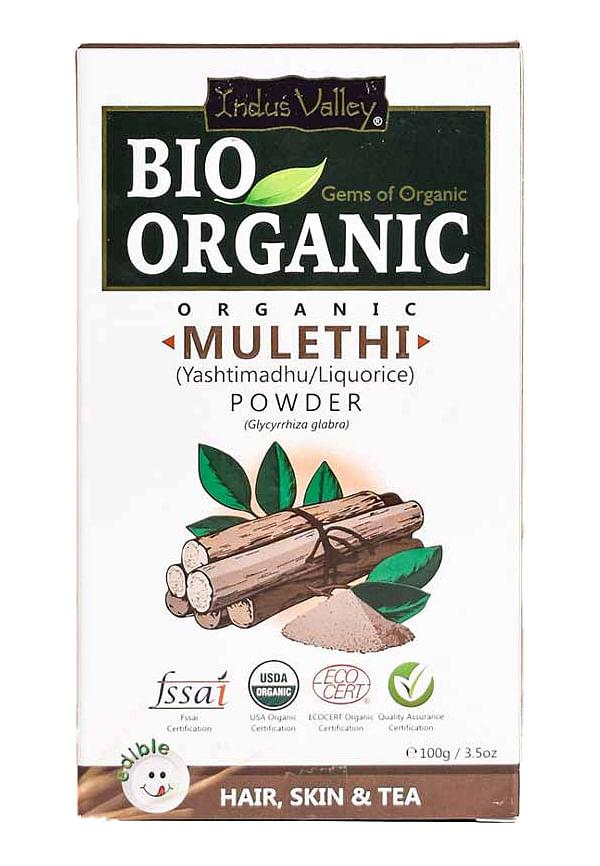
Bio Organic Mulethi Powder
Good Packaging
4“good packaging and lagane ke baad pata chalega”
Good Packaging
4“good packaging and lagane ke baad pata chalega”
Good Packaging
4“good packaging and lagane ke baad pata chalega”
Treat different areas of your face with different products. Use a gentle clay mask only on your T-zone, whilst applying a hydrating oil to drier cheek areas. This targeted approach prevents over-treating any area. Remember, clean beauty products often contain active botanicals that can be just as potent as synthetic ingredients. Start slowly and build up usage gradually.
Organic makeup has come such a long way from the chalky, limited-shade options of the past. Today's clean makeup performs just as well as conventional products, often with added skincare benefits.
Look for foundations with ingredients like zinc oxide for natural SPF protection, or those infused with botanical oils for added hydration. Many cruelty-free cosmetics brands now offer extensive shade ranges that rival any mainstream brand.
Natural pigments from minerals and plants create beautiful, long-lasting colour. Mica provides shimmer, whilst iron oxides give rich, matte tones. Many sustainable brands package their eyeshadows in refillable compacts, so you can repurchase just the shades you use most.
Organic lip products often contain nourishing ingredients like vitamin E, coconut oil, and natural waxes. These actually improve your lip condition over time, unlike some conventional formulas that can be drying.
Invest in high-quality, synthetic brushes that don't shed and last for years. Many brands now make handles from sustainable bamboo or recycled materials. Clean them with gentle, eco-friendly brush cleaners or simple soap and water. The beauty of organic makeup is that many products multitask. A cream blush can work on lips, and a tinted lip balm might double as a subtle cheek colour.
Zero waste beauty doesn't mean giving up all your favourite products—it's about being smarter with packaging and usage. Small changes add up to make a real difference.
Choose products in glass containers that can be recycled infinitely, or look for brands offering refill options. Solid products like shampoo bars and cleansing balms eliminate plastic bottles entirely. Some companies even offer return programmes where they'll take back empty containers.
Making your own products isn't as complicated as it sounds. A simple sugar scrub needs just sugar, oil, and maybe some essential oil. Oat flour mixed with water makes an excellent gentle cleanser. These DIY options let you control exactly what goes on your skin.
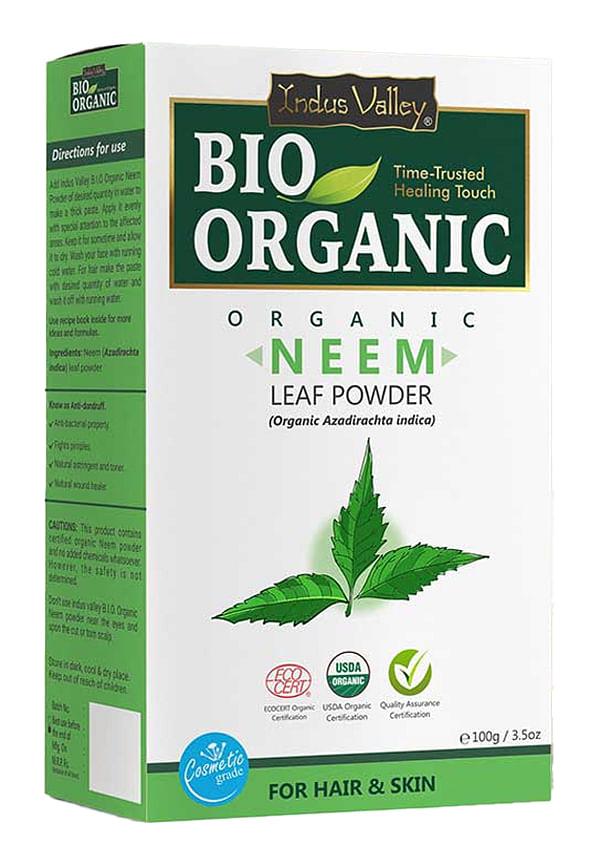
Bio Organic Neem Powder
Loved Herbal Product
5“herbal and natural love it 😁😁😁😁”
Excellent for Skin
5“very good product for skin health”
Natural Powder Benefits
5“It is very natural powder to clear pimples and dandruff.”
Invest in products that do multiple jobs. A good facial oil can work as a cleanser, moisturiser, and hair treatment. Coconut oil serves as makeup remover, body moisturiser, and hair mask. This approach reduces both packaging waste and clutter.
When products do reach the end of their life, dispose of them thoughtfully. Many councils now accept cosmetic packaging in recycling programmes. Some beauty retailers offer take-back schemes for empty containers, regardless of brand. Working with ethical beauty brands that prioritise sustainable packaging makes this whole process easier. Many are moving towards compostable or refillable options that align with zero waste goals.
Navigating the world of ethical beauty brands can feel overwhelming, but knowing what to look for makes it much simpler. Genuine sustainable brands are transparent about their ingredients, sourcing, and manufacturing processes.
Look for certifications like COSMOS, Ecocert, or Leaping Bunny for cruelty-free verification. These third-party certifications mean the brand has met strict standards for sustainability and ethics. Don't just trust marketing claims—check for actual certification logos.
Sustainable beauty doesn't have to break the bank. Many drugstore brands now offer clean formulations at accessible prices. Focus on buying fewer, higher-quality products rather than lots of cheaper options that might not perform as well.
If you're willing to invest in premium products, look for brands that offer refillable options or concentrate formulas. These might cost more upfront but often provide better value long-term. Plus, luxury sustainable brands often lead innovation in clean formulations.
The best clean beauty products often serve multiple functions. A tinted moisturiser with SPF replaces foundation, moisturiser, and sunscreen. A lip and cheek tint reduces the number of products in your routine whilst maintaining the same results. Platforms like Smytten make discovering these ethical beauty brands much easier. With trial packs from over 1,500 trusted brands, you can test sustainable options before committing to full sizes. This approach is perfect for building a green beauty routine without waste or regret.
Even with the best intentions, it's easy to make mistakes when transitioning to sustainable beauty tips. Knowing these common pitfalls helps you avoid them and build a routine that actually works.
Just because a product says "natural" doesn't mean it's truly sustainable. Learn to read ingredient lists and look for specific certifications rather than trusting marketing buzzwords. Terms like "eco-friendly" and "green" aren't regulated, so they can mean anything.
Natural ingredients often work more gradually than synthetic ones. Don't give up on a product after just a week—give your skin time to adjust and see real results. This patience is part of the wellness beauty approach that focuses on long-term skin health.
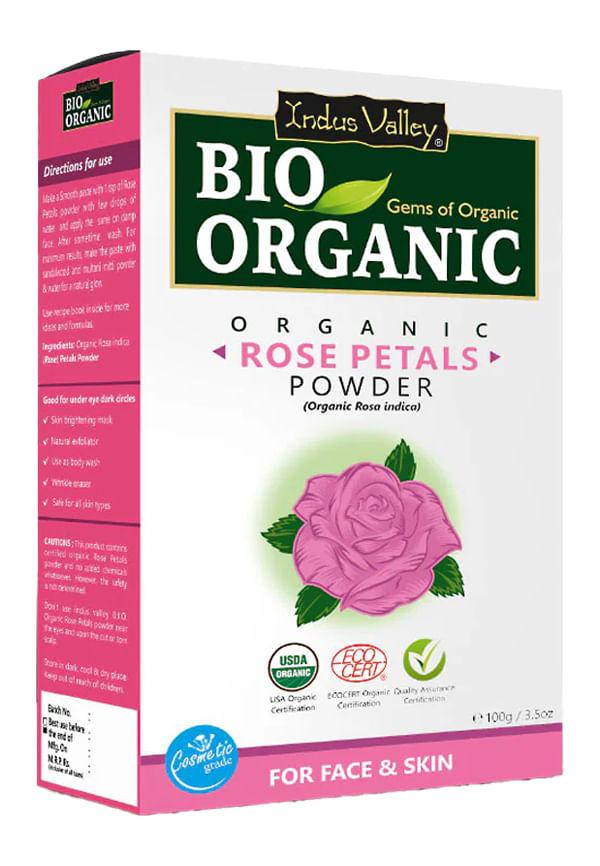
Bio Organic Rose Petal Powder
Good product, great value
5“Good product. satisfied with the quantity for the cost”
Good product, great value
5“Good product. satisfied with the quantity for the cost”
Good product, great value
5“Good product. satisfied with the quantity for the cost”
Buying 20 "sustainable" products isn't actually sustainable. Focus on using what you have first, then gradually replace items as they run out. This approach is better for both your budget and the environment.
Natural doesn't automatically mean gentle. Essential oils, plant extracts, and botanical ingredients can cause reactions in sensitive individuals. Always patch test new products, especially if you have sensitive skin or known allergies. The key to successful sustainable beauty is taking it slowly and making informed choices. Don't feel pressured to overhaul everything at once—gradual changes are more sustainable in every sense of the word.
Most people notice initial changes within 2-4 weeks, but significant improvements typically take 6-8 weeks. Natural ingredients work more gradually than synthetic ones, building long-term skin health rather than providing quick fixes.
Whilst some premium clean brands cost more upfront, many sustainable products offer better value long-term. Multi-purpose products, concentrates, and refillable options often work out cheaper per use than conventional alternatives.
Absolutely! Simple products like scrubs, masks, and cleansers are easy to make at home. Start with basic recipes using ingredients like oats, honey, oils, and clays. However, leave complex formulations to professionals.
Common ingredients to avoid include parabens, sulphates, synthetic fragrances, phthalates, and formaldehyde-releasing preservatives. These can cause irritation and have potential long-term health concerns.
Look for third-party certifications, transparent ingredient lists, sustainable packaging, and clear information about their manufacturing processes. Genuine sustainable brands are open about their practices and impact.
Modern natural beauty products can be just as effective as conventional ones. The key is finding the right products for your specific skin type and concerns. Many natural ingredients have been scientifically proven to deliver excellent results.
Switching to sustainable beauty is one of those changes that feels good on multiple levels. Your skin gets gentler, more effective ingredients, the planet gets less packaging waste, and you often end up with a simpler, more focused routine. The trick is taking it step by step rather than trying to change everything overnight. Start with one or two products—maybe swap your cleanser for something plant-based, or try a natural moisturiser. Pay attention to how your skin responds and build from there. Remember, sustainable beauty is about finding what works for you long-term, not following every trend that comes along. Smytten makes this journey so much easier by letting you try products before committing to full sizes. With trial packs from trusted brands like Cetaphil, Dot & Key, and Love, Beauty & Planet, you can explore sustainable options without the risk of wasting money on products that don't suit you. After all, why settle for 'maybe' when you can try it all and find what truly works for your skin and values?
