Types of Movement Therapy: Your Questions Answered



Travellers Fatigue Massage Oil
Movement therapy might sound like just another wellness trend, but it's actually a powerful approach that's been helping people heal for decades. Whether you're dealing with chronic pain, recovering from trauma, or simply looking for a more holistic way to support your mental health, understanding the different types of movement therapy can be a game-changer. From dance movement therapy to somatic practices, each approach offers unique benefits that go far beyond what traditional talk therapy or medication alone can provide. At Smytten, we believe in exploring all paths to wellness, which is why we're diving deep into the world of therapeutic movement to help you find what might work best for your journey.
Movement therapy encompasses various approaches including dance/movement therapy, somatic movement, yoga therapy, and rehabilitative movement techniques
These therapeutic movement exercises can help with chronic pain, trauma recovery, mental health conditions, and overall physical rehabilitation
Benefits include improved mobility, stress reduction, emotional regulation, and enhanced mind-body connection
Different types suit different needs - from expressive movement therapy for emotional healing to mindful movement practices for anxiety management
Sessions typically involve assessment, warm-up, therapeutic intervention, and integration phases with qualified practitioners
Movement therapy is a holistic approach that uses physical movement to promote emotional, cognitive, and physical healing. Unlike traditional physical therapy that focuses primarily on restoring function after injury, movement therapy techniques address the whole person - mind, body, and spirit. The core principle revolves around the understanding that our bodies hold memories, emotions, and patterns that can be accessed and transformed through intentional movement.
What sets movement therapy apart is its emphasis on the mind-body connection. Rather than treating symptoms in isolation, these approaches recognise that physical tension, emotional stress, and mental patterns are all interconnected. This makes movement therapy particularly effective for conditions where traditional treatments might fall short, such as trauma-related disorders, chronic pain syndromes, and stress-related conditions.
The world of movement therapy offers diverse approaches, each with its own philosophy and techniques. Understanding these different types can help you identify which might resonate most with your needs and preferences.
Dance/movement therapy is one of the most recognised forms of expressive movement therapy. It uses dance and movement to support intellectual, emotional, and motor functions of the body. DMT sessions often involve mirrored movements, where participants copy each other's actions, creating a sense of connection and empathy. Circle formations are common, fostering a safe space for expression without judgement. This approach is particularly beneficial for trauma recovery, as it allows individuals to express emotions that might be difficult to verbalise.
Somatic movement therapy focuses on body awareness and the internal experience of movement. This approach emphasises mindful movement practices that help individuals reconnect with their bodies' natural wisdom. Authentic movement, a key component of somatic work, involves moving from internal impulses rather than external choreography. The goal is to develop better self-regulation and body awareness, making it excellent for anxiety, depression, and stress-related conditions.
Therapeutic yoga differs from regular yoga classes by tailoring poses and practices to specific health conditions. Qualified yoga therapists assess individual needs and create personalised sequences that address physical limitations, mental health concerns, or chronic conditions. The integration of breathing exercises and meditation makes this approach particularly effective for pain management and stress reduction.

Ayurvedic Aromatic Jasmine Bath and Body Massage Oil 8 Herbs
Tai Chi involves slow, controlled movements that improve balance, coordination, and mental clarity. The mindfulness component inherent in Tai Chi practice makes it excellent for chronic pain management and mobility issues. Research shows it's particularly beneficial for older adults and those with conditions like arthritis or Parkinson's disease.
Qigong combines gentle movements with breath work and meditation, focusing on energy flow throughout the body. These energy-based movement principles make it ideal for stress reduction and overall wellness. The gentle nature of Qigong makes it accessible to people of all fitness levels and ages.
This approach specifically targets movement therapy for pain management and functional restoration. Rehabilitative movement combines elements from physical therapy with holistic movement approaches, focusing on restoring natural movement patterns and reducing compensatory behaviours that can lead to further injury.
This creative approach encourages movement without judgement or predetermined outcomes. Movement journeys and improvisation allow individuals to explore emotions and experiences through physical expression. It's particularly effective for those who struggle with verbal communication or traditional talk therapy approaches.
The benefits of movement therapy extend far beyond what you might expect from traditional exercise or therapy approaches. Physically, therapeutic movement exercises can significantly reduce chronic pain, improve mobility and flexibility, and build functional strength. Many people find that movement therapy helps them develop a healthier relationship with their bodies, moving away from pain-focused awareness towards appreciation for what their bodies can do.
Mental health benefits are equally impressive. Movement therapy for mental health conditions like depression and anxiety works by releasing endorphins, reducing stress hormones, and providing a healthy outlet for emotional expression. The neurological benefits include improved brain plasticity and cognitive function, as movement stimulates the production of brain-derived neurotrophic factor (BDNF), which supports brain health and learning.
Different types of movement therapy can be particularly effective for specific health conditions. Understanding these applications can help you make informed decisions about which approach might work best for your situation.

Ayurvedic Aromatic Jasmine Bath and Body Massage Oil 8 Herbs
Therapeutic movement exercises for chronic pain focus on gentle, controlled movements that don't aggravate symptoms while gradually building strength and flexibility. Approaches like gentle yoga, Tai Chi, and somatic movement therapy can help break the pain-tension cycle that often perpetuates chronic conditions. The key is starting slowly and listening to your body's signals.
Body-based trauma healing recognises that trauma is stored in the body as well as the mind. Movement therapy for trauma focuses on restoring a sense of safety and control over one's body. Techniques emphasise choice, boundaries, and gradual re-establishment of trust between mind and body. This approach can be particularly helpful for PTSD, childhood trauma, and other trauma-related conditions.
Depression and anxiety often manifest in the body as tension, fatigue, or disconnection. Movement therapy addresses these physical manifestations while also providing emotional regulation tools. Building self-esteem through movement accomplishments and developing body confidence are additional benefits that support overall mental health recovery.
Understanding what happens in a typical movement therapy session can help ease any anxiety about trying this approach. Most sessions follow a structured format that includes assessment, warm-up, therapeutic intervention, and integration phases.
Sessions typically begin with a check-in where you discuss how you're feeling physically and emotionally. The warm-up phase involves gentle movements to prepare your body and mind for the therapeutic work. The main intervention might include specific movement therapy techniques tailored to your goals, whether that's pain relief, emotional expression, or stress reduction. Sessions conclude with a cool-down period and verbal processing to integrate the experience.
Choosing the right type of movement therapy depends on several factors including your specific health concerns, physical abilities, and personal preferences. If you're dealing with trauma, you might benefit more from somatic movement therapy or dance/movement therapy. For chronic pain, rehabilitative movement or therapeutic yoga might be more appropriate.
Working with qualified movement therapists is crucial for safety and effectiveness. Look for practitioners who are certified in their specific modality and have experience working with your particular condition. Many people find that combining different movement therapy techniques provides the most comprehensive benefits, and a good therapist can help you explore various approaches safely.
The main types include dance/movement therapy, somatic movement therapy, yoga therapy, Tai Chi, Qigong, rehabilitative movement therapy, and expressive arts movement therapy. Each approach has unique techniques and benefits, making them suitable for different conditions and preferences.
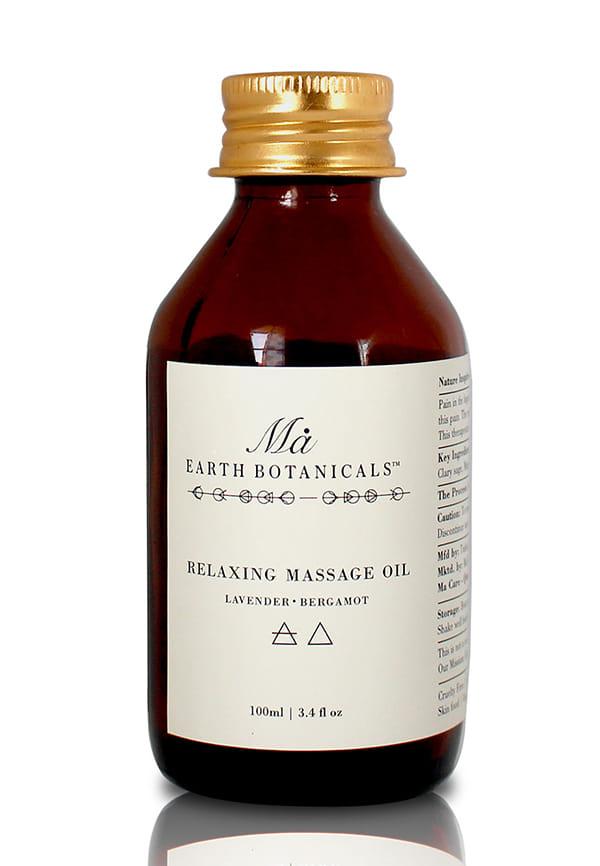
Relaxing Massage Oil
While physical therapy focuses primarily on restoring function and treating specific injuries, movement therapy takes a more holistic approach that addresses emotional, mental, and spiritual aspects alongside physical healing. Movement therapy emphasises the mind-body connection and often incorporates mindful movement practices that go beyond symptom treatment.
Movement therapy can be adapted for most people, regardless of physical abilities or fitness levels. However, certain conditions may require modifications or alternative approaches. It's important to work with qualified practitioners who can assess your individual needs and create appropriate adaptations. Those with severe mental health conditions or certain physical limitations should consult healthcare providers before beginning.
Results vary depending on individual conditions and goals. Some people notice immediate benefits like reduced stress or improved mood after a single session. For chronic conditions or trauma recovery, meaningful changes typically occur over several weeks to months of consistent practice. Factors affecting progress include frequency of sessions, severity of condition, and individual commitment to the process.
While some movement therapy techniques can be practised at home, it's recommended to work with a qualified practitioner initially to learn proper techniques and ensure safety. Many therapists provide home exercises to supplement in-person sessions. Online and virtual movement therapy options have become increasingly available, making these approaches more accessible than ever.
Costs vary depending on location, practitioner qualifications, and session length. In India, sessions typically range from ₹1,500 to ₹5,000 per session. Some insurance plans may cover movement therapy when prescribed by a healthcare provider. Group sessions are often more affordable than individual sessions and can provide additional social benefits.
Movement therapy offers a powerful, holistic approach to healing that addresses both physical and emotional wellbeing. With various types available - from dance/movement therapy to somatic practices - there's likely an approach that can benefit your specific needs. The key is finding qualified practitioners and being open to exploring different movement therapy techniques until you find what resonates with you. Remember that healing is a journey, and movement therapy provides valuable tools for that journey, whether you're dealing with chronic pain, trauma, mental health challenges, or simply seeking greater overall wellness.
Just as Smytten believes you should never have to settle when it comes to discovering the right beauty and wellness products, the same principle applies to finding your ideal movement therapy approach. Smytten is India's largest product discovery and trial platform, connecting consumers with top lifestyle, beauty, wellness, and grooming brands through curated trial packs from over 1,500 trusted brands. With 100% cashback on trials and authentic brand-verified minis available across 27,000+ pincodes, Smytten makes it easy to explore wellness products that complement your movement therapy journey. Whether you're looking for aromatherapy oils to enhance your practice or recovery products to support your healing, why settle for 'maybe' when you can try before you buy and discover what truly works for your unique wellness needs?
