Types of Body Movement FAQ: Understanding Your Body

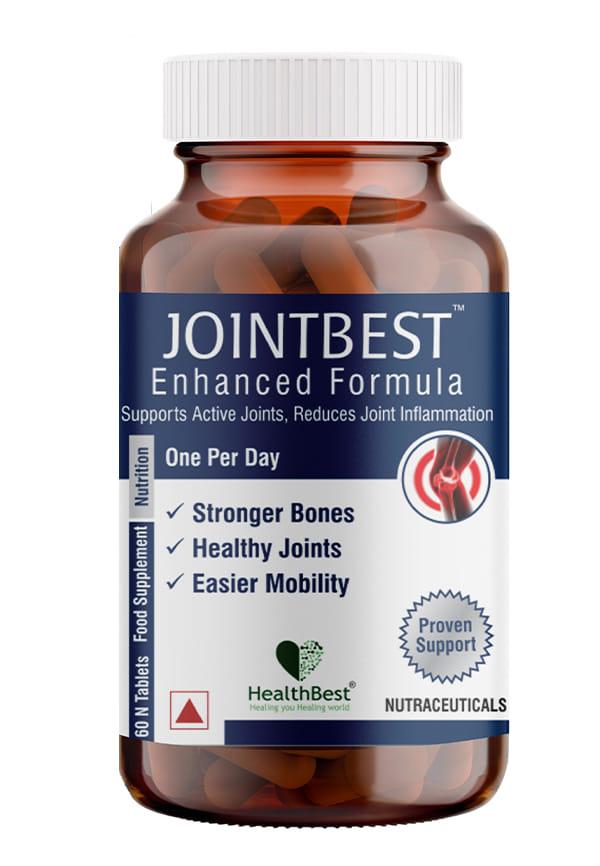
Joint Support Supplement Tablets for Joint Strength, Pain Relief & Flexibility
Ever wondered why your shoulder clicks when you reach for something high, or why your back aches after sitting all day? Understanding the different types of body movement isn't just fascinating—it's the key to moving better, feeling stronger, and preventing those annoying aches that creep up on us. Whether you're trying to nail that perfect squat form or simply want to understand why your physio keeps talking about 'functional patterns,' this guide breaks down everything you need to know about how your body actually moves. From the basic joint actions happening every time you bend your elbow to the complex movement patterns that get you through your day, we're covering it all. Plus, with wellness becoming such a huge focus (hello, Smytten's wellness category!), knowing your body mechanics has never been more relevant.
Your body performs 12+ anatomical movements (like flexion, extension, rotation) plus 7 functional movement patterns (squat, hinge, push, pull, etc.)
Understanding body mechanics helps improve posture, prevent injury, and enhance daily activities
Range of motion exercises and flexibility training can significantly improve movement quality
Functional movements combine multiple joints and are more relevant to real-life activities than isolated joint actions
Poor movement patterns often stem from modern lifestyle habits but can be corrected with proper training
Let's be real—your body is basically a complex machine with moving parts that need to work together seamlessly. When we talk about types of body movement, we're looking at two main categories that work hand in hand. First up are anatomical movements, which describe how individual joints move. Think of these as the building blocks—like how your elbow bends or your shoulder rotates. Then we have functional movement patterns, which combine multiple joints to create the movements you actually use in daily life.
The fascinating bit is how body mechanics tie everything together. Your nervous system coordinates these movements through intricate biomechanics of movement, involving both kinetics (the forces) and kinematics (the motion itself). Understanding this helps explain why some people move effortlessly while others struggle with basic tasks like picking up groceries or getting out of bed without wincing.
These are the fundamental movements that happen at your joints. Think of them as your body's vocabulary—each joint has specific ways it can move, and understanding these helps you communicate better with your body. Whether you're doing range of motion exercises or working on posture correction, these movements form the foundation.
Flexion means decreasing the angle between two body parts—like bending your elbow to bring your hand to your shoulder. Extension is the opposite, increasing that angle back to the starting position. Your knee does this when you bend it to sit down (flexion) and straighten it to stand up (extension). These movements are crucial for joint mobility and are often the first things targeted in flexibility training programmes.
Abduction moves a limb away from your body's midline—imagine doing jumping jacks and spreading your arms and legs out. Adduction brings them back towards the centre. Your shoulders and hips are the main players here, and these movements are essential for maintaining proper muscle activation patterns during daily activities.
This is when bones rotate around their long axis. Internal rotation turns the limb inward (like turning your palm down), while external rotation turns it outward (palm up). Your shoulders do this constantly—every time you reach behind your back or throw something, you're using rotational movement.
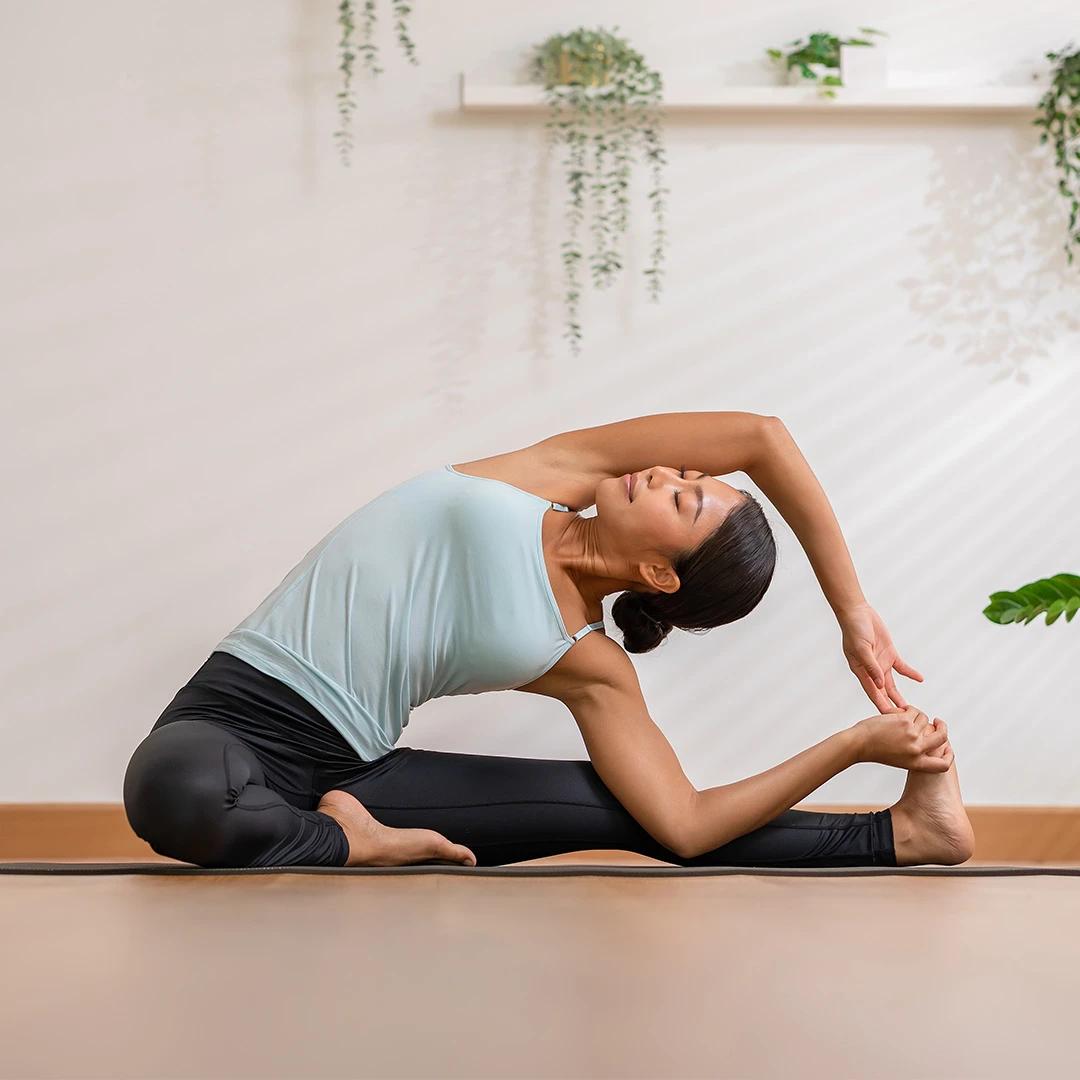
Think arm circles or hip circles—this combines flexion, extension, abduction, and adduction in a smooth, circular motion. It's brilliant for warming up joints and improving overall range of motion exercises. Your shoulder and hip joints are particularly good at this movement.
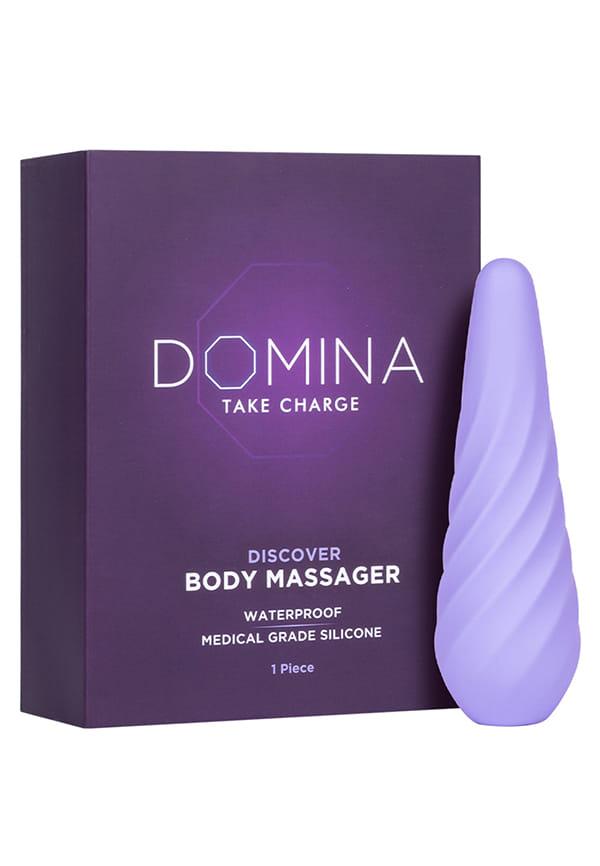
Domina Discover Personal Massager for Women with 5 Vibration Pattern Setting
These are specific to your forearms. Pronation turns your palm down (like you're pouring water out of a bowl), while supination turns it up (like you're holding soup). These movements are crucial for hand function and often get overlooked in flexibility training routines.
Your ankle's party tricks! Dorsiflexion pulls your toes up towards your shin (like when you're walking uphill), while plantarflexion points them down (like a ballerina en pointe). These movements are vital for walking, running, and balance—and often need attention in physical therapy movements.
These describe upward and downward movements, typically of your shoulders. Elevation is shrugging your shoulders up, while depression is the opposite. Poor posture correction often involves addressing chronic elevation from stress or poor ergonomics and movement habits.
While anatomical movements are the building blocks, functional movement patterns are where the magic happens. These are the movement combinations your body uses to navigate real life—from getting out of bed to carrying shopping bags. Understanding these patterns helps you move more efficiently and reduces injury risk.
This isn't just about gym squats—every time you sit down or stand up, you're squatting. The biomechanics of movement here involve your hips, knees, and ankles working together. Good squat mechanics protect your back and improve overall joint mobility throughout your lower body.
Think bending forward to pick something up—this hip-dominant movement is crucial for back health. When done properly, it engages your glutes and hamstrings while protecting your spine. Poor hinge patterns often lead to back pain, making this a key focus in physical therapy movements.
Every step you take involves single-leg weight transfer. Whether you're climbing stairs, stepping over puddles, or lunging to catch a falling object, this pattern requires balance, stability, and coordinated muscle activation across multiple joints.
Pushing involves moving objects away from your body (opening heavy doors, pushing a trolley), while pulling brings them closer (opening drawers, rowing motions). These patterns are essential for upper body function and often need attention in ergonomics and movement assessments for office workers.
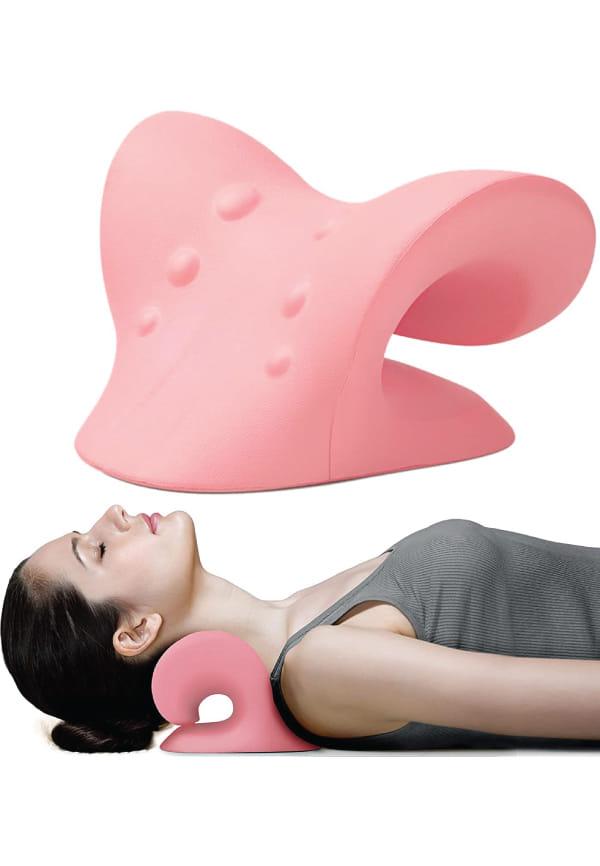
Neck And Shoulder Relaxer Cervical Traction Device
Your spine's ability to twist is crucial for everything from looking over your shoulder while driving to swinging a tennis racket. Core stability plays a huge role here, and poor rotational patterns can lead to back problems.
Walking, running, climbing—these are your body's transportation methods. Good locomotion requires coordination between all your movement patterns and is often the ultimate test of overall movement quality.
Understanding kinetics and kinematics might sound technical, but it's actually quite straightforward. Kinetics deals with the forces involved in movement—how much force your muscles generate, how gravity affects you, and how your joints handle load. Kinematics focuses on the motion itself—the speed, direction, and path of movement without considering the forces.
Movement quality assessment looks at how efficiently you perform these patterns. Poor movement quality often shows up as compensations—like your knee caving in during a squat or your shoulder hiking up when you reach overhead. These compensations might not hurt initially, but they can lead to problems over time.
The brilliant news is that movement patterns can be improved at any age. Whether you're dealing with stiffness from desk work or want to move more efficiently during exercise, targeted approaches can make a real difference. The key is addressing both mobility restrictions and movement pattern dysfunctions.
Range of motion exercises target specific joint restrictions, while flexibility training addresses muscle tightness. Dynamic stretching before activity prepares your body for movement, while static stretching afterwards helps maintain and improve flexibility. The key is consistency—little and often beats marathon stretching sessions.
Poor posture isn't just about looking slouchy—it affects how you move and can create pain patterns. Posture correction involves strengthening weak muscles (often your deep core and upper back) while stretching tight ones (typically your chest and hip flexors). Ergonomics and movement awareness during daily activities play a huge role too.
The goal isn't perfect isolated movements—it's integrating good movement patterns into your daily life. This means practicing functional movements regularly and being mindful of how you move throughout the day. Physical therapy movements often focus on this integration, helping you transfer good movement patterns from exercise into real-life activities.
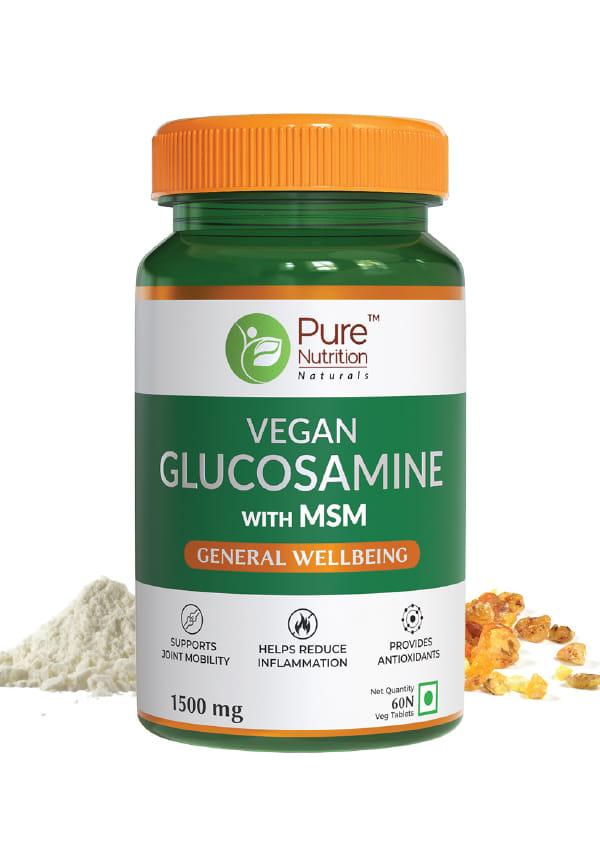
Vegan Glucosamine l Joint Support Supplement
The 12 anatomical movements include flexion, extension, abduction, adduction, internal rotation, external rotation, circumduction, pronation, supination, dorsiflexion, plantarflexion, and elevation/depression. These form the foundation of all human movement and are essential for joint mobility and muscle activation.
Anatomical movements describe single-joint actions, while functional movement patterns combine multiple joints for real-world activities. For example, flexion is an anatomical movement, but a squat is a functional pattern that uses flexion at the hip, knee, and ankle simultaneously.
Modern lifestyle factors like prolonged sitting, repetitive activities, and lack of movement variety often create muscle imbalances and restricted range of motion. Poor ergonomics and movement habits, previous injuries, and lack of body awareness also contribute to dysfunctional movement patterns.
Simple self-assessments include checking your squat depth, overhead reach, and single-leg balance. However, professional movement screening provides more comprehensive insights into your biomechanics of movement and can identify specific areas needing attention through targeted physical therapy movements.
Consistency is key—daily range of motion exercises and flexibility training work better than occasional long sessions. Focus on dynamic movements before activity and static stretches afterwards. Address both muscle tightness and joint restrictions, and consider how your movement patterns integrate into daily activities.
Absolutely! While it might take longer to change ingrained patterns, the nervous system remains adaptable throughout life. Starting with basic range of motion exercises and gradually progressing to more complex movement patterns can improve function at any age. Many people find that products available on Smytten, particularly in the wellness category, can support their movement and recovery goals.
Poor posture creates muscle imbalances that affect how you move. For example, rounded shoulders can limit overhead reach, while forward head posture affects neck rotation. Posture correction strategies often improve movement quality by addressing these underlying imbalances and restoring proper muscle activation patterns.
Understanding types of body movement empowers you to move better, feel stronger, and prevent common issues that plague modern life. The 12 anatomical movements provide the foundation, while the 7 functional movement patterns show how your body tackles real-world activities. Remember that good body mechanics isn't about perfect movement—it's about efficient, pain-free function that supports your lifestyle.
Focus on maintaining good range of motion through regular flexibility training, address posture issues before they become problematic, and pay attention to how you move throughout the day. Whether you're dealing with specific restrictions or simply want to move better, understanding your body's movement vocabulary is the first step towards lasting improvement.
Your body is designed to move in wonderful, complex ways—and understanding these movement patterns helps you make the most of that design. Just like exploring new products, discovering better movement patterns can transform your daily experience. Smytten is India's largest product discovery and trial platform, connecting consumers with top lifestyle, beauty, wellness, and grooming brands through curated trial packs from over 1,500 trusted brands. Whether you're exploring wellness products to support your movement goals or discovering new ways to care for your body, the platform's try before you buy approach means you can find what works for you without the commitment. With 100% cashback on trials and authentic brand-verified minis available across India, why settle for guessing when you can try it all and find your perfect movement support routine?
