The Importance of Body Movement FAQ: Your Questions Answered

Dual Action Body Shape | Weight Management
Let's be real—most of us spend way too much time glued to our screens, hunched over desks, or sprawled on sofas. But here's the thing: your body was literally designed to move. The importance of body movement goes far beyond just looking good in your favourite outfit (though that's a nice bonus). From boosting your mood to keeping your heart happy, movement is basically your body's best friend. Whether you're curious about the benefits of physical activity or wondering how to break free from a sedentary lifestyle, we've got the answers you need. And hey, if you're exploring wellness products to support your active lifestyle, platforms like Smytten make it easy to try before you buy.
TL;DR
Body movement is essential for physical health, mental well-being, and overall quality of life
Regular physical activity reduces risks of chronic diseases, improves mood, and boosts energy levels
Sedentary lifestyles pose serious health risks including heart disease, diabetes, and mental health issues
Simple daily movements and proper ergonomics can make a massive difference to your health
You don't need intense workouts—even small amounts of daily physical activity count
Body movement isn't just about hitting the gym or running marathons. It's any physical activity that gets your muscles working and your heart pumping—from walking to the kitchen to dancing in your bedroom. Think of it as your body's natural language, the way it communicates with itself and stays healthy.
Here's the reality check: humans evolved to be active. Our ancestors didn't have the luxury of sitting for eight hours straight. They hunted, gathered, walked, and moved constantly. Fast-forward to today, and we've created a world where movement is optional rather than essential. This shift has massive consequences for our health, and understanding the importance of body movement is the first step towards fixing it.
The benefits of physical activity are honestly mind-blowing when you dig into the science. Your body is like a complex machine that thrives on movement, and every system gets a boost when you stay active.
Your heart is a muscle, and like any muscle, it gets stronger with exercise. Regular movement improves circulation and blood flow, making your heart more efficient at pumping blood. This means lower blood pressure, better cholesterol levels, and a significantly reduced risk of heart disease and stroke.
Movement is like a magic key for your metabolism. When you're active, your muscles gobble up glucose from your bloodstream, which helps control blood sugar levels. This improved insulin sensitivity is your best defence against type 2 diabetes and helps with weight management too.
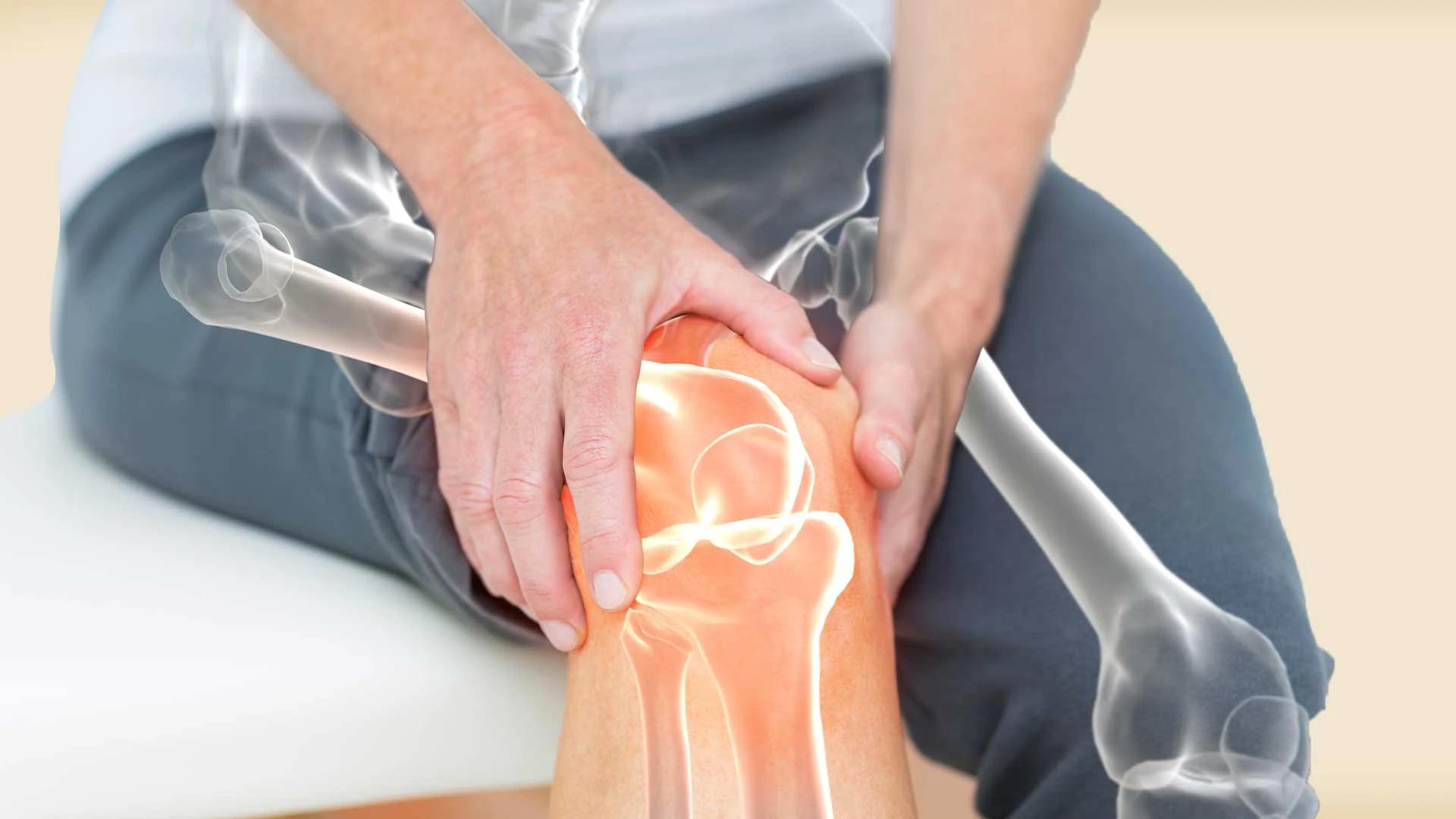
Weight-bearing activities signal your bones to stay strong and dense. Regular movement also keeps your joints lubricated and flexible, reducing your risk of arthritis and osteoporosis. Think of it as oiling the hinges on a door—joint health and mobility depend on regular use.
Here's something cool: moderate exercise actually boosts your immune system. It increases the production of antibodies and white blood cells, helping your body fight off infections more effectively. You'll notice you get sick less often when you're staying active for health.
This might sound backwards, but using energy through movement actually gives you more energy. Exercise for energy levels works by improving your cardiovascular fitness and helping regulate your circadian rhythm. You'll sleep deeper and wake up feeling more refreshed.
The connection between movement and mental well-being is absolutely fascinating. When you move your body, you're not just working your muscles—you're giving your brain a serious upgrade too.
Physical activity is nature's stress buster. When you move, your body releases endorphins—those feel-good chemicals that act like natural painkillers and mood elevators. At the same time, exercise helps reduce cortisol levels, your body's main stress hormone. This is why stress relief through movement is so effective for managing anxiety and depression.
Movement literally grows your brain. Exercise increases the production of brain-derived neurotrophic factor (BDNF), which helps create new neural connections. This means better memory, improved focus, and enhanced learning ability. It's like giving your brain a daily dose of fertiliser.
Ever notice how a quick walk can help you solve a problem you've been stuck on? Movement increases blood flow to the brain, delivering oxygen and nutrients that improve cognitive function. Many successful people swear by walking meetings or exercise breaks for boosting creativity and decision-making.
Let's talk about the elephant in the room: what happens when you don't move enough. The sedentary lifestyle risks are real and honestly quite scary when you look at the research.
Sitting for extended periods triggers what researchers call "metabolic dysfunction." Your muscles essentially go to sleep, your circulation slows down, and your body stops efficiently processing fats and sugars. This leads to muscle atrophy, poor posture, and increased risk of blood clots—especially dangerous for deep vein thrombosis.
Lack of movement doesn't just affect your body—it messes with your mind too. Studies show a strong correlation between sedentary behaviour and increased rates of depression and anxiety. Without regular movement, your brain doesn't get those mood-boosting endorphins, and cognitive function can decline.
Here's the sobering truth: prolonged sitting is linked to increased risks of heart disease, diabetes, certain cancers, and even premature death. Some researchers have dubbed sitting "the new smoking" because of its serious health implications. The good news? These risks are largely preventable with regular movement.
Good ergonomics and posture aren't just about looking confident—they're about creating an environment that encourages movement and supports your body's natural alignment.
Your workspace can either encourage or discourage movement. Simple changes like using a standing desk, setting hourly movement reminders, or taking walking meetings can make a huge difference. The key is building micro-movements into your day—even fidgeting counts as movement.
Poor circulation and blood flow from prolonged sitting can lead to swollen legs, varicose veins, and that pins-and-needles feeling. Simple desk exercises like ankle circles, calf raises, and shoulder rolls can keep your blood flowing and prevent stiffness. Your future self will thank you for maintaining joint health and mobility.
The beauty of daily physical activity is that you don't need to become a fitness fanatic to reap the benefits. The key is consistency and finding ways to stay active for health that fit your lifestyle.
According to health experts, adults should aim for at least 150 minutes of moderate-intensity aerobic activity per week, plus muscle-strengthening activities twice a week. But here's the thing—this can be broken down into manageable chunks. Even 10-minute bursts of activity count towards your weekly goal.
Movement doesn't have to be complicated. Take the stairs instead of the lift, park further away from entrances, have walking phone calls, or do some stretches while watching TV. These incidental movements add up and can make a significant difference to your health.
Whether you're a student cramming for exams or a professional glued to spreadsheets, incorporating movement into your routine can actually improve your performance. Study breaks with light movement can boost concentration and memory retention, whilst workplace movement can increase productivity and reduce fatigue.
The five fundamental movement patterns are squatting, hinging at the hips, lunging, pushing, and pulling. These basic movements form the foundation of most daily activities and exercises. Incorporating all five patterns into your routine ensures balanced muscle development and functional strength.
The top five benefits include improved cardiovascular health, better mental well-being, stronger bones and muscles, enhanced immune function, and better sleep quality. These benefits work together to improve your overall quality of life and reduce the risk of chronic diseases.
Start small and build gradually. Begin with 5-10 minutes of gentle walking daily, then slowly increase duration and intensity. Focus on consistency rather than intensity—it's better to move a little bit every day than to do intense workouts sporadically. Consider consulting a healthcare provider before starting any new exercise programme.
Yes, overexercising can lead to injuries, burnout, and compromised immune function. Signs include persistent fatigue, decreased performance, mood changes, and frequent injuries. The key is finding balance between activity and recovery, listening to your body, and allowing adequate rest between intense sessions.
Movement triggers the release of endorphins, reduces stress hormones like cortisol, and improves blood flow to the brain. This combination helps alleviate symptoms of anxiety and depression whilst boosting mood, self-esteem, and cognitive function. Regular movement can be as effective as medication for mild to moderate depression.
Even small amounts of movement are beneficial. Research shows that just 10 minutes of moderate activity can improve mood and energy levels. However, for significant health benefits, aim for at least 150 minutes of moderate activity or 75 minutes of vigorous activity per week, as recommended by health authorities.
The importance of body movement cannot be overstated—it's literally the foundation of good health. From protecting your heart and bones to boosting your mood and brain function, regular physical activity is one of the best investments you can make in yourself. The risks of a sedentary lifestyle are real, but the good news is that even small changes can make a massive difference.
Remember, you don't need to become a marathon runner overnight. Start where you are, use what you have, and do what you can. Whether it's taking the stairs, going for a walk during lunch, or doing some stretches whilst watching TV, every bit of movement counts. Your body is designed to move, and when you honour that design, it rewards you with better health, more energy, and improved well-being.
Making movement a priority is one of the best decisions you can make for your health and happiness. Just like you might trial different wellness products to find what works best for your body, discovering the right types of movement for your lifestyle is a journey worth taking. Smytten is India's largest product discovery and trial platform, connecting consumers with top lifestyle, beauty, wellness, and grooming brands through curated trial packs from over 1,500 trusted brands. Whether you're looking for post-workout skincare, energy-boosting supplements, or recovery products, you can try before you buy with 100% cashback on trials, making it easier to find the perfect wellness products to support your active lifestyle. After all, why settle for 'maybe' when you can #TryItAll!
