Stress Management Benefits FAQ: Your Questions Answered
h)-b42ba301-44e2-4876-b13f-a8e981871e87.webp&w=3840&q=75)

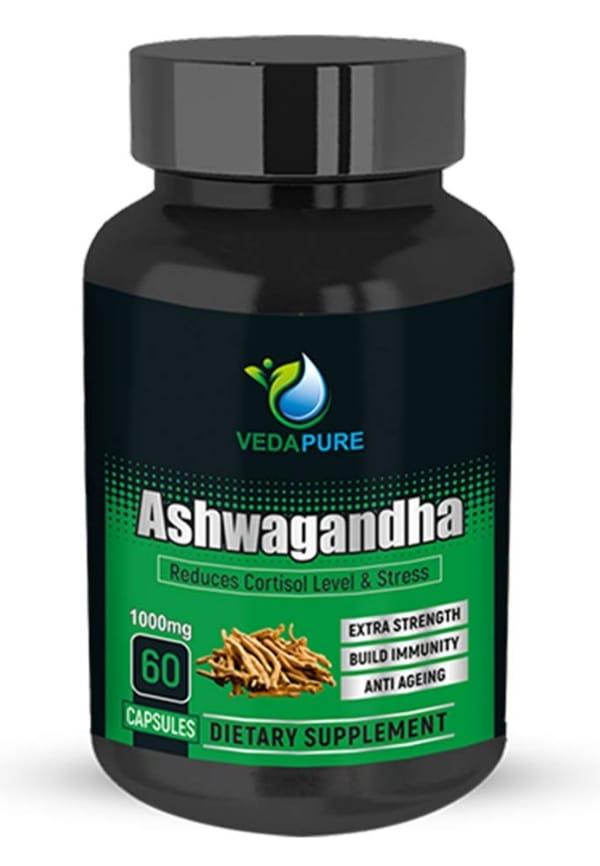
Ashwagandha Anxiety & Stress Relief
Let's be real—stress is everywhere these days. Whether you're juggling work deadlines, academic pressures, or just trying to keep up with daily life, understanding stress management benefits can be a total game-changer for your mental and physical well-being. From reducing anxiety to improving your sleep quality, proper stress management isn't just about feeling calmer in the moment—it's about building long-term resilience and creating a healthier, more balanced lifestyle. If you've ever wondered whether those relaxation exercises actually work or how mindfulness can transform your daily routine, you're in the right place. Smytten's wellness community knows that taking care of your mental health is just as important as finding your perfect skincare routine, and we're here to break down everything you need to know about the real benefits of managing stress effectively.
Stress management offers both immediate and long-term benefits for physical health, mental well-being, and emotional stability
Effective techniques include mindfulness practices, physical exercise, breathing exercises, and building strong support networks
Regular stress management can improve sleep quality, boost immune function, and enhance cognitive performance
Students particularly benefit from stress management through improved academic performance and better coping strategies
Building a personalised stress management routine takes time but creates lasting positive changes in your overall quality of life
Understanding stress management benefits goes way beyond just feeling a bit more relaxed. When you actively work on managing your stress levels, you're essentially giving your entire body and mind a chance to reset and function at their best. The benefits touch every aspect of your life, from how well you sleep to how effectively you handle challenges at work or uni.
Your body literally thanks you when you prioritise stress management. Chronic stress puts your system in constant fight-or-flight mode, which wreaks havoc on everything from your heart rate to your digestive system. When you implement effective stress relief techniques, you'll notice some pretty amazing physical changes.
Regular stress management helps lower your blood pressure and keeps your heart rate more stable throughout the day. Your immune system gets a major boost too—meaning fewer sick days and better overall health. Plus, you'll likely find that your sleep quality improves dramatically, leaving you with more energy and better focus during the day. Many people also notice that managing stress helps with weight control and reduces those annoying tension headaches and muscle knots.
The mental health perks of proper stress management are honestly incredible. When you're not constantly operating in stress mode, your brain can actually function the way it's meant to. You'll find it easier to regulate your emotions, which means less snapping at people you care about and more patience with daily frustrations.
Reducing anxiety becomes much more manageable when you have solid coping strategies in place. Your ability to focus and concentrate improves significantly, making everything from work presentations to studying for exams feel less overwhelming. Decision-making becomes clearer too—when your mind isn't clouded by stress, you can think through options more rationally and make choices that actually align with your goals.
Here's where stress management really proves its worth—the long-term benefits are genuinely life-changing. People who consistently practice stress management techniques have lower risks of developing chronic diseases like heart disease, diabetes, and certain autoimmune conditions. Research shows that effective stress management can actually contribute to increased longevity and a higher quality of life as you age.
Perhaps most importantly, regular stress management builds resilience. This means that when life inevitably throws curveballs your way, you'll have the tools and mental strength to handle them without completely falling apart. It's like building emotional muscle that gets stronger with practice.
Real talk—ignoring stress isn't just uncomfortable, it's actually dangerous for your health. Understanding why stress management matters so much can be the motivation you need to make it a priority in your life. Your body wasn't designed to handle constant pressure, and when stress becomes chronic, it starts affecting every system in your body.
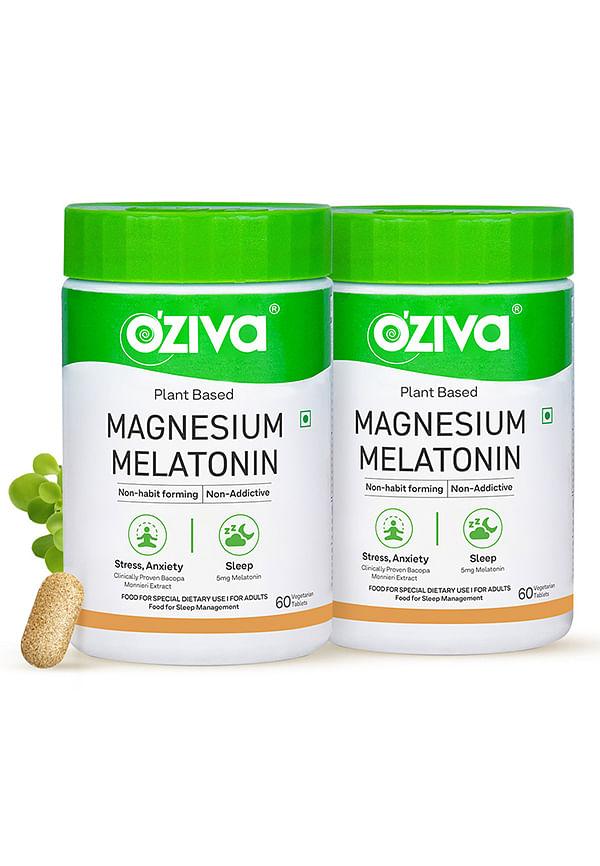
Magnesium Melatonin - Restful Sleep, Reduced Stress, Anxiety
Amazing Product, Great on Skin
 4
4“amazing product.. great on skin..I love it”
Your stress response system is actually pretty brilliant when it works as intended. It's designed to help you react quickly to genuine threats—think running from a tiger or slamming on the brakes to avoid an accident. The problem is that modern life triggers this same response for things like work emails and social media notifications.
When your stress alarm system is constantly activated, your body floods with hormones like cortisol and adrenaline. These are helpful in short bursts but become toxic when they're always present. Understanding this mind-body connection helps you see why mental well-being strategies aren't just nice-to-have luxuries—they're essential for your physical health too.
Let's not sugarcoat it—chronic stress can seriously mess with your life. Physically, you might experience everything from digestive issues and frequent illnesses to more serious problems like high blood pressure and increased risk of heart disease. Your mental health takes a hit too, with unmanaged stress often leading to anxiety disorders, depression, and cognitive issues like memory problems.
Your relationships suffer when stress is running the show. You might find yourself more irritable, less patient, and generally harder to be around. Work or academic performance often declines because stress makes it difficult to concentrate and think clearly. The ripple effects touch every area of your life, which is why learning effective coping strategies becomes so crucial.
Not all stress relief techniques are created equal, and what works brilliantly for your mate might not be your cup of tea. The key is finding evidence-based methods that fit your lifestyle and personality. Here are some tried-and-tested approaches that consistently deliver results when practiced regularly.
Mindfulness for stress reduction isn't just trendy wellness talk—it's backed by solid research. Even just 10 minutes of daily mindfulness practice can significantly reduce stress hormones and improve your overall sense of well-being. The beauty of mindfulness is that you can do it anywhere, anytime.
Breathing exercises are probably the most accessible relaxation technique out there. Simple techniques like the 4-7-8 breathing pattern (inhale for 4, hold for 7, exhale for 8) can quickly calm your nervous system. Progressive muscle relaxation, where you systematically tense and release different muscle groups, is another powerful tool for managing daily pressures.
Moving your body is one of the most effective ways to burn off stress hormones and boost mood-enhancing endorphins. You don't need to become a gym fanatic—even a 20-minute walk can make a significant difference in how you feel. Regular exercise helps your body process stress more efficiently and builds physical resilience.
Yoga combines physical movement with mindfulness, making it particularly effective for stress management. The stretching and strengthening aspects help release physical tension, while the focus on breath and movement quiets mental chatter. Spending time outdoors, whether it's gardening, hiking, or just sitting in a park, has been shown to lower cortisol levels and improve mood naturally.
Sometimes the most powerful stress relief comes from changing how you think about and approach stressful situations. Time management and prioritisation skills can dramatically reduce the feeling of being overwhelmed. When you have clear systems for managing your responsibilities, everything feels more manageable.
Problem-solving techniques help you move from feeling stuck to taking action. Breaking big challenges into smaller, manageable steps makes them less intimidating and more achievable. Positive thinking and reframing aren't about pretending everything's perfect—they're about finding more helpful ways to interpret situations and focus on what you can control.
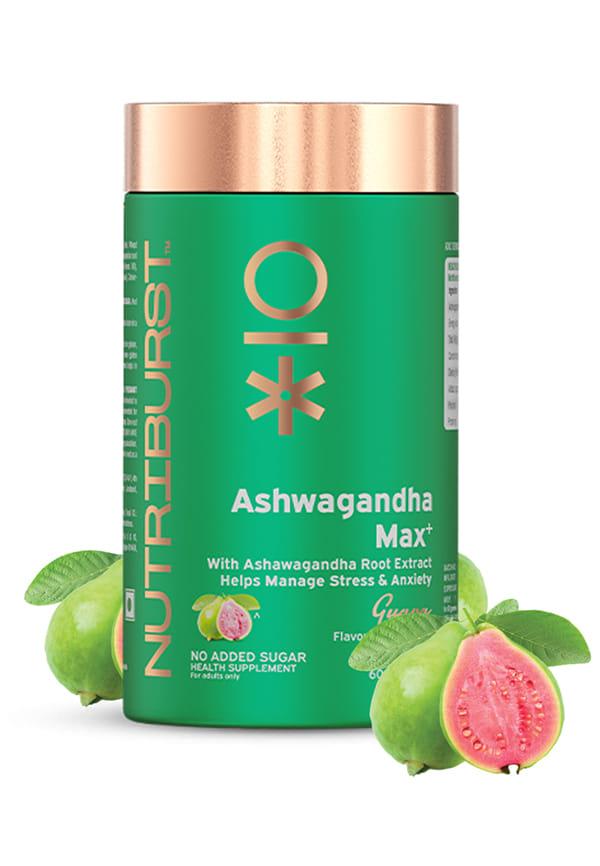
Ashwagandha Max Gummies for Stress Management
Creating sustainable mental well-being isn't about perfect days or never feeling stressed—it's about building consistent practices that support your emotional health over time. The goal is developing a toolkit of strategies that become as natural as brushing your teeth, so you're prepared when life gets challenging.
The benefits of self-care go far beyond bubble baths and face masks (though those can be lovely too). Real self-care is about creating daily habits that support your mental and physical health. This might include morning routines that set a positive tone for your day, like meditation, journaling, or gentle stretching.
Evening rituals are equally important for winding down and preparing for restorative sleep. This could involve putting devices away an hour before bed, practicing gratitude, or doing some light reading. Workplace stress reduction strategies might include taking regular breaks, setting boundaries around after-hours communication, and creating a workspace that feels calm and organised.
Developing emotional intelligence is like building a superpower for stress management. When you can recognise and understand your emotions, you're better equipped to respond thoughtfully rather than react impulsively. This includes learning to identify your stress triggers and developing healthy coping mechanisms before you reach your breaking point.
Building strong support networks is crucial for long-term emotional health. This means nurturing relationships with people who genuinely care about your well-being and aren't afraid to check in when you're struggling. Sometimes just talking through your stress with someone who listens can provide enormous relief and new perspectives on challenging situations.
While there are countless stress management approaches out there, some techniques consistently prove effective across different personalities and lifestyles. These five core methods form the foundation of most successful stress management plans and can be adapted to fit virtually any schedule or preference.
Deep breathing and relaxation exercises top the list because they're immediately accessible and scientifically proven to calm your nervous system. You can use these techniques anywhere—during a stressful meeting, before an exam, or when you're lying awake worrying at night.
Physical activity and exercise consistently rank as one of the most effective stress busters. Whether it's dancing, swimming, running, or just taking the stairs instead of the lift, movement helps your body process stress hormones naturally. Time management and organisation skills prevent stress from building up in the first place by helping you feel more in control of your responsibilities.
Social support and communication provide emotional relief and practical help when you're overwhelmed. This might mean reaching out to friends, joining support groups, or simply being honest with your family about what you're going through. Mindfulness and meditation practices help you develop a healthier relationship with stress by teaching you to observe your thoughts and feelings without being overwhelmed by them.
The most effective stress management plan is one that actually fits your life and personality. If you're naturally active, physical techniques might resonate more than seated meditation. If you're more introspective, journaling and mindfulness practices might feel more natural. The key is experimenting with different approaches and paying attention to what genuinely helps you feel calmer and more centred.
Consider your schedule and lifestyle when choosing techniques. If you're constantly on the go, you'll need strategies that work in short bursts throughout the day. If you have more flexibility, you might benefit from longer practices like yoga classes or extended meditation sessions. Remember, consistency matters more than perfection—a five-minute daily practice is more beneficial than an hour-long session you only manage once a week.
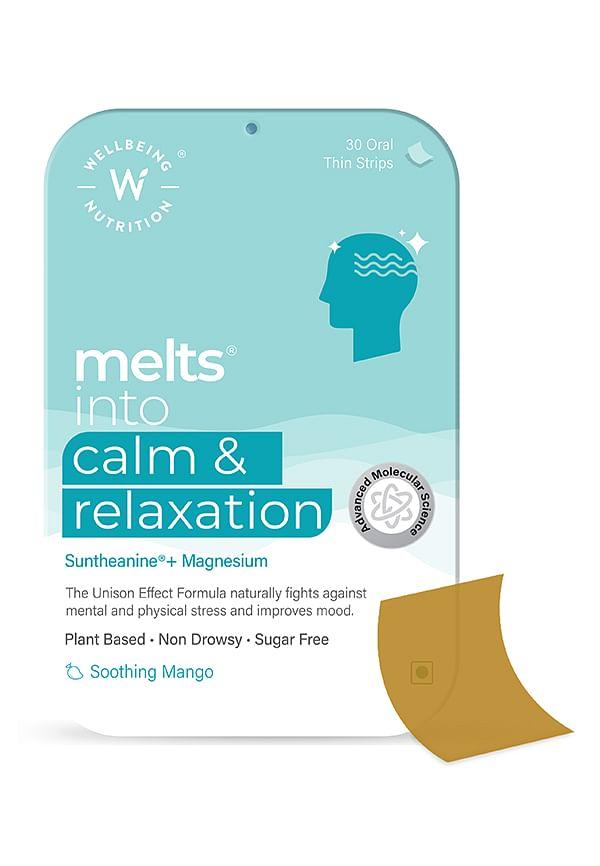
Melts Calm & Relaxation Plant Based Stress & Anxiety Reliever
You might notice some immediate benefits, like feeling calmer after a breathing exercise or more relaxed after a walk. However, the most significant benefits typically develop over weeks or months of consistent practice. Your nervous system needs time to adapt and build new patterns of responding to stress.
Generally, stress management techniques are safe and beneficial for most people. However, some individuals might find certain practices triggering—for example, meditation might initially increase anxiety for some people. It's important to find approaches that feel comfortable and supportive for your specific situation.
If you've tried various techniques without success, consider whether you're giving them enough time to work or if you might benefit from professional support. Sometimes underlying mental health conditions like anxiety or depression need additional treatment. Don't hesitate to speak with a healthcare provider if stress continues to significantly impact your life.
Even 10-15 minutes daily can make a meaningful difference. The key is consistency rather than duration. You might start with just 5 minutes of deep breathing or mindfulness and gradually increase as the practice becomes more natural. Many people find that integrating stress management into existing routines works better than trying to carve out large blocks of time.
Deep breathing exercises are often the best starting point because they're simple, immediately accessible, and provide quick relief. You can practice breathing techniques anywhere without special equipment or training. Once you're comfortable with breathing exercises, you might explore other techniques like progressive muscle relaxation or short mindfulness practices available on Smytten's wellness resources.
Start small and link new practices to existing habits. For example, do breathing exercises while your morning coffee brews or practice gratitude while brushing your teeth. Track your practice in a simple way, like marking a calendar, to build momentum. Remember that missing a day or two doesn't mean you've failed—just get back to your routine when you can.
Understanding stress management benefits is the first step toward building a healthier, more resilient life. The physical benefits alone—improved sleep, stronger immune function, better heart health—make stress management worth prioritising. Add in the mental health advantages like reduced anxiety, better focus, and improved emotional regulation, and you've got a compelling case for making stress management a non-negotiable part of your routine.
The most effective approach combines multiple techniques tailored to your lifestyle and preferences. Whether you gravitate toward mindfulness practices, physical activities, or cognitive strategies, consistency matters more than perfection. Start with simple techniques like deep breathing or short walks, then gradually build a more comprehensive stress management toolkit as these practices become natural habits.
Remember that building resilience takes time, but the investment pays dividends in every area of your life. From better relationships and improved work performance to enhanced overall well-being, the benefits of effective stress management extend far beyond just feeling less stressed in the moment.
Just as Smytten helps you discover products that truly work for your unique needs through trial packs and authentic brand-verified minis, finding the right stress management techniques is about exploration and personal discovery. With over 1,500 trusted wellness brands available on Smytten, you can trial everything from aromatherapy products to relaxation aids before committing to full-size purchases. The platform's 100% cashback on trials makes it easy to explore different wellness approaches without the financial pressure, and with PAN-India delivery, building your stress management toolkit has never been more accessible. After all, why settle for stress when you can #TryItAll and find what genuinely works for your well-being?
