Sprouted Seeds for Women FAQ: Your Health Questions Answered

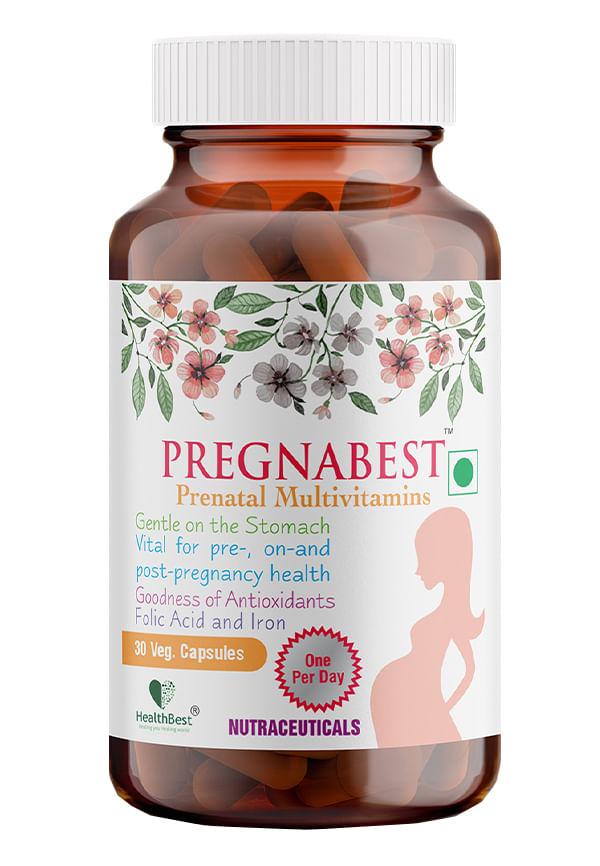
Pregnabest Prenatal Multivitamins for Women – Folic Acid, Iron, Zinc, Vitamin D3
Ever wondered why nutritionists keep raving about sprouted seeds? These tiny nutritional powerhouses are transforming women's health routines across India, and for good reason. Sprouted seeds pack more vitamins, minerals, and digestible nutrients than their unsprouted counterparts, making them perfect for busy women juggling work, family, and wellness goals. From supporting hormonal balance to boosting energy levels, sprouted seeds offer benefits that regular seeds simply can't match. Whether you're dealing with iron deficiency, looking to improve digestion, or wanting clearer skin, understanding sprouted seeds benefits for women could be your game-changer. Plus, with platforms like Smytten making it easier to discover wellness products that complement your sprouting journey, there's never been a better time to explore this ancient superfood practice. Let's dive into everything you need to know about sprouted seeds and why they deserve a spot in your daily routine.
Sprouted seeds offer enhanced nutrition with better vitamin absorption, improved digestibility, and higher protein quality compared to regular seeds
Women benefit specifically from increased folate for reproductive health, iron for menstrual support, and antioxidants for glowing skin
You can easily sprout seeds at home using simple jar or tray methods, with most varieties ready in 2-5 days
Safe daily intake ranges from 50-150g (½ to 2 cups), but start gradually to allow your digestive system to adjust
Popular sprouted varieties include mung beans, alfalfa, broccoli seeds, and sprouted legumes like lentils and chickpeas
Sprouted seeds are essentially seeds that have been soaked and allowed to germinate, creating tiny shoots packed with concentrated nutrition. This sprouting process transforms the seed's nutritional profile, making vitamins and minerals more bioavailable whilst reducing compounds that can interfere with digestion. Think of it as nature's way of pre-digesting nutrients for maximum absorption.
The magic happens during germination when enzymes activate, breaking down proteins into amino acids and starches into simple sugars. This process significantly boosts the nutritional benefits of sprouted seeds, particularly for women who often struggle with nutrient deficiencies due to menstruation, pregnancy, or restrictive diets.
When seeds sprout, their vitamin C content can increase by up to 600%, whilst folate levels often double or triple. The sprouting process also reduces phytic acid, which normally blocks mineral absorption, making iron, zinc, and calcium more readily available to your body. This improved digestibility of sprouted seeds means you're actually absorbing more nutrients per bite compared to eating regular seeds.
Women have unique nutritional needs that sprouted seeds address beautifully. The enhanced folate content supports reproductive health and energy production, whilst increased iron bioavailability helps combat the deficiency that affects nearly 50% of Indian women. These superfoods for women's nutrition also provide sustained energy without blood sugar spikes, perfect for managing hormonal fluctuations throughout your cycle.
Real talk - sprouted seeds aren't just another wellness trend. They're backed by solid science and offer specific benefits that address women's health concerns. From hormonal support to digestive wellness, here's why these tiny powerhouses deserve your attention.
Sprouted legumes for women provide natural phytoestrogens that can help balance hormones, particularly during perimenopause. The high folate content in sprouted seeds supports healthy ovulation and reduces the risk of neural tube defects during pregnancy. Iron from sprouted seeds is also more easily absorbed, helping combat the fatigue and weakness often associated with heavy menstrual cycles.
The enhanced digestibility of sprouted seeds makes them gentler on sensitive stomachs compared to their unsprouted versions. Sprouting breaks down complex sugars that can cause bloating, whilst increasing prebiotic fibre that feeds beneficial gut bacteria. This improved digestion means better nutrient absorption and less digestive discomfort after meals.
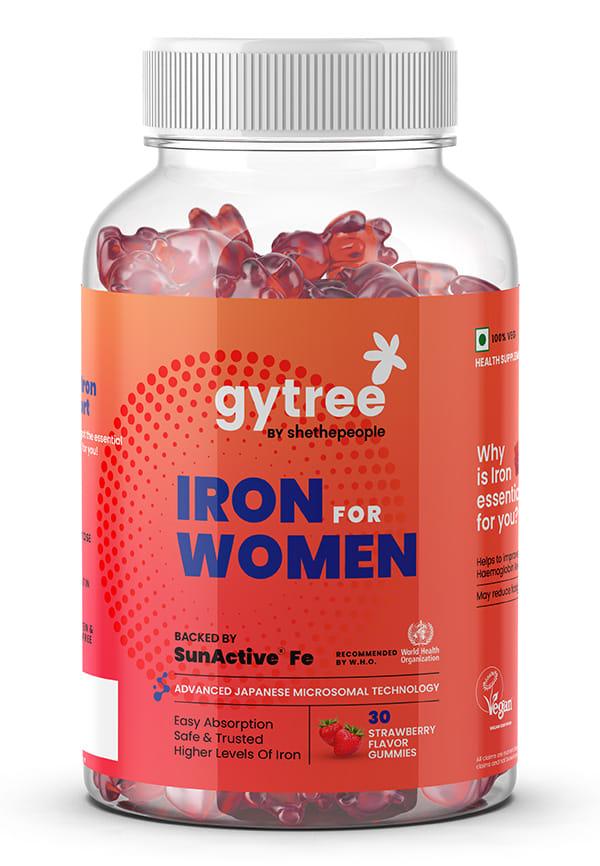
The Total Iron Support Gummies
Yes, sprouts can make your skin glow! The increased vitamin C content supports collagen production, whilst zinc helps regulate oil production and reduce inflammation. The antioxidants in sprouted seeds fight free radical damage that leads to premature ageing. Iron from sprouted varieties also improves circulation, giving you that healthy, radiant complexion from within.
Eating sprouted seeds provides high-quality protein with fewer calories than many other protein sources. The complex carbohydrates release energy slowly, preventing those afternoon energy crashes. Plus, the increased nutrient density means you feel satisfied with smaller portions, supporting healthy weight management without restrictive dieting.
Learning how to sprout seeds at home is easier than you think and costs a fraction of buying pre-sprouted varieties. With just a few basic supplies and some patience, you'll have fresh, nutritious sprouts ready in days. Let's break down the process step by step.
Growing sprouts at home in a jar is the simplest method for beginners. You'll need a wide-mouth glass jar, a mesh lid or cheesecloth, and a rubber band. For larger batches, learning how to grow sprouts in a tray gives you more space and better air circulation. Sprouting bags work well too, especially for travel or small kitchens.
Here's how to sprout seeds for eating: Start by rinsing your chosen seeds and removing any damaged ones. Soak them in clean water for 4-12 hours depending on the variety - smaller seeds need less time. Drain thoroughly and place in your sprouting container. Rinse twice daily with cool water, ensuring good drainage to prevent mould. Most sprouts are ready in 2-5 days when shoots are 1-2 inches long.
For those wondering how to make sprouts overnight, mung beans and alfalfa are your best bets. These quick-sprouting varieties show shoots within 12-24 hours, though they'll continue growing for better flavour and nutrition.
Keep your sprouting area at room temperature (18-22°C) with good air circulation but away from direct sunlight. If you notice any musty smell or slimy texture, discard the batch and start fresh. Proper drainage is crucial - standing water leads to bacterial growth. Always use clean equipment and fresh water for rinsing.
Not all seeds are created equal when it comes to sprouting. Some varieties offer specific benefits for women's health, whilst others are simply easier for beginners to master. Here's your guide to choosing the right sprouted seeds examples for your needs.
Ecostay Long Lasting Foundation | SPF 20 | Vitamin E & Aloe Vera
Mung bean sprouts are probably the most familiar - they're mild, crunchy, and sprout reliably. Alfalfa sprouts pack impressive nutrition into delicate shoots perfect for salads. Broccoli seed sprouts contain concentrated sulforaphane, a powerful antioxidant. For sprouted legumes for women, try lentils, chickpeas, and black beans - they're protein powerhouses that support muscle health and satiety.
If you're dealing with iron deficiency, focus on sprouted lentils and chickpeas. For hormone balance, try sprouted flax seeds and fenugreek. Broccoli and radish sprouts offer the highest antioxidant content for skin health. Quinoa and wheat sprouts provide sustained energy and are excellent for active women who need reliable fuel for workouts.
Knowing the benefits is one thing, but actually eating sprouted seeds regularly is where the magic happens. The key is finding delicious ways to include them in meals you already love, making this nutritional upgrade feel effortless rather than forced.
Can you eat 100g sprouts daily? Absolutely, but start smaller if you're new to sprouted seeds. Begin with 50g (about half a cup) daily and gradually increase to 100-150g as your digestive system adapts. This amount provides significant nutritional benefits without overwhelming your system. The best times to eat sprouts are with breakfast for sustained energy or lunch for an afternoon nutrition boost.
Raw sprouts shine in salads, wraps, and smoothies where their crunch and fresh flavour really pop. Try adding them to your morning smoothie for extra protein and vitamins. Cooked applications work brilliantly too - toss sprouted legumes into stir-fries, soups, or grain bowls. This seed sprouting for wellness approach means you're getting nutrition and flavour in every bite.
Whilst sprouted seeds are generally safe and beneficial, there are some important safety considerations, especially for women with specific health conditions or life stages. Understanding these guidelines ensures you get all the benefits whilst minimising any risks.
Always start with high-quality seeds from reputable sources. Maintain strict hygiene during the sprouting process - clean hands, clean equipment, and fresh water for rinsing. Fresh sprouts should smell clean and earthy, never musty or sour. Store finished sprouts in the refrigerator and consume within 3-5 days for optimal safety and nutrition.
Pregnant and breastfeeding women should be extra cautious with raw sprouts due to potential bacterial contamination. Consider lightly cooking sprouts during these times to reduce risk whilst maintaining most nutritional benefits. Women with autoimmune conditions should introduce sprouted seeds gradually, as the increased nutrient density might trigger sensitivities in some individuals.
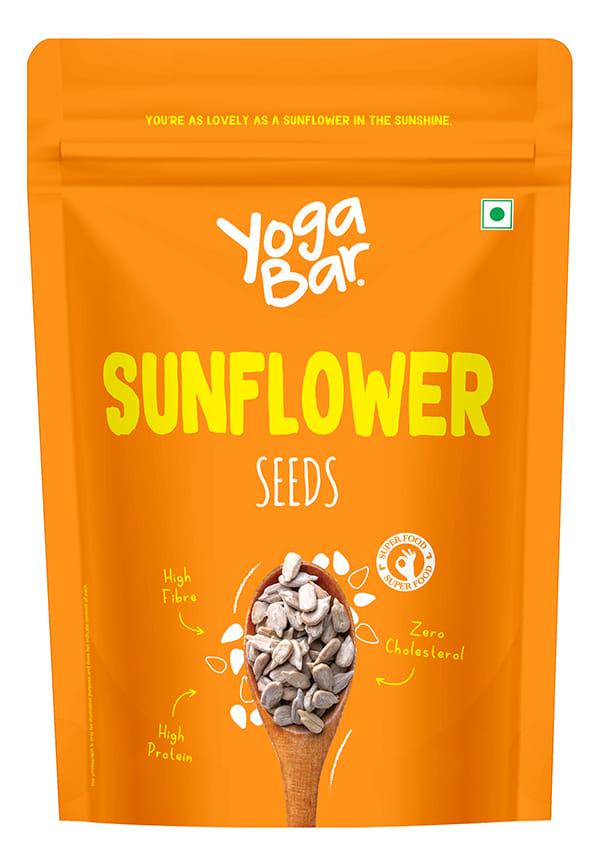
Sunflower Seeds |Rich in Vitamin B & E
Doctors recommend sprouts because they're nutrient-dense, easily digestible, and provide bioavailable vitamins and minerals that support overall health. The sprouting process increases vitamin content whilst reducing anti-nutrients, making them particularly beneficial for people with nutrient deficiencies or digestive issues.
The jar method is best for beginners - it's simple, requires minimal equipment, and works well for most seed varieties. For larger quantities or better air circulation, tray sprouting is ideal. Choose based on your space, the amount you want to grow, and your experience level.
Whilst sprouted seeds are incredibly nutritious, they shouldn't completely replace a balanced diet or necessary supplements. They're excellent for boosting your overall nutrient intake and can reduce your reliance on some supplements, but specific deficiencies may still require targeted supplementation.
Fresh homemade sprouts last 3-5 days in the refrigerator when stored properly in a breathable container. Always check for any off smells or slimy texture before eating. For best nutrition and safety, consume them as fresh as possible.
Avoid sprouting kidney beans, as they contain toxins that require cooking to neutralise. Tomato and potato seeds aren't suitable for sprouting either. Stick to proven sprouting varieties like mung beans, alfalfa, broccoli, and common legumes. When shopping on Smytten, you'll find trusted brands offering sprouting-specific seed varieties that are safe and reliable.
Yes, sprouted seeds support healthy weight management through their high protein content, low calorie density, and ability to keep you feeling satisfied. The enhanced nutrient absorption also means your body gets what it needs from smaller portions, reducing cravings for less nutritious foods.
Sprouted seeds offer a simple yet powerful way to boost your nutritional intake with benefits specifically valuable for women's health. The enhanced bioavailability of vitamins and minerals, combined with improved digestibility, makes them superior to regular seeds for addressing common deficiencies like iron and folate. Starting with basic varieties like mung beans or alfalfa, you can easily learn sprouting seeds for health at home with minimal equipment and cost.
Remember to start gradually with 50g daily and increase as your system adapts. Focus on food safety practices, especially if you're pregnant or have health conditions. The versatility of sprouted seeds means you can enjoy them raw in salads or cooked in your favourite dishes, making this nutritional upgrade both practical and delicious.
Sprouted seeds represent just one piece of the wellness puzzle, but they're a particularly valuable one for women seeking natural ways to support their health. As you explore the world of sprouting seeds for health, you might also discover other wellness products that complement your journey. Smytten, India's largest product discovery platform, connects you with over 1,500 trusted wellness brands through curated trial packs. Whether you're looking for sprouting supplies, digestive health supplements, or other superfoods for women's nutrition, you can try before you buy with authentic brand-verified minis. With 100% cashback on trials and PAN-India delivery, discovering what works for your unique wellness needs has never been easier. After all, why settle for maybe when you can try it all and find what truly supports your health goals?
