Sleep Science Explained: Your Questions Answered


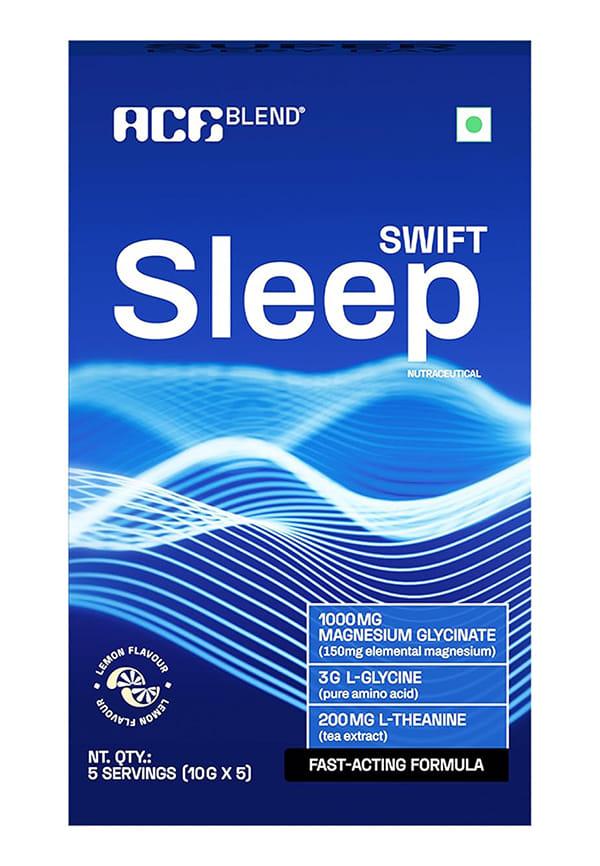
Swift Sleep, Natural Sleep Supplement With Magnesium, L-Theanine And Glycine
Every night, you spend roughly eight hours in an altered state of consciousness—but what's actually happening during those precious hours? Sleep isn't just downtime for your body and brain; it's an incredibly active neurological process that's essential for everything from memory consolidation to immune function. Understanding sleep science can transform how you approach rest and help you optimise your nightly recovery. Whether you're curious about sleep cycles, wondering why you feel groggy after certain naps, or looking to improve your sleep quality, the science behind rest holds fascinating answers. From the intricate dance of hormones to the complex stages your brain cycles through, sleep science explained reveals just how remarkable this daily ritual truly is. At Smytten, we know that better sleep often starts with the right wellness products, which is why we offer trial packs from trusted brands to help you discover what works best for your unique sleep needs.
Sleep operates through two main systems: sleep-wake homeostasis (adenosine buildup) and circadian rhythms (24-hour internal clock)
Your brain cycles through five distinct stages every 90 minutes: wake, light sleep (N1), core sleep (N2), deep sleep (N3), and REM sleep
Quality sleep provides crucial benefits including brain detoxification, memory consolidation, immune strengthening, and physical restoration
Sleep deprivation impacts everything from cognitive function to long-term health, increasing risks for cardiovascular disease and mental health issues
Science-based strategies for improving sleep quality include optimising your environment, maintaining consistent schedules, and understanding your natural chronotype
Understanding sleep starts with recognising that your body operates two sophisticated systems working in tandem to control when you feel sleepy and when you're alert. Think of it as having two internal clocks—one that tracks how long you've been awake, and another that follows the rhythm of day and night.
The first system, called sleep-wake homeostasis, is like a pressure cooker building steam throughout your day. As you stay awake, a chemical called adenosine accumulates in your brain, creating what scientists call "sleep pressure." The longer you're awake, the more adenosine builds up, making you feel increasingly drowsy. When you sleep, your brain clears this adenosine, resetting your sleep drive for the next day.
The second system involves your circadian rhythms—your body's internal 24-hour clock. This biological timekeeper responds to light and darkness, releasing hormones like melatonin when it's time to wind down and cortisol when it's time to wake up. These two systems work together beautifully when they're in sync, but modern life often throws them off balance.
Your sleep quality depends heavily on the delicate balance of several key players. Adenosine acts as your brain's sleepiness signal, whilst melatonin serves as nature's sleep hormone, typically rising in the evening when light fades. Cortisol, often called the stress hormone, actually plays a crucial role in healthy sleep by naturally peaking in the morning to help you wake up and gradually declining throughout the day.
Environmental factors can significantly impact these hormone patterns. Blue light from screens can suppress melatonin production, whilst irregular meal times or caffeine consumption can disrupt your natural cortisol rhythm. Understanding these connections helps explain why sleep hygiene practices are so effective.
Your brain doesn't just switch off when you sleep—it embarks on a carefully orchestrated journey through different stages, each serving specific functions for your physical and mental wellbeing. These sleep stages repeat in cycles throughout the night, with each complete cycle lasting roughly 90 minutes.

Melatonin With Vitamin B6 - Tablets Promotes Restful Sleep & Relaxation
Most people complete four to six sleep cycles per night, though this varies based on individual needs and sleep duration. Early in the night, you spend more time in deep sleep stages, whilst REM sleep becomes more prominent in the later cycles. This natural progression explains why waking up at certain times feels more natural than others—you're likely completing a full cycle.
Non-REM sleep consists of three distinct stages, each progressively deeper. Stage N1 is the lightest sleep, lasting just a few minutes as you transition from wakefulness. You might experience those sudden "falling" sensations during this stage—completely normal and called hypnic jerks.
Stage N2 represents the bulk of your sleep time, characterising core sleep maintenance. Your brain waves slow down, body temperature drops, and heart rate decreases. Stage N3, often called deep sleep or slow-wave sleep, is when the most restorative processes occur. Your brain waves become large and slow, and it's much harder to wake you during this stage.
REM (Rapid Eye Movement) sleep is perhaps the most fascinating stage. Despite your eyes moving rapidly beneath closed lids, your voluntary muscles become temporarily paralysed—a protective mechanism preventing you from acting out your dreams. Your brain activity during REM sleep closely resembles waking patterns, which explains why REM dreams tend to be more vivid and memorable.
This stage plays a crucial role in memory consolidation, emotional processing, and brain development. Research suggests that REM sleep helps transfer important information from short-term to long-term memory whilst clearing out unnecessary neural connections.
Sleep isn't passive recovery time—it's when your body and brain perform some of their most important maintenance work. From clearing metabolic waste to strengthening memories, quality sleep provides benefits that extend far beyond feeling refreshed in the morning.
One of sleep's most remarkable functions involves the glymphatic system—essentially your brain's waste disposal network. During deep sleep, the spaces between brain cells expand by up to 60%, allowing cerebrospinal fluid to flush out metabolic waste products, including amyloid plaques associated with Alzheimer's disease. This nightly brain wash is so efficient that it removes toxins at nearly twice the rate of waking hours.
Sleep transforms your daily experiences into lasting memories through a process called memory consolidation. During different sleep stages, your brain replays and strengthens neural pathways formed during the day. This process doesn't just preserve memories—it also helps you make creative connections between seemingly unrelated information, which is why you might wake up with solutions to problems that stumped you the day before.
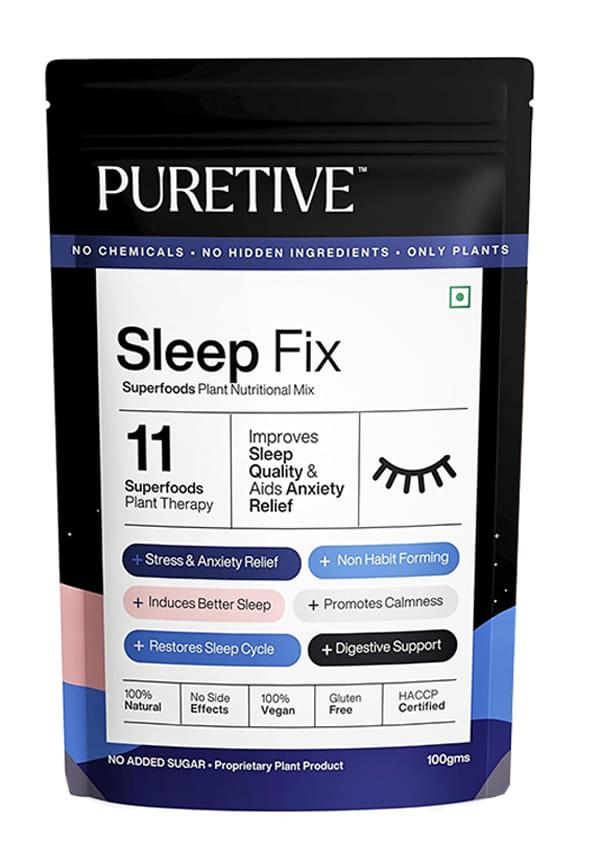
Sleep Fix Superfoods Mix | Natural Melatonin
Your immune system works overtime during sleep, producing infection-fighting cells and antibodies. Growth hormone release peaks during deep sleep, promoting tissue repair and muscle recovery. Sleep also helps regulate hormones that control hunger and metabolism, explaining why poor sleep often leads to weight gain and increased appetite.
When you skimp on sleep, the consequences extend far beyond feeling tired. Sleep deprivation creates a cascade of effects that impact virtually every aspect of your physical and mental health, often in ways you might not immediately connect to poor rest.
Even one night of poor sleep can significantly impair your cognitive function. Your attention span shortens, reaction times slow, and decision-making abilities decline. Sleep-deprived brains struggle with emotional regulation, making you more likely to feel irritable, anxious, or overwhelmed by situations you'd normally handle with ease.
Chronic sleep deprivation increases your risk of serious health conditions including cardiovascular disease, type 2 diabetes, and obesity. Poor sleep disrupts hormone regulation, leading to increased cortisol levels and insulin resistance. Your immune system also weakens with insufficient rest, making you more susceptible to infections and slower to recover from illness. Mental health suffers too, with sleep deprivation strongly linked to anxiety and depression.
The good news is that understanding sleep science provides clear pathways to better rest. By working with your body's natural systems rather than against them, you can significantly improve both sleep quality and overall wellbeing.
Your bedroom environment plays a crucial role in sleep quality. The ideal sleep temperature ranges between 16-19°C, as your body naturally cools down to initiate sleep. Darkness is equally important—even small amounts of light can suppress melatonin production. Consider blackout curtains or an eye mask, and keep electronic devices out of the bedroom to minimise blue light exposure.
Consistency is key when it comes to improving sleep quality. Going to bed and waking up at the same time every day helps regulate your circadian rhythms, even on weekends. Developing a relaxing pre-sleep routine signals to your brain that it's time to wind down. This might include gentle stretching, reading, or using calming wellness products that promote relaxation.

SOMNI Natural Sleep Aid Daily Herbal Supplement for Men & Women
Not everyone's internal clock runs on the same schedule. Some people are natural early risers (larks), whilst others function better later in the day (owls). Understanding your chronotype—your natural sleep-wake preferences—can help you optimise your schedule for better rest. If you're naturally a night owl but forced to wake early for work, gradual adjustments and strategic light exposure can help shift your rhythm.
Sleep science explains rest through two primary systems working together: sleep-wake homeostasis and circadian rhythms. The homeostatic system builds sleep pressure through adenosine accumulation during waking hours, whilst your circadian clock responds to environmental cues like light and darkness to regulate sleep timing. These systems create the neurological basis for feeling sleepy at night and alert during the day.
There are five distinct sleep stages: wake, N1 (light sleep), N2 (core sleep), N3 (deep sleep), and REM sleep. You cycle through these stages approximately every 90 minutes throughout the night. Each stage serves specific functions, from physical restoration during deep sleep to memory consolidation during REM sleep.
From an evolutionary and biological perspective, sleep serves multiple critical functions that couldn't be accomplished while awake. These include brain detoxification through the glymphatic system, memory consolidation, immune system strengthening, and cellular repair. Sleep is so essential that virtually every animal species exhibits some form of sleep behaviour, despite the apparent vulnerability it creates.
In healthy adults, sleep architecture typically breaks down as follows: N1 (5%), N2 (45-55%), N3 (15-20%), and REM (20-25%). However, these percentages can vary based on age, with children and teenagers requiring more deep sleep, whilst older adults often experience less REM sleep and more frequent awakenings.
Many people find that certain wellness products can support better sleep hygiene and relaxation routines. From aromatherapy oils to herbal teas and relaxation aids, trial packs let you discover what works for your unique sleep needs without committing to full-size purchases. This trial-before-you-buy approach is particularly helpful for sleep products, as individual responses can vary significantly.
Sleep science reveals that quality rest is far more complex and crucial than simply "switching off" for eight hours. Your brain orchestrates an intricate dance of hormones, neurotransmitters, and biological rhythms to provide the restorative benefits your body and mind desperately need. Understanding these mechanisms empowers you to make informed decisions about your sleep habits and environment.
The most important takeaway is that good sleep isn't a luxury—it's a biological necessity that impacts every aspect of your health and performance. By respecting your natural sleep-wake cycles, creating an optimal sleep environment, and maintaining consistent habits, you can harness the power of sleep science to improve your overall quality of life.
Understanding sleep science is just the first step towards better rest—implementing changes often requires experimenting with different approaches to find what works best for your unique needs. Smytten makes this exploration easier by offering curated trial packs from over 1,500 trusted wellness brands, letting you discover sleep-supporting products before committing to full-size purchases. With trial packs available for just ₹249 and 100% cashback on trials redeemable for future orders, you can try everything from aromatherapy oils to herbal teas that might enhance your sleep routine. After all, when it comes to optimising your rest, why settle for guessing when you can try it all and find what truly works for your sleep science?
