Simple Self-Care Habits FAQ: Your Questions Answered


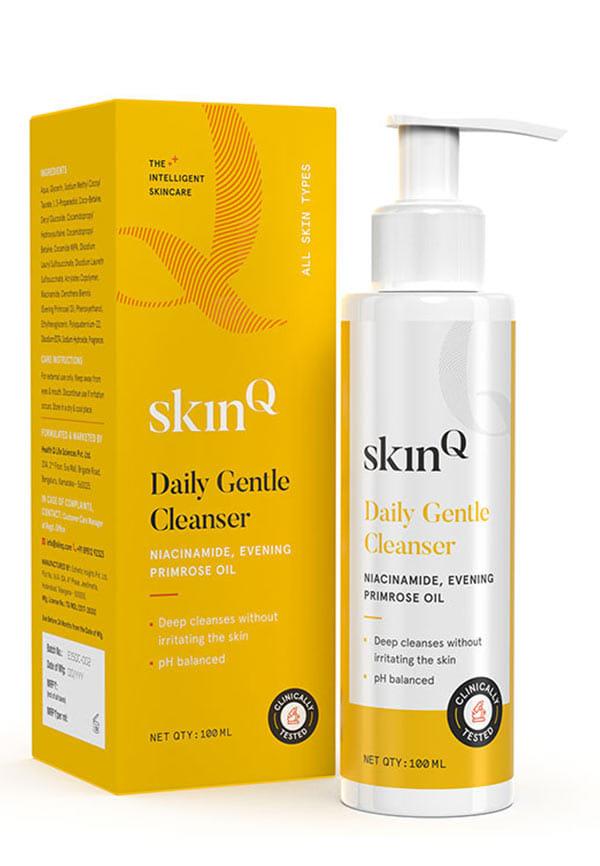
Daily Gentle Cleanser
Let's be real—self-care doesn't have to mean expensive spa days or hour-long meditation sessions. Sometimes the most powerful wellness habits are the simplest ones you can actually stick to. Whether you're juggling work deadlines, family responsibilities, or just trying to figure out adulting, simple self-care habits can be your secret weapon for feeling more balanced and energised. The beauty of these practices lies in their accessibility—they don't require special equipment, tons of time, or a complete lifestyle overhaul. From quick breathing exercises to mindful skincare routines you can trial on Smytten, building sustainable wellness habits is all about finding what works for your unique life and schedule.
TL;DR
Simple self-care habits are small, sustainable practices that support your physical, mental, and emotional wellbeing without requiring major time commitments
Effective daily self-care includes basic practices like proper hydration, mindful breathing, gratitude journaling, and setting healthy boundaries
Mental wellness habits such as stress management techniques and mindfulness practices can be done in just 2-10 minutes
Building a personal care routine works best when you start small, use habit stacking, and customise practices to fit your lifestyle
Consistency matters more than perfection—even micro-moments of self-care can make a meaningful difference to your overall wellbeing
Simple self-care habits are small, intentional actions you take regularly to nurture your physical, mental, and emotional wellbeing. Unlike complex wellness routines that might require special equipment or significant time blocks, these practices are designed to fit seamlessly into your existing schedule. Think of them as the building blocks of a sustainable self-care routine—manageable, accessible, and genuinely helpful.
The core principles behind effective simple self-care habits include accessibility (anyone can do them), sustainability (you can maintain them long-term), and personalisation (they fit your specific needs and preferences). These aren't about perfection or Instagram-worthy moments—they're about creating consistent touchpoints throughout your day that help you feel more grounded and cared for.
There's an important distinction between self-care and self-indulgence. Self-care activities genuinely support your wellbeing and help you function better, while self-indulgence might feel good in the moment but doesn't necessarily contribute to your long-term health. A quick face mask using products you've tried through trial packs is self-care; mindlessly scrolling social media for hours is more likely self-indulgence.
Simple habits are more effective than elaborate routines because they're easier to maintain consistently. When self-care feels overwhelming or time-consuming, you're less likely to stick with it. A two-minute breathing exercise you do daily will have more impact than an hour-long meditation session you manage once a month.
Building a solid foundation of daily self-care doesn't require a complete lifestyle overhaul. These essential habits can be woven into your existing routine, creating meaningful moments of care throughout your day. The key is choosing practices that feel natural and sustainable for your current life situation.
Hydration with intention: Instead of just drinking water, make it mindful. Notice the temperature, taste, and how your body feels as you hydrate. Keep a water bottle nearby and aim for consistent sips throughout the day rather than chugging large amounts.
Five-minute morning stretches: Before checking your phone or diving into your day, spend five minutes gently moving your body. Simple neck rolls, shoulder shrugs, and gentle twists can help you feel more awake and connected to your physical self.
Sleep hygiene basics: Create a simple wind-down routine that signals to your body it's time to rest. This might include dimming lights an hour before bed, putting devices away, or applying a calming skincare product as part of your personal care routine.
Two-minute breathing exercises: When you feel stressed or overwhelmed, try the 4-7-8 technique: breathe in for 4 counts, hold for 7, exhale for 8. This simple stress management technique can be done anywhere and helps activate your body's relaxation response.
Gratitude micro-moments: Instead of formal journaling, try noting three things you're grateful for while brushing your teeth or during your commute. This mindfulness practice helps shift your focus toward positive aspects of your day.
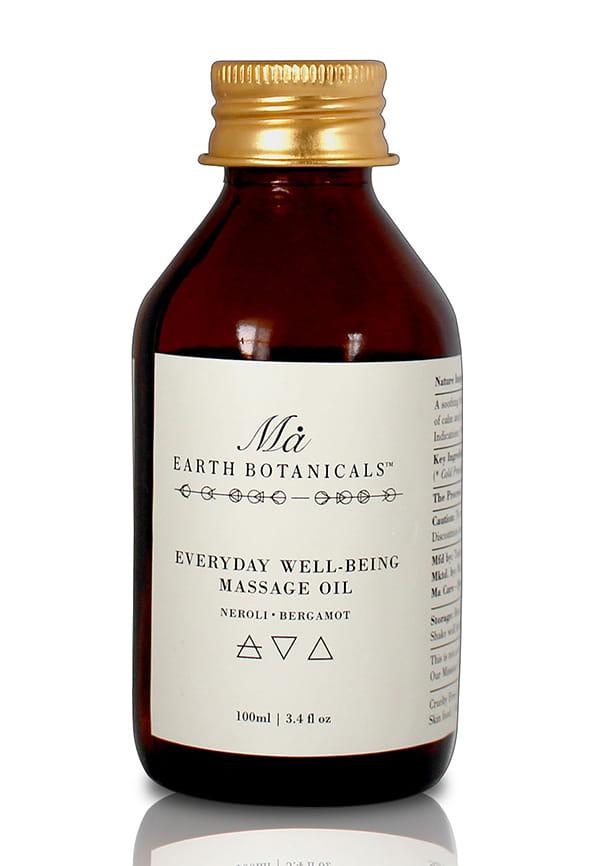
Everyday Well-Being Massage Oil
Digital boundaries: Set specific times to check messages and social media rather than constantly responding. Even a 30-minute phone-free period can help reduce mental clutter and improve focus.
Feeling check-ins: Pause periodically throughout your day to ask yourself, "How am I feeling right now?" without trying to change or judge the emotion. This simple awareness practice helps you stay connected to your emotional state.
Boundary setting: Practice saying "no" to commitments that don't align with your values or energy levels. Start small—maybe declining one optional meeting or social event per week to preserve time for yourself.
Your self-care routine should fit your life, not the other way around. Different lifestyles call for different approaches, and what works for your friend might not work for you. The goal is to find sustainable practices that genuinely support your wellbeing within your current circumstances.
Morning routine (5 minutes): Drink a glass of water mindfully, do three deep breaths, and set one positive intention for the day. Evening routine (5 minutes): Remove makeup or wash your face with intention, noting how the products feel on your skin, then write down one thing that went well today.
Micro-moments: Practice gratitude while your coffee brews, do shoulder rolls while waiting in the car pickup line, or take five deep breaths in the bathroom. These tiny pockets of self-care can be incredibly restorative when longer breaks aren't possible.
Between-class resets: Step outside for fresh air, do a quick body scan to release tension, or listen to one favourite song with full attention. These brief stress management techniques can help you feel more centred before your next commitment.
Home-based wellness breaks: Make your lunch mindfully instead of eating while working, take a five-minute walk around your living space, or do gentle stretches during video calls when your camera is off.
Mental wellness habits don't require hours of meditation or therapy sessions to be effective. Small, consistent practices can significantly impact your stress levels, mood, and overall mental health. These techniques are particularly valuable during challenging periods or when you're feeling overwhelmed.
Progressive muscle relaxation: Starting with your toes, tense each muscle group for five seconds, then release. Work your way up to your head. This practice helps you notice where you hold tension and actively release it.
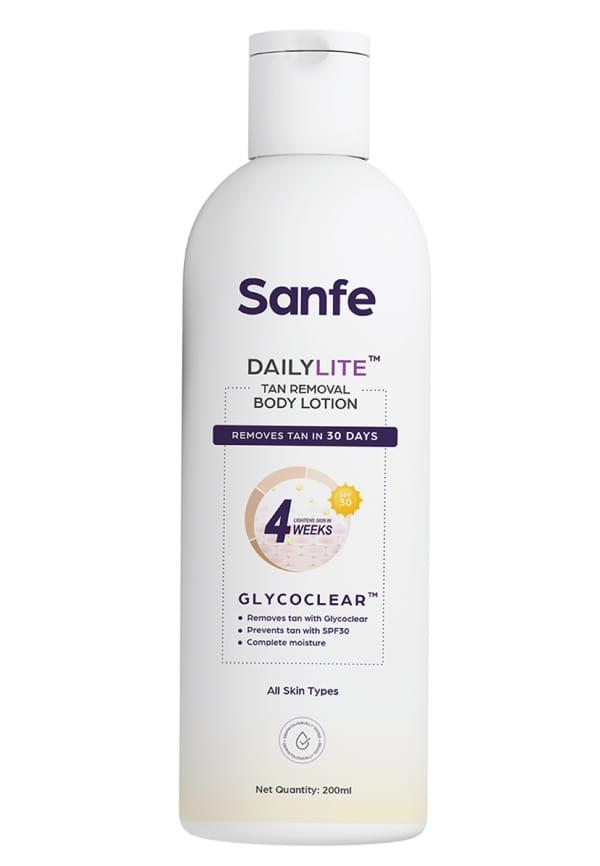
DailyLite Body Lotion | Glycopeel Technology & SPF 30
Mindful walking: Even a two-minute walk can become a mindfulness practice. Focus on the sensation of your feet touching the ground, the rhythm of your steps, or the sounds around you. This combines gentle movement with present-moment awareness.
Single-tasking exercises: Choose one daily activity—like washing dishes or applying moisturiser—and do it with complete attention. Notice textures, temperatures, scents, and sensations without multitasking or rushing.
Present-moment anchors: Throughout your day, use regular activities as reminders to check in with yourself. Every time you wash your hands, take three conscious breaths. When you open a door, notice one thing you're grateful for.
While simple self-care habits are incredibly beneficial, they're not a replacement for professional mental health support when needed. If you're experiencing persistent anxiety, depression, or other mental health concerns that interfere with daily life, consider reaching out to a mental health professional.
Creating sustainable healthy habits is more art than science, and the key lies in understanding how to build practices that actually stick. Rather than trying to overhaul your entire routine overnight, successful self-care integration happens gradually through strategic habit stacking and realistic goal-setting.
Link new habits to existing ones: After I brush my teeth (existing habit), I will do three deep breaths (new habit). After I sit down at my desk (existing habit), I will drink a glass of water mindfully (new habit). This approach leverages routines you already have established.
Start ridiculously small: If you want to develop a meditation practice, start with two minutes. Want to journal? Write one sentence. The goal is consistency, not perfection. Once the habit feels automatic, you can gradually increase the duration.
Sunday check-ins: Spend five minutes each week reviewing what self-care practices served you well and what felt forced or unsustainable. Adjust your approach based on what you learn about your preferences and energy patterns.
"I don't have time": Start with practices that take less than two minutes and can be done during existing activities. "I keep forgetting": Use visual reminders or link new habits to established routines. "It feels selfish": Remember that taking care of yourself helps you show up better for others.
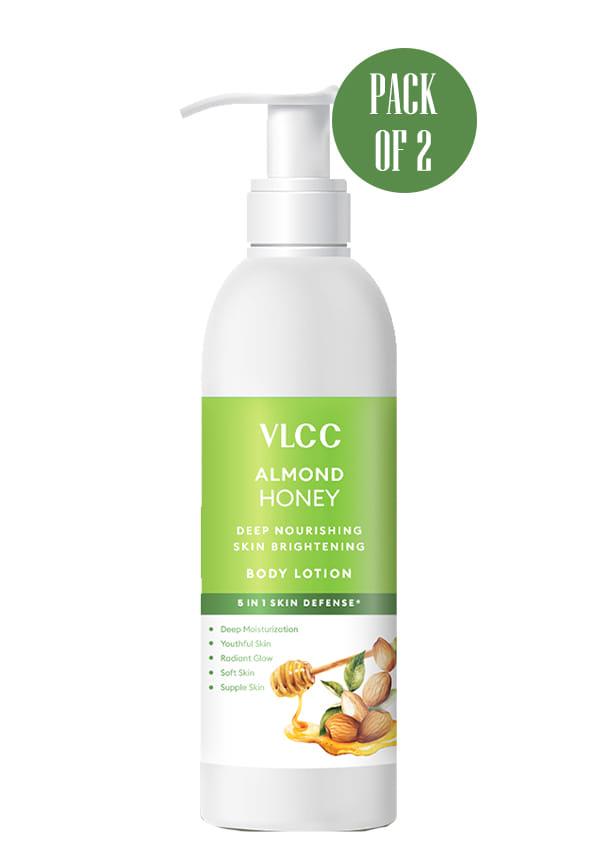
Almond Honey Deep Nourishing & Skin Brightening Body Lotion Buy One Get One
Five accessible self-care activities include: drinking water mindfully, taking three deep breaths when feeling stressed, writing down one thing you're grateful for, doing gentle neck and shoulder stretches, and setting a boundary by saying no to one thing that drains your energy. These require no special equipment or significant time investment.
Ten effective daily wellness habits include: staying hydrated throughout the day, taking short movement breaks, practicing gratitude, setting digital boundaries, getting adequate sleep, eating mindfully, spending time in natural light, connecting with someone you care about, doing one thing that brings you joy, and taking a few minutes for intentional breathing or mindfulness.
Simple self-care habits support mental health by reducing stress hormones, increasing feelings of control and self-efficacy, providing regular moments of calm in busy days, and creating positive feedback loops that boost mood and confidence. Consistent small practices often have more impact than sporadic intensive efforts.
Self-care involves taking intentional actions to maintain your physical, mental, and emotional wellbeing so you can function effectively and show up for others. Being selfish involves prioritising your wants at the expense of others' legitimate needs. Good self-care actually makes you more available and present for the people and responsibilities in your life.
Research suggests it takes anywhere from 18 to 254 days to form a new habit, with an average of 66 days. However, simple self-care habits often feel natural more quickly because they're inherently rewarding. Focus on consistency rather than perfection—even if you miss a day, you can restart the next day without losing progress.
Yes, regular self-care practices can significantly help manage anxiety and stress by activating your body's relaxation response, providing healthy coping mechanisms, and creating predictable moments of calm in your day. However, if anxiety or stress is severe or persistent, it's important to also seek professional support.
Start with micro-practices that take less than two minutes and can be integrated into existing activities. You can practice mindfulness while washing dishes, do breathing exercises while waiting in line, or apply skincare products with intention. Self-care doesn't require extra time when it's woven into activities you're already doing.
Pay attention to what makes you feel more energised, calm, or centred versus what feels forced or draining. Your ideal self-care practices should feel sustainable and genuinely supportive. You can trial different approaches on Smytten to discover what wellness products and routines work best for your lifestyle and preferences.
Simple self-care habits are the foundation of sustainable wellbeing, offering accessible ways to nurture yourself without overwhelming your schedule or budget. The most effective practices are those you can maintain consistently—whether that's a two-minute breathing exercise, mindful hydration, or a gentle evening skincare routine. Remember that self-care isn't selfish; it's essential for maintaining your ability to show up fully in all areas of your life.
Start small, be patient with yourself, and focus on building one habit at a time. Use habit stacking to link new practices to existing routines, and don't be afraid to adjust your approach based on what you learn about your preferences and lifestyle. The goal isn't perfection—it's creating sustainable practices that genuinely support your physical, mental, and emotional wellbeing.
Building simple self-care habits is a journey of discovery, and sometimes the best way to find what works is to try different approaches without the pressure of full-size commitments. Smytten is India's largest product discovery and trial platform, connecting consumers with top lifestyle, beauty, wellness, and grooming brands through curated trial packs. Whether you're exploring new skincare products for your evening routine or trying wellness supplements to support your stress management goals, Smytten's mini-sized products from over 1,500 trusted brands let you experiment with different self-care approaches before investing in full sizes. With 100% cashback on trials and PAN-India delivery, you can build your perfect personal care routine one authentic, brand-verified mini at a time. After all, why settle for 'maybe' when you can #TryItAll!
