Simple Daily Wellness Habits FAQ: Your Questions Answered



Ashwaginseng | Enhances Stamina | Boosts Energy
Building simple daily wellness habits doesn't have to feel overwhelming or require a complete life overhaul. Whether you're looking to start your morning with more energy, manage stress better throughout the day, or wind down peacefully in the evening, small consistent actions can create meaningful change. The beauty of wellness lies in its simplicity—you don't need expensive equipment, hours of free time, or perfect conditions to begin. From mindful breathing exercises that take just two minutes to evening relaxation techniques that help you sleep better, these habits work because they're designed to fit into real life. At Smytten, we understand that wellness is personal, which is why exploring different approaches through trial-sized wellness products can help you discover what truly works for your lifestyle.
Simple daily wellness habits focus on small, sustainable actions that support physical, mental, and emotional well-being
Morning wellness practices like hydration and mindful breathing set a positive tone for the day
Evening relaxation techniques help improve sleep quality and recovery
Building healthy habits successfully requires understanding the psychology of habit formation and starting small
Consistency matters more than perfection when developing a daily self-care routine
Simple daily wellness habits are small, manageable actions you can incorporate into your routine to support your overall well-being. Unlike complex health regimens that require significant time or resources, these habits focus on consistency over intensity. They address four key areas: physical health, mental clarity, emotional balance, and social connection.
The difference between wellness habits and health habits lies in their scope. While health habits might focus solely on physical outcomes like weight loss or muscle gain, wellness habits take a holistic approach. They consider how your actions affect your mood, stress levels, relationships, and overall quality of life. This broader perspective makes wellness habits more sustainable because they feel good to do, not just beneficial in the long run.
Research shows that small, consistent actions create compound effects over time. A five-minute morning stretch might seem insignificant, but when done daily for months, it can improve flexibility, reduce back pain, and boost your mood. This is why simple habits often succeed where dramatic lifestyle changes fail—they work with your existing routine rather than against it.
Building a daily self-care routine doesn't require hours of your day. These essential habits can be adapted to fit any schedule, making healthy lifestyle tips accessible to everyone regardless of their current fitness level or available time.
Start your day with hydration by drinking a glass of water before reaching for coffee. Your body loses water overnight, and rehydrating first thing helps kickstart your metabolism and improve mental clarity. Follow this with gentle stretching or a few minutes of mindful breathing to signal to your body that it's time to wake up properly.
Focus on eating regular, balanced meals rather than following restrictive diets. Practice mindful eating by putting away distractions during meals and paying attention to hunger and fullness cues. This simple shift can improve digestion and help you enjoy your food more.
Aim for small bursts of movement rather than one intense workout session. Take the stairs when possible, do desk stretches every hour, or walk while taking phone calls. These micro-movements add up and help counteract the effects of prolonged sitting.
Set aside time for brief mental wellness practices like gratitude journaling or stress check-ins. Ask yourself how you're feeling emotionally and what you need in that moment. This self-awareness helps prevent stress from building up throughout the day.
Your morning routine sets the tone for your entire day, making morning wellness practices particularly powerful for building healthy habits. The key is creating a sequence that feels natural and energising rather than rushed or stressful.

Teen Multivitamin Tablets - Daily Vitamins for Teenagers - Boost Energy & Immunity
Great Value Product
 5
5“good quality product... affordable”
Understanding your circadian rhythm can help optimise your morning routine. Your body naturally produces cortisol in the morning to help you wake up, so working with this natural energy boost rather than against it makes your routine more effective. This is why gentle movement and hydration work better than immediately jumping into high-stress activities.
Start with three deep breaths to centre yourself, then do gentle neck rolls and shoulder shrugs to release tension. Follow with light stretching—reach your arms overhead and gently twist your spine. This sequence takes less than five minutes but helps improve circulation and mental clarity.
Drink water before coffee or tea to rehydrate your body after hours without fluids. Add a pinch of sea salt or a slice of lemon if plain water feels boring. The goal is 16-20 ounces within the first hour of waking, but start with what feels comfortable and build up gradually.
Instead of rigid goal-setting, try setting gentle intentions for your day. Ask yourself: "How do I want to feel today?" or "What's one thing I can do for my well-being?" This approach feels more flexible and sustainable than strict to-do lists.
Evening relaxation techniques are crucial for transitioning from the day's activities to restful sleep. These stress management techniques help your nervous system shift from the active sympathetic state to the calm parasympathetic state needed for recovery.
The two hours before bedtime are particularly important for sleep quality. During this window, your body begins producing melatonin and your core temperature starts to drop—both signals that it's time to wind down. Supporting these natural processes with intentional relaxation techniques can significantly improve your sleep quality.
Create a "digital sunset" by dimming screens or using blue light filters one to two hours before bed. The blue light from devices can interfere with melatonin production, making it harder to fall asleep. If you must use devices, try blue light blocking glasses or switch to audio content instead.
This technique involves tensing and then releasing different muscle groups, starting from your toes and working up to your head. Tense each muscle group for five seconds, then release and notice the feeling of relaxation. This practice helps release physical tension and signals to your body that it's time to rest.
Stop eating three hours before bed, stop drinking fluids two hours before bed, and stop using screens one hour before bed. This simple framework helps your body prepare for sleep without being disrupted by digestion, bathroom trips, or mental stimulation.
Mindfulness for beginners doesn't require meditation retreats or hours of sitting in silence. It's simply the practice of paying attention to the present moment without judgement. These mental well-being practices can be woven into activities you're already doing throughout the day.
Many people think mindfulness means having a completely quiet mind, but that's not the goal. Your mind will wander—that's normal and expected. The practice is noticing when your mind wanders and gently bringing your attention back to the present moment. This "noticing and returning" is actually the exercise that strengthens your mindfulness muscle.

Slow Multi + Omega 50+ | Vitamin D3, Calcium, Iron, Amino Acids & 39 Nutrients
Try the 5-4-3-2-1 grounding technique: notice five things you can see, four things you can touch, three things you can hear, two things you can smell, and one thing you can taste. This practice brings you into the present moment and can be done anywhere, anytime you feel stressed or overwhelmed.
Choose one meal or snack per day to eat mindfully. Put away distractions, chew slowly, and notice the flavours, textures, and temperatures of your food. This practice can improve digestion and help you enjoy your meals more, while also serving as a natural portion control method.
Turn your daily walks into mindfulness practice by focusing on the sensation of your feet touching the ground, the rhythm of your breathing, or the sounds around you. This combines the benefits of movement with mindfulness training, making it perfect for busy schedules.
Understanding the psychology behind building healthy habits can dramatically improve your success rate. The key lies in working with your brain's natural tendency to automate behaviours rather than relying on willpower alone.
The habit loop consists of three parts: a cue (trigger), the routine (behaviour), and a reward (benefit). Successful habit formation requires identifying clear cues, making the routine as easy as possible, and ensuring you notice the positive rewards. This holistic health approach recognises that sustainable change happens gradually, not overnight.
When starting a new habit, make it so easy you can't say no. If you want to start exercising, begin with putting on your workout clothes. If you want to meditate, start with two minutes. The goal is consistency, not intensity. Once the habit is established, you can gradually increase the duration or complexity.
Link new habits to existing ones using the formula: "After I [existing habit], I will [new habit]." For example, "After I brush my teeth, I will do five deep breaths." This leverages the neural pathways of established habits to support new ones.
Progress, not perfection, is the goal. If you miss a day, simply return to your habit the next day without self-criticism. Research shows that missing one day doesn't significantly impact habit formation, but the story you tell yourself about missing that day can derail your progress entirely.
The ten most impactful daily wellness habits include: drinking water first thing in the morning, taking deep breaths when stressed, eating meals without distractions, moving your body for at least 10 minutes, spending time in natural light, practising gratitude, setting boundaries with technology, connecting with someone you care about, doing something creative or playful, and creating a consistent sleep schedule. These habits address physical, mental, and emotional well-being while being simple enough to maintain long-term.
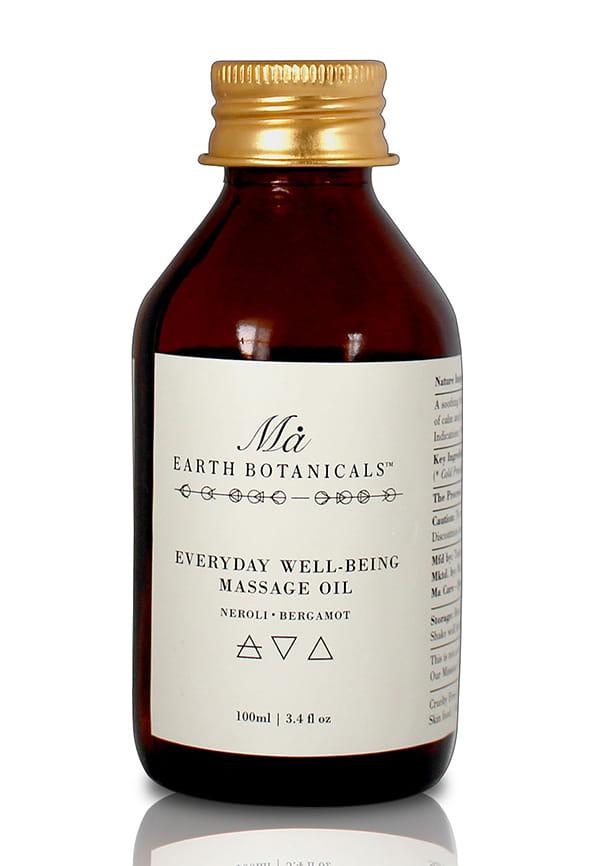
Everyday Well-Being Massage Oil
Start with the foundation habits: adequate hydration, regular movement, consistent sleep schedule, and stress management through deep breathing or mindfulness. These four areas support all other wellness practices and provide the energy and mental clarity needed to build additional habits. Focus on one area at a time rather than trying to change everything at once.
The seven essential habits are: staying hydrated throughout the day, moving your body regularly, eating balanced meals, getting quality sleep, managing stress through relaxation techniques, maintaining social connections, and spending time in nature or natural light. These habits work synergistically—improving one often naturally supports the others.
The 3-3-3 rule suggests focusing on three habits for three minutes each for three weeks. This approach prevents overwhelm while allowing enough time for habits to begin feeling automatic. After three weeks, you can either deepen these habits or add new ones. The rule emphasises consistency over intensity and helps build confidence through small wins.
Contrary to the popular 21-day myth, research shows habit formation typically takes 18 to 254 days, with an average of 66 days. The timeline depends on the complexity of the habit, your current lifestyle, and how consistently you practice. Simple habits like drinking water upon waking form faster than complex ones like regular exercise. Focus on consistency rather than counting days.
Students benefit from micro-habits that fit between classes and study sessions: two-minute breathing exercises between subjects, walking while reviewing notes, staying hydrated during long study sessions, doing desk stretches every hour, and creating a consistent sleep schedule even during exam periods. The key is choosing habits that enhance rather than compete with academic performance.
While it's tempting to overhaul your entire routine, starting with one habit at a time leads to better long-term success. Once a habit feels automatic (usually after 4-8 weeks), you can add another. If you prefer starting multiple habits, use habit stacking to link them together or choose habits that naturally support each other, like morning hydration and gentle stretching.
Create flexible versions of your habits that can adapt to different circumstances. For example, if you usually do a 20-minute morning routine, have a 5-minute version for busy days. Focus on the habits that have the biggest impact on how you feel, and remember that maintaining even simplified versions keeps the neural pathways active. Available on Smytten, you'll find travel-sized wellness products that make maintaining your routine easier when away from home.
Simple daily wellness habits succeed because they work with your natural rhythms and existing routine rather than against them. The most effective approach focuses on consistency over perfection, starting small and building gradually. Remember that wellness is personal—what works for others might not work for you, and that's perfectly fine.
The foundation habits of hydration, movement, sleep, and stress management provide the energy and mental clarity needed to build additional practices. By understanding the psychology of habit formation and using strategies like the two-minute rule and habit stacking, you can create lasting change without relying on willpower alone.
Most importantly, be patient with yourself. Building new habits takes time, and setbacks are part of the process. Focus on progress rather than perfection, and celebrate small wins along the way. Your future self will thank you for the small, consistent actions you take today.
Creating sustainable wellness habits is a journey of discovery, and sometimes the best approach is to try different products and practices to see what resonates with your lifestyle. Smytten is India's largest product discovery and trial platform, connecting consumers with top lifestyle, beauty, wellness, and grooming brands through curated trial packs. With mini-sized products from over 1,500 trusted brands, you can explore wellness products before committing to full-size purchases. Each mini is linked with Trial Points, and users can get up to 8 minis for just ₹249, plus Smytten offers 100% cashback on the purchase of these minis, redeemable for future orders. Whether you're looking to trial aromatherapy products for your evening routine or discover new supplements to support your wellness journey, you can shop and trial on Smytten with PAN-India delivery of 100% authentic products directly sourced from brands. After all, why settle for 'maybe' when you can #TryItAll!
