Simple Daily Self Care FAQ: Your Questions Answered


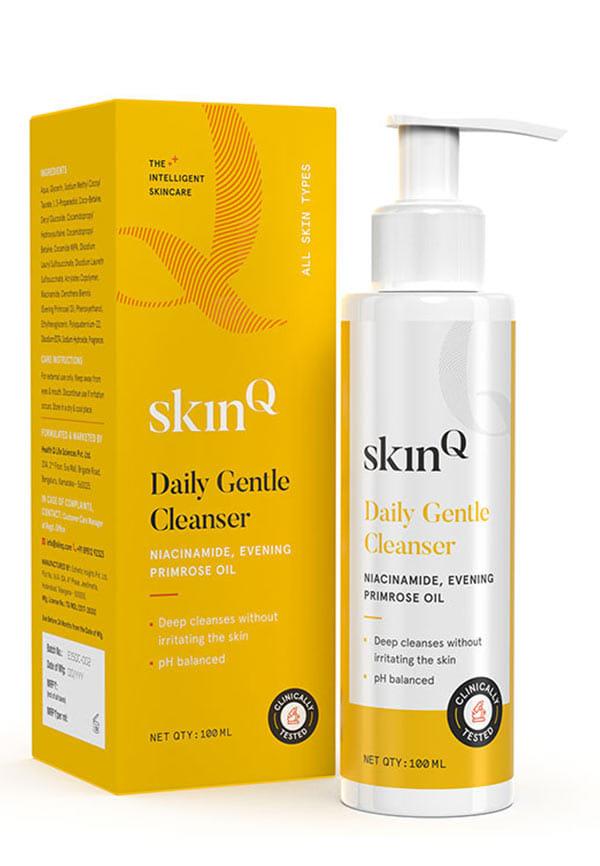
Daily Gentle Cleanser
Let's be real—simple daily self care doesn't have to mean hour-long spa sessions or expensive wellness retreats. Sometimes the best self-care is just remembering to drink water before your third cup of coffee or taking five deep breaths between meetings. If you've been wondering how to start a daily self-care routine without completely overhauling your life, you're in the right place. We're breaking down everything you need to know about building sustainable wellness habits that actually stick, from quick stress relief techniques to mindful daily practices that fit into even the busiest schedules. Whether you're a complete beginner or looking to refine your approach, these answers will help you create a personal well-being routine that works for your real life. Plus, with platforms like Smytten making it easier to trial wellness products before committing, there's never been a better time to explore what self-care looks like for you.
Simple daily self care focuses on small, consistent actions rather than grand gestures—think 5-minute meditation over hour-long spa days
The seven types of self-care (physical, emotional, mental, social, spiritual, professional, environmental) help create a balanced approach to personal well-being
Easy self-care ideas include morning gratitude, midday movement breaks, and evening digital detox periods that require minimal time and money
Building sustainable wellness habits starts with the 2-minute rule and habit stacking to create routines that actually stick
Self-care isn't selfish—it's essential for managing stress, preventing burnout, and maintaining mental health in our daily lives
Simple daily self care is about weaving small, intentional actions into your everyday routine that support your physical, mental, and emotional well-being. Unlike the Instagram-worthy self-care moments we often see, real daily self-care routine practices are usually quiet, consistent, and surprisingly ordinary. Think brushing your teeth mindfully, taking three deep breaths before checking emails, or choosing to go to bed 15 minutes earlier.
The beauty of self-care for beginners lies in its simplicity. Research shows that small, consistent actions create more lasting change than sporadic grand gestures. When you practice simple daily self care, you're essentially training your brain to prioritise your well-being as a non-negotiable part of your day, much like eating or sleeping.
Real talk—there's a massive difference between self-care and self-indulgence, though they often get mixed up. Self-care involves actions that genuinely support your long-term well-being, even if they're not always immediately pleasurable. Self-indulgence, on the other hand, might feel good in the moment but doesn't necessarily contribute to your overall health.
For example, taking a relaxing bath with essential oils after a stressful day is self-care—it helps you decompress and sleep better. Binge-watching Netflix until 3 AM because you're avoiding responsibilities? That's more self-indulgence territory. Both have their place, but understanding the difference helps you build more effective wellness habits.
The best daily self-care routine practices are those that seamlessly fit into your existing schedule without requiring major life overhauls. Morning foundations might include five minutes of mindful breathing, jotting down three things you're grateful for, or doing gentle stretches while your coffee brews. These mindful daily practices set a positive tone for the entire day.
Midday reset practices are brilliant for breaking up the chaos of busy days. Try setting hourly reminders to check your posture, take five deep breaths, or step outside for a minute of fresh air. Even something as simple as drinking a glass of water mindfully can serve as a mini meditation break.
Busy professionals might benefit from micro-practices like desk stretches, walking meetings, or using commute time for podcasts that inspire rather than stress. Parents and caregivers can try self-care at home activities like involving kids in yoga sessions or practising gratitude while doing household tasks.
Students often find success with study break rituals, campus nature walks, or creating cosy spaces for reading that aren't just about academics. The key is matching your self-care approach to your actual life, not some idealised version of it.
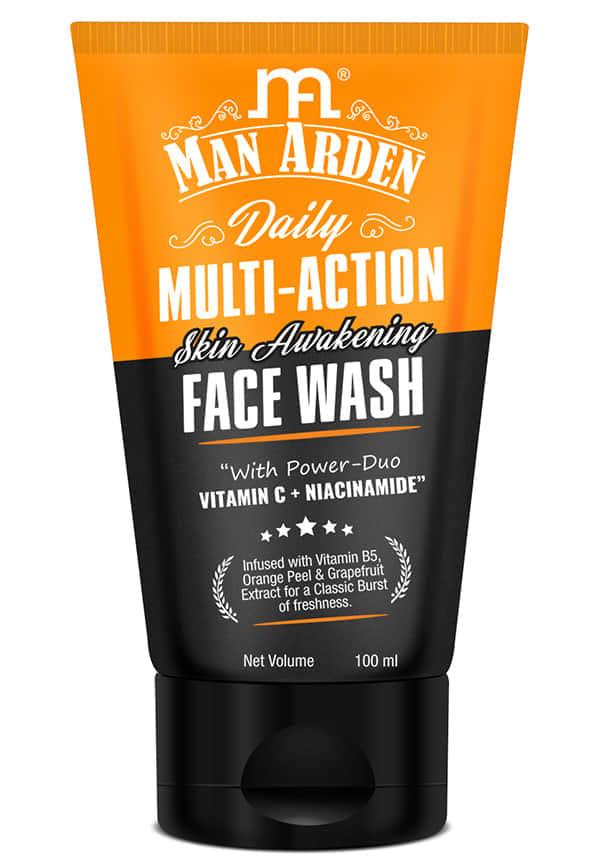
Vitamin C Daily Multi-Action Skin Awakening & Brightening Face Wash Vitamin C + Niacinamide
These wellness habits form the backbone of effective simple daily self care. Start with one or two that resonate most with you, then gradually add others as they become second nature. Remember, consistency beats perfection every single time.
Here are ten quick self-care tips that can transform your daily experience:
Drink water first thing in the morning - Before coffee, before checking your phone, just pure hydration to wake up your system
Practice 5-minute meditation - Use apps or simply focus on your breathing; even two minutes counts
Take regular movement breaks - Set hourly reminders to stand, stretch, or walk around
Eat one mindful meal per day - Put away devices and actually taste your food
Connect with nature briefly - Even looking out a window or touching a houseplant helps
Practice saying "no" to protect your energy - Boundaries are self-care in action
Maintain consistent sleep schedule - Your future self will thank you for this one
Express gratitude daily - Write it down, say it aloud, or just think it intentionally
Limit social media consumption - Set specific times rather than endless scrolling
End day with positive reflection - What went well? What are you proud of?
Habit stacking is your secret weapon for building sustainable routines. The idea is simple: attach a new habit to an existing one. For example, "After I brush my teeth, I'll write down one thing I'm grateful for" or "Before I check my phone in the morning, I'll do five deep breaths."
This technique works because it leverages neural pathways you've already established, making new habits feel more natural and automatic. Start small and be specific about the trigger and the new behaviour you want to add.
Understanding the seven types of self-care helps you create a well-rounded approach to personal well-being. Most people naturally gravitate towards one or two types while neglecting others, which can leave you feeling unbalanced despite your best efforts. Mental health self-care and stress relief techniques often span multiple categories.
Each type addresses different aspects of your well-being, and the magic happens when you consciously include elements from several categories in your routine:
Physical self-care - Exercise, nutrition, sleep, medical check-ups, and body care
Emotional self-care - Journaling, therapy, setting boundaries, and processing feelings
Mental self-care - Learning new things, reading, puzzles, and intellectual stimulation
Social self-care - Nurturing relationships, community involvement, and meaningful connections
Spiritual self-care - Meditation, nature connection, purpose exploration, and values alignment
Professional self-care - Work-life balance, skill development, and career satisfaction
Environmental self-care - Organising your space, decluttering, and creating supportive surroundings
Take a moment to honestly assess which areas of your life feel most neglected right now. Are you physically exhausted? Emotionally drained? Mentally understimulated? Your current needs should guide where you focus your energy first.
A balanced week might include physical movement, emotional check-ins, mental stimulation, social connection, spiritual practice, professional development, and environmental care. But remember—balance doesn't mean equal time for everything. It means giving attention to what you need most.
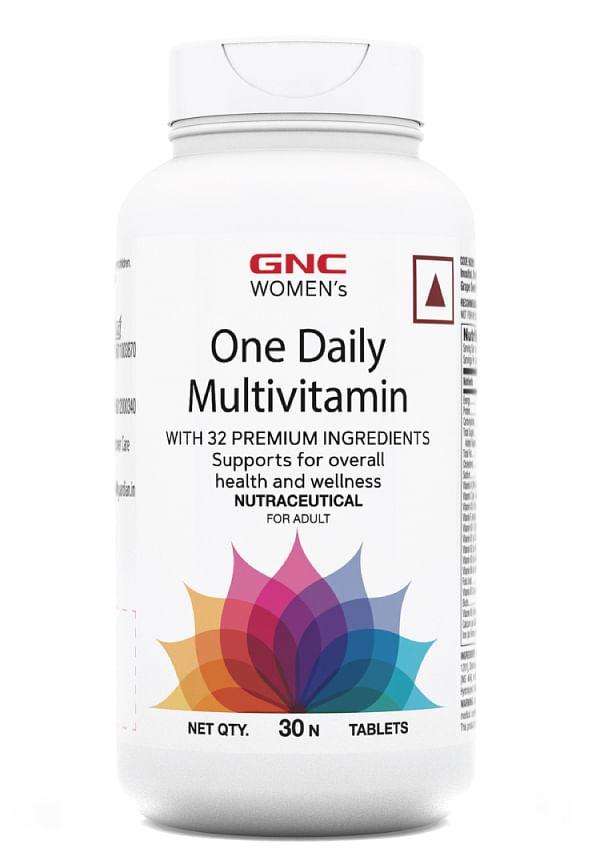
Womens One Daily Multivitamin - Improves Energy, Immunity, Skin and Overall Health
The best easy self-care ideas are those requiring zero preparation, minimal time, and no special equipment. These self-care at home practices prove that personal well-being doesn't have to be complicated or expensive. Sometimes the most powerful self-care is simply giving yourself permission to rest without guilt.
Five-minute practices work brilliantly for time-crunched individuals. Try desk stretches between meetings, mindful tea drinking, quick tidy-up sessions that clear both physical and mental space, or stepping outside for fresh air. Free self-care activities might include library visits, nature walks, free online yoga videos, or calling a friend who makes you laugh.
High-energy days are perfect for more active self-care like dancing to your favourite songs, tackling that organisation project you've been avoiding, or trying a new recipe. These are the days when you can push yourself a bit more.
Low-energy days call for gentler approaches—warm baths, comfort reading, gentle stretching, or simply lying on the floor and breathing deeply. Sick days require the ultimate in self-compassion: rest, hydration, and giving yourself permission to do absolutely nothing productive.
Building sustainable wellness habits starts with the 2-minute rule: any new habit should take less than two minutes to complete when you're starting out. Want to meditate daily? Start with two minutes, not twenty. Want to journal? Write one sentence, not three pages. This approach prevents overwhelm and builds confidence through small wins.
Consistency trumps intensity every single time. It's better to do five minutes of self-care daily than an hour once a week. Your brain learns through repetition, and small, consistent actions create lasting neural pathways that make self-care feel automatic rather than forced.
Create a flexible framework rather than a rigid schedule. Maybe Mondays are for meal prep (nourishing your body), Wednesdays for midweek check-ins (emotional care), and Sundays for planning and reflection (mental care). Build in buffer time for life's inevitable curveballs.
Remember that your routine should evolve with your needs. What works during busy periods might be different from what you need during quieter times. The goal is progress, not perfection.
This is probably the most common concern, and it's completely valid. The solution lies in micro-habits and integration. Brush your teeth mindfully, take three deep breaths before starting your car, or practice gratitude while your coffee brews. Self-care doesn't require extra time when you weave it into existing activities. Even 30 seconds of intentional breathing counts.
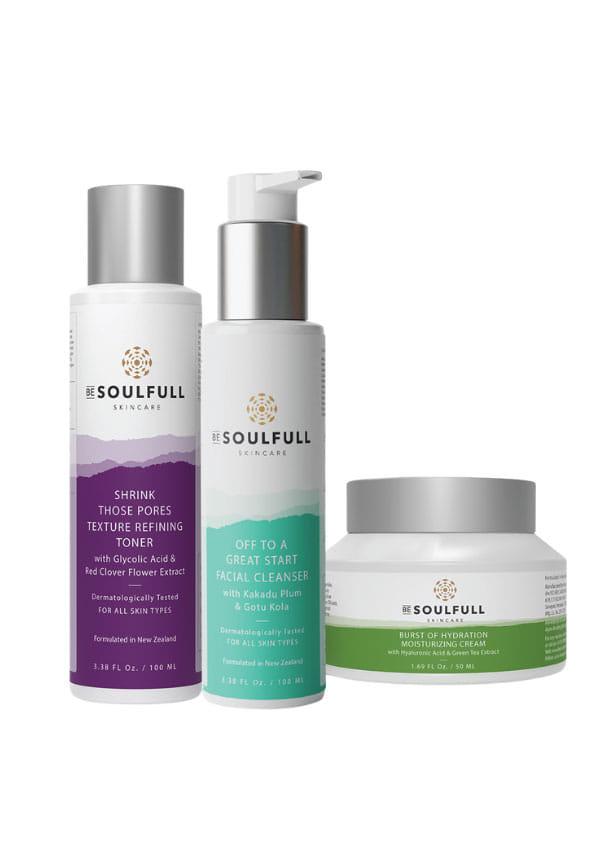
Daily Regime I Facial Cleanser, Toner, Moisturizer
Effective self-care usually shows up as increased energy, better sleep, improved mood stability, and greater resilience during stressful periods. You might notice you're less reactive to daily annoyances or feel more capable of handling challenges. Physical signs include better sleep, more stable energy levels, and fewer stress-related symptoms like headaches or tension.
While the fundamental principles of self-care are universal, individual preferences and social conditioning can influence how people approach it. Some men might gravitate towards physical activities or problem-solving approaches, while some women might prefer emotional processing or nurturing activities. The key is finding what genuinely works for you, regardless of gender expectations.
Absolutely. Regular self-care practices can significantly impact stress levels by activating your parasympathetic nervous system (your body's "rest and digest" mode). Techniques like deep breathing, mindfulness, regular exercise, and adequate sleep are proven stress relief techniques. However, if you're experiencing persistent anxiety or depression, self-care should complement, not replace, professional mental health support.
Self-care focuses on daily maintenance and prevention, while therapy addresses deeper patterns, trauma, and mental health conditions. Think of self-care as brushing your teeth daily, while therapy is like getting professional dental treatment when needed. Both are important, and they work beautifully together to support your overall mental health.
Effective self-care doesn't require a big budget. Many of the most powerful practices—breathing exercises, gratitude, movement, sleep hygiene—are completely free. When you do invest money, focus on items that support long-term habits rather than one-off treats. A good pillow for better sleep or comfortable workout clothes might be more valuable than expensive spa treatments. With trial platforms available on Smytten, you can explore wellness products affordably before committing to full sizes.
Guilt around self-care often stems from cultural messages that equate self-care with selfishness. Reframe self-care as taking responsibility for your well-being so you can show up better for others. You can't pour from an empty cup. When you're well-rested, emotionally balanced, and physically healthy, you're more present, patient, and capable in all your relationships and responsibilities.
Simple daily self care is about progress, not perfection. Start with one or two practices that feel manageable and build from there. Remember that self-care looks different for everyone—what matters is finding approaches that genuinely support your well-being rather than adding stress to your life. The seven types of self-care provide a helpful framework, but your personal mix should reflect your current needs and circumstances.
Consistency beats intensity every time. Two minutes of daily meditation will serve you better than an hour-long session once a week. Use habit stacking to attach new self-care practices to existing routines, and be patient with yourself as you build these new patterns. Self-care isn't selfish—it's essential maintenance for living a balanced, fulfilling life.
Building a sustainable self-care routine is a journey, not a destination, and having the right tools and products can make all the difference. Smytten is India's largest product discovery and trial platform, connecting you with top lifestyle, beauty, wellness, and grooming brands through curated trial packs. With mini-sized products from over 1,500 trusted brands, you can explore wellness products that support your self-care journey before committing to full-size purchases. Each mini is linked with Trial Points, and you can get up to 8 minis for just ₹249, plus Smytten offers 100% cashback on trial purchases, making product discovery both affordable and rewarding. Whether you're looking for skincare products for your evening routine, aromatherapy items for stress relief, or wellness supplements to support your daily habits, you can trial on Smytten and find what truly works for your unique self-care needs. After all, why settle for 'maybe' when you can #TryItAll!
