Sesame Seeds for Women's Bones FAQ: Your Questions Answered


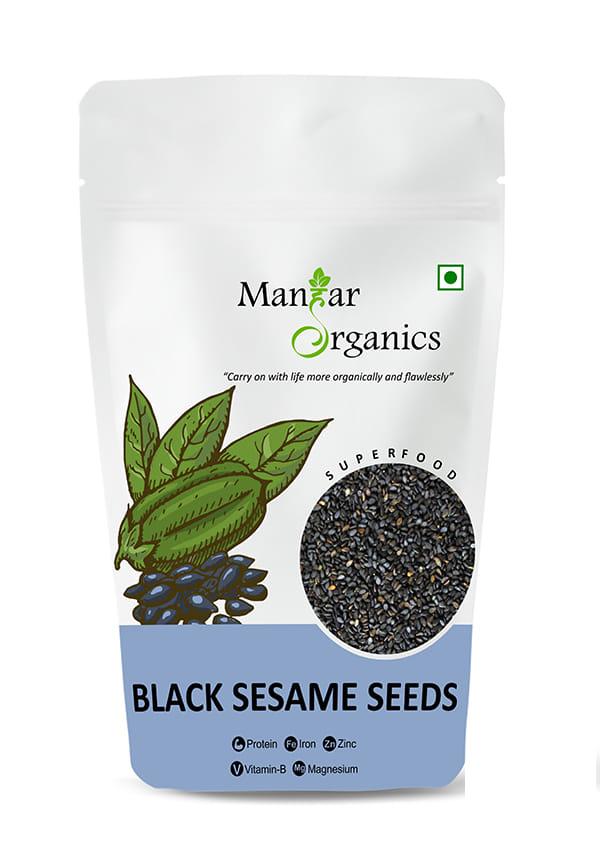
Black Sesame Seeds
When it comes to women's bone health, the conversation often revolves around calcium supplements and dairy products. But here's something that might surprise you—those tiny sesame seeds sitting in your kitchen cupboard could be one of the most powerful allies for your bones. Real talk, these little nutritional powerhouses pack more calcium per serving than many traditional sources, plus they come loaded with other bone-supporting nutrients that your body actually craves. Whether you're in your twenties building peak bone mass or navigating menopause when bone density naturally declines, understanding how sesame seeds can support your skeletal system is worth your time. From their impressive calcium content to their unique phytoestrogens that help balance hormones, sesame seeds offer a natural, accessible way to give your bones the love they deserve. And with wellness brands on platforms like Smytten making it easier than ever to discover quality nutrition products, there's never been a better time to explore how these ancient seeds can fit into your modern lifestyle.
Sesame seeds contain more calcium per serving than milk, making them excellent for women's bone health
They're packed with phytoestrogens that help support bone density during menopause
Both black and white varieties offer benefits, but black sesame seeds have higher antioxidant content
Optimal daily intake is 1-2 tablespoons, best consumed ground for maximum absorption
They're generally safe but should be introduced gradually to avoid digestive issues
Let's be real—women face unique challenges when it comes to bone health. From our teens through menopause and beyond, our bones go through constant changes that require targeted nutritional support. Sesame seeds for bone health isn't just a trendy wellness concept; it's backed by solid science that shows these tiny seeds can make a real difference.
The nutritional profile of sesame seeds reads like a bone health wishlist. A single tablespoon of unhulled sesame seeds delivers approximately 88mg of calcium—that's about 9% of your daily needs in just one small serving. But calcium isn't working alone here. These seeds also provide magnesium, phosphorus, zinc, and vitamin K, all of which play crucial roles in bone formation and maintenance.
Here's where sesame seeds benefits for women get really interesting. These seeds contain natural compounds called lignans, which act as phytoestrogens in your body. Think of them as gentle, plant-based helpers that can support your hormonal balance, especially during perimenopause and menopause when oestrogen levels naturally decline.
Your twenties and thirties are prime time for building peak bone mass, and sesame seeds can help maximise this window. For women in their forties and beyond, these seeds shift into maintenance mode, helping preserve the bone density you've built while supporting your body through hormonal transitions.
When we talk about calcium in sesame seeds, the numbers are genuinely impressive. But not all sesame seeds are created equal, and understanding the differences can help you make the best choices for your bone health.
Unhulled sesame seeds (the ones with their outer shell intact) contain significantly more calcium than their hulled counterparts. We're talking about 975mg of calcium per 100g of unhulled seeds versus about 60mg in the same amount of hulled seeds. That's a massive difference that could impact your daily calcium intake.
Having calcium in your food is one thing; your body actually absorbing and using it is another. The good news is that sesame seeds nutrients work synergistically to enhance absorption. The magnesium content helps your body utilise calcium more effectively, while the healthy fats aid in the absorption of fat-soluble vitamins.
Women aged 19-50 need about 1,000mg of calcium daily, while those over 50 require 1,200mg. Two tablespoons of unhulled sesame seeds can provide roughly 20% of your daily calcium needs—not bad for such a small serving.
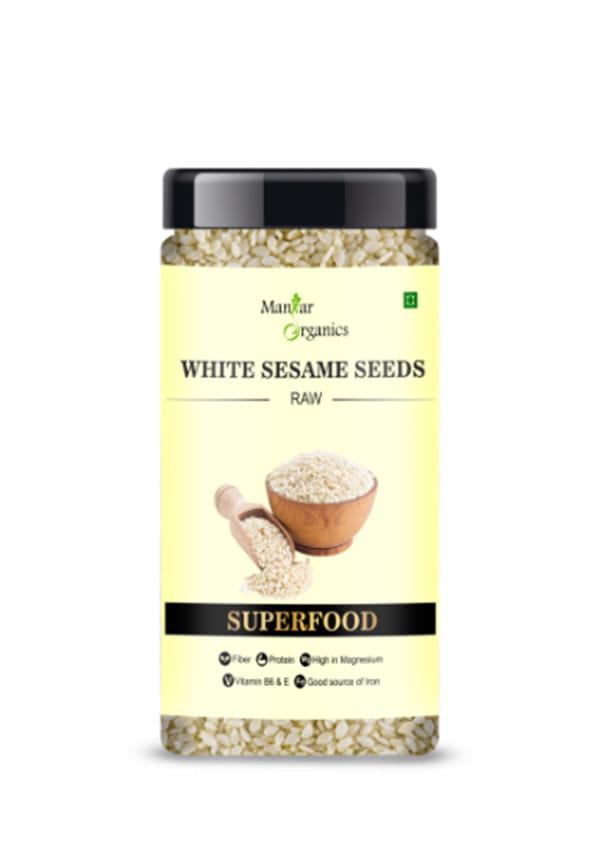
White Sesame Seeds 150gm Jar
The sesame seed world isn't just black and white—well, actually it is, and both varieties offer unique advantages for women's health. Understanding the differences can help you choose the right type for your specific needs.
Black sesame seeds traditionally hold a special place in Eastern medicine, particularly for supporting kidney and liver health, which indirectly benefits bone metabolism. They contain higher levels of antioxidants, specifically anthocyanins, which give them their dark colour and may help reduce inflammation throughout your body.
While both varieties provide excellent calcium content, black sesame seeds edge out slightly in terms of overall mineral density. They also contain more healthy fats and protein per serving, making them particularly valuable for women following plant-based diets.
White sesame seeds are generally more affordable and easier to find in regular supermarkets. Black sesame seeds might require a trip to a health food store or Asian market, but they're becoming increasingly available through online wellness platforms.
Menopause brings significant changes to women's bodies, and bone health often takes a hit during this transition. The decline in oestrogen production directly affects bone density, making this life stage particularly crucial for targeted nutritional support.
Sesame seeds for menopause support works through multiple pathways. The lignans in sesame seeds can help modulate hormone levels naturally, potentially easing some menopausal symptoms while supporting bone health. Research suggests that regular consumption of sesame seeds may help maintain bone mineral density in postmenopausal women.
When it comes to sesame seeds for osteoporosis prevention, the evidence is encouraging. Studies have shown that the combination of calcium, magnesium, and phytoestrogens in sesame seeds can help slow bone loss and may even support new bone formation when combined with weight-bearing exercise.
Don't expect overnight miracles—bone health is a long-term game. Most research suggests that consistent consumption over 3-6 months is needed to see measurable improvements in bone markers. The key is making sesame seeds a regular part of your daily routine rather than an occasional addition.
Knowing the benefits is one thing; actually incorporating sesame seeds dietary intake into your daily routine is where the magic happens. The good news is that these versatile seeds can fit into almost any eating style with minimal effort.
The optimal daily serving sits around 1-2 tablespoons of unhulled sesame seeds. This provides a substantial calcium boost without going overboard on calories (about 100-200 calories per serving). Ground sesame seeds, also known as tahini when made into paste, offer better absorption since your digestive system can access the nutrients more easily.
Seedless Black Dates
Toasting sesame seeds lightly enhances their nutty flavour and makes them more digestible. Simply heat them in a dry pan for 2-3 minutes until they're golden and fragrant. You can also grind them fresh in a coffee grinder or food processor for immediate use.
Sprinkle toasted sesame seeds over salads, yoghurt, or smoothie bowls. Blend them into homemade energy balls with dates and nuts. Mix ground sesame seeds into your morning porridge or add them to homemade bread and muffin recipes. The possibilities are endless, and your bones will thank you for the creativity.
While sesame seeds are generally safe for most women, being aware of potential side effects and precautions helps ensure you're getting benefits without any unwanted surprises. Like any food, moderation is key, and individual responses can vary.
The most common concern is sesame seed allergy, which can range from mild digestive upset to severe allergic reactions. If you've never eaten sesame seeds before, start with a small amount (about half a teaspoon) and monitor your body's response over 24 hours.
Some women experience mild digestive issues when first introducing sesame seeds, particularly if they consume large amounts quickly. The high fibre content can cause bloating or gas in sensitive individuals. Starting slowly and gradually increasing your intake helps your digestive system adjust.
If you're taking calcium supplements or medications for bone health, discuss adding sesame seeds to your diet with your healthcare provider. While natural calcium sources are generally preferred, you want to avoid exceeding recommended daily limits, which can interfere with the absorption of other minerals.
Sesame seeds are generally considered safe during pregnancy and breastfeeding when consumed as part of a normal diet. However, the phytoestrogen content means you should stick to moderate amounts and consult your healthcare provider if you have any concerns about hormonal effects.
The most effective way is to consume 1-2 tablespoons of ground, unhulled sesame seeds daily. Grinding them improves absorption, and unhulled varieties contain significantly more calcium. You can sprinkle them on meals, blend into smoothies, or make tahini paste. Taking them with vitamin C-rich foods like citrus fruits can enhance calcium absorption.

Raw Pine Nuts
Both black and white sesame seeds provide excellent benefits, but unhulled varieties of either colour contain more calcium than hulled ones. Black sesame seeds have slightly higher antioxidant content and are traditionally used in Eastern medicine for women's health. Choose based on availability and taste preference—consistency matters more than colour.
While sesame seeds are an excellent calcium source, they work best as part of a comprehensive approach to bone health rather than a complete replacement for supplements. Two tablespoons provide about 20% of daily calcium needs. Combine them with other calcium-rich foods and consult your healthcare provider about whether additional supplementation is necessary for your individual needs.
Sesame seeds contain phytoestrogens (plant compounds that mimic estrogen) rather than actual estrogen. These lignans are much weaker than human estrogen and can actually help balance hormone levels. They're generally safe for most women, including those with hormone-sensitive conditions, but it's wise to discuss with your doctor if you have specific concerns.
Bone health improvements take time—typically 3-6 months of consistent consumption before you might see changes in bone density markers through medical tests. However, you may notice improvements in overall energy and wellbeing sooner. Remember, bone health is a long-term investment, and sesame seeds work best as part of an overall healthy lifestyle.
Yes, but portion control matters. Sesame seeds are calorie-dense (about 50 calories per tablespoon), but they're also nutrient-dense and can help you feel satisfied. The protein and healthy fats can actually support weight management when consumed as part of a balanced diet. Stick to the recommended 1-2 tablespoons daily.
There's no specific 'best' time, but spreading your intake throughout the day may improve absorption. Many women find success adding them to breakfast (in smoothies or on porridge) or as an afternoon snack. Avoid taking them with coffee or tea, as these can interfere with calcium absorption. Taking them with meals that contain healthy fats can enhance nutrient uptake.
Avoid consuming sesame seeds with high-oxalate foods like spinach or rhubarb, as oxalates can interfere with calcium absorption. Also, don't take them simultaneously with iron supplements, as calcium can reduce iron absorption. Space these apart by at least two hours. Coffee and tea can also reduce calcium absorption, so avoid consuming sesame seeds with your morning cuppa.
Sesame seeds represent a powerful, natural approach to supporting women's bone health throughout all life stages. Their impressive calcium content, combined with supporting nutrients like magnesium and phytoestrogens, makes them particularly valuable for women navigating hormonal changes or looking to build and maintain strong bones.
The key to success lies in consistency rather than perfection. Whether you choose black or white varieties, hulled or unhulled, the most important factor is making sesame seeds a regular part of your daily routine. Start with small amounts, listen to your body, and gradually work up to the optimal 1-2 tablespoons daily.
Remember that bone health is multifaceted—sesame seeds work best when combined with regular weight-bearing exercise, adequate vitamin D, and an overall balanced diet. They're not a magic bullet, but they're certainly a valuable tool in your bone health toolkit.
Taking charge of your bone health doesn't have to be complicated or expensive. Simple additions like sesame seeds can make a meaningful difference when you're consistent about incorporating them into your daily routine. As you explore new ways to support your wellness journey, platforms like Smytten make it easier than ever to discover quality nutrition and wellness products from trusted brands. With trial packs available for just ₹249, you can explore different wellness supplements and products that complement your sesame seed routine without the commitment of full-size purchases. After all, when it comes to your health, why settle for 'maybe' when you can try it all and find what works best for your unique needs? Your bones—and your future self—will thank you for taking action today.
